
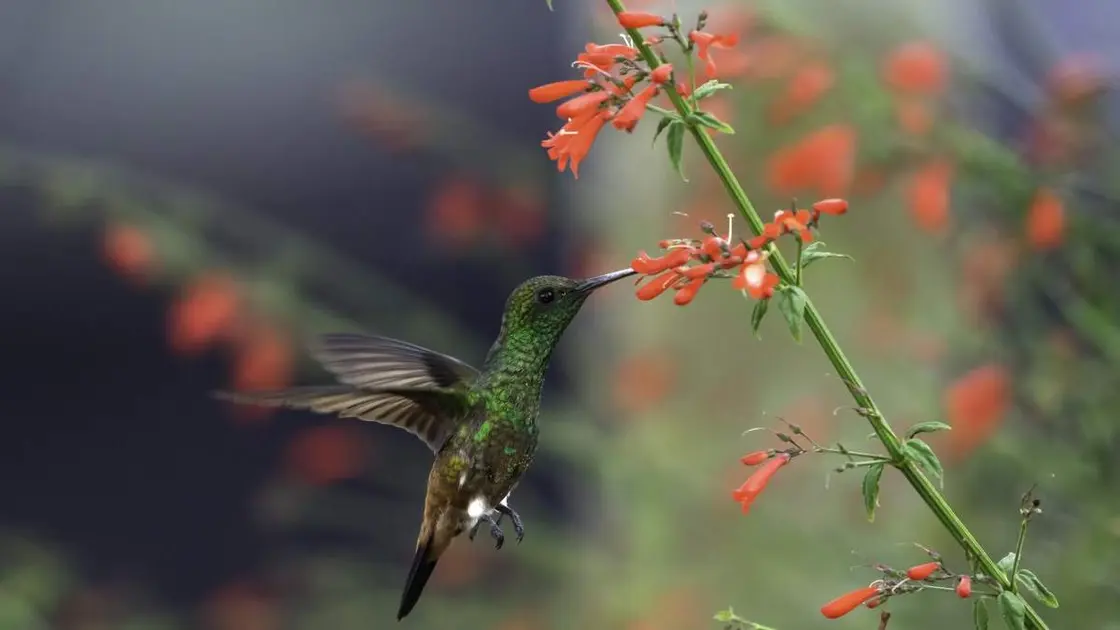
Welcoming wildlife in your garden during spring is a delightful experience. As the temperatures rise, you'll start to see hummingbirds, butterflies, and bees returning, signaling that warmer days are ahead.
Enhancing your outdoor areas with native spring flowers encourages these beautiful creatures to visit. If you're updating your garden plans, consider incorporating trees, shrubs, and perennials that support local wildlife, creating a vibrant ecosystem right at home.
Here are some top native spring flowers that can draw in hummingbirds and pollinators, ensuring your garden is a lively habitat this season.

Best Native Spring Flowers for Pollinators
If you're looking to create a wildlife-friendly garden, consider native spring flowers that attract hummingbirds, butterflies, and bees. These selections will help you enjoy dynamic wildlife activity throughout spring and summer.
1. Firebush

For attracting hummingbirds, the firebush shrub is an excellent choice. This vibrant plant captivates birds and other pollinators alike.
Known scientifically as Hamelia patens, firebush thrives in the subtropical and tropical regions of America, particularly in US hardiness zones 9 to 10, extending from southern states like Florida down to Mexico and Argentina.
According to plant expert Lilly Anderson-Messec, "This Florida native shrub bursts with clusters of tubular orange to yellow flowers, making it a favorite among hummingbirds and butterflies." She adds that firebush flourishes best in full sunlight but can tolerate partial shade.
2. Serviceberry

Spring-flowering shrubs and trees, like serviceberry, provide shelter and nourishment for birds while attracting pollinators. Meredith Simpson, a horticulturist, suggests using native trees and shrubs to entice birds like red cardinals.
"In our bird border, we planted several native small trees and shrubs to create a habitat and food source for birds," Meredith explains. "Serviceberry, known for its spring fruits, quickly drew in cedar waxwings once we planted it."
This tree variety thrives across US hardiness zones 4 to 8, ranging from Maine to Alabama.
3. Texas Bluebonnet

The Texas bluebonnet, Lupinus texensis, is not just the state flower of Texas; it's also a favorite among pollinators. Its bright blooms light up prairies and gardens during spring.
To cultivate bluebonnets successfully, plant them in US hardiness zones 4 to 8, ensuring they receive plenty of sunshine and well-drained soil.
Explore Native Spring Flowering Plants
Aquilegia canadensis, commonly known as red columbine, is a captivating native perennial that thrives in gardens. Its unique flowers are particularly appealing to hummingbirds, making it a must-have for wildflower gardens.
Red lantana is another excellent choice, producing vibrant clusters of flowers from spring through fall. These annuals look stunning in hanging baskets or containers, providing color while attracting various pollinators.
Another visually striking option is the blue lupin, Lupinus 'Gallery Blue', boasting tall spires of blue blooms. This classic American perennial is perfect for cut flower arrangements and draws in beneficial pollinators.
4. Lantana
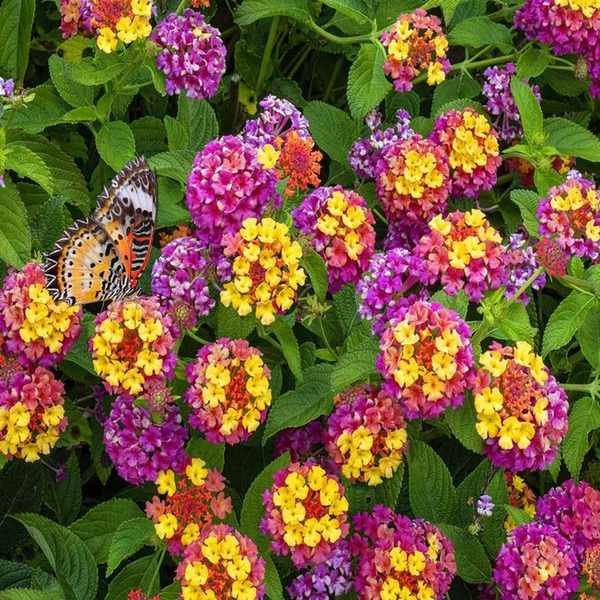
Lantanas are native to tropical regions of the Americas and excel in heat and drought conditions. Tricia Hunt, owner of Millstone Nursery, highlights their vibrant colors, stating they attract bees, butterflies, and hummingbirds.
"From dawn until dusk, lantanas stay busy with pollinator activity. You might even catch a glimpse of a hummingbird moth enjoying the nectar," she notes. These low-maintenance plants bloom throughout spring and summer, making them an eye-catching addition to any garden.
5. Columbine
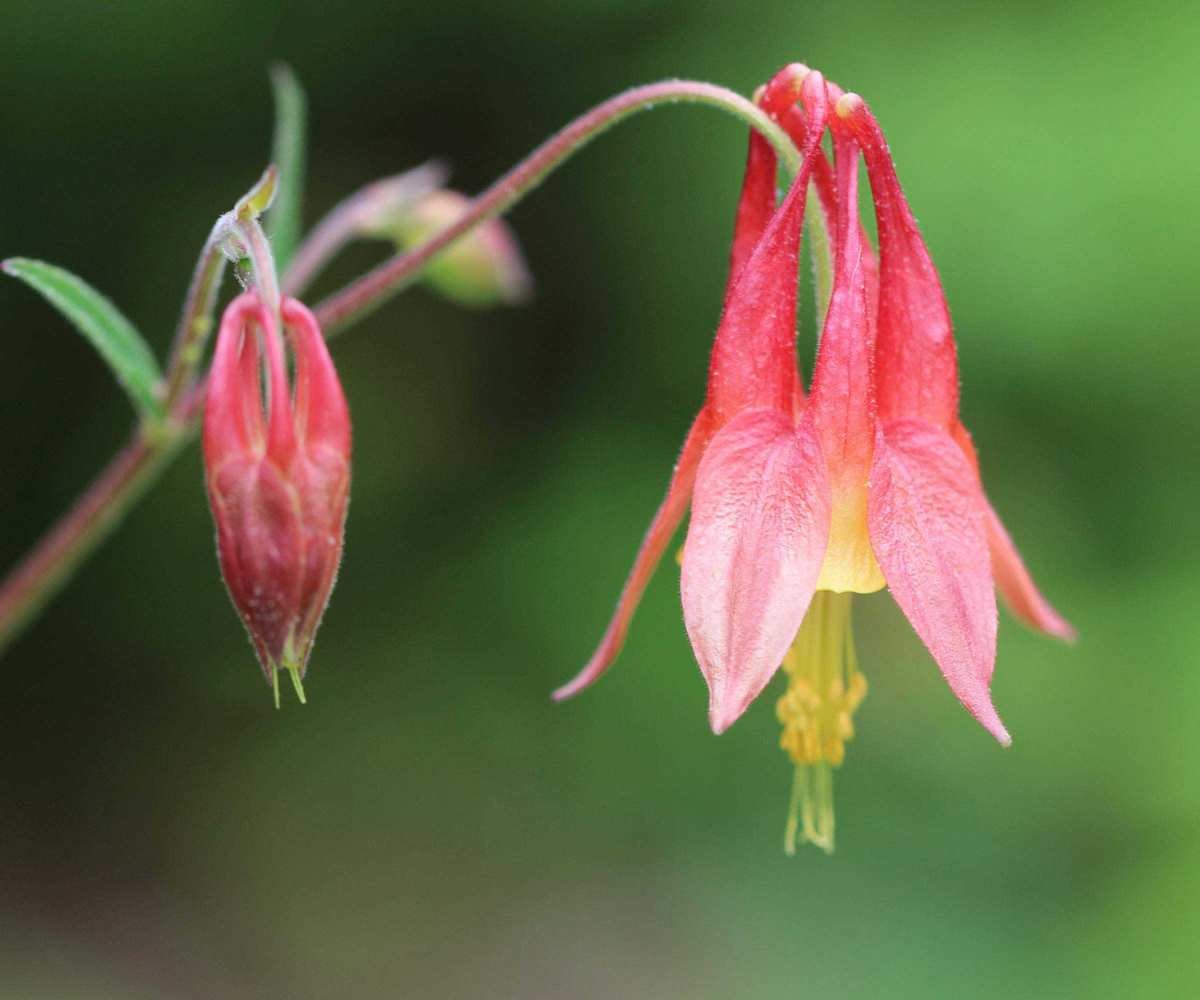
Columbines, particularly the red variety (Aquilegia canadensis), are beloved for their striking blooms that attract a variety of wildlife. These perennial plants are often found in cottage gardens, pairing wonderfully with foxgloves or roses.
Columbines thrive in meadows and open grasslands, often self-seeding in natural settings. They are hardy from US hardiness zones 3 to 9 and prefer partial shade and well-draining soil.
Incorporating native spring flowers in your garden is a vital step for attracting hummingbirds and other pollinators, while also creating a beautiful and inviting outdoor space.



