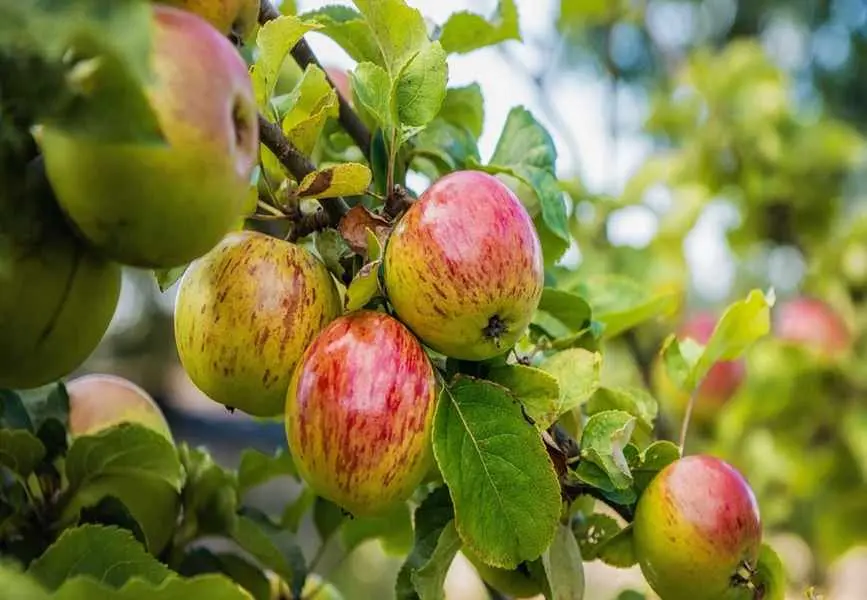
Growing an apple tree can lead to a rewarding harvest of one of the most beloved fruits worldwide. With thousands of varieties for cooking, eating, cider-making, and juicing, there are plenty of reasons to plant an apple tree at home. Imagine savoring a ripe apple straight from the branch.
There are numerous options for apple trees, which come in various sizes and feature a range of colors, shapes, and flavors. This diversity means you can find the perfect apple tree that fits your preferences and garden space.
Choosing an apple tree is a great decision for home gardeners. They're well-suited for various backyard designs and are relatively easy to care for. This guide provides insights on planting and maintaining apple trees, drawing on my experience in orchards and advice from a fruit tree expert.

Harvest apples in late summer and fall
Expert Tips for Growing an Apple Tree
Apple trees thrive in US hardiness zones 3 to 9. More than 7,500 types exist worldwide, but availability for home gardens is more limited.
Research is essential when selecting a variety, ensuring it’s suitable for your hardiness zone and appropriate for your space. Apple trees are often grafted onto rootstocks, affecting their growth size. Standard trees can grow up to 25 feet, while dwarf varieties are perfect for small gardens or container planting.
Apple trees are among the easiest to grow. While some cultivars are susceptible to pests and diseases, choosing disease-resistant and self-fertile types can simplify the growing process. Let’s explore the steps to successfully grow an apple tree, starting with planting.
Planting Apple Trees

Apple trees are grafted onto rootstocks to control growth
You can find apple trees either bare-root or container-grown at garden centers, nurseries, or online. The choice affects planting times: bare-root trees are typically available from late fall to spring, whereas container-grown trees can be planted year-round.
For optimal growth, plant fruit trees between fall and spring while they’re dormant, avoiding frozen or waterlogged ground. Although container trees can be planted any time, summer planting is best avoided due to heat stress.
Apple trees adapt well in various settings, including orchards, large beds, lawns, or trained against walls or fences as fan, columnar, or espalier varieties. They prefer an open, protected spot and should be within 100 feet of compatible trees for cross-pollination.
“All fruit trees, including apples, thrive in full sun—aim for six to ten hours per day,” advises a fruit tree expert. “Shaded trees won’t produce well.”
Well-drained soil is crucial;