
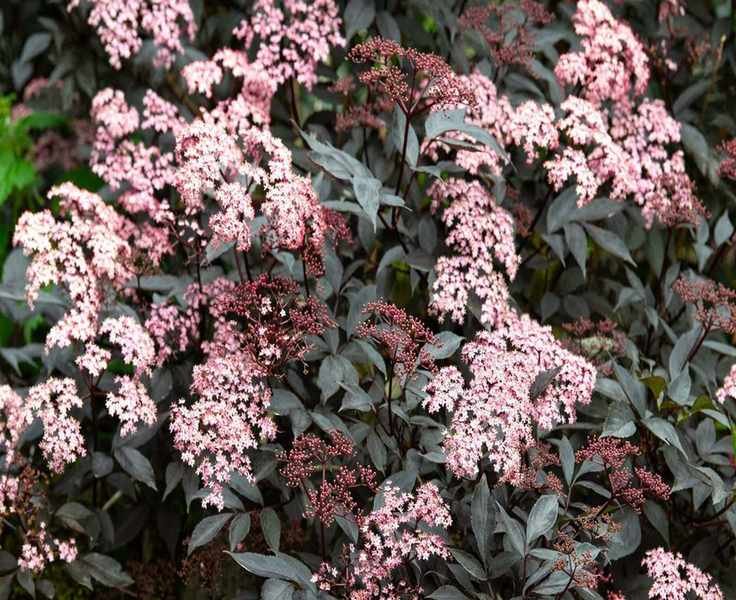
Sambucus, or elder, is a versatile deciduous shrub cherished for its lush foliage, stunning flowers, and tasty berries. Its leaves resemble large rose leaves, with leaflets arranged in pairs along the stem and one at the tip. Many contemporary varieties feature deeply divided and serrated leaves, some appearing as delicate as Japanese maple foliage.
Foliage colors range widely, showcasing bronzed, crimson, gold, and variegated options. Even without flowers or berries, many of these varieties stand out as attractive plants. They produce fragrant white or cream flowers in broad, rounded clusters (umbels) that can reach 18 inches across, followed by shiny berries that are not only enjoyed by birds but also used in drinks and desserts. These berries are rich in vitamins and antioxidants, promoting health benefits like immune support and stress reduction.
Recently, there's been a surge in the popularity of elder as both a flowering shrub and a food source. Elders are commonly found in wildlife gardens, coastal landscapes, and as part of eye-catching hedges or borders. Certain cultivars have been bred for their striking foliage, while others focus on high berry yields.
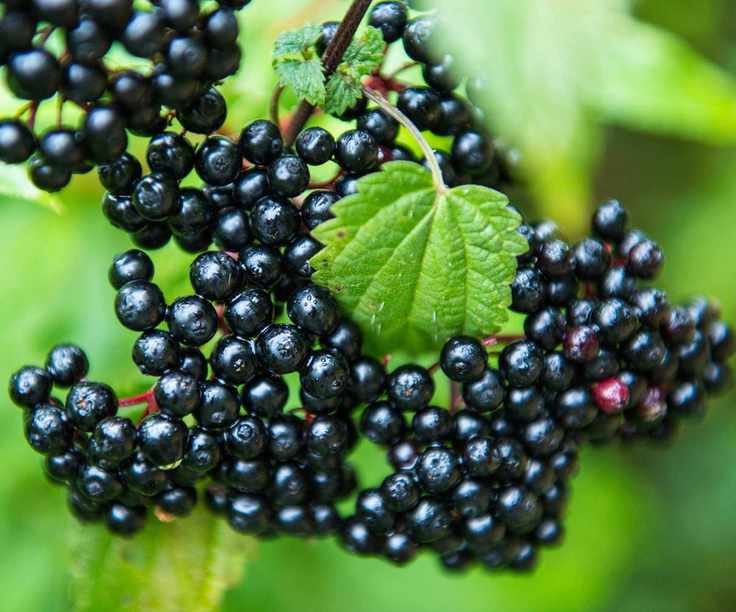
Elderberries are nutritious and perfect for preserves, pies, and beverages
Key Facts About Elder
- Plant type: Deciduous shrub
- Mature size: 4-15ft
- Soil type: Almost any
- Soil pH: Slightly acidic to alkaline
- Planting time: Spring, fall
- Flowering time: Spring, summer
- Flower color: White, cream, pink
- Berry color: Black, red
- Hardiness zones: USDA Z3-9
- Scientific name: Sambucus
- Common names: Elder, elderflower, elderberry, blueberry elder, sweet elder
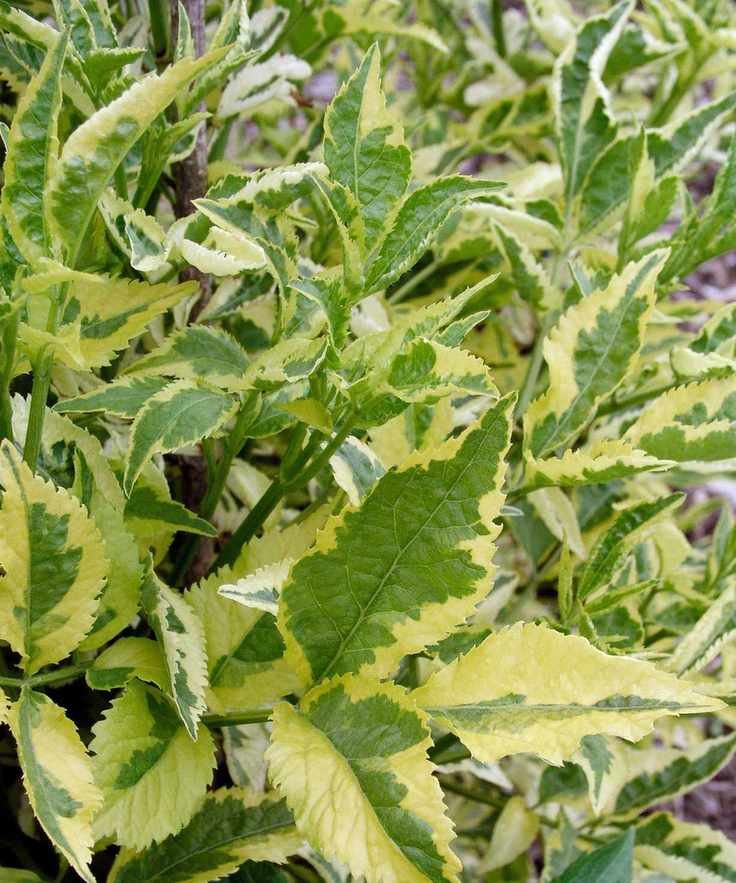
Elder Madonna is a top variegated shrub, reaching heights of 10ft
Types of Elder
Elders make excellent, low-maintenance border plants and are categorized into two main groups based on their geographical origins: European and North American.
This distinction is crucial for habitat restoration and creating native wildlife gardens. If you're exploring coastal plants, hedges for wildlife, or privacy hedges, understanding these origins can influence your choices. Fortunately, many varieties adapt well to diverse environments.
- American elders: Includes American elder (Sambucus canadensis), featuring blue-black berries and smaller stature, flowering later in summer. The red elder (S. racemosa) has creamy flowers in conical spikes and produces red berries.
- European elders: The European elder (S. nigra) thrives across various habitats in the British Isles, producing sweet-smelling white flowers followed by black berries. Many introduced varieties boast unique foliage and flower characteristics.

American elderberry grows as a shrub, not a tree
Selecting the Right Elder for Your Garden
- Foliage elders: Sambucus Black Lace ('Eva') is a stunning option with deep purple foliage resembling cut-leaved maple, adorned with pink flower heads. Black Beauty ('Gerda') offers broader leaves, while Black Tower ('Eiffel 1') and Laced Up ('Snr1292') are upright, dark-leaved varieties. 'Aurea' displays soft golden leaves with red berries, and Lemony Lace ('Smnsrd4') presents a golden hue with reddish shoot tips. Instant Karma ('Sanivalk') is a top variegated option, while Serenade ('Jonade') features heavily toothed leaves that transition from pink to yellow-green and finally red in fall.
- Flowering elders: Wild elder flowers measure 5-8 inches across, while some hybrids reach up to 18 inches. Their sweet fragrance enhances cordials and 'champagnes'. Most bloom in white or cream, while dark-leaved varieties like Laced Up offer pink flowers. European elder has flat flower heads, contrasting with the convex shapes of American varieties.
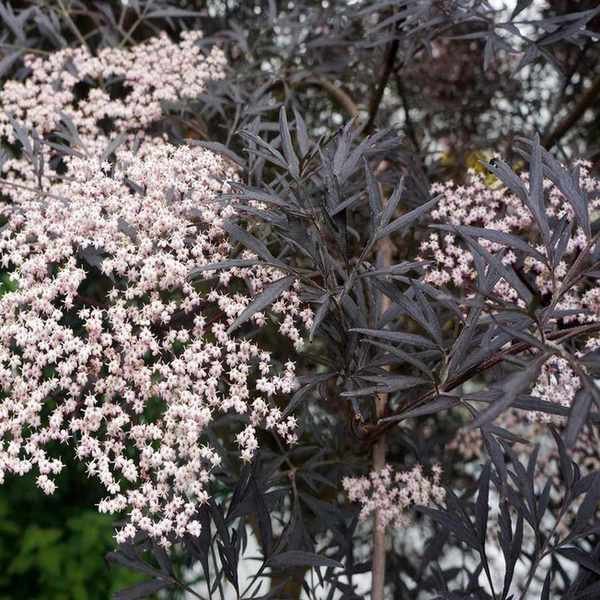
Black Lace produces broad, lightly scented flower heads from June to July
Planting Elders: Timing and Techniques
Plant elders in early spring, once the frost has passed and the soil has dried. Assess soil health to prevent rot. Sambucus are resilient and can be planted in summer, provided they are watered during dry spells; early fall is also suitable.
These shrubs thrive in lime-rich soils but are adaptable to various conditions, flourishing in sun or partial shade. Upright varieties fit well in the back of flower beds, while bushier types enhance informal hedges, screens, or coastal gardens needing low-maintenance plants. Smaller varieties work well in containers or borders.
Growing elder is straightforward—no special treatments are needed. Fertilizing the plant in its container before planting and again afterward boosts nutrient levels and reduces drying risks.
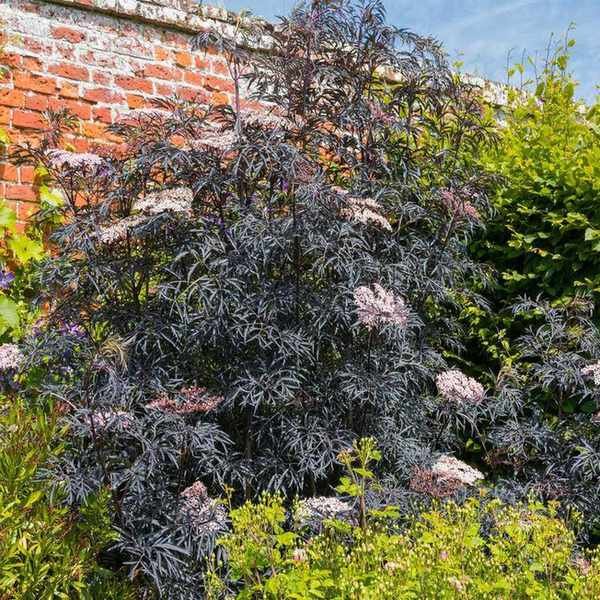
Dark-leaved varieties add color contrast to borders
Maintaining Your Elder Plants
Once established, elders are low-maintenance. Regular watering, feeding, and pruning enhance their shape, foliage quality, flowering, and berry yield. Use a drip irrigation system during dry summers, as sprinklers waste water. Spring fertilizer boosts growth, especially if regular pruning is planned.
If unwanted pigeons frequent your yard or you want to avoid berry stains, deadhead after flowering. If an elder grows too large, propagate young plants from hardwood cuttings, then remove the oversized plant. Alternatively, prune the elder to 12-18 inches above ground level in spring for new growth.
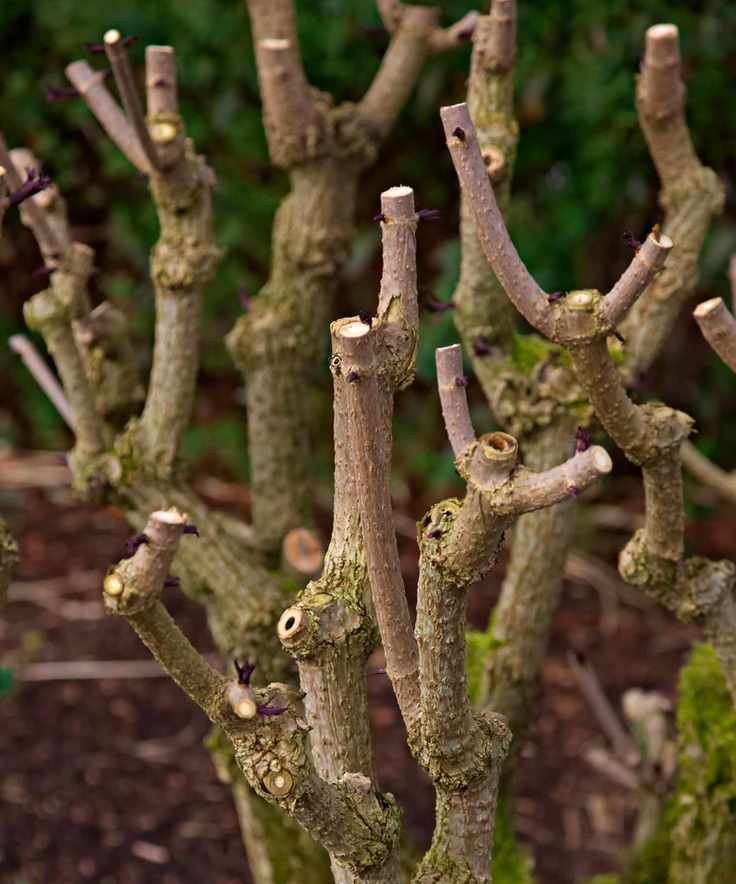
Elder can be pruned hard in early spring
Taking Cuttings from Elders
If you enjoy growing elder, propagating new plants is easy. Taking hardwood cuttings in late fall or early spring is effective when the elder is dormant.
Follow these steps for successful propagation:
- Select straight stems 9-12 inches long, without side shoots. Make an angled cut above the top leaf joint and a horizontal cut below the lowest leaf joint.
- Fill a large container with potting soil, tamping it down. Insert each cutting halfway into the soil, ensuring the cut angle indicates the insertion direction.
- Space cuttings 3 inches apart. Water until it drains out of the bottom, and place the pot in a bright, sheltered spot outdoors. Water during dry spells.
- As spring arrives, roots will develop, and new shoots will emerge. Carefully separate rooted cuttings and transplant them to their new locations.
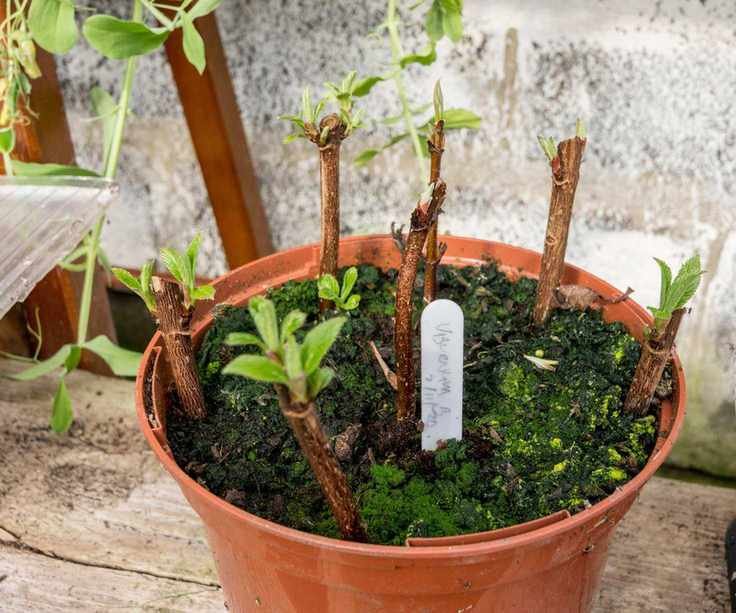
Hardwood cuttings taken in fall showing spring growth
Common Issues and Solutions
Growing elder is generally straightforward, with few issues. However, be aware of a few potential problems to ensure healthy growth and fruit production:
- Aphids: Watch for small black insects on stems and undersides of leaves, which can weaken the plant and spread disease. To manage aphids, introduce beneficial insects like lacewings and ladybugs, or spray with water to dislodge them.
- Root rot: Look out for wilting, yellowing leaves, or significant leaf drop. Root rot often stems from poor conditions, especially waterlogged soil. Propagate new plants and relocate them to better sites if rot occurs.
- Self-seeding: Birds often spread elder seeds, leading to unwanted seedlings. These can be relocated while small or removed entirely. Consider planting more elder for birds to enjoy.
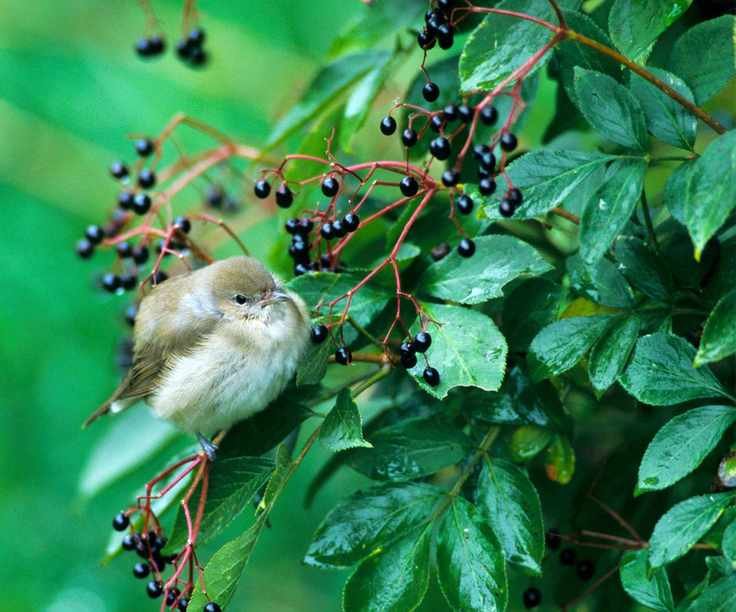
Birds like garden warblers can cause unwanted self-seeding
Where to Find Elders
For those eager to grow elder, many appealing varieties are available at local nurseries, garden centers, and DIY store garden sections. Recent varieties like Black Beauty, Black Lace, Black Tower, Laced Up, and Lemony Lace can be found in spring and summer.
A wider selection is available online, including wild types for conservation and edible-focused varieties. Plants can come in various container sizes, from tubes to larger pots. Check shipping fees before ordering to ensure a suitable purchase.
FAQs
Can I grow elder in a container?
Elder plants thrive in containers on decks or patios, but be mindful that they can grow large within a few years without regular pruning. Use heavy pots for stability in windy conditions, fill with fresh potting soil, and elevate for drainage. Water regularly and apply liquid feed in spring and summer.
Cut-leaved types like Black Lace look stunning in pots. Varieties like Lemony Lace are less vigorous and can thrive in bright light without scorching. Elders can be grown solely for foliage or pruned after flowering and again in late summer for a tidy appearance.
Which parts of elder are edible?
Both flowers and fruits are edible, depending on the variety. According to America's Garden Book, ripe fruits are perfect for jams, pies, and elderflower wine, while half-ripe berries can be used for jelly.
Look for cultivars like 'Adams', 'York', and 'Ranch' that are bred for fruit production.
Young leaves can be blanched for salads, and flowers can be used in fritters or summer cordials. However, avoid consuming uncooked or unripe berries, as they can cause nausea.
Are elder plants deer resistant?
If you're seeking deer-resistant options, elders typically fit the bill. Research from Rutgers University indicates that red elder (Sambucus racemosa) is 'Rarely Damaged', while blueberry elder is 'Seldom Severely Damaged'. The European elder (S. nigra) is also generally considered deer resistant.
Simple to cultivate and maintain, elders are an excellent choice for any garden, enhancing both aesthetics and wildlife habitats. Their adaptability to various soil types and the nutritional value of their berries make them a great addition. If you haven't yet considered planting one, now might be the perfect time to start.



