Kitchen Appliances
Maintaining your coffee maker is vital for enjoying flavorful coffee for years. While it may seem tedious, it's straightforward. Experts share their top tips for a clean coffee maker.
If you've chosen one of the top coffee makers, regular upkeep is key. This includes keeping the machine free from dust and ensuring the interior is scale-free and free of dried milk.
Many wonder if vinegar is suitable for cleaning a coffee maker. The answer is generally no. While vinegar may refresh some components, it can harm your machine in the long run.
Steps to Clean Your Coffee Maker
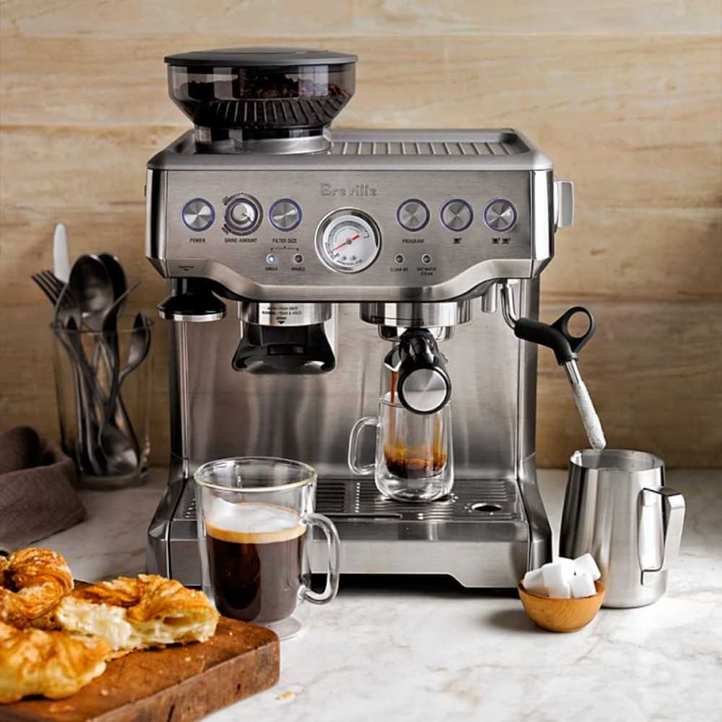
For the best flavor, here's how to clean various types of coffee makers, including drip and espresso machines, plus tips for specific parts like the water reservoir and carafe. Enjoy your morning brew with the weekend paper like never before.
Cleaning with Vinegar: A Caution
While vinegar cleaning is effective for surfaces, it's not ideal for appliances. Most coffee brands advise against using vinegar, as it can damage rubber seals and potentially void your warranty.
However, vinegar can be used in the water reservoir. Cleaning expert Joyce French notes, 'For some models with a built-in reservoir, you can run white vinegar through the machine, followed by water to clear any residue.'
'Lemon juice serves as a suitable alternative too.'
Cleaning an Espresso Machine
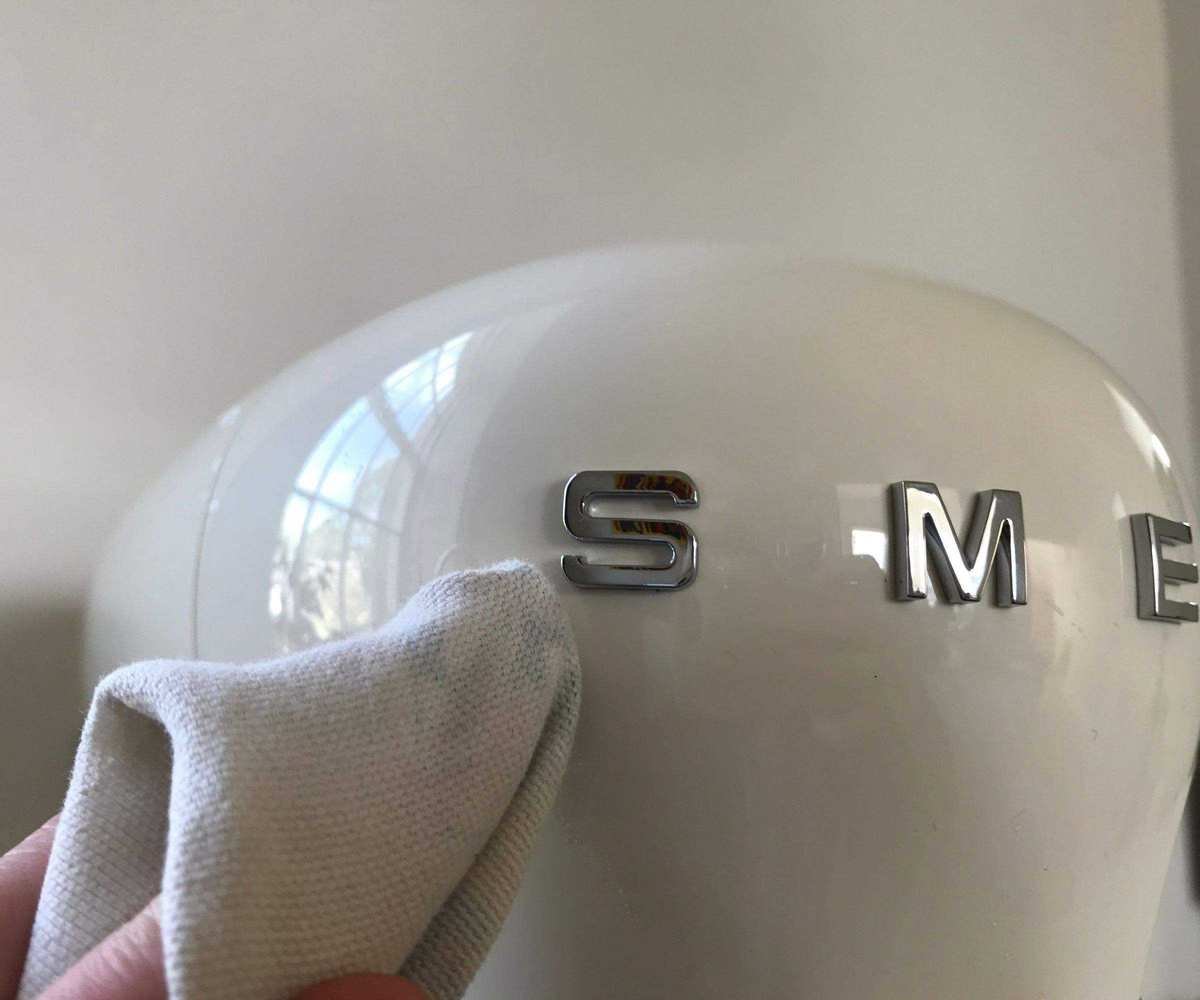
Cleaning an espresso machine is manageable.
Clare Edwards from a leading brand suggests, 'Run warm water over the portafilter for a quick clean. For deeper cleaning, soak the filter in a degreasing solution.'
Dave Cutler-Colclough, a coffee specialist, elaborates: 'Use a stiff brush around the shower screen and gasket in the group head, and you can apply specialized cleaning powder for espresso machines.'
Steps for Using a Chemical Cleaner:
1. Add 1/2 tsp of powder to a blank filter holder.
2. Insert it into the group and flush water for 10 seconds to build pressure, then release.
3. Repeat this process three or four times for backflushing.
4. Remove the handle and switch the blank filter for a regular one.
5. Run water through it for 10 seconds.
6. Repeat three or four times to rinse.
7. In a separate container, mix hot water with ½ tsp of the powder to soak the handle and filter basket.
8. Thoroughly rinse with clean water after removing old coffee oils.
Cleaning a Drip Coffee Maker
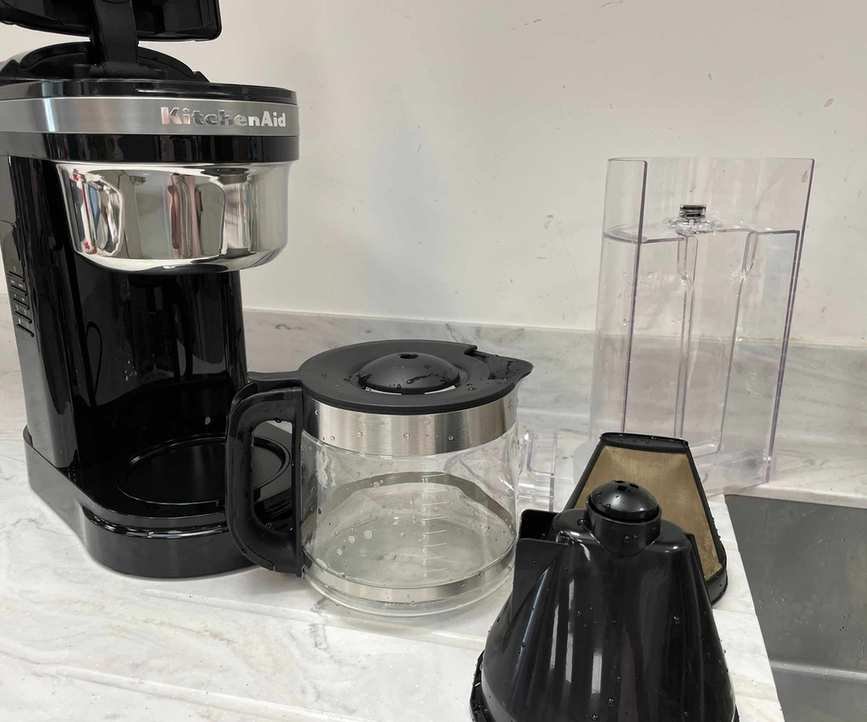
Drip coffee is made by pouring hot water over coffee grounds in a filter and collecting the brewed coffee below.
Clare Edwards notes, 'You can clean the drip filter by washing removable parts in hot, soapy water. This doesn't have to be done every single time.'
Similarly, Dave Cutler-Colclough suggests using hot, soapy water to clean the carafe and server to remove coffee oils.
Cleaning a Coffee Pot
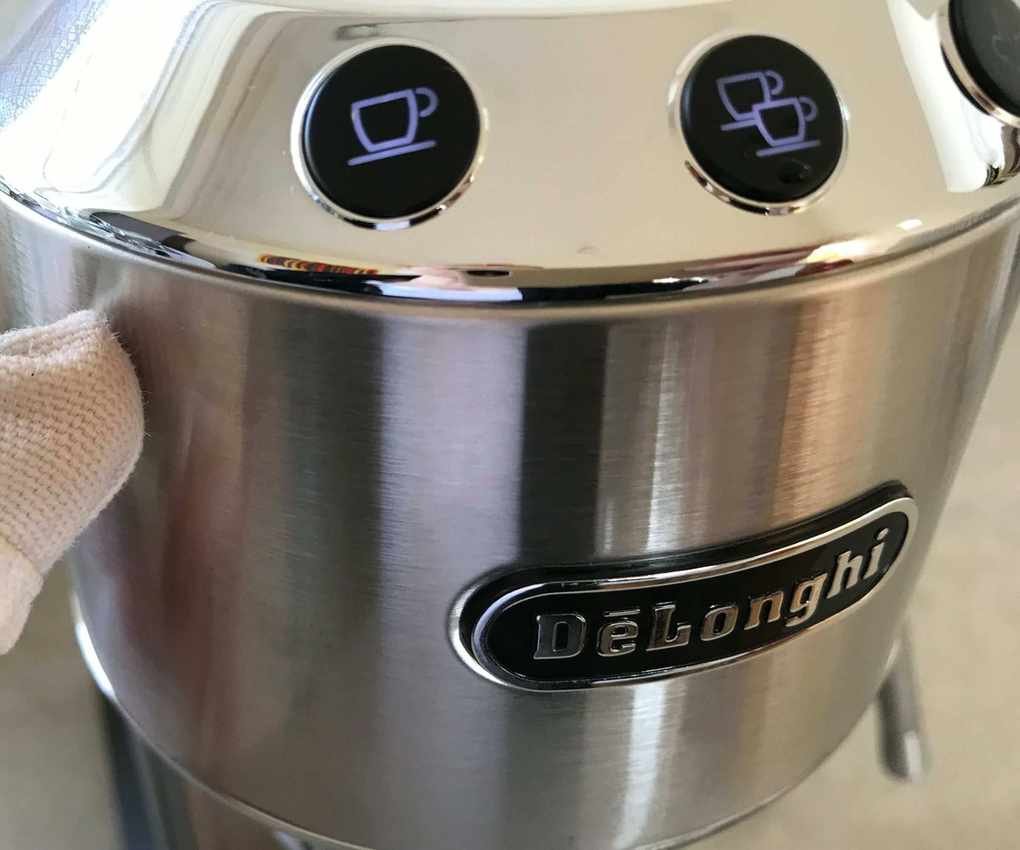
Got a dirty coffee pot? No worries! Dave Cutler-Colclough recommends using hot, soapy water for an effective clean.
Stainless Steel Coffee Pot Care
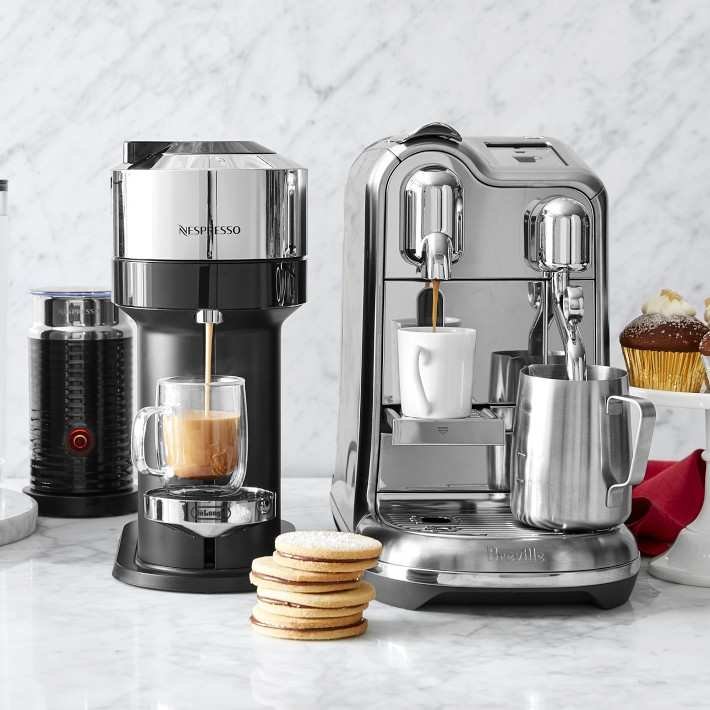
For stainless steel coffee pots needing a refresh, keeping them clean is simple.
Joyce French states, 'Regular washing with mild soap is key. Rinse well and let them dry completely to maintain their condition.'
For tougher stains, try a paste of baking soda and water for scrubbing or add baking soda to boiling water to loosen residue. Let it sit for about an hour. Avoid metal scouring pads that may scratch.
She adds, 'Dissolving a dishwasher tablet in hot water can also be effective.'
Always check the cleaning instructions for your pot and ensure it's stainless steel, as some methods may not suit all materials.
Water Reservoir Cleaning Tips
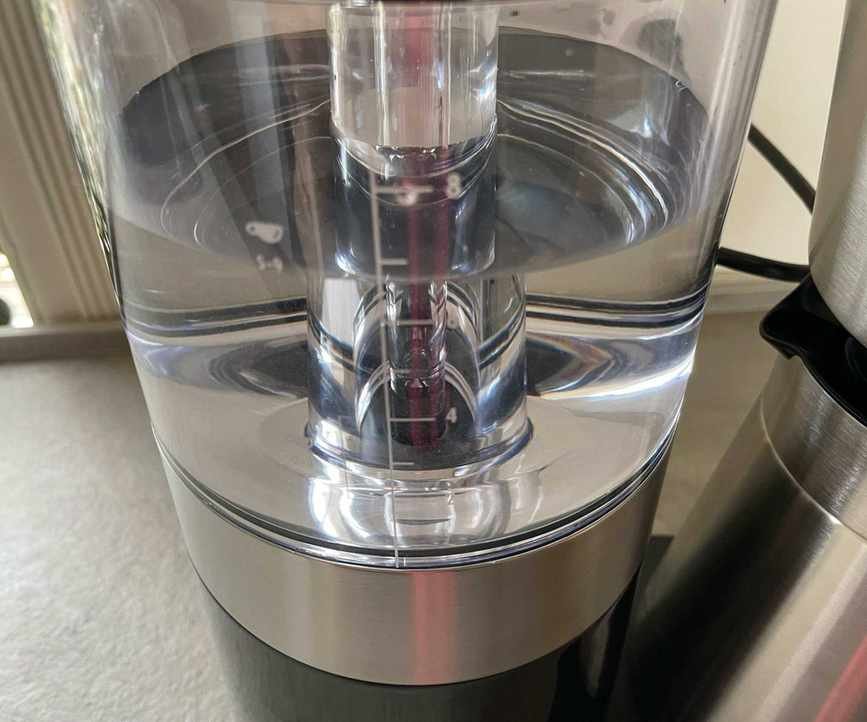
Before cleaning the water reservoir, consult your machine's manual for recommended methods. If no specific guidance exists, soapy water is a reliable choice.
Joyce French points out, 'The water reservoir often gets neglected but can accumulate limescale and bacteria.' Many modern machines feature removable reservoirs for easy cleaning.
Clare Edwards mentions that the water filter can be cleaned with hot soapy water and then rinsed thoroughly.
Specific Coffee Maker Cleaning Advice
If you need tailored cleaning advice for your coffee maker, our experts have resources to assist. Check out guides for:
- Cleaning a coffee percolator
- Cleaning a French press
- Cleaning a Cuisinart coffee maker
- Cleaning a Ninja coffee maker
- Cleaning a Keurig coffee maker
- Cleaning a steam wand
How Often to Clean Your Coffee Maker
'Cleaning frequency depends on usage and machine type,' says Clare Edwards. 'Espresso and drip machines require less frequent cleaning than bean-to-cup models. The latter should have its brew unit and waste area cleaned daily.'
As Joyce French explains, certain parts need more attention, especially steamers, which should be cleaned after each use. Blast steam through the spout and wipe it down to prevent clogs.
After each use, remove leftover coffee grounds to avoid mold growth. Many manufacturers recommend rinsing coffee makers after use and cleaning removable filters to prevent blockages.
Modern coffee makers often come with removable drip trays and baskets for easier cleaning. If used daily, rinse or wash these parts regularly to save time on buildup.
Descaling every three to four months can help keep limescale at bay, but those in hard water areas may need to do it more frequently.
Consult your coffee maker's manual for cleaning and maintenance tips to keep your appliance functioning well.
Signs Your Coffee Maker Needs Descaling
Some machines have a warning light indicating when descaling is necessary. If yours lacks this feature, look for signs like dripping outlets or white residue.
'Other indicators include strange noises or water not heating properly,' Joyce French advises. 'Follow your manufacturer's cleaning guidelines, as some methods may not suit your machine. Most models will provide specific descaling instructions to extend their lifespan.'
Some machines will alert you with a warning or light when descaling is due, but if not, mark your calendar for regular maintenance.
Consequences of Neglecting Coffee Maker Cleaning
Failing to clean your coffee maker can lead to coffee residue and limescale buildup, affecting performance and coffee flavor.
Cleaning the Milk Wand
Wipe the milk wand with a clean, damp cloth after each use. To clean it effectively, wrap the damp cloth around the wand and twist it before turning on the steamer briefly.
Next, learn how to recognize signs of mold in your coffee maker, from odd smells to strange-tasting coffee.