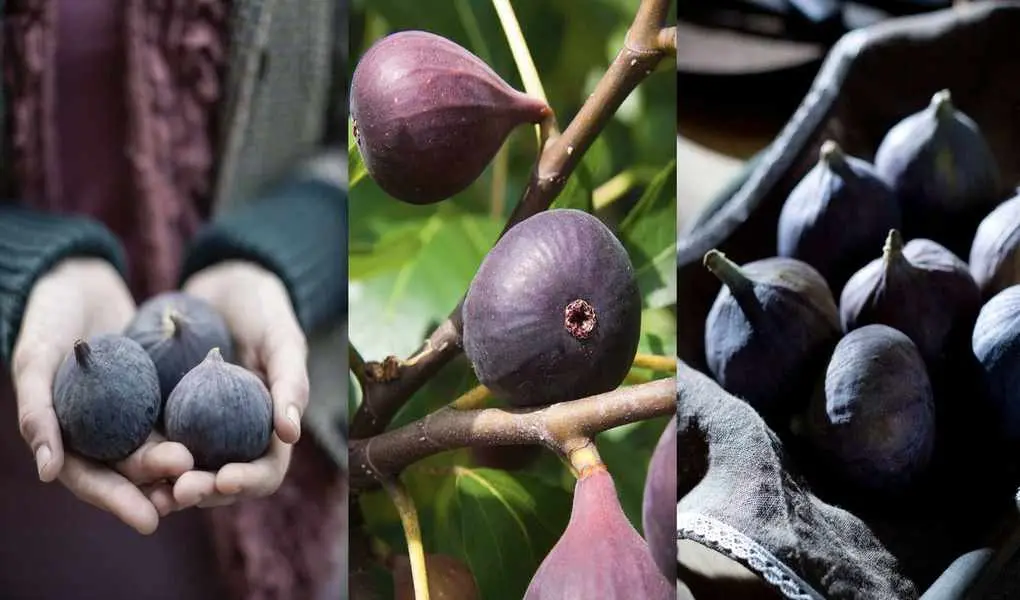
Harvesting figs is easy, allowing you to enjoy fresh fruit right from your garden.
Growing a fig tree depends on your preference; you can plant it in a container for easy winter storage or in a sunny spot for maximum growth and shade.
It usually takes two to three years for a fig tree to mature and produce fruit, but for enthusiasts, the wait is worthwhile. Fig trees are considered among the top fruit trees to cultivate.
Harvesting Figs
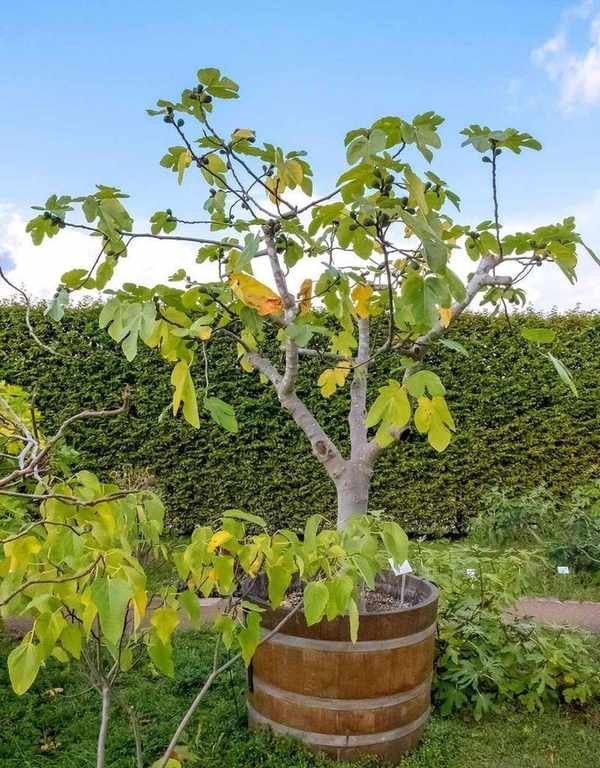
Figs grown outdoors in zones 6 and 7 typically ripen from August to September. In warmer zones 8 to 11, expect an earlier harvest starting in June. In hotter climates, two harvests may occur, one in June and another in August.
To ensure a fruitful yield, cover your fig tree with netting to deter birds and squirrels from feasting on the sweet figs.
According to horticultural expert Tom Petherick, using a liquid seaweed fertilizer every two weeks until fall significantly aids in fruit development.
Identifying Ripe Figs
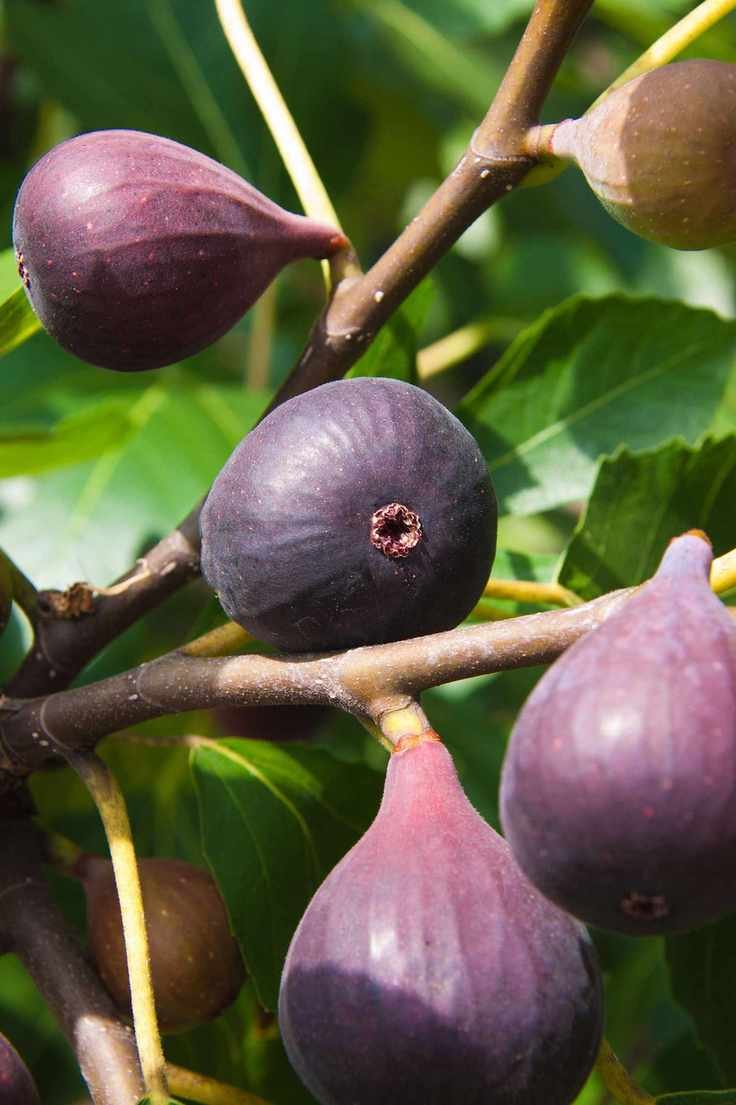
Understanding your fig tree's variety is crucial, as figs can vary in color from yellow-green to deep purple or brown when ripe.
You'll know the figs are ready to be picked when they start to droop, a sticky sap appears at the base, and the skin begins to crack, as explained by gardening expert Lucy Chamberlain.
To harvest, gently lift the fig; it should detach easily from the stem. If a milky liquid emerges, the fig isn't ready, so hold off for a few more days.
Since the sap can irritate skin, wearing gloves while harvesting is advisable.
Expected Fig Production
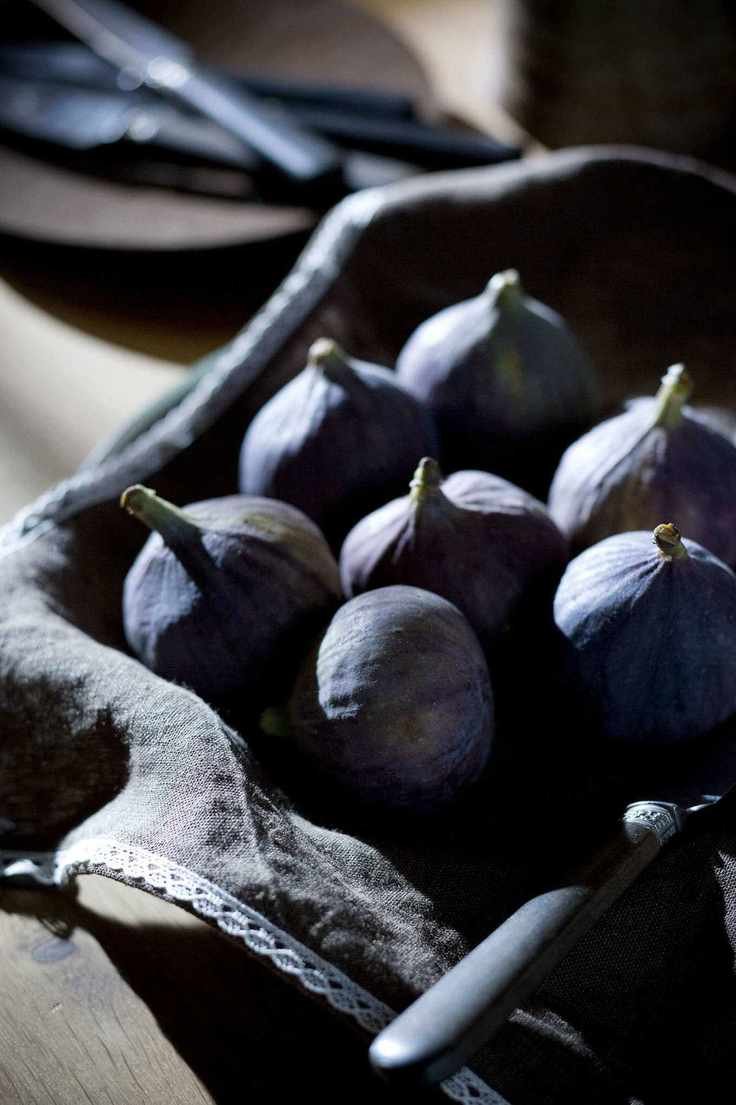
A fig tree around seven years old typically yields approximately 55 pounds (25 kg) of fruit, while older trees can produce even more. In contrast, a fig tree grown in a container may provide 2 to 3 pounds (1 to 1.4 kg) of fruit.
Learning how to prune a fig tree is essential for creating an ideal shape that promotes fruit growth. Trimming branches allows light and air to circulate, preventing rot and supporting fig formation.
Storing Figs
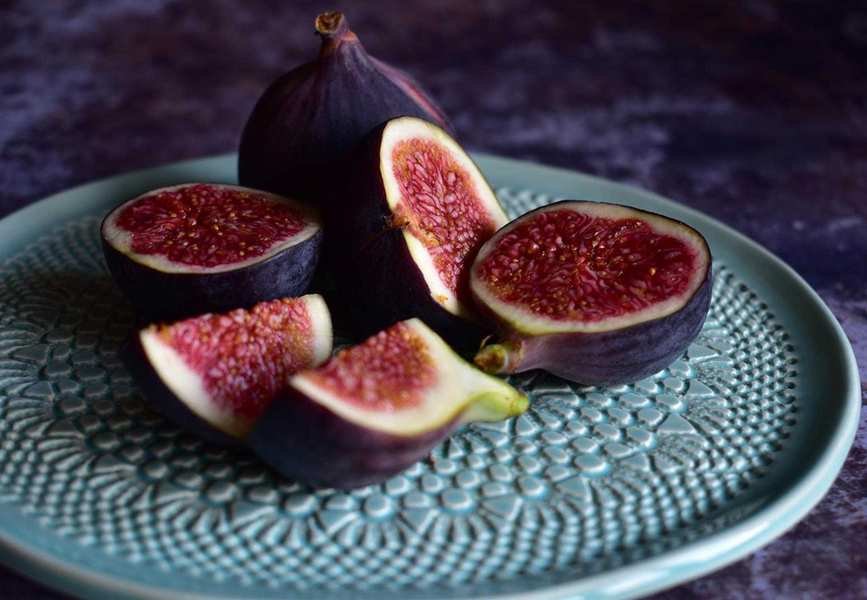
Figs are at their best when enjoyed shortly after picking, warm from the sun. They should be soft enough to bite into or tear apart easily. You can also slice them to display their vibrant interior.
If you have excess figs, they can be stored in the refrigerator for two to three days. For longer storage, dry them in a cool place for several weeks or use a food dehydrator; dried figs can last up to 12 months.
Best Practices for Picking Figs
To avoid bruising, handle figs minimally when picking. A ripe fig should detach easily from the stem. Be sure to wear gloves and long sleeves when harvesting, as some may have allergic reactions to fig latex.
Remember, figs do not continue to ripen after being picked, so wait until they are soft before harvesting.
Fruit Production Frequency of Fig Trees
Fig trees generally produce fruit once or twice annually. Don't expect fruit in the first year, but mature trees can bear fruit for many years. Experts note that fig trees remain fruitful for 12 to 15 years, though production may decline as they age, even though the trees can live much longer.