Your freezer is an essential appliance that operates around the clock. By steering clear of common pitfalls, you can prolong its lifespan and save on repair costs.
While freezers generally require minimal upkeep, certain behaviors can lead to damage. Overloading the appliance or placing it incorrectly in your kitchen can hasten the need for a replacement.
Experts in home appliances share their insights for maintaining your freezer's efficiency, whether you own a high-end model or a budget-friendly variant.
Three Major Mistakes to Avoid with Your Freezer
1. Skipping Regular Cleaning and Defrosting

Your freezer requires regular maintenance, just like any other part of your home.
You likely clean your refrigerator on a routine basis, but how often do you think about your freezer?
Glenn Lewis, president of Mr. Appliance, recommends cleaning your freezer at least once a year, or more frequently if conditions necessitate. You can use an all-purpose antibacterial cleaner, like Method Antibacterial All-Purpose Cleaner in Bamboo, available at Walmart, along with a microfiber cloth. Alternatively, for a more eco-friendly approach, consider cleaning with vinegar.
Glenn stresses that maintaining your freezer helps prevent issues that could quickly escalate into a need for replacement.
"Neglecting maintenance will cause the condenser to accumulate dust and lint," Glenn notes. "The fan and compressor will constantly run to cool the refrigerant, which can lead to quicker wear and improper temperature maintenance, putting your food at risk. Plus, your energy bills will be higher than necessary."
A crucial maintenance step is regularly defrosting your freezer.
David Miloshev, an appliance technician and licensed electrician, points out that while some models feature Frost-Free technology to prevent ice buildup, many require manual defrosting, a task often overlooked.
Failure to defrost can lead to excess ice accumulation, blocking drawers and forcing your freezer to consume more energy. This is not the way to cut energy costs.
Fortunately, you can defrost your freezer without shutting it down, which David insists should always be done once ice thickness exceeds three centimeters.
When defrosting, avoid using sharp objects to chip away at ice, as this can damage the liner. "Creating a hole in the liner allows moisture to enter, leading to more ice formation," he explains. Make sure to reset your freezer to the right temperature before restocking it.
All prices were correct at the time of publication.
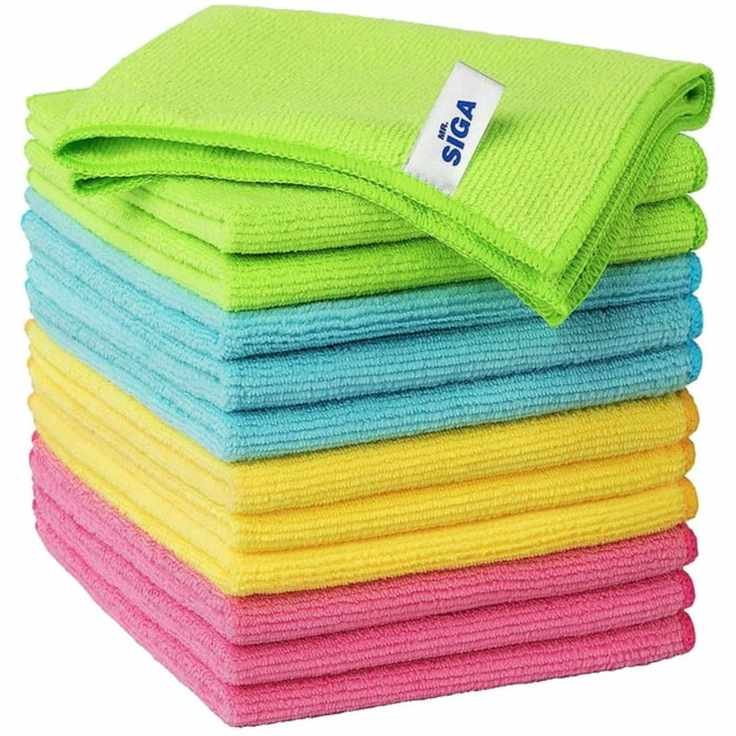 Machine washable
These versatile microfiber cloths are excellent for dusting and cleaning throughout your home, as they are highly absorbent, lint-free, and washable.
 100% vegan formula
This all-natural cleaning spray is a great choice for those who prefer to avoid harsh chemicals around food.
 Multi-surface solution
Crafted from natural ingredients, this plant-based cleaning spray utilizes vinegar to freshen your home.
2. Overstuffing the Freezer

While it's tempting to fill your freezer to capacity, doing so can cause significant damage.
Similar to the worst mistakes for your fridge, cramming your freezer too full can hinder its freezing capability, according to Adam Bushell, director of AB Electrical & Communications.
"Packing it to the limit restricts airflow," he warns. "This makes it challenging for the freezer to maintain consistent temperatures. When air circulation is blocked, food may freeze unevenly, and the appliance has to exert more effort to operate efficiently." This is a fundamental rule that those with organized freezers understand well.
To optimize airflow, Adam suggests maintaining space between items in your freezer. When organizing your freezer, there are numerous storage hacks to maximize your space. For instance, Adam recommends stackable bins, like the Freezer Organizer Bins available at Amazon, to facilitate better circulation. These bins are also effective in chest freezers.
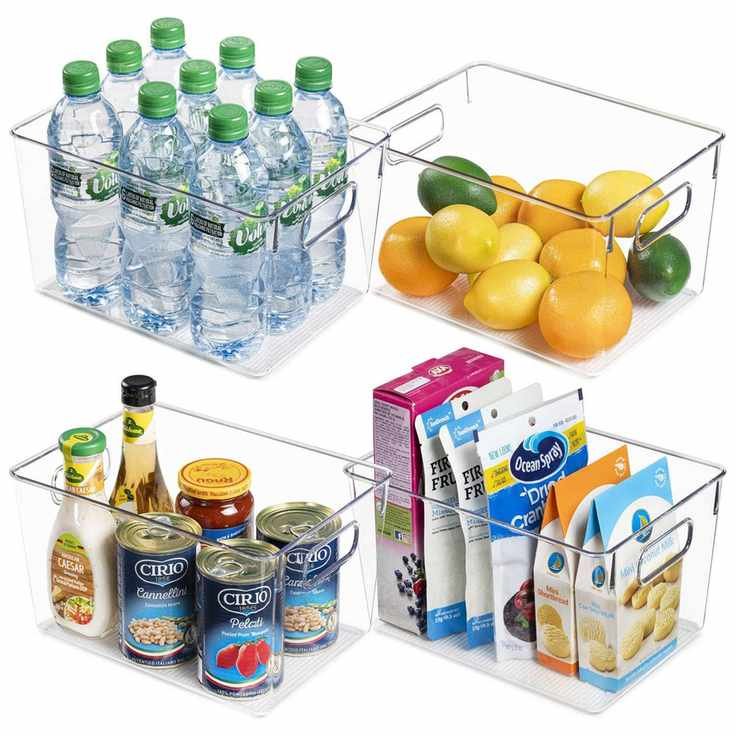
These stackable bins featuring handles make it easy to access all your items, suitable for both your fridge and freezer.
3. Incorrect Placement

Where you place your freezer is more important than you might realize.
You may not have considered it, but just like with refrigerators, the placement of your freezer matters greatly.
Adam points out that one of the biggest mistakes is positioning your freezer in an area that is too warm. "Many people mistakenly put their freezers in spots exposed to direct sunlight or near heat sources like ovens or heaters. This forces the freezer to work overtime to maintain a low temperature, which reduces its efficiency and can lead to overheating of the motor."
This could also be increasing your energy costs, making it harder to reduce expenses at home. Therefore, relocating your freezer to a cooler area is a worthwhile maintenance task.
"Position your freezer in a cool, dry location away from heat sources," Adam advises. "If you're uncertain about the best placement, refer to the manufacturer's guidelines for optimal positioning."
Meet Our Experts

Glenn has served as president at Mr. Appliance since 2024, leading North America's top appliance repair franchise.

As a licensed electrician, David possesses valuable insights into common appliance mistakes to avoid.

With over ten years of experience in the energy sector, Adam specializes in electrical work and renewable energy, focusing on home appliances like freezers.
Are you aware of which items should never be stored in the freezer? Certain foods, such as leafy greens and dairy products, can become inedible when exposed to freezing temperatures.