How do I manage to travel frequently? I've shared my money-saving strategies and ways to reduce expenses. During my 7-month journey through Latin America, I tracked every dollar spent and detailed my experiences. Full transparency is key. Travel can be more affordable than you imagine.
I initially avoided Iceland due to perceived high costs, expecting my trip to be extraordinarily expensive. Surprisingly, I spent less than anticipated, primarily because I stayed with friends, camped, and occasionally slept in my rental car. To help you budget, I've provided typical accommodation costs below. Here's a summary of my trip expenses:
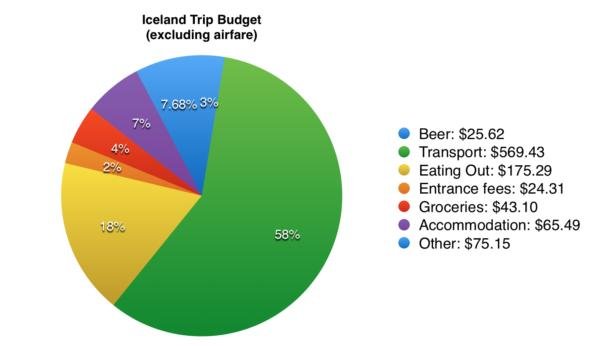
Total Expense for 10-Day Iceland Trip (airfare not included): $978.38 USD
Expense Breakdown
Transport
I rented a 2WD car for $347.28 over three days and spent $192.61 on gas (which is quite pricey at $6/gallon!). This total includes gas I shared with a friend during a drive in his vehicle. Additionally, I took a bus to the airport and a ferry to an island nearby. My roundtrip flight from Austin, Texas to Iceland cost $1,050 USD. I flew from Boston to Reykjavik with Iceland Air for $750 and traveled in Boston and NYC afterward.
Food & Accommodation
Dining out cost me $175.29. I mainly ate at a few restaurants and hostels in Reykjavik and Akureyri, while most meals consisted of ready-made sandwiches from cafés and gas stations. This wasn't ideal, but I prioritized photography over long meals. I spent an additional $43 at grocery stores when available and $25 on six beers over ten days—five from a bottle shop at $4 each, and one at a bar for $9.
Since I stayed with a friend, my accommodation costs were minimal. Hostels typically range from $40-50 USD per night, excluding bedding and towels. Camping costs about $10-15 nightly. Kex Hostel in Reykjavik has a lovely atmosphere and an excellent breakfast buffet. (Pre-paying the night before saves you $4.)
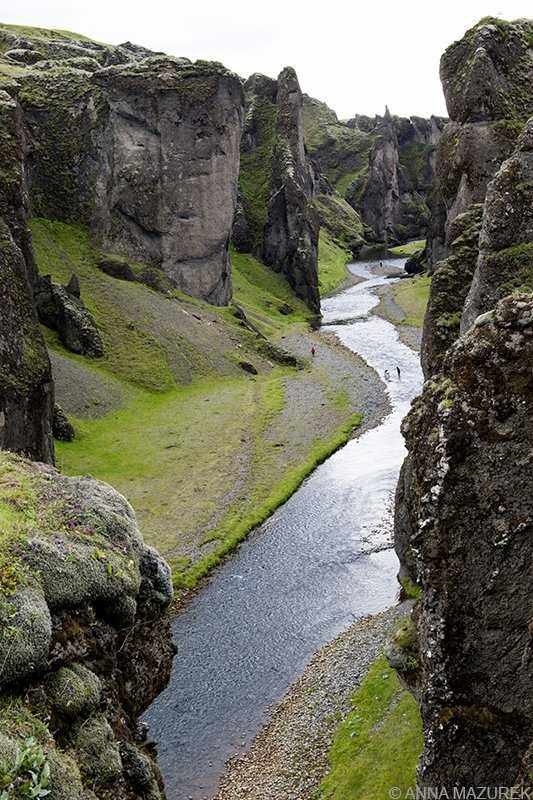
My favorite location in Southern Iceland was Fjaðrárgljúfur.
Best Time to Visit Iceland
First, determine what you want to experience in Iceland and plan accordingly. Summers offer nearly constant daylight with sunrise around 4:30 a.m. and sunset at 11:30 p.m., while winters feature only five hours of sunlight.
Northern Lights: September to mid-April
Puffins: April through September
Ice Caves: November to March
Money-Saving Tips
- Reykjavik City Card. This card provides free access to most museums and discounts on various attractions. Costs range from $30-47 and are valid for 24-72 hours.
- Camping. Hostels charge around $40-50 per night, while campsites are $10-15. Some places have high fees for showers—like Skaftafell, which charges $5 for just five minutes! Be cautious about camping in winter without proper gear.
- Shower at public pools. Every Icelandic city features geothermal public pools, costing about $6-8 to enter, which is more affordable than pricey showers. These pools often include gyms and saunas, with some even offering water slides!
- Consider sleeping in your car. I spent two nights in my rental car. There are gravel lots along scenic routes where many people camp or sleep in their vehicles. While main attractions may not allow overnight parking, smaller lots are typically fine. This option is less advisable in winter.
- Buy groceries. Preparing meals at campsites or hostels can significantly cut costs. I often grabbed pre-made sandwiches and yogurt. Skyr yogurt is a must-try!
- Indulge in breakfast buffets. Many hostels offer breakfast buffets with cold cuts and cheeses, allowing you to pack sandwiches for lunch. Two meals for the price of one!
- Avoid gas station food. It's overpriced. Every town has a grocery store with better prices.
- Pay with local currency. Many establishments allow payments in your home currency (or USD), but you'll pay a 5% markup! Always opt for local currency. I had to pay in Euro for my rental car, which ended up saving me about $25 due to favorable rates.
- Purchase alcohol at duty-free upon arrival. Beer costs around $9 in restaurants but only $4 in bottle shops. Limit your drinking or stock up when you land! Hostels often have happy hour specials with $4 beers.
- Don't pay for Wi-Fi. Free Wi-Fi is available everywhere. Harpa, Reykjavik's concert hall, offers complimentary access, and most tour buses do too.
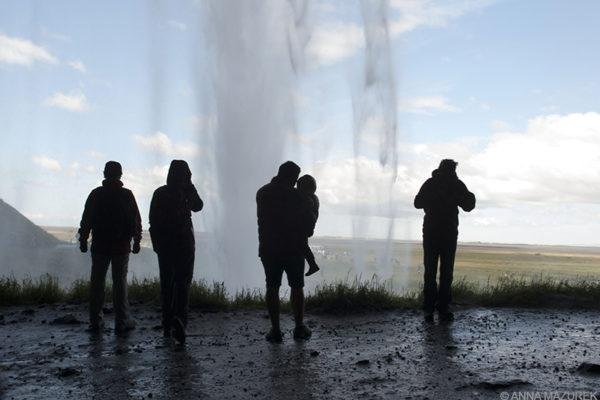
Bring rain gear to experience the view from behind Seljalandsfoss waterfall!
Essential Packing List
- Snacks. I filled my suitcase with granola bars and nuts. Next time, I'll add dried fruit!
- Sleeping bag. Choose a warm, compact sleeping bag. I borrowed a friend's, which was cozy but bulky. Hostels charge extra for sheets—it's quite outrageous.
- Waterproof rain gear. Invest in a quality rain jacket and backpack covers. I bought $20 rain pants at Academy Sports that worked perfectly! Keep a plastic pouch for your bag, as I found it handy for protecting my backpack and camera gear during downpours.
- Hiking boots. This trip was my first time bringing hiking boots, which proved invaluable in rainy conditions and near waterfalls. As a runner, I usually opt for running shoes, but the boots made a significant difference.
- Towel. If you don't stay in a hotel, you'll need to rent a towel. I recommend quick-dry towels for convenience.
- Camping gear. It's worth paying to check an extra bag to bring your own equipment, as renting in Iceland can be expensive.
- Tripod. For winter visits to photograph the northern lights, a compact tripod is essential. I didn't pack one since my trip was in summer.
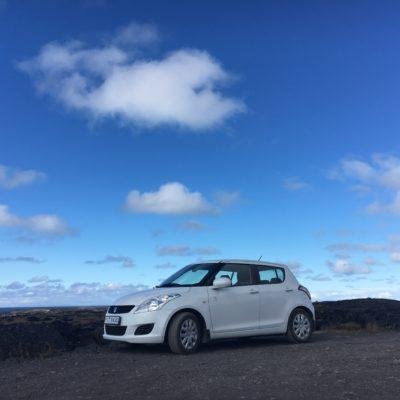
Meet Sophia, my rental car for the Iceland adventure!
Where to Spend a Bit More
Renting a Car
Driving is the best way to explore Iceland. While buses operate, they only run once or twice daily. Hitchhiking is safe, but it's risky if you're short on time.
I rented a 2WD Suzuki Swift, the most affordable option, from Route 1 Car Rental, which was the cheapest rental service in Iceland. They provided complimentary pick-up and drop-off. My top tip: Opt for full insurance coverage on your rental! This includes gravel damage, which is essential since many exciting spots are accessible via rough roads. (FYI for Americans: Your personal insurance won't cover rentals in Iceland!)
Wow Air vs. Iceland Air
Wow Air offers incredibly low fares to Iceland, but they charge high fees for checked bags based on weight and dimensions. You're allowed only one carry-on bag, with strict size and weight limitations. This was a deal-breaker for me, as I couldn't securely pack my camera equipment in such a small bag. If you plan to bring camping gear, check their baggage fees (it was $88 each way for a checked bag and carry-on). I ultimately chose Iceland Air, paying $150 more, which included two carry-ons and two free checked bags. Iceland Air also offers complimentary stopovers on flights to Europe, making it a great option.