A pergola can truly enchant any outdoor area. When adorned with fragrant flowers, lush foliage, and perhaps twinkling lights, it becomes a cozy and romantic retreat.
The straightforward structure of posts and beams serves as an excellent way to create shade and a welcoming atmosphere over a terrace or patio, forming a delightful outdoor space for lounging or dining. Pergolas can also enhance a walkway, providing a shaded path while serving as an aromatic entrance to another section of your garden.
While climbing roses, wisteria, and jasmine are popular choices for pergolas, we'll explore several fast-growing climbers that will quickly envelop your structure, combining vibrant colors and delightful scents.

Understanding Pergolas
A pergola is a charming outdoor feature that has roots dating back to Ancient Egypt and became popular in Roman times, often attached to buildings and supported by pillars or columns.
The term originates from the Latin word for a projecting eave – pergula. Traditionally made from materials like brick, stone, and wood, today's modern pergolas are often crafted from premium aluminum and fiberglass, like this wall-mounted kit from Pergola Kits USA.
Here are eight of the finest climbing plants to adorn your pergola for swift coverage and a romantic vibe.
1. Bougainvillea
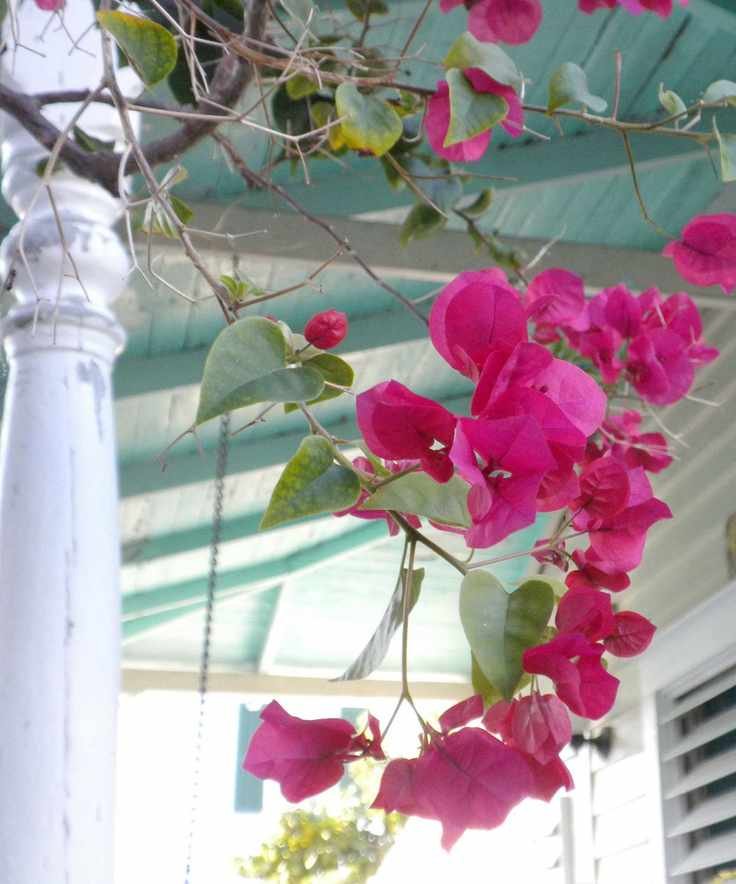
'Bougainvillea is an exquisite yet often overlooked choice for pergolas,' shares horticulturist Matthew Wilson. 'With its colorful bracts surrounding small white flowers, it adds a tropical flair to your garden. Thriving in warmer climates (USDA zones 8-10), it blooms year-round and requires minimal upkeep.'
This sprawling evergreen can reach over 20 feet high. It thrives in full sun and well-drained acidic soil, flowering in spring, summer, and fall, although it benefits from late summer pruning. Be cautious of its thorny stems and wear gloves while pruning.

As a horticulturist and CEO at handygardeners.com, Matthew has dedicated over a decade to transforming neglected gardens into stunning, functional spaces, and he's eager to share his insights.
2. Akebia
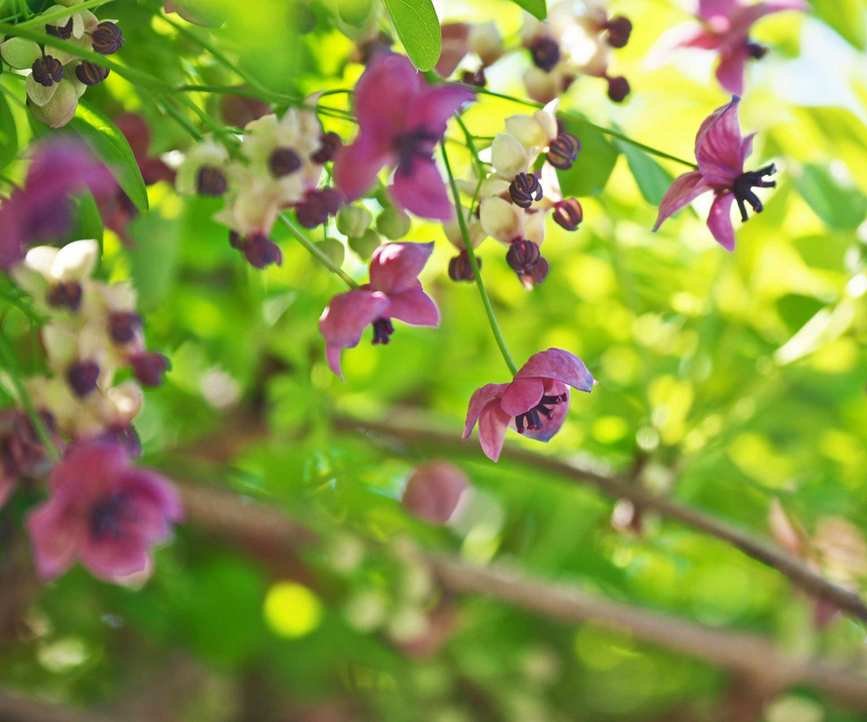
This semi-evergreen vine, known as the chocolate vine, derives its name from its purple-brown flowers and sweet chocolate scent. It ranks among the top plants for climbing a pergola.
'Akebia features delicate, fragrant blooms and appealing foliage. Fast-growing yet adaptable, it thrives in various conditions,' states Matthew. 'Suitable for moderate climates (zones 5-7), it endures cooler temperatures with some winter protection needed from late frosts, but it can be a long-lasting beauty.'
Reaching heights of up to 40 feet, Akebia prefers sandy, loamy soil that is moist yet well-drained. It flourishes in full sun or partial shade and blooms from March to May, producing eggplant-like fruits in late summer, with leaves that can be used to brew tea.
3. Passionflower
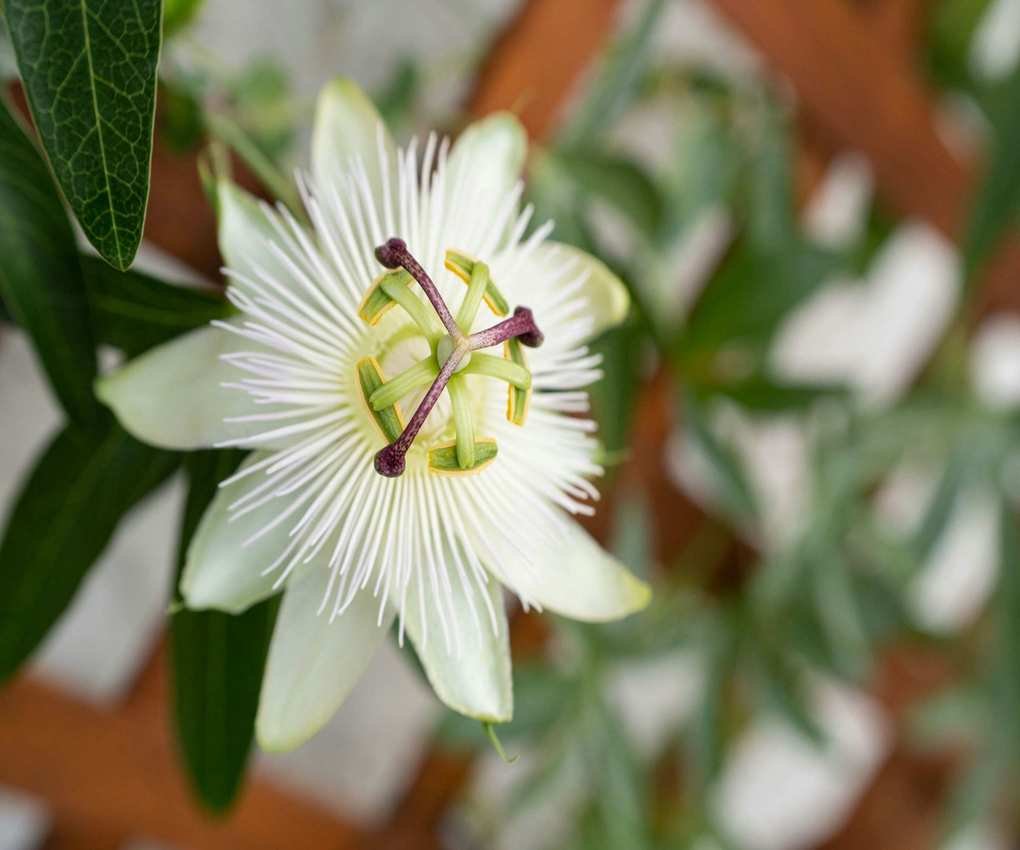
For rapid coverage of your pergola, passionflower will soon envelop it in intricately designed blossoms.
'This is one of the fastest-growing vines ideal for climbing a pergola,' explains Nathan Thorne, an online flower retailer. 'It thrives in USDA zones 6-10, where the climate is warm to temperate.'
Numerous passionflower varieties yield edible fruits. The Passiflora incarnata, often called 'maypop', gets its name from the sound the fruit makes when stepped on. These tendril-bearing vines are renowned for their eye-catching flowers, showcasing a colorful mix of petals, corona filaments, and stigma.
Plant in moist, well-drained soils either in full sun or partial shade. Passionflower blooms from mid-summer to early fall, although each flower lasts only a day. Regular pruning is essential to maintain control over its growth.
Starter plants for passionflower can be found at Walmart.

Nathan serves as a horticulturist at Handyflowers.com. His extensive plant knowledge allows him to provide expert advice on what thrives in various regions across the U.S., transforming your yard into a botanical wonderland.
4. Hops
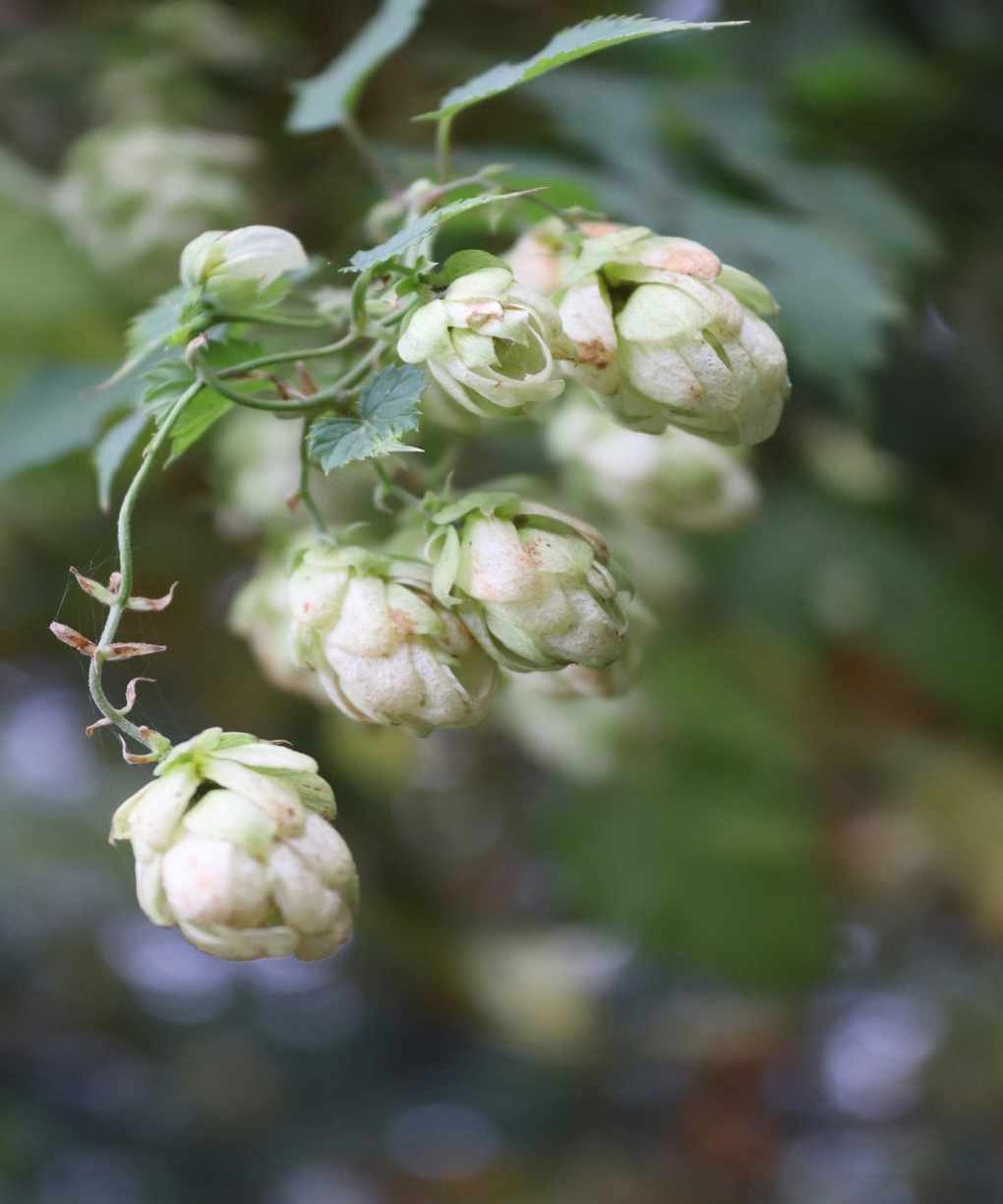
If your pergola serves as a space for dining or drinking, consider surrounding it with hops, a key ingredient in your favorite beverages. Humulus lupulus can help you create your own beer garden.
'Beyond their role in brewing, hop plants provide excellent shade and delicate blooms. Their green cones, which are the fruit, add texture to your pergola,' notes Nathan. 'Hops grow rapidly in hardiness zones 3-8, and their fruit persists through winter, taking on a brown hue.'
Hops bloom from June to July, producing male and female flowers on separate plants; it's the female that bears the fruit. They require significant sunlight, needing up to 12 hours a day, and thrive in well-drained soil, with twisting stems—known as bines—growing between 20 and 30 feet long, equipped with stiff hairs to cling to a trellis or pergola frame.
5. Climbing hydrangea

Famous for their large, rounded flowers in pink, blue, and white, hydrangeas primarily grow as dense bushes. However, a climbing variety is perfect for adding understated elegance to a pergola and flourishes in shaded areas.
Climbing hydrangeas, or Hydrangea petiolaris, are perennials that thrive in well-draining soil within USDA hardiness zones 4-8. They bloom in spring and summer, showcasing vibrant dark green leaves that turn yellow in the fall, which drop off in winter to reveal the vine's textured bark. Keep your pruners handy, as this climber can reach heights of 50 feet once it begins to grow.
You can cover your garden features with flowers, even in shaded spots, using a climbing hydrangea from Nature Hills.
6. Trumpet vine

As the name suggests, the flowers of this deciduous vine resemble trumpets, with narrow, tubular shapes that flare out at the ends like a musical note.
'The trumpet vine is a stunning plant with clusters of orange and scarlet flowers and lush green foliage,' states Dennis Sons, owner of TN Nursery. 'It's a striking choice that attracts wildlife like hummingbirds and bees. It requires minimal maintenance and thrives in dry areas.
'This vigorous perennial can be left to grow freely once established in sandy, clay, or well-drained soil. While it prefers full sun, it can also tolerate partial shade, offering a vibrant display during summer blooms.
However, be cautious, as it's also known as the trumpet creeper and can be invasive in some regions, so regular pruning is essential to maintain control.
For a splash of color, consider the First Editions Atomic Red from Nature Hills.
Dennis SonsAs the CEO of America's largest native online plant nursery located in the nursery capital of Mcminnville, TN, Dennis is always eager to share gardening tips and insights.
7. Virginia creeper
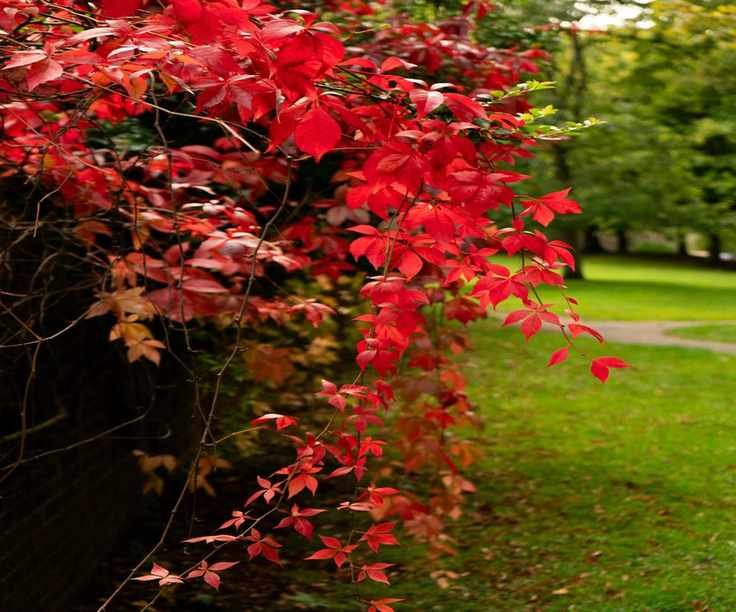
The fall foliage of Virginia creeper, also referred to as woodbine, outshines its spring flowers. The deciduous vine features leaves with five leaflets that transition from green to crimson in a stunning pre-winter display.
'This native plant is often disregarded in landscaping, yet it offers beauty,' remarks Dennis. 'It is a stunning evergreen, ensuring your pergola remains lively even in the coldest months.
'In autumn, its leaves turn a vibrant orange to bright scarlet. Thriving in zones 3-9, it grows rapidly, so your pergola will be lush in no time. It only requires trimming in spring and fall.'
Virginia creeper clings to supports with sticky, disk-like appendages on its tendrils, making it tricky to remove from walls; thus, it's best attached to a trellis.
It flourishes in full sun but also tolerates shade, thriving in sandy, clay, or loamy soil. In late spring, it produces greenish-white flowers followed by dark blue berries that are toxic to humans but enjoyed by birds.
8. American bittersweet

This vigorous native vine, as its name suggests, shines in fall when adorned with clusters of small orange berries.
For adventurous gardeners, American bittersweet can thrive in USDA hardiness zones 4-9, showcasing vibrant orange-red berries that persist through winter, offering year-round interest.
Its vigorous growth demands careful pruning, but the autumn display can transform an ordinary pergola into a stunning focal point.
It prefers full sun and can endure both moist and dry conditions, making it drought-tolerant and suitable for moisture-conscious landscapes. It also withstands urban pollution, thriving even in inner-city gardens.
If you envision climbing plants cascading over your pergola, consider creating an outdoor haven by incorporating climbers with edible fruits. Grape vines can be trained over pergolas and arches to create an ideal setting for socializing and enjoying meals. You can learn more in our guide to cultivating your own grapes.