
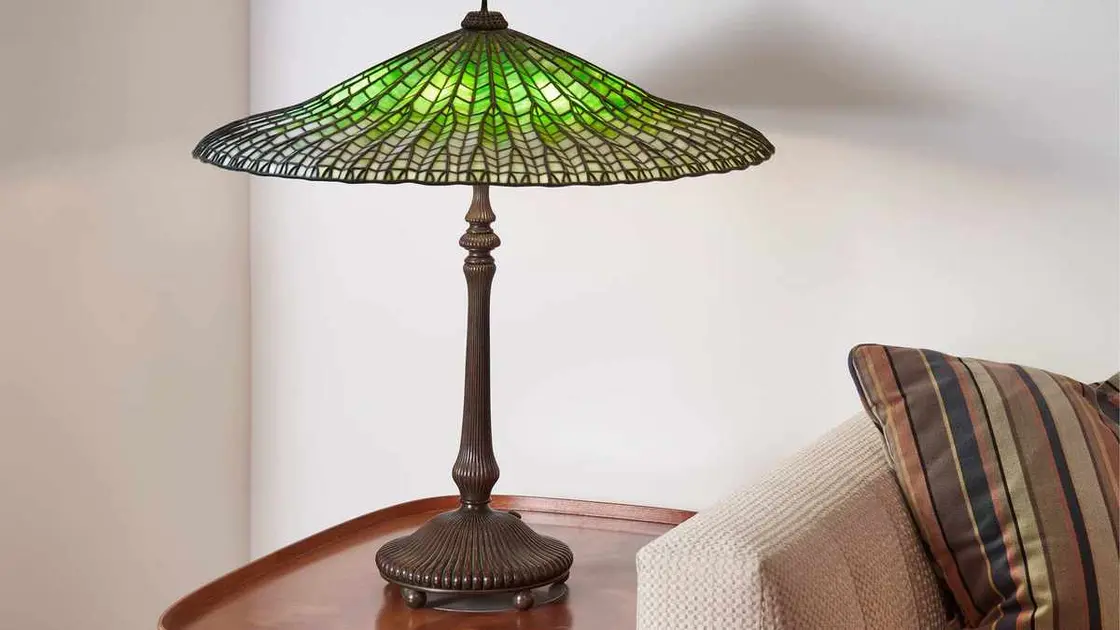
Mosaic-style Art Nouveau lamps from Tiffany Studios can set you back as much as a luxury handbag—often exceeding a million dollars at auction. These iconic pieces are showcased in the American Wing at the Met and the New-York Historical Society. Crafted around 1895 by stained-glass artist Louis Comfort Tiffany, this vintage lighting trend feels refreshingly relevant in 2026, perhaps as a reaction against the bland minimalism of recent years.
This resurgence in vintage aesthetics crystallized for me at the Winter Show, a prestigious American art and antiques fair at the Park Avenue Armory.
During the Young Collectors Night, a vibrant gathering of art enthusiasts and philanthropists, I was surrounded by discussions on early Victorian jewelry and 19th-century wooden tables. Among the 75-plus distinguished dealers and a talented illustrator who captured my unconventional organza gown (the theme was 'Deconstructed Beauty'), I witnessed an impressive array of original Tiffany lighting—more than I had ever encountered in one venue.
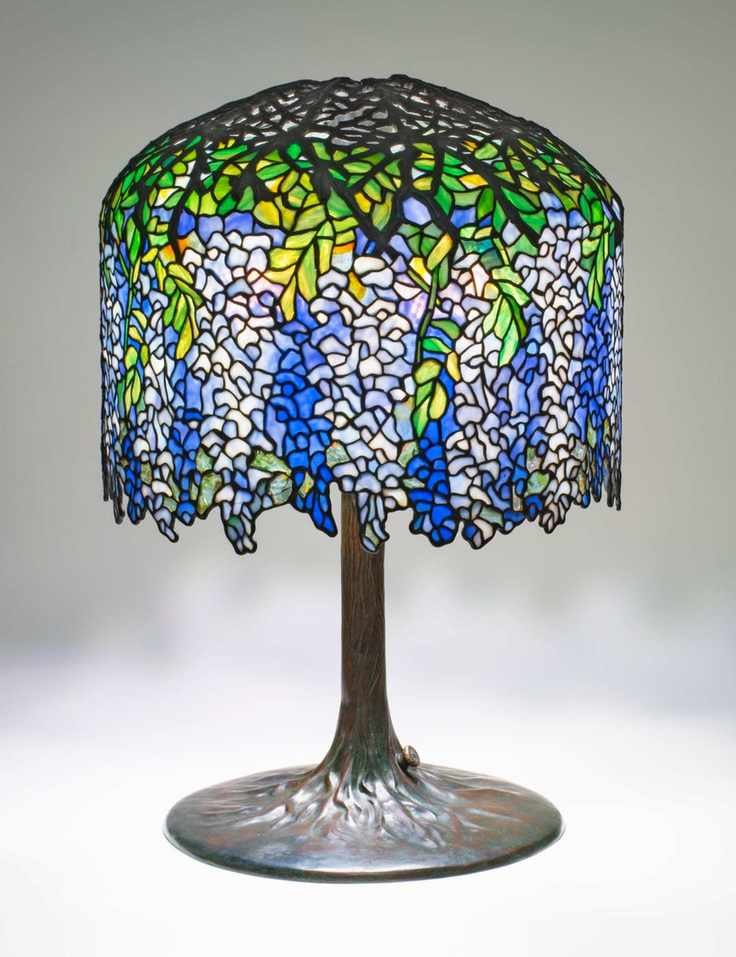
Tiffany's designs, especially the Wisteria lamp, are not merely decorative; they form an entire visual language. This design, for example, inspired the stunning purple florals that filled the stained-glass windows of his residences, including his Madison Avenue mansion and Laurelton Hall in Oyster Bay.
These masterpieces were presented by Lillian Nassau LLC, a legendary New York gallery founded in 1945 that played a crucial role in reviving interest in Tiffany Studios' works, from lamps to Favrile glass.
'Interest in Tiffany Studios has been building for decades and is now flourishing,' shares owner Arlie Sulka. 'As society leans towards automation and screens, many seek handcrafted items that embody human skill and craftsmanship, which require time and energy to create.'
The iconic and labor-intensive Wisteria Lamp, produced between 1902 and 1932, features over 1,000 pieces of mottled opalescent glass arranged in cascading clusters of wisteria blossoms. The base, richly finished in bronze, resembles a tree trunk, with one lamp fetching $1.5 million at Sotheby's.
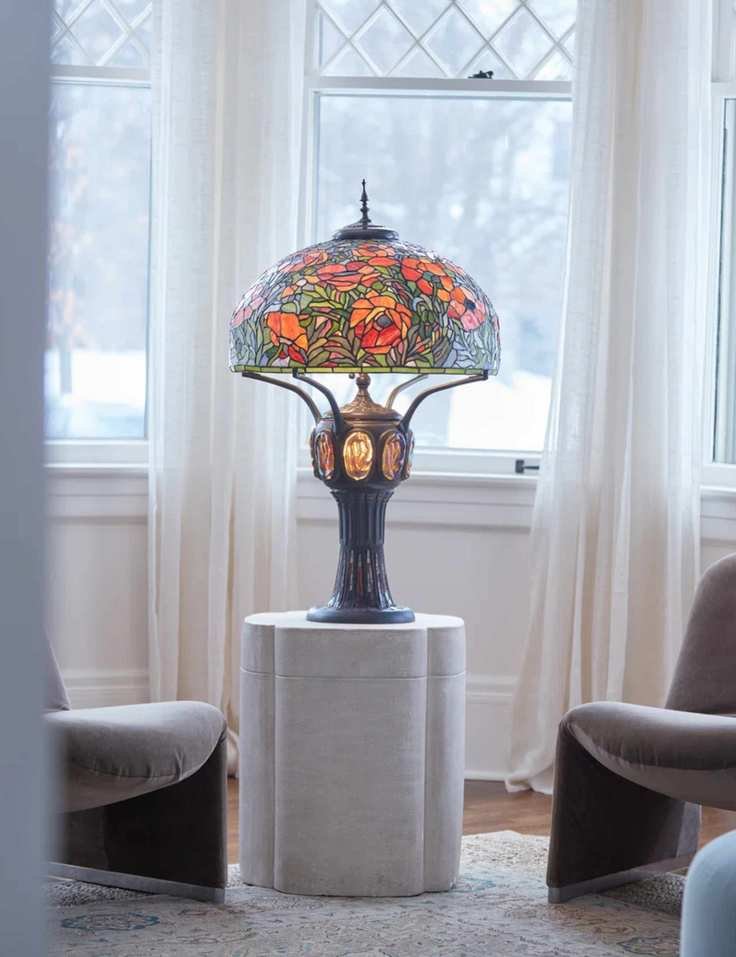
Masterfully crafted reproductions, like this botanical design by River Goods, offer a taste of Tiffany-style beauty.
Originally designed in 1900 by Clara Driscoll, who led the Women's Glass Cutting Department, this lamp has been endlessly replicated and referenced—not just for its opulence, but for its vibrant colors and intricate designs, which resonate even more in 2026. After years of equating 'good taste' with minimalism, this kind of handcrafted exuberance reminds us that beauty can be bold and alive.
'They are all undeniably beautiful and well-crafted, which makes them collectible. Their connection to nature also offers soothing qualities, and we hope that others feel similarly when incorporating them into their homes,' Arlie adds. 'Studies show spending time in nature relaxes the nervous system, so Tiffany's designs may help bring that calming energy indoors year-round.'
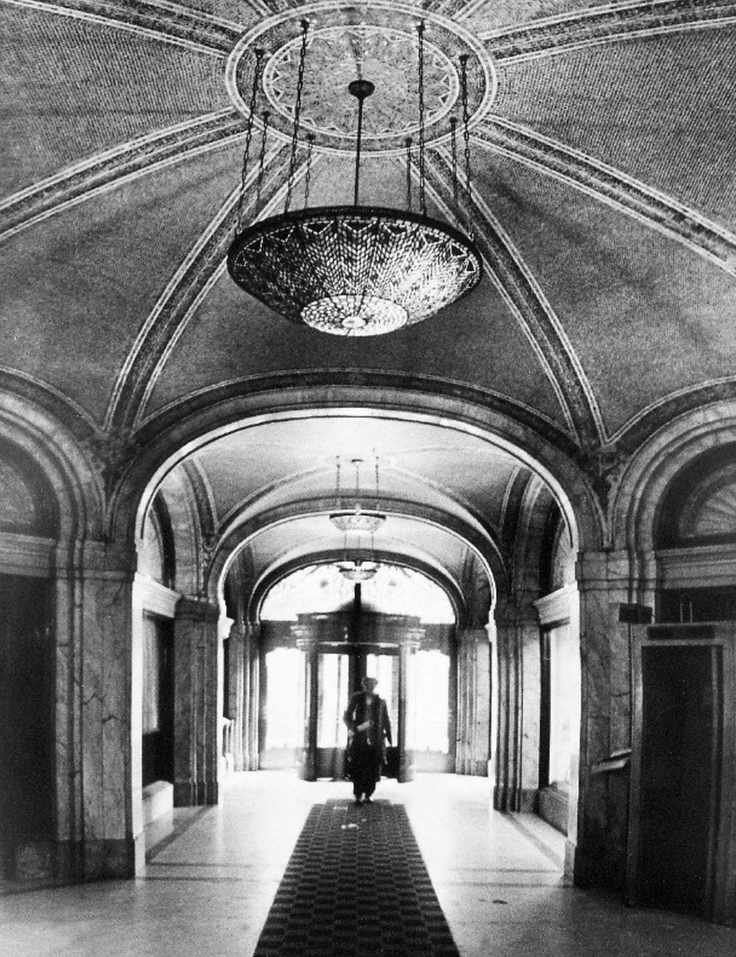
Tiffany's mosaic style quickly inspired a broader decorative movement, exemplified by the Farewell Building in Detroit, which Tiffany adorned in 1914. Its vaulted ceilings, adorned with glass leaves and berries, showcased the potential of immersive craftsmanship.
For Colorado interior designer Nadia Watts, the allure of Tiffany lamps transcends nature and reflects generational shifts. She is the great-great-granddaughter of Louis Comfort Tiffany himself.
'The renewed fascination with Tiffany lighting stems from a quest for depth and sensory richness in our spaces,' Nadia suggests. She observes how the Wisteria Lamp's colors echo the vegetation at Laurelton Hall, Tiffany's former estate. 'This direct link to nature makes the work feel alive and relevant, especially in 2026,' she explains.
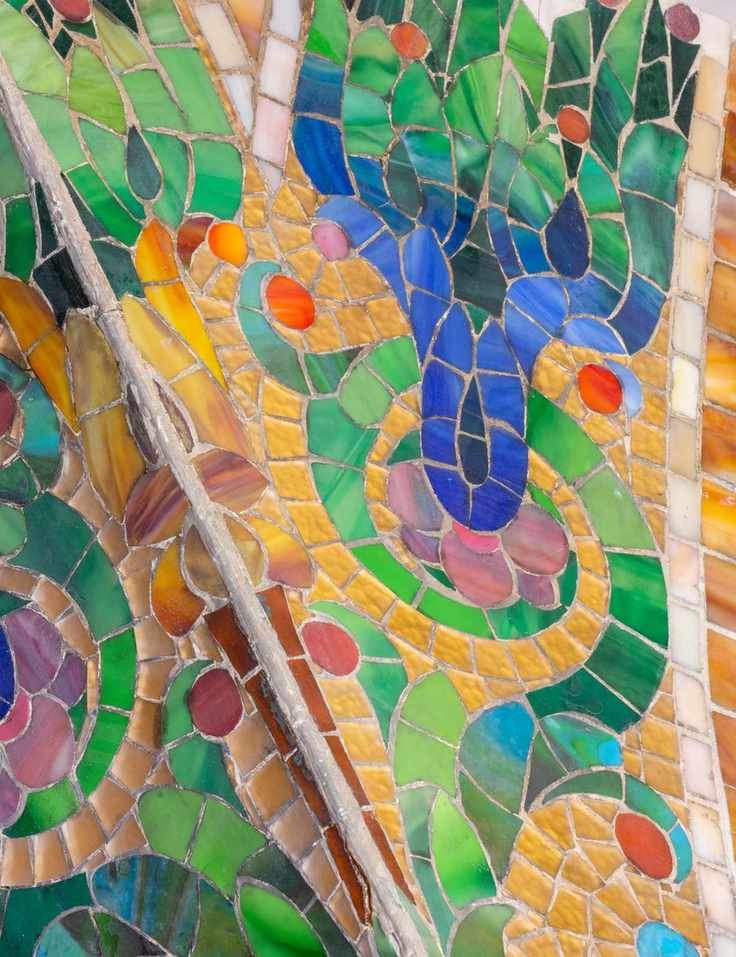
This close-up features a Favrile glass mosaic from Detroit's Farewell Building, highlighting today's renewed enthusiasm for color and ornament, a century ahead of its time.
For Nadia, 'Tiffany represents its own unique category.' Whether or not one embraces this revival in home decor, experiencing the artwork serves as a reminder of cultural significance. 'While this resurgence aligns with a broader return to craft and nature, Tiffany occupies a distinct space where art, innovation, and craftsmanship meet—an era when these elements genuinely interacted.'
This philosophy influences how Tiffany lamps and their modern interpretations are styled today. 'These lamps are rich in expression, so I prefer pairing them with serene, neutral surroundings,' Nadia suggests. 'Consider sleek lines, warm plaster, or natural textures to allow the glass to shine. A single remarkable lamp can anchor an entire room, letting other lighting remain understated.'
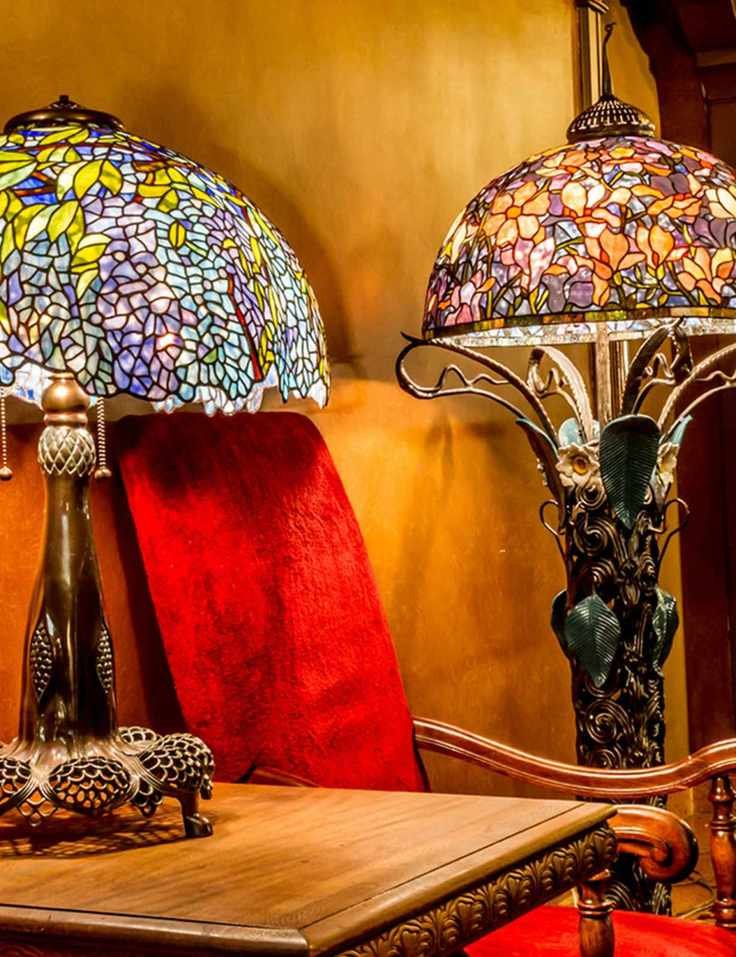
Brands like Meyda Tiffany Lighting continue the legacy, offering both Tiffany-style reproductions and original stained-glass designs that honor the craft.
Although Tiffany lamps are often showcased in traditional, elegant settings—likely due to their high price tags—Nadia emphasizes that they don't require a period-specific decor. 'Tiffany shines brightest when juxtaposed with contemporary furnishings. Subtly integrating colors from the glass into your palette keeps the look modern while respecting the artistry. This approach makes Tiffany lighting feel timeless and deeply relevant.'
If I happen to strike it rich one day, expect to see signs—Tiffany signs. Until then, explore a few mosaic lighting ideas that celebrate this legacy and remind us that excellent lighting should always evoke emotion.
Explore the Aesthetic
The charm of a Tiffany lamp lies in its emotional resonance—an aesthetic vibrancy we're increasingly drawn to in 2026. Embrace that energy by exploring the whimsical decor trend, and let your new lights enchant you.



