

Preparing to sell your home? Consider these five renovations to increase your final sale price.
If you’re not a seasoned renovator, tackling home updates can feel overwhelming. Those minor repairs you’ve been putting off may stand out to buyers once your house is listed. So, what’s the plan? You can either hope for a buyer who sees your home’s potential or invest some time and money into essential updates. The latter approach often leads to homes selling for more than their asking price.
Here are five key improvements to consider.
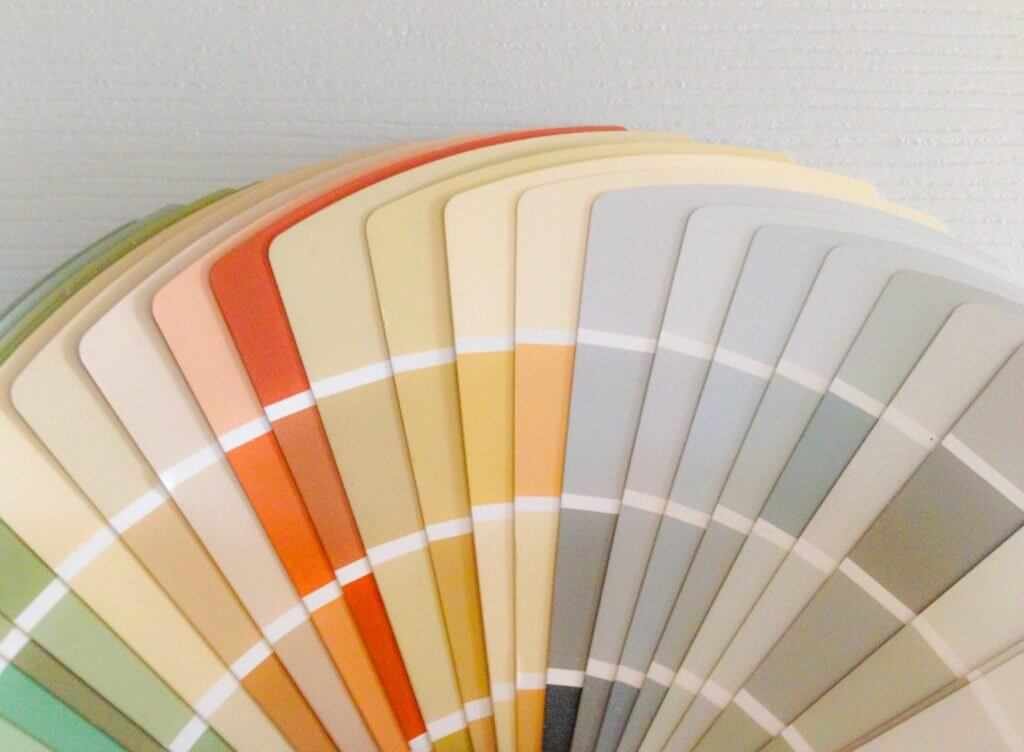
#1: Fresh Paint
Painting is a cost-effective upgrade with a high return on investment; it's no wonder 32% of sellers opt for this, per Zillow. A neutral paint palette can rejuvenate your home, appealing to buyers who appreciate a clean slate. “Seek color advice from a professional, as lighting and existing features can influence your choices,” suggests an expert in home staging.
Additionally, Zillow’s findings indicate that certain colors can boost sales. For instance, an olive green kitchen might fetch an extra $1,600, while a navy blue bedroom could increase your sale price by over $1,800.
Initial investment: Hiring professionals to paint a 2,500 square foot interior can range from $2,000 to $4,000, depending on specifics like ceilings and details.
If that’s too pricey, consider: DIY painting if you're handy. Purchasing a 5-gallon bucket of neutral paint is more economical than buying by the gallon. “At the very least, you can wash the walls and declutter to create an inviting space,” advises a staging expert.

#2: Yard Landscaping
Your home’s exterior is the first thing potential buyers notice. A messy or unkempt yard can be a major deterrent. Remove any dead plants and trim overgrown areas. Refresh your lawn with new sod or grass seed, and use mulch to define garden spaces. “Adding a few shrubs and perennials can make your property feel complete and welcoming,” suggests a landscaping expert.
Initial investment: Professional landscaping can cost between $500 and $3,000, with higher costs for tree removal.
If that’s too expensive, consider: For those willing to put in some effort, you can remove dead plants yourself and buy grass seed without hiring a pro. “A sturdy garden rake can help tidy borders, and a heavy-duty putty knife can work instead of a lawn edger,” the expert recommends. Bright annuals from a local garden center can add color around your entryway.
Additionally, enhancing curb appeal can also involve painting your front door. Research shows buyers prefer black doors over gray ones and may offer $6,450 more for homes with such doors.
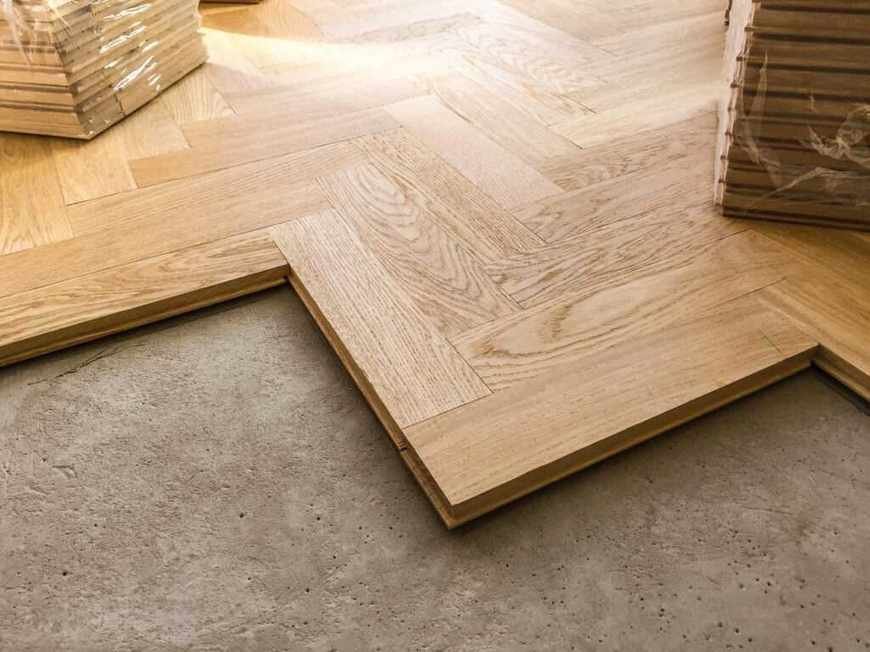
#3: Flooring Upgrades
Replacing flooring or carpet is a project that 20% of sellers undertake, according to Zillow. If your home has various flooring types, consider a uniform flooring upgrade for a cohesive look. Wood or faux-wood flooring is often more desirable than carpeting, even if it costs more. If wood isn’t in your budget, new carpeting can still significantly enhance appeal.
Initial investment: Expect to pay between $10 and $12 per square foot for faux wood and up to $30 for real wood. Average carpeting costs about $8 to $12 per square foot, installed.
If that’s too expensive, consider: Check discount hardware or flooring stores for deals on overstock items. If upgrades aren’t feasible, professionally clean existing carpeting and hardwoods. For minor wear on hardwoods, touch up with water-based stain. A stylish throw rug can also work wonders.
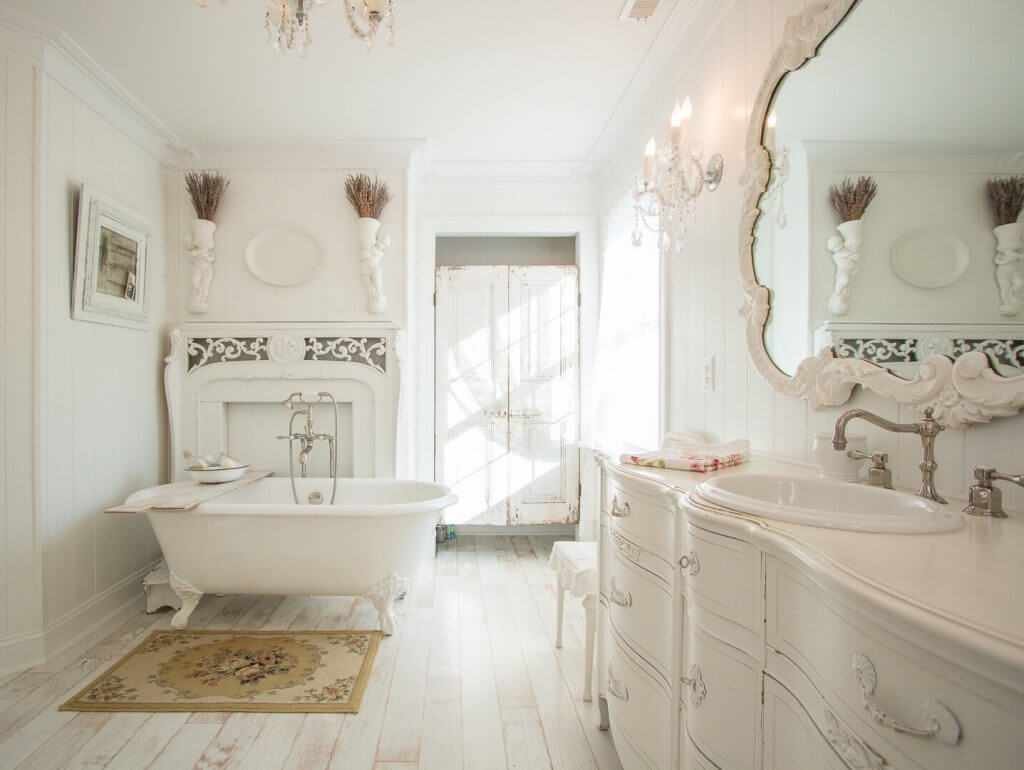
#4: Bathroom Renovations
An outdated bathroom can date your home. Simple updates, such as new tiles, modern lighting, and updated fixtures, can make a significant difference. When replacing cabinets, opt for minimalistic designs in neutral tones.
Initial investment: A mid-range bathroom remodel typically costs between $2,500 and $30,000 or more, according to This Old House.
If that’s too expensive, consider: Clean grout lines for a quick update. Instead of replacing cabinets, consider repainting them in white, gray, or black for a fresh look. Reglazing a tub is also a more affordable option than a complete replacement.
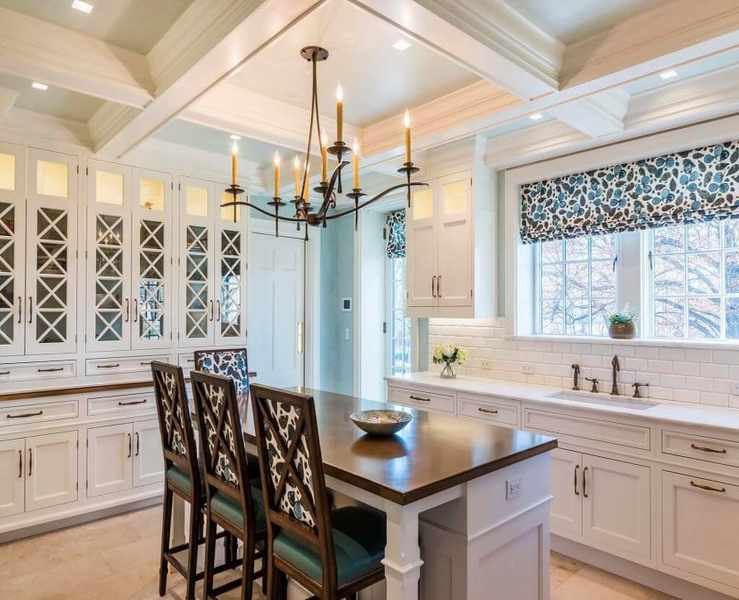
#5: Lighting Fixtures Update
Updating lighting fixtures throughout your home can be a low-cost enhancement that yields high visual impact. When choosing chandeliers and ceiling lights, ensure colors coordinate with your home’s hardware. Mixing metals can work, but avoid clashing gold and silver tones. Older brass fixtures from the 80s and 90s may appear outdated, so opt for modern replacements.
Initial investment: Expect to spend from a few hundred to several thousand dollars for dining area or pendant lights, depending on the style and source. Affordable options can often be found at home improvement retailers.
If that’s too expensive, consider: Sometimes less is more. A dated chandelier can be removed entirely, allowing buyers to visualize their preferences without any cost. If you do choose to install new fixtures, hire a professional electrician for safety.
Potential ROI on Improvements
Every home is unique, and market conditions vary, so results can differ widely. A common guideline in home staging suggests that for every dollar invested in improvements, you can expect a $1.50 return at closing.
Before proceeding with cosmetic changes, evaluate your home’s essential needs. Ensure that major systems are functioning properly—buyers expect a well-maintained, livable space. “If your roof has serious leaks, fix that before considering any kitchen remodels,” advises a staging expert.
Avoid undertaking costly renovations that appeal to personal tastes, such as installing a koi pond. These types of enhancements rarely provide a return on investment and may deter prospective buyers.



