Shears are essential tools for any gardener, as they play a vital role in maintaining plant health. Neglecting pruning can lead to overgrown, unhealthy plants with reduced yields of flowers, fruits, and vegetables.
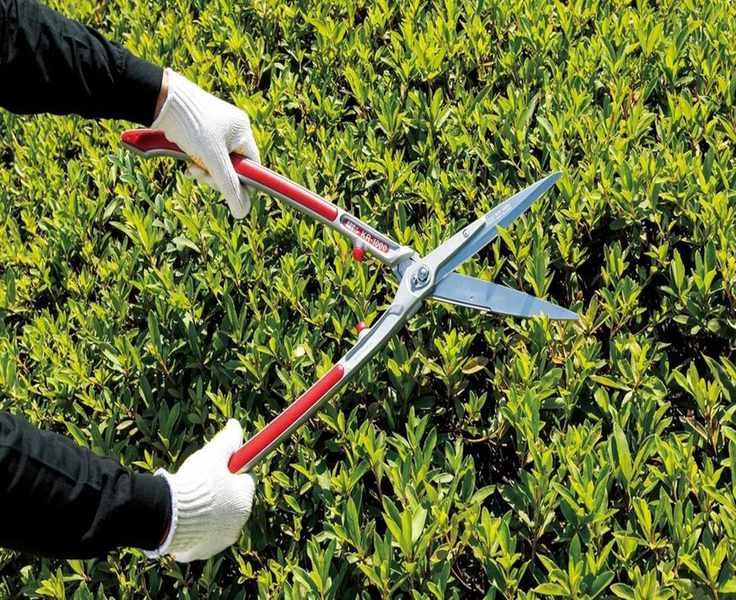
When you have a considerable amount of greenery to trim, shears are ideal for shaping hedges quickly, sparing you from the tedious task of tackling each branch individually with a pair of pruners.
Unfortunately, numerous low-quality shears on the market rust, chip, or break easily, often without the option to replace any damaged parts. After testing various models, I've identified the best shears you should consider purchasing.
Top Hedge Shears Available
ARS KR-1000
Exceptional hedge shearsExpert review:
Specifications
Cutting diameter: 0.39"Materials: Chrome steel
Length: 25.7"
Weight: 1.72 lb
Replaceable parts: Yes
Pros
+Durable+Extremely sharp
+Ergonomic
+Lightweight
+Parts can be replaced
Cons
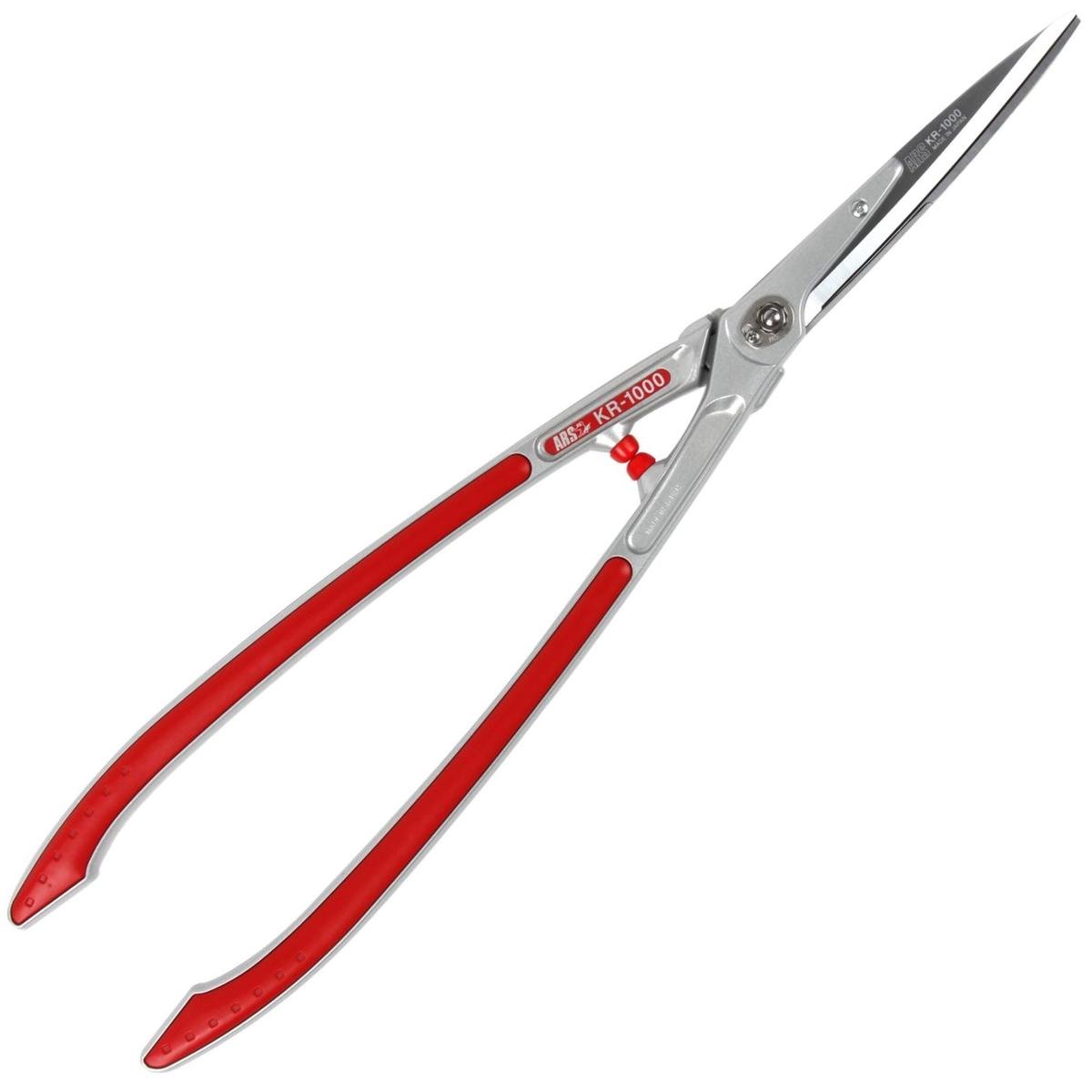
-Not ideal for very dense woodIn my experience, the ARS KR-1000 hedge shears are the finest. They combine incredible sharpness with a lightweight design and user-friendly features, allowing for easy maintenance and part replacement.
Out of the box, these shears slice through leaves and stems effortlessly, making them perfect for topiary work and general pruning. Each cut is clean, avoiding any tearing or damage to the foliage. With regular care, they can handle almost any hedge with precision.
Weighing just ounces less than other models I've tried, their lightweight design was especially noticeable during long pruning sessions. Using these felt liberating, as they balanced well and were easy to maneuver even in awkward positions.

Comfort is another strong point. The rubber grips provide a soft hold, while the cushioned bumpers soften the impact on your hands. After several hours of use, you might still feel some strain, but it's significantly less than with other models.
Perhaps the most valuable aspect of these shears is their repairability. Many shears become unusable once a handle cracks or a blade becomes too damaged. With the ARS KR-1000, any component can be replaced, ensuring longevity with proper care.
That said, they do come with a higher price tag compared to others. However, considering their durability, they may prove more economical over time.
Another limitation is their performance on hardwood. While they can handle branches larger than the recommended 0.39", tougher materials like laurel can require extra effort.
Other Excellent Alternatives
While the ARS KR-1000 are my top choice, their price and limitations with hardwood may lead you to explore other options:
Okatsune 217
Okatsune is known for producing high-quality pruners, and their shears are equally impressive. With a design that offers excellent cutting performance, their standout white-and-red handles are easy to spot in the garden. However, they can be pricey, and the wooden handles may not be very comfortable.
Fiskars Wavy Blade Shears
Initially, I doubted the effectiveness of wavy blades, but I've come to appreciate their ability to grip thicker branches better than straight blades. This provides added leverage for tougher cuts. However, sharpening can be challenging, and they tend to be heavier than standard shears.
Corona HS 3950 Extendable Hedge Shear
For those hard-to-reach areas, extendable shears are a great choice. The Corona model features easy-twist handles for adjustment, but I've often found the extension mechanisms unreliable, resulting in awkward handling.
How to Choose Quality Hedge Shears
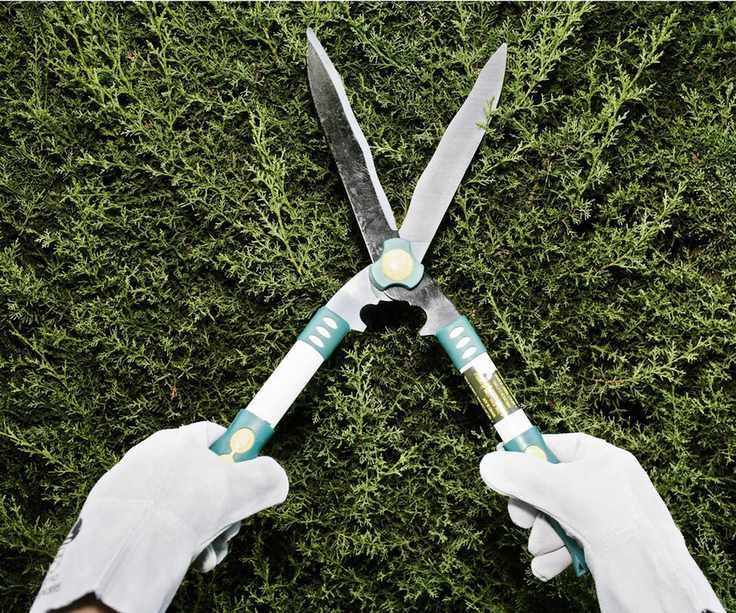
Start by determining the blade length you require. Short blades around 6" are ideal for intricate topiary work, while longer blades of 12" allow for larger hedges to be trimmed in fewer sweeps.
Gardening expert Thom Rutter suggests that shorter-handled shears offer more control for detailed shaping, whereas mid-length blades of 8-10" work well for both tasks.
Next, decide between straight or wavy blades. Wavy blades excel at cutting through thicker branches but may produce rougher cuts and can be harder to sharpen. Straight blades provide clean cuts and are easy to maintain, but may struggle with hardwood.
Look for rubber bumpers to minimize the impact on your hands and avoid bare wood handles, which can be uncomfortable during extended use.
Lastly, select shears with bright handles, preferably in shades like red or yellow, to ensure they're easily visible in your garden.