Those initial blooms of spring bring a unique joy. They offer moments of tranquility before the bustling growing season begins. As a gardener, the sight of crocus flowers always brings a smile, their dew-kissed petals signaling seasonal change.
Crocus and other vibrant plants do more than enhance your backyard's beauty; they serve as crucial resources for early-spring pollinators. Selecting nectar-rich plants is key to supporting these insects during a critical and sparse time of year.
From delicate hellebores to a rare California native barberry, we've compiled five fantastic plants for early spring pollinators. Whether you're cultivating flower beds or adding containers to your patio, these spring blooms will infuse life and color into your garden.

Top Plants for Early Spring Pollinators
Spring mornings can be a mixed blessing for pollinators. While there's less competition from other insects, available plants are also fewer.
By offering a variety of early-blooming flora, we can assist bees and other pollinators. Here are five top choices, as suggested by horticultural experts from North America.
1. Hellebores

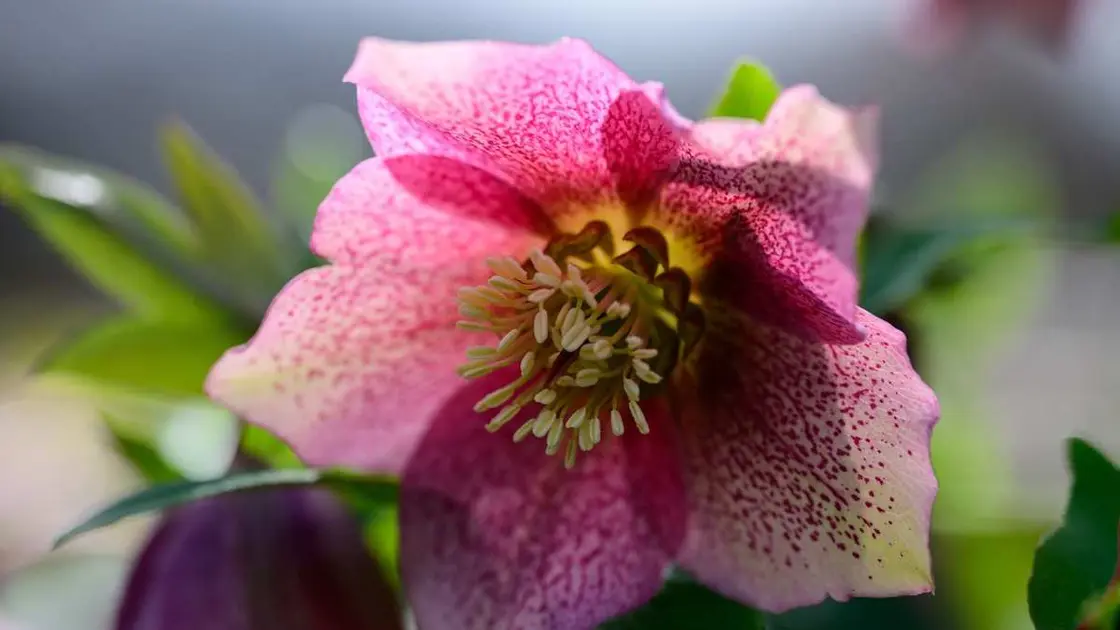
Hellebores are exceptional for early spring pollinators, providing color and nectar from December through March. These part-shade perennials flourish in woodland gardens, thriving in dappled light. While they tolerate full shade, a bit of winter sun helps their growth.
Numerous hardy varieties exist, including the popular Lenten rose, or Helleborus orientalis, suited for cultivation down to US hardiness zone 4 in moist, well-drained soil. Consider the elegant 'White Spotted Lady' variety, featuring pale petals with striking crimson speckles. Hellebore plants can be found at Walmart.
Pruning hellebores requires timing before the flower buds appear. Doug Ruhren, a garden expert from Juniper Level Botanic Garden, notes they typically begin pruning old foliage in January and February as the buds show color.
According to Doug, hellebore flowers are long-lasting, often remaining attractive into late spring. As they age, colors shift from white, pink, or red to green or mauve. When flowers begin to wilt, the flowering stalk can be cut back to ground level.

Doug serves as Garden Curator at Juniper Level Botanic Garden in North Carolina. After studying at Rutgers, he worked at various renowned gardens and is responsible for plant collections and educational programs.
2. Crocus
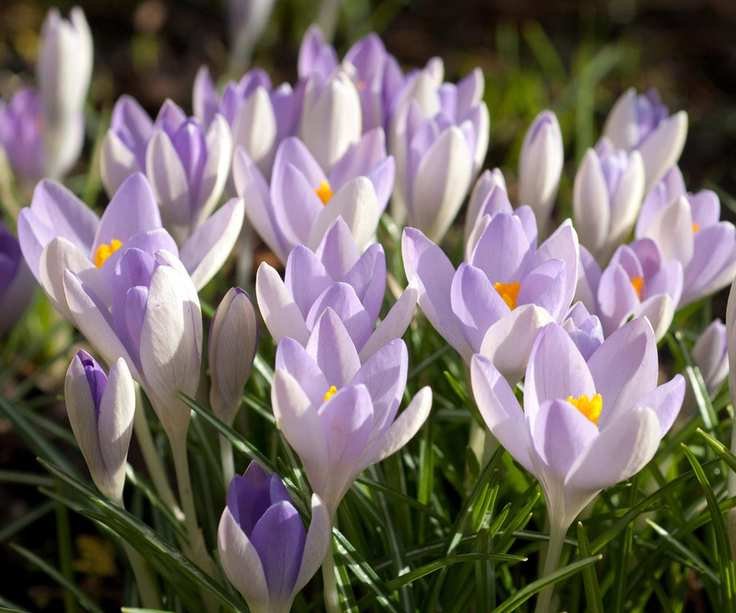
Crocuses are among the first flowers to bloom in winter and early spring, providing vital nectar for pollinators. Typically, crocus bulbs are planted in the fall, but live plants with emerging bulbs are often available at garden centers.
With hundreds of crocus varieties, one standout is Crocus tommasinianus, known for its lilac blooms. Hardy to zone 3, this species prefers full sun for a stunning spring display. Crocus tommasinianus bulbs are available for order from Walmart.
Once established, crocuses need minimal care and naturalize over time, creating vibrant carpets of color when planted in groups.
For a winter-flowering option, consider Crocus sativus, commonly known as the saffron crocus, with bulbs offered on Amazon. Given its high market price, growing saffron could be a worthwhile investment this year, flourishing from zones 6 to 8 and adding uniqueness to garden borders in late fall.
3. Cowslips
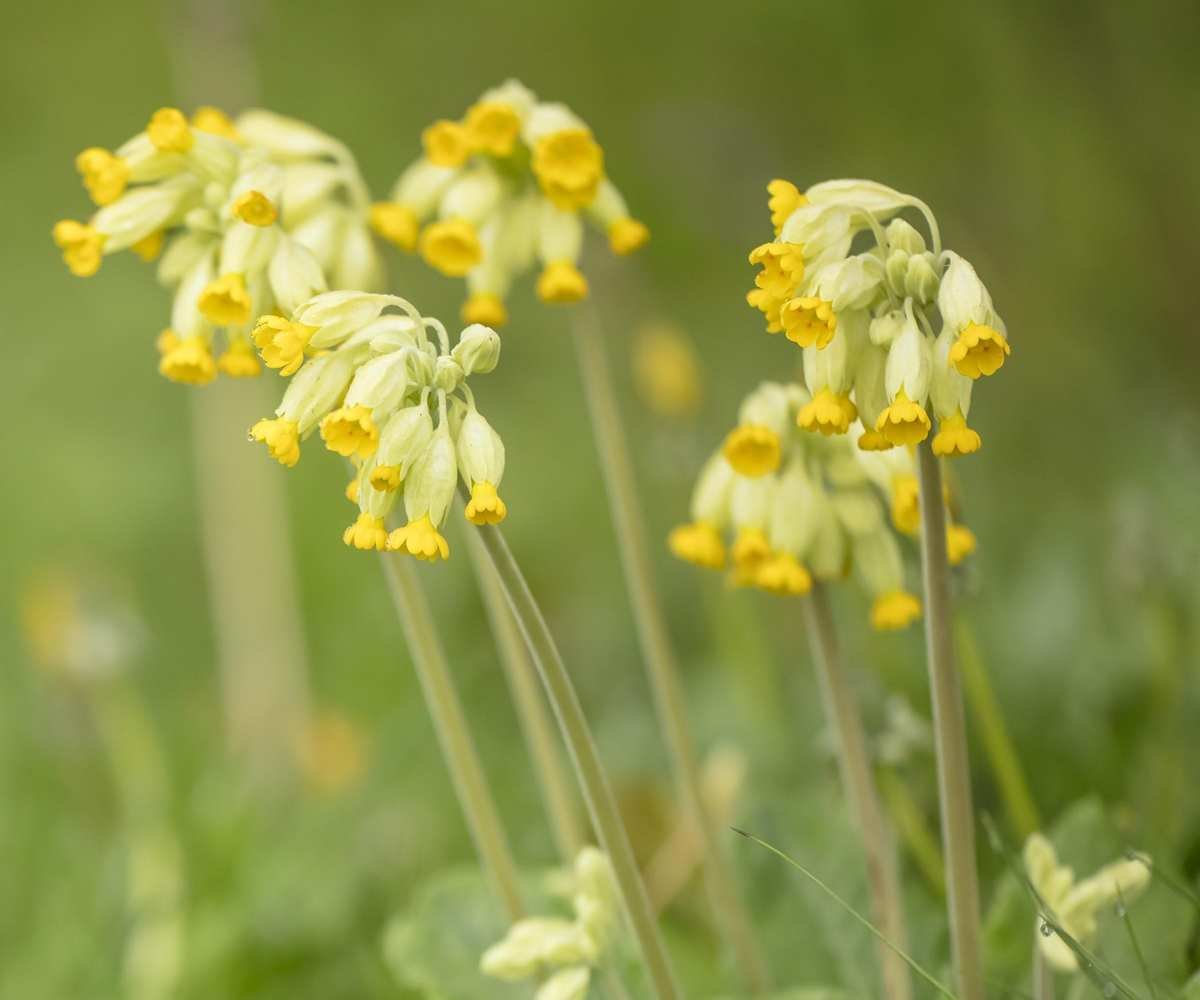
For a wild touch to your garden, cowslips are ideal early spring pollinator plants. These native European wildflowers often thrive in grassy areas and beneath trees during spring.
Best grown in zone 4, cowslips, or Primula veris, prefer moist, well-draining soil in partial shade but can adapt to sunny spots in cooler regions. Their semi-evergreen rosettes work nicely under shrubs and trees, with tube-shaped yellow flowers emerging from late winter.
Cowslip seeds can be ordered from Amazon, and can be sown in fall directly into part-sun-part-shade areas. Alternatively, you can plan to sow in seed trays from March for blooms the following year.
4. Nevin's Barberry

'Nevin's barberry, or Berberis nevinii, is a rare species native to Southern California,' explains Terry Huang, a plant expert from South Coast Botanic Garden.
'Enduring down to zone 5, this native evergreen shrub is often deemed endangered due to its limited populations,' Terry states. 'It showcases a stunning display of yellow flowers in early spring, followed by bright orange-red berries.
'The bluish narrow leaves provide year-round interest, even beyond flowering and fruiting,' Terry adds. 'Though hard to find, specialist nurseries may stock this adaptable shrub, which appreciates supplemental watering during summer.'

Terry Huang is the Director of Living Collections at South Coast Botanic Garden, where he enjoys making botany accessible and engaging for everyone.
5. Wild Geranium
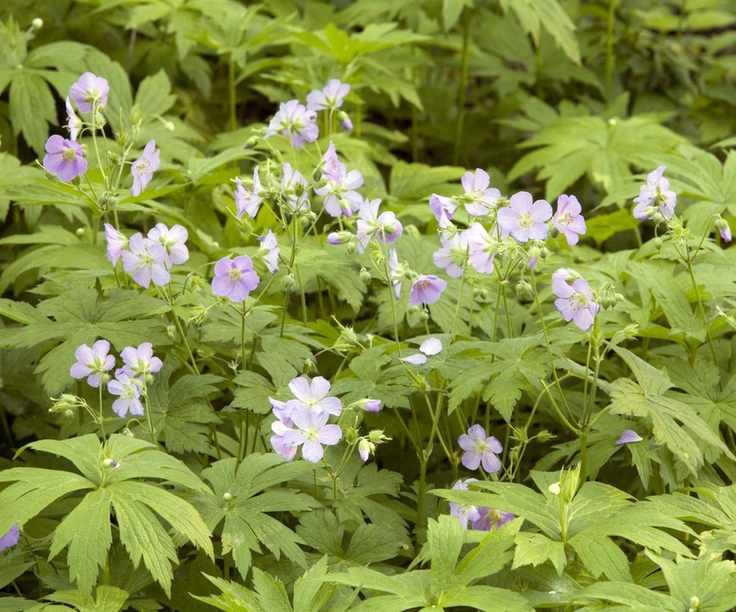
'For attracting pollinators, it's best to focus on native species,' states Bert Bast, a garden expert and owner of Bast Brothers Garden Center in New Jersey. 'For early-season pollen, nothing beats our wild geranium, Geranium maculatum, known for its white-pink blooms starting in March.
'This hardy plant thrives down to zone 4, withstanding frost and snow, making it perfect for the Northeast,' Bert shares. 'Once established, it requires no extra water or fertilization, and wild geraniums tend to spread, so plant them where they can grow freely.'
Wild geranium seeds can be found on Amazon.
Bert Bast is a garden expert and the owner of Bast Brothers Garden Centre, known for its diverse plant offerings since 2014 in Mullica Hill, NJ.
FAQs
What can I grow in pots for early spring pollinators?
There are plenty of container plants for pollinators. Bulbs are a reliable choice; consider planting crocus, daffodils, or snowdrops in vintage terracotta pots for a stylish display. Grouping smaller pots enhances visual impact. Hellebores can also be grown in containers, but only for a limited time. After two years, they should be transferred to garden beds for better growth.
Scent is another important aspect for spring gardens. Incorporating some of the best fragrant bulbs, like hyacinths, daffodils, and tulips, will attract pollinators while adding a sensory dimension to your space. For optimal results, plant fragrant bulbs in clusters near paths or seating areas.