
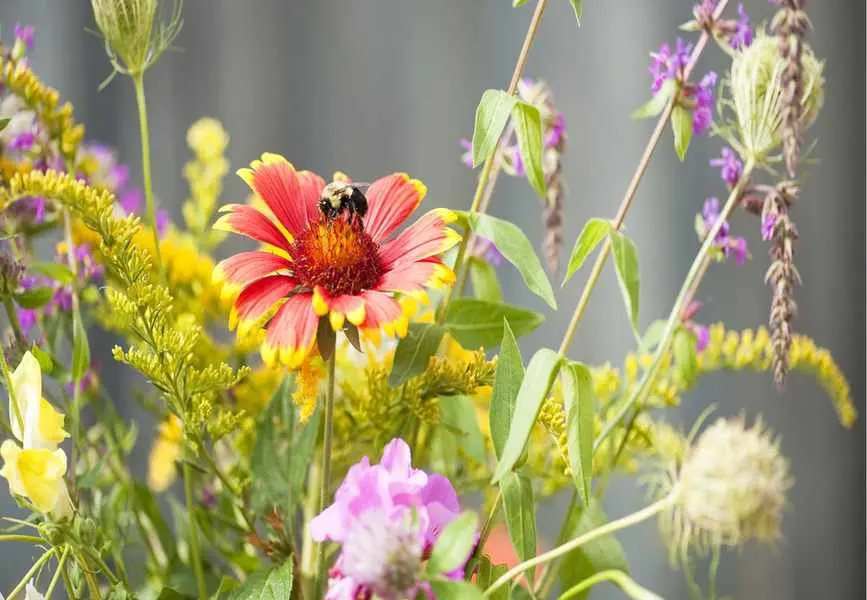
Pollinators, including bees, butterflies, and wasps, are essential in our gardens and the broader ecosystem, aiding in the pollination of plants for continued growth.
If you're aiming to cultivate a wildlife-friendly garden or specifically a pollinator garden, you might feel overwhelmed by the vast array of plants available, especially if space is limited. Don't worry—there are numerous plants that thrive in containers and are perfect for attracting pollinators.
We've curated a list of the top container plants that will help you create stunning arrangements, providing essential nectar to visiting pollinators.
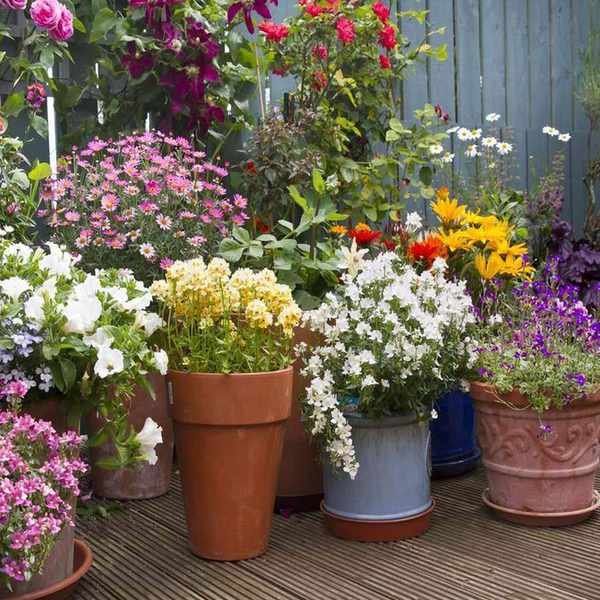
Best Container Plants for Pollinators
There are plenty of fantastic plants you can grow in pots that will support pollinators. Here's our list of the best container plants that will enhance your garden, patio, or balcony while supplying ample nectar for bees, butterflies, and other visitors.
1. Lavender

Lavender is often the first plant that comes to mind for attracting pollinators. Bumblebees are frequently seen buzzing around these aromatic blooms during the spring and summer months.
According to Donna Letier, founder and CEO of Gardenuity, "Lavender produces a high concentration of linalool, the compound responsible for its delightful fragrance, which attracts bees."
This purple plant is straightforward to grow in pots and flourishes in U.S. hardiness zones 5 to 10. To care for it, select a sunny location, use well-draining soil, and ensure regular watering, particularly in hot weather. For more tips, check out our guides on growing lavender and pruning techniques.
"Lavender blooms in spring as a perennial after establishing in its second year, providing early food for pollinators. The color of the flowers also attracts them," says Sarah Warner, an organic growing expert at Case Western Reserve University Farm. "Additionally, lavender relies on bees for its pollination and seed production, creating a mutually beneficial relationship," she adds.
You can find lavender seeds online, such as these lavender seeds from Amazon or purchase a lavender plant from Garden Goods Direct.
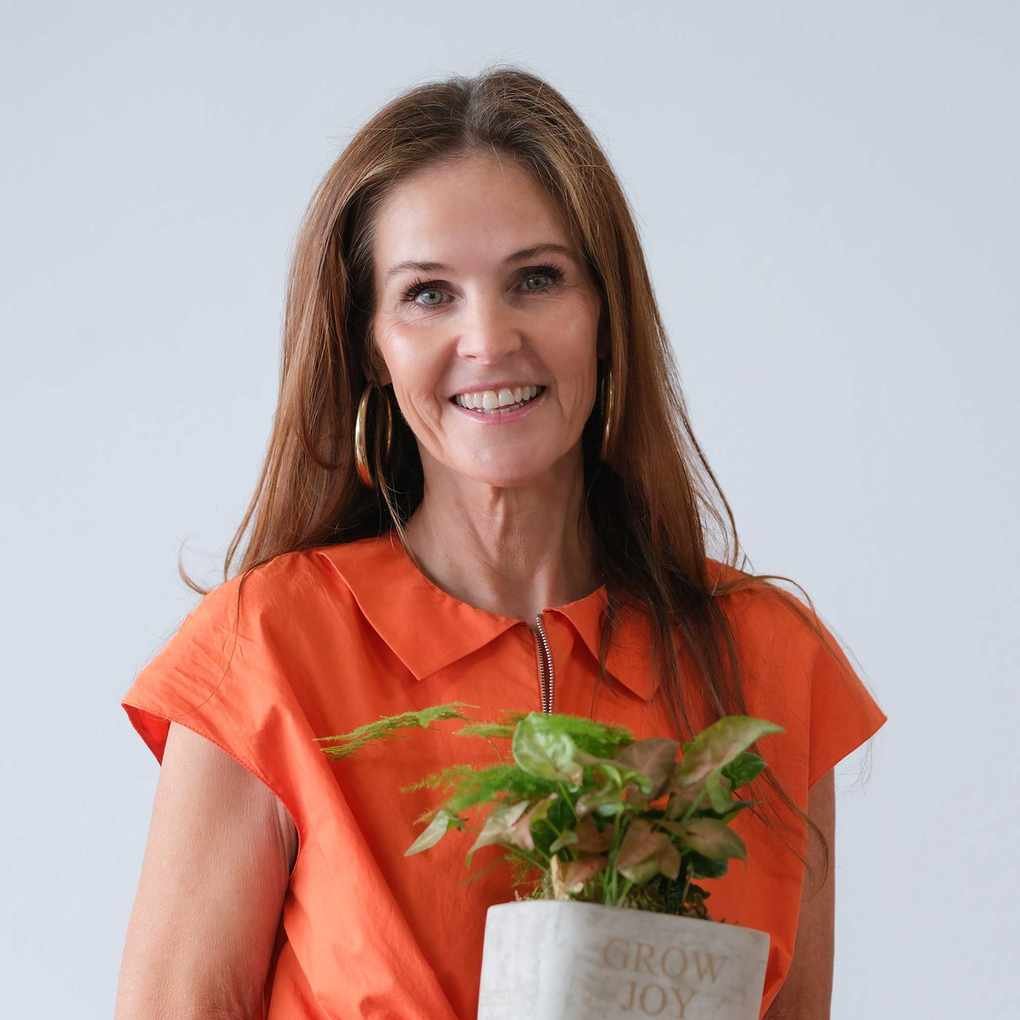
Donna Letier is the CEO and co-founder of Gardenuity, a company that blends gardening with wellness through personalized container gardens and gardening experiences.

Sarah Warner is a farm associate with the farm food program at a university. She has five years of experience cultivating organic food in Northeast Ohio and holds an Associate Degree in Sustainable Agriculture from Lorain County Community College, along with a certification in Permaculture Design.
2. Rudbeckia
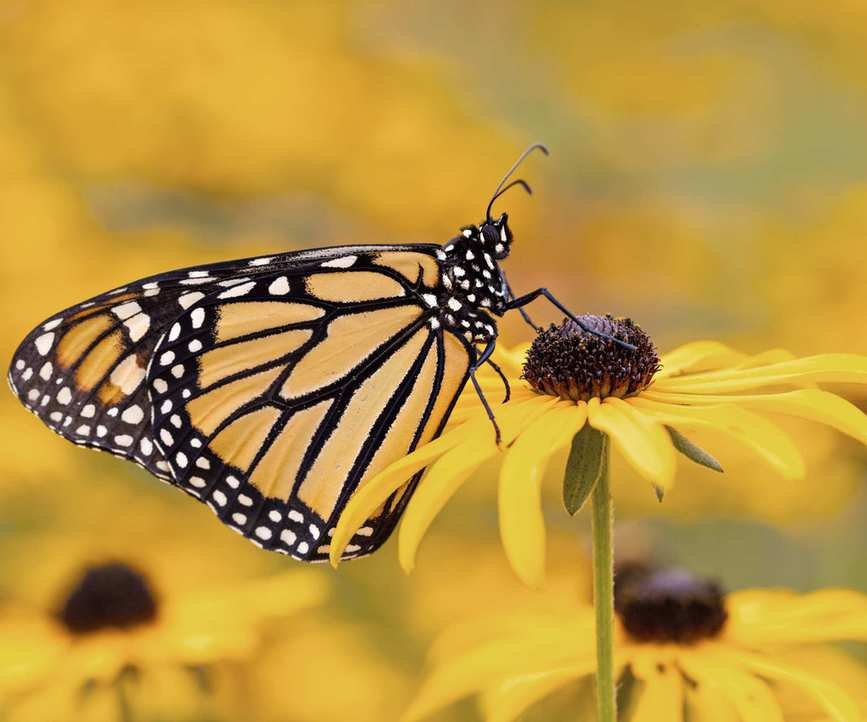
If you want to create vibrant containers that attract butterflies, consider growing rudbeckia. These cheerful flowers are recognized for their bright yellow petals and dark centers, commonly known as 'black-eyed Susans.'
According to Jen McDonald from Garden Girls, "The bright yellow blooms stand out throughout the summer, making them a favorite among butterflies. It's an easy-to-grow native plant that adapts well to U.S. hardiness zones 3 to zone 9. I love using rudbeckia in my vegetable garden for added interest and to attract pollinators."
For a thoughtful approach, consider cutting back black-eyed Susans in early spring while leaving the seed heads for birds to enjoy in fall and winter.
You can find rudbeckia plants online, including this black-eyed Susan from NatureHills.com.

Jen McDonald is a garden expert and co-founder of Garden Girls, LLC, based in Houston, TX. She cultivates a variety of plants, from cut flowers to peanuts, in her extensive garden space.
3. Dill
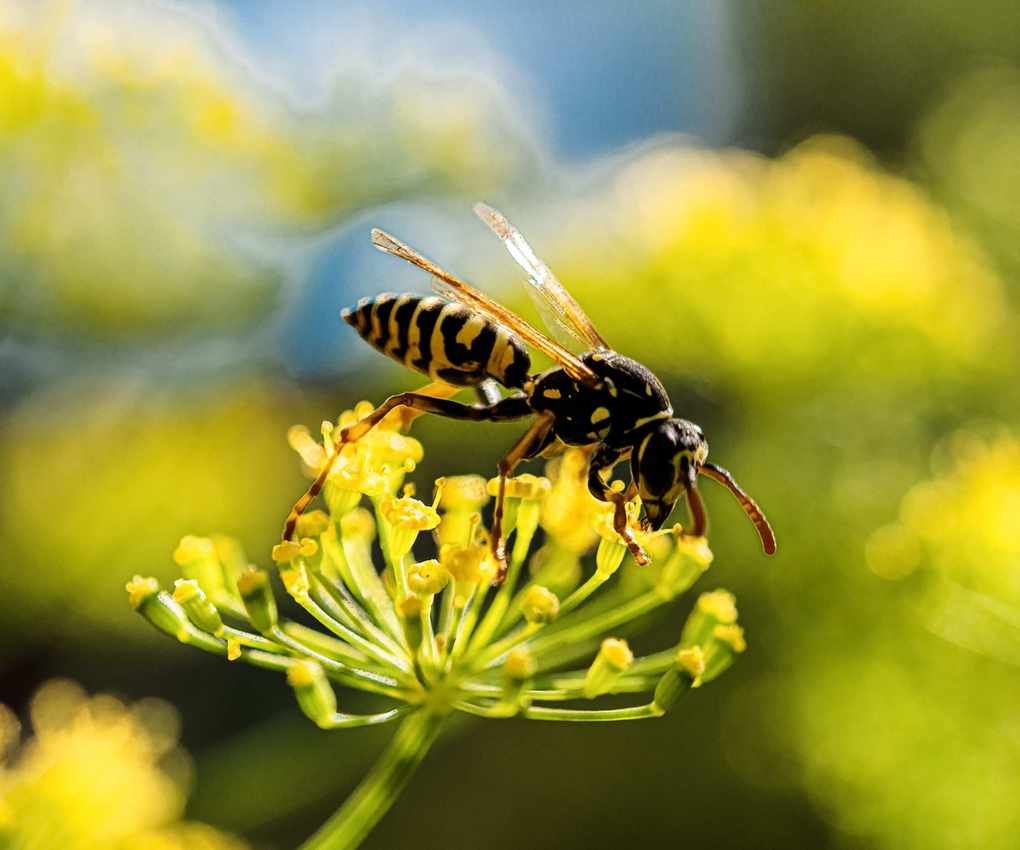
Don't overlook edible plants, as many herbs from your kitchen garden produce flowers rich in nectar and often add delightful fragrances to your pots.
Dill produces stunning yellow blooms from midsummer to fall, attracting a variety of pollinators.
"Dill draws black swallowtail caterpillars, bees, and butterflies. It re-seeds easily and flowers quickly in summer," says Jen. "Dill's flowers are beautiful and resemble a small firework display in the garden."
Growing herbs in pots adds convenience and a touch of texture and aroma to your container garden. Dill flourishes in U.S. hardiness zones 9 to 11. Ensure it's in a sunny spot and receives ample water during hot spells. For more information, check our guide on growing dill.
Dill seeds are readily available, such as this dill seeds from Walmart.
4. Echinacea
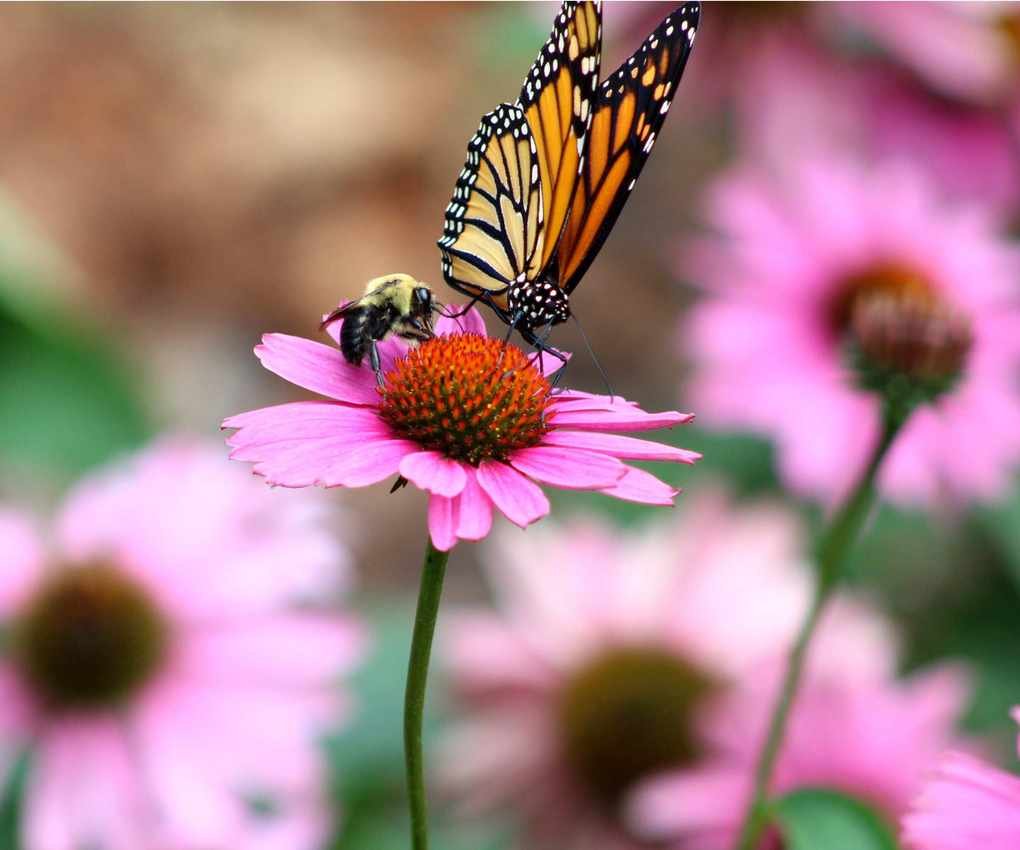
To add variety to your pollinator containers, consider echinaceas, also known as coneflowers. These classic blooms come in various colors and can fit different planting styles.
According to Sarah Warner, "Echinaceas thrive best in large pots, ensuring their extensive root systems have access to nutrients. It's advisable to plant only 3-4 seeds per pot and keep them well-watered." These native flowers enjoy ample moisture and are often used in rain gardens.
Echinaceas are beneficial to pollinators as their large centers provide ample landing space, and their vibrant colors attract many visitors. "Echinacea offers plenty of nectar and pollen, making it a worthwhile stop for pollinators," Sarah adds.
Different varieties of echinacea thrive in various U.S. hardiness zones, from zone 4 to 9. Research your local climate to select the best variety for your containers.
You can shop for these flowers online, such as these red echinacea flowers from NatureHills.com.
5. Geranium
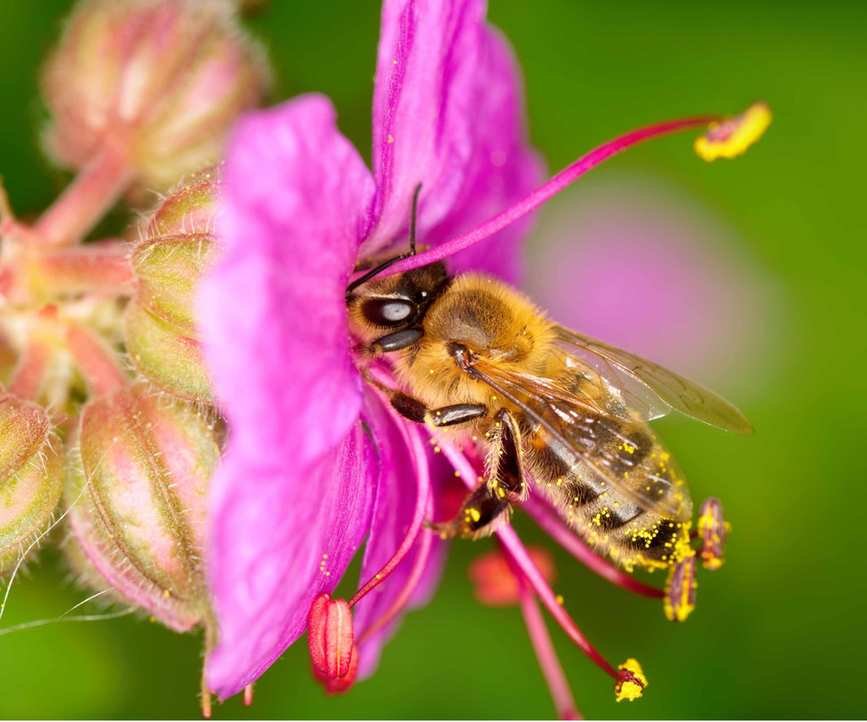
Geraniums are another colorful and compact option ideal for pots. Some varieties can even be grown to cascade, making them perfect for hanging baskets and enhancing your container displays.
According to Sarah, "Wild geranium is a crucial source of pollen and nectar for mason bees and other native species, as they bloom when female bees are building their nests. Sweat bees, small carpenter bees, and cuckoo bees also visit these flowers to gather nectar."
There are many resilient geranium varieties suited for U.S. hardiness zones 3 to 9, allowing you to create a pollinator-friendly container that complements your garden's style. Make sure to deadhead geraniums to encourage more blooms.
"Geraniums prefer partial to full shade to avoid burning their delicate petals in summer, and they thrive in well-draining soil that stays somewhat moist," says Sarah.
You can shop for ideal geraniums online, like these geraniums from NatureHills.com.
6. Cosmos
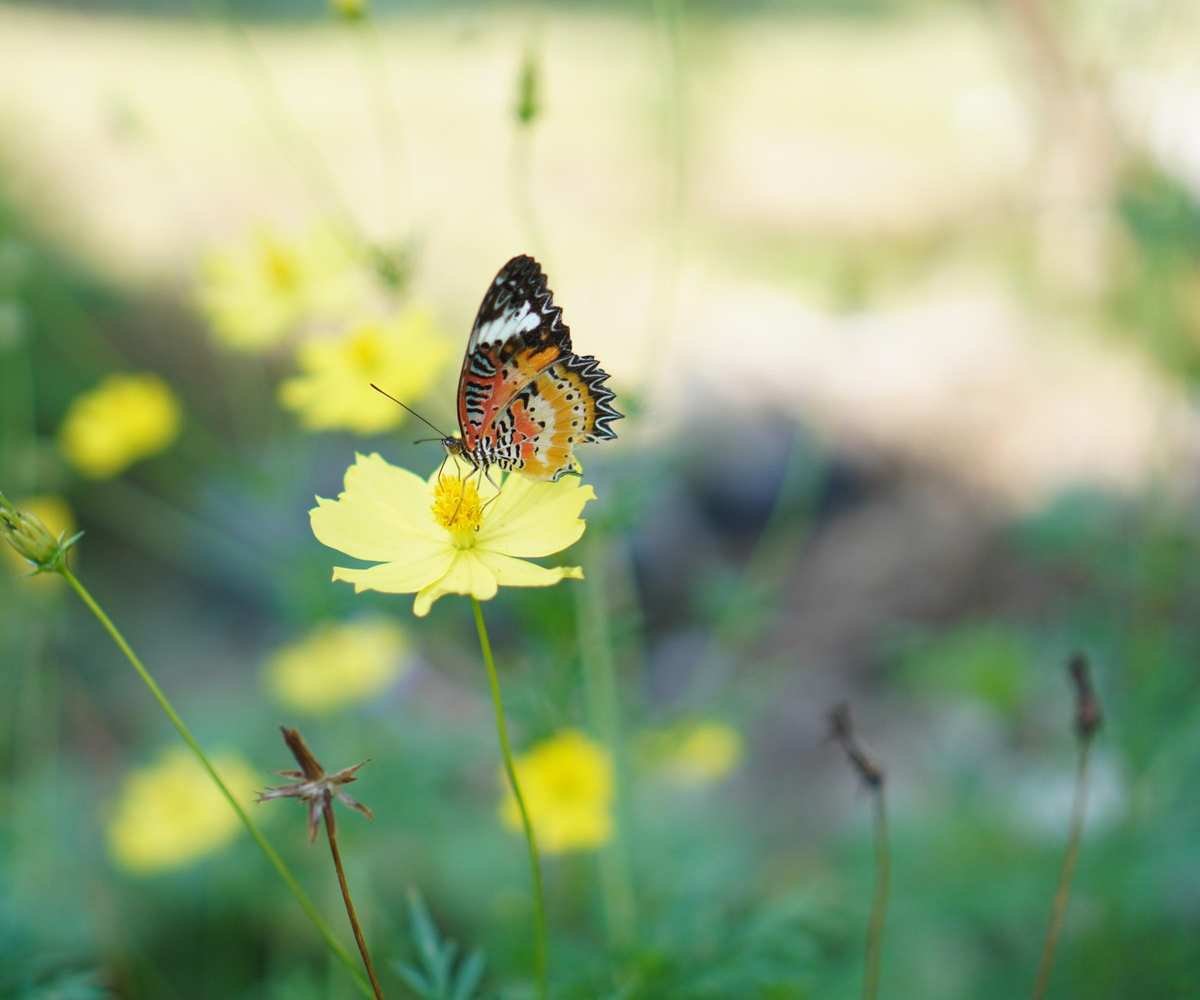
Learning how to grow cosmos is a fantastic way to cultivate flowers that provide vibrant color throughout the summer. They come in various shades, from soft pinks to bright yellows.
"Cosmos attract bees and butterflies with their tall stems and open flower shapes. Native bees love them for their pollen and nectar, while birds enjoy the seed heads once flowering concludes," says Jen. "I appreciate growing them in containers for their height, delicate flowers, and impressive vase life."
These flowers are excellent for those planning a cut flower garden, allowing you to enjoy them both outside and inside.
Cosmos grow easily from seed and thrive best in U.S. hardiness zones 7 to 11. Be sure to research when to plant cosmos seeds for optimal results.
Find cosmos seeds online from various retailers, including these cosmos seeds from Amazon.
7. Verbena
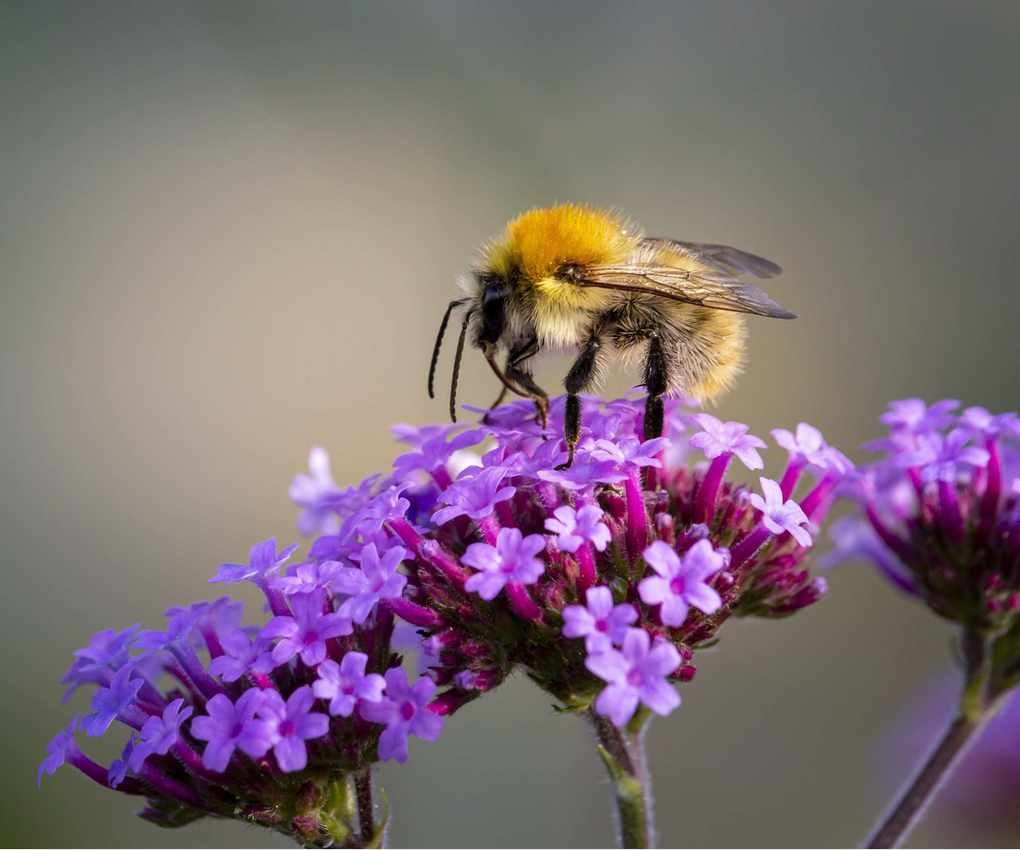
Last but not least, verbena is a fantastic choice for containers aimed at pollinators. These vibrant umbel flowers bloom from spring to summer and are remarkably easy to grow from seed.
According to Donna Letier, "Verbena is a hardy herb that can thrive until the first frost, providing extended opportunities for pollinators. It grows well in containers, but ensure that whatever container you choose retains adequate moisture while allowing excess water to drain."
The bright flowers of verbena are not only appealing to pollinators but are also edible, making them a delightful addition to various dishes for both pollinators and gardeners.
Learn how to grow verbena in U.S. hardiness zones 8 to 11 from seed, like this verbena seeds from Walmart.
Find the Perfect Pots Online
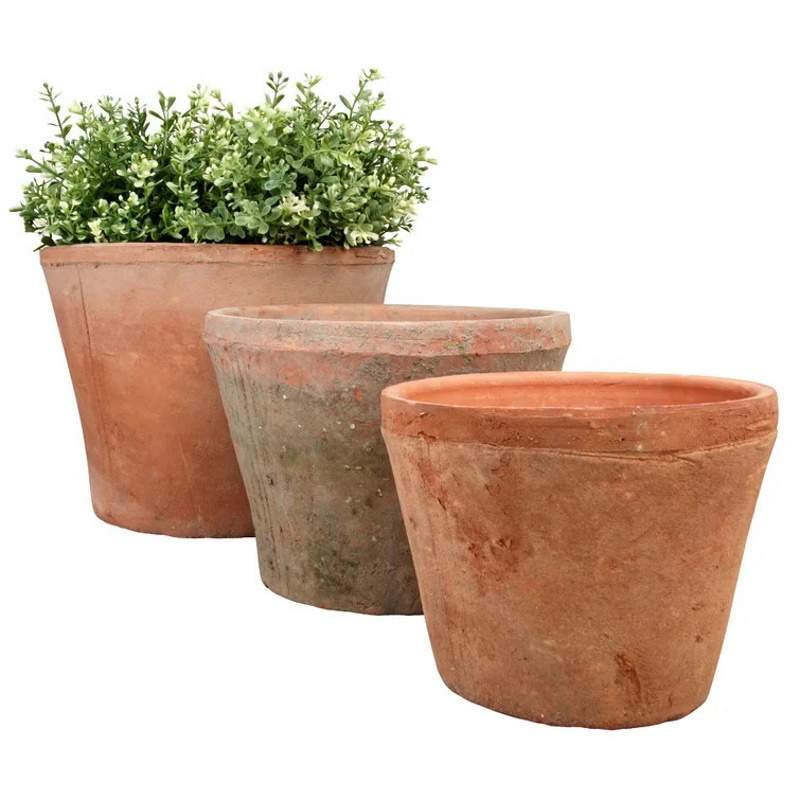
This set of three handmade terracotta planters brings a rustic charm to patios and container gardens.

These beautiful urn-shaped planters are perfect for elevating plants in your garden.
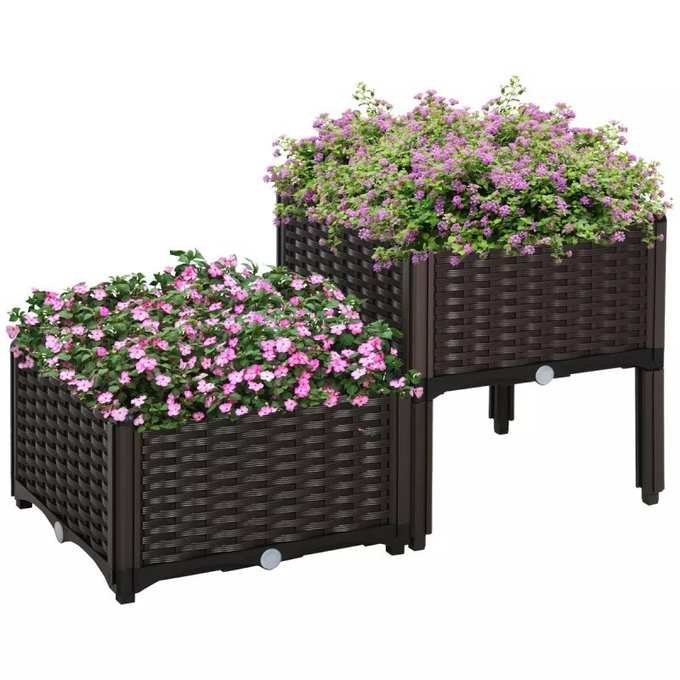
These plastic, wicker-style raised bed planters are ideal for plants that require good drainage.
FAQs
What are the best plants for fall pollinators?
When considering pollinator plants, you might initially think of bright blooms in spring and summer. However, it's essential to provide nectar sources for pollinators that linger into fall. Recommended plants for fall pollinators include various types of salvia, fuchsia, and plumbago that continue to flower after summer.
Even if you have a small garden, you can create a vibrant container garden that offers plenty of nectar for pollinators. By incorporating these plants, you'll attract numerous visitors to your yard.
If you wish to enhance your outdoor space further and transform it into a wildlife garden, consider constructing a bug hotel.



