

Curious about how to cultivate dill? Fresh herbs are essential for enhancing flavors in your dishes.
Dill (Anethum graveolens) is an excellent option for your kitchen garden, and it can thrive in small spaces or even containers, both indoors and outdoors.
This herb not only attracts beneficial insects like bees but also adds incredible taste to your meals. Here's everything you need to know to grow dill successfully.
Growing Dill
Historically, dill was valued for its medicinal properties, treating ailments from headaches to digestive issues. Nowadays, its seeds, leaves, and beautiful flowers are commonly used in cooking.
Though some find it challenging to grow, focusing on its preferred conditions makes it easier. You can cultivate dill from seeds or cuttings, whether in garden beds or pots. Our guide provides all the details you need.
Sowing Dill Seeds

Sow dill seeds indoors in early spring or directly outside from May to July. For indoor planting, use cell trays for individual seeds or scatter seeds in small pots. Before transferring them outdoors, acclimate the seedlings for about a week once the frost is gone. Space plants 12 inches (30 cm) apart.
According to gardening expert Don McCulley, for the best results, start indoor sowing six to eight weeks before the last frost, maintaining temperatures of 60 to 65°F (16 to 18°C). Germination typically takes 14 to 21 days.
In warmer climates, full sun is ideal for dill, while in hotter areas, partial shade can help.
To enjoy fresh dill throughout the season, McCulley recommends planting successively in early spring, June, and July.
Maintaining Dill in the Garden
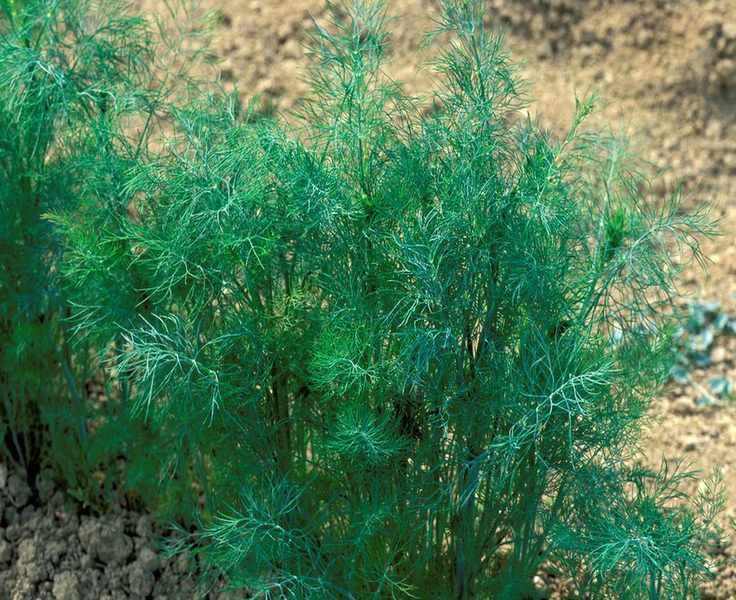
When setting up your kitchen garden, remember that dill thrives in sunny, sheltered areas with fertile, well-drained soil. Water regularly, especially in heat, and enrich the soil with compost or well-rotted manure to retain moisture. Avoid overwatering, though; too much moisture can harm the plants.
Monty Don advises, "Dill flourishes outdoors in sunlight, but it also grows well in a deep pot." He suggests sowing a row of seeds to quickly harvest leaves, flowers, and seeds.
Growing Dill in Containers
If you prefer container gardening, use large pots (1 to 2 feet deep) filled with peat-free multipurpose compost.
Keep pots indoors on a sunny windowsill during early spring if temperatures are below 60ºF (15ºC). Once seedlings reach about 3 inches (8 cm), thin them to 4 inches (10 cm) apart.
Just like garden-grown dill, container plants need regular watering, ensuring the compost remains moist but not soggy.
For indoor growing, place containers near a south or west-facing window for optimal light.
Extending the Life of Dill Plants

To encourage bushier growth, pinch off flower shoots. Taller dill varieties may require support if positioned in exposed areas.
If you've already enhanced the soil, additional feeding isn't usually necessary, but you can apply a liquid multipurpose plant food occasionally.
Harvesting Dill
Harvest dill leaves as needed during spring and summer to promote continuous growth and delay flowering.
If you have excess leaves, consider freezing or drying them. For drying, hang harvested dill in a dark, well-ventilated area for a few weeks. Once dried, remove leaves from stems and store in an airtight container.
For freezing, store stems and clip leaves as needed.
Gather flowers and add them to salads for a fresh touch.
To collect dill seeds, wait until late summer when they turn brown. Cut the stems and hang them upside down in a paper bag to catch the seeds. Store seeds in an airtight container.
Does Dill Survive Year-Round?

Dill is a biennial plant, dying back in winter and reemerging in spring. However, harsh winters can kill it completely. Growing dill indoors allows for year-round harvesting.
Successful Dill Cultivation Tips
Dill is generally easy to grow, but watch for signs of stress. The plant may bolt and flower if it dries out or its roots are disturbed, so keep it well-watered.
While dill attracts beneficial bees, it can also invite greenfly. Remove them with a gentle water spray or by hand. Alternatively, let nature take its course; hoverflies are drawn to dill and can help manage greenfly populations.
Monty Don notes that dill is vital for organic gardening since it attracts hoverflies, whose larvae feed on aphids.



