

Pruning shrubs is vital for maintaining their health and enhancing their beauty. Properly trimmed shrubs not only look tidy but also bloom beautifully each year. While the task may feel overwhelming, it’s manageable with the right approach.
With years of experience as a horticulturist working in various historic gardens, I’ve learned the art of pruning shrubs. It’s a rewarding task that can transform your garden.
Don’t let pruning intimidate you. To help you avoid common mistakes, this guide shares tried-and-true methods for trimming shrubs. Drawing from both my own experiences and insights from seasoned gardeners, you’ll be well-equipped to tackle pruning with confidence.

Key Strategies for Trimming Shrubs
Pruning serves various purposes: improving appearance, encouraging flowering, maintaining health, or revitalizing overgrown plants. Different shrubs have unique needs, such as butterfly bushes versus forsythia. However, some basic rules apply to all shrub pruning.
1. Assemble Your Tools

Having the right tools is crucial for effective pruning, and they should be clean and sharp. This ensures a smoother process and minimizes damage to your plants.
Typically, pruning shears and loppers are ideal for most shrubs, while a pruning saw may be necessary for older shrubs needing significant cuts. Don't forget to wear protective gear.
“Always use proper protection when pruning,” advises a gardening expert. “A good pair of gloves is essential, especially when dealing with thorny shrubs.”
2. Time Your Pruning Wisely

Timing is everything when it comes to pruning. Proper timing ensures your shrubs bloom and stay healthy, while incorrect timing can hinder flowering and increase vulnerability to pests.
Generally, prune spring-flowering shrubs after blooming, and summer-flowering varieties in late winter or early spring. Evergreens can be pruned in early spring or late summer.
3. Remove the 3 Ds
Begin by identifying and removing the three Ds: dead, diseased, and damaged branches. This initial step is crucial for the health of your shrub and aids in better air circulation.
4. Eliminate Weak and Crossing Stems
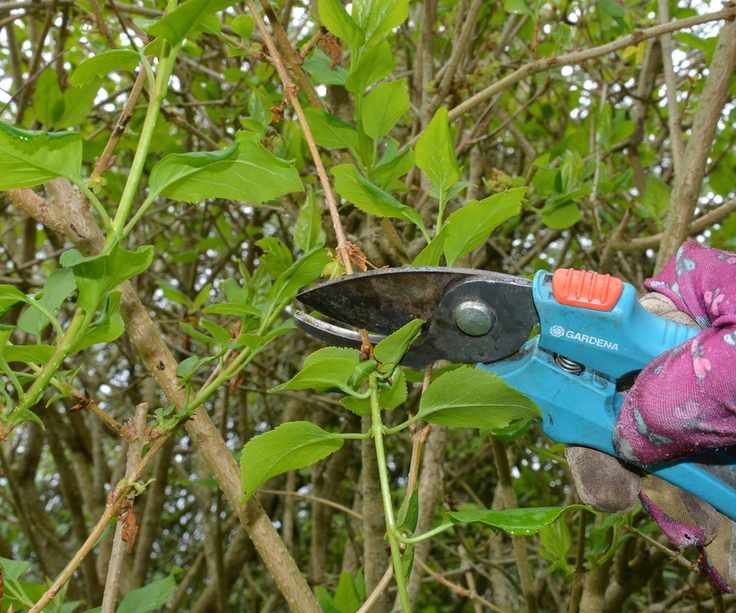
Remove any weak, spindly stems, as well as those that rub against each other. Such stems can create entry points for diseases.
5. Thin the Center

Don’t just focus on the outer shape; trim the center of the shrub to promote airflow and prevent disease. This helps the shrub grow healthy new stems.
6. Shape Your Shrub

Decide on the desired shape and prune accordingly to maintain a compact and tidy appearance. Aim to cut back to just above a node for optimal growth direction.
7. Make Clean Cuts

Using proper cutting techniques is vital. Prune branches at a downward angle to allow rain runoff, which helps prevent diseases.
8. Avoid Over-Pruning

Be cautious not to prune too aggressively. If a shrub needs significant rejuvenation, do it gradually, removing about a third each year. This maintains blooming while allowing for recovery.
Common Pruning Mistakes
What Should You Avoid When Pruning Shrubs?
Avoid common pitfalls like over-pruning, improper timing, using blunt tools, or lacking a clear goal. These mistakes can hinder flowering and expose your shrubs to pests.
When planning your pruning schedule, remember summer-flowering shrubs like spirea and hibiscus should be pruned in spring. This timing is essential for a stunning summer display.



