
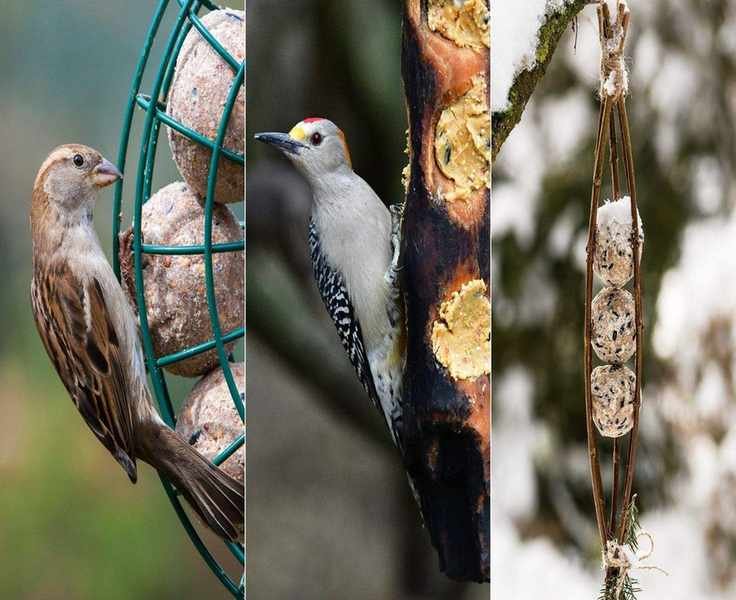
Creating fat balls for birds is an enjoyable weekend activity that offers vital sustenance to feathered visitors in your yard.
Winter often brings harsh conditions, leaving many birds struggling to find food. As the cold weather extends, birds increasingly rely on humans for survival. Therefore, feeding birds during the winter months is a crucial responsibility for every homeowner. You don't need a backyard to help; fat ball feeders can easily attach to your apartment window, making it accessible for everyone.
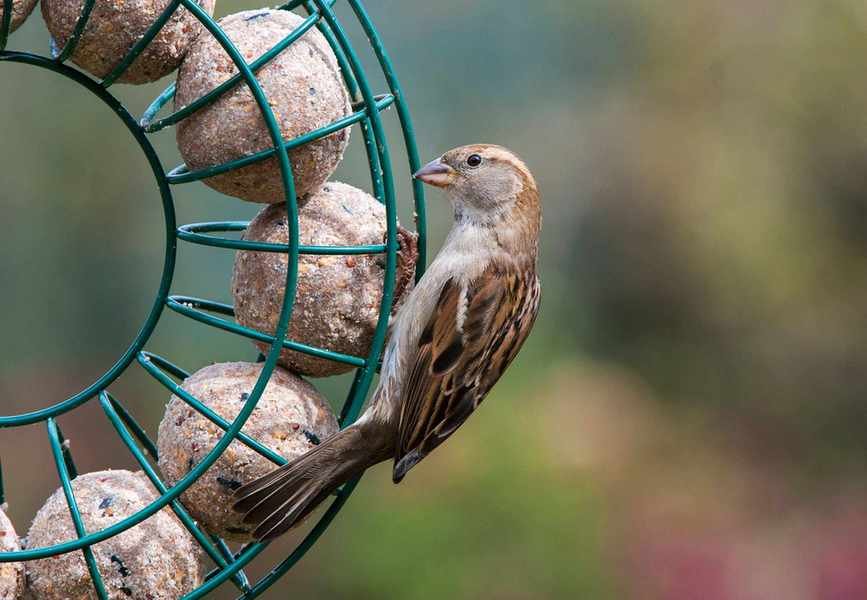
'Birds require extra calories to maintain warmth in the cold. Suet, known for its high-fat content, is a favorite among woodpeckers and other insect-eating birds,' explains Ethan Howell, co-owner of Florida Environmental.
How to Create Fat Balls for Birds
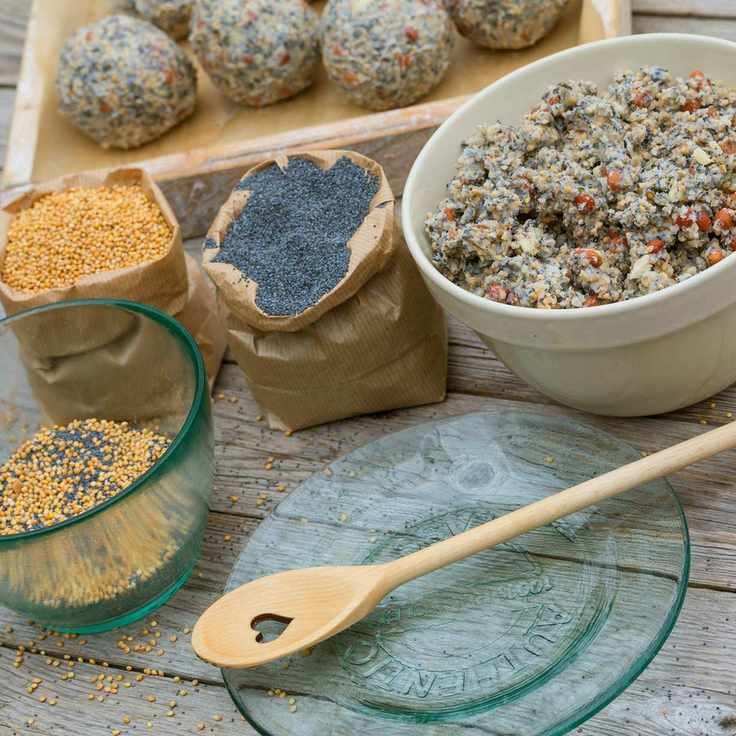
Fat balls serve as an excellent food source for birds. When prepared correctly, they combine both fat and protein, providing the necessary energy for survival during winter. While you can purchase fat balls for birds (Amazon offers a variety of fat balls for wild birds, featuring different seeds for various species), making your own is both easy and enjoyable. In addition to fat balls, consider incorporating birdhouse ideas or birdbath ideas to transform your outdoor space into a sanctuary for birds.
Here, Anna Feeney from the Royal Society for the Protection of Birds (RSPB) shares the essential steps for crafting fat balls:
1. Prepare Your Dry Mixture
At its core, fat balls consist of a blend of two parts lard or suet to one part dry mixture. This dry mixture should include high-quality birdseed, raisins (be cautious if you have pets, as raisins can be harmful), peanuts, and grated cheese.
2. Soften the Fat
Let the lard or suet warm to room temperature without melting it. Cut it into small pieces and place it in a mixing bowl.
3. Combine the Ingredients
Add half of the dry mixture to the bowl and mix. Gradually incorporate more of the dry mixture while squeezing until the fat binds everything together.
4. Form the Fat Balls
Shape the mixture into balls or use one of the hanging methods described below.
How to Hang Fat Balls for Birds
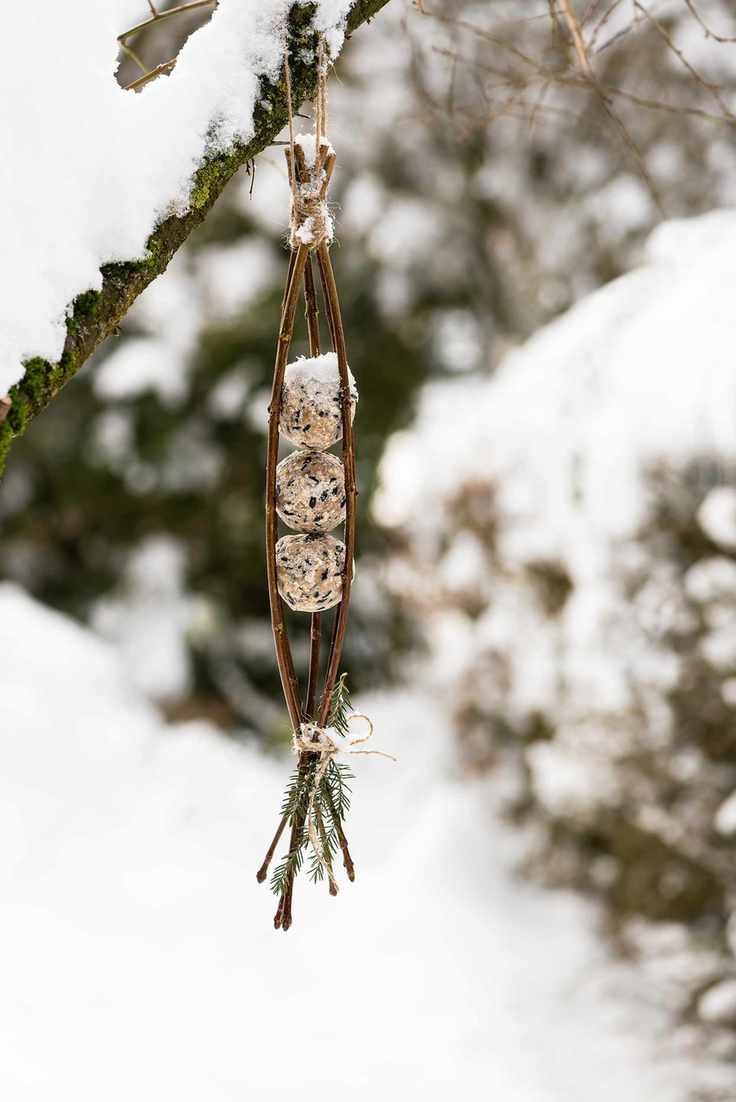
After preparing your mixture, there are several ways to secure the fat balls for birds. While Amazon also sells ready-made suet ball feeders, you can easily create your own using the following ideas:
- Pinecones – Use a spoon to pack the mixture into the crevices of a pinecone, then refrigerate overnight before hanging.
- Wire Basket – Form a circular basket from chicken wire using a tennis ball, cradle your fat ball inside, and hang it from a tree with string. Roll the mixture into balls, let them set in the fridge or freezer, and then place them in the basket.
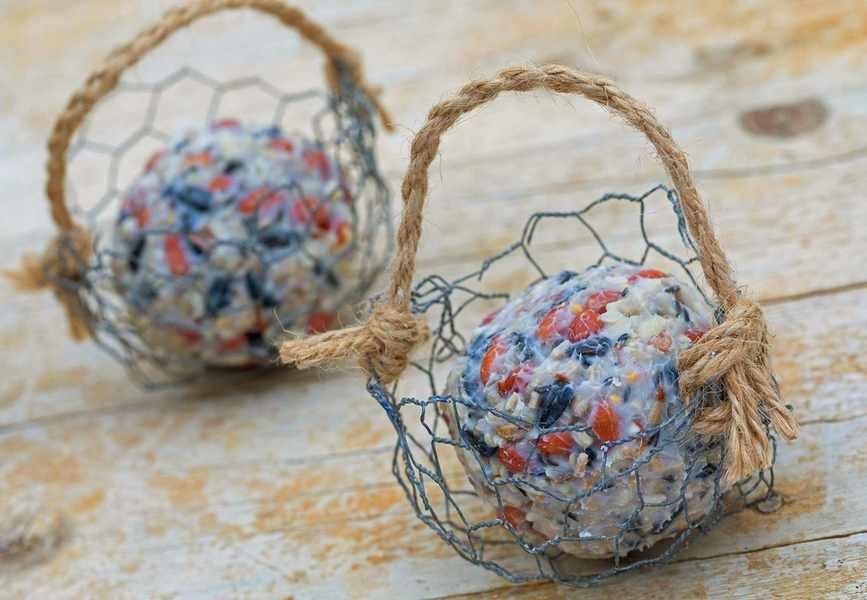
Fat balls in wire baskets
- Coconut Shell – Fill half a coconut shell with the mixture and refrigerate overnight.
- Downpipe Guards – Use metal or plastic downpipe guards to hold fat balls. Roll the mixture into balls, let them set, and place them in the center of the guard, bending the spokes to secure them in place.

Fat balls in downpipe guards
- Log with Holes – Drill holes at regular intervals in a tree branch (approximately 12 inches long and 4 inches in diameter). Fill the holes with the fat ball mixture, screw a hook into the top, and hang it from a tree.
- Free Hanging – Use a mold, such as a yogurt container or silicone cupcake cases, with string running through the middle like a wick. Allow it to set overnight in the fridge, then remove the container and hang outside.
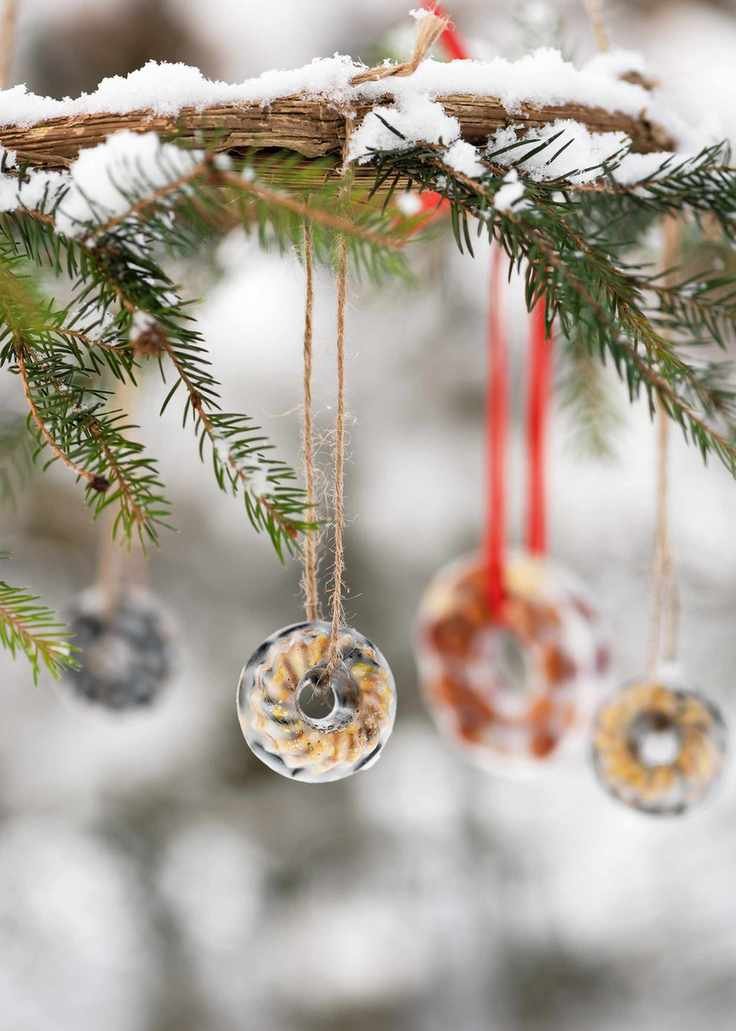
Although many commercial fat balls come in netting, it's best to avoid these as they can entangle and harm birds when they attempt to feed.
What Ingredients Are Used in Fat Balls for Birds?
Various recipes exist for making fat balls, but they generally consist of a mixture of suet and birdseed.
'You can create your own bird cake by melting suet or lard and combining it with ingredients like seeds, nuts, dried fruit, and oatmeal, then molding it in coconut shells or logs with drilled holes. Avoid using margarines or oils, as they can be harmful to birds and may ruin their feathers' waterproofing,' advises garden expert Leigh Clapp.
How Do You Ensure the Fat Ball Sets Properly?
'Ensure the suet or lard binds the other ingredients well. Don't skip the refrigeration time; this hour is crucial for keeping the fat cake intact outdoors. Monitor them closely to ensure freshness, and discard any that are older than three weeks, even in cold weather, as the fat can spoil,' explains Anna Feeney.
Are Fat Balls Beneficial for Birds?
Absolutely! Fat balls provide essential energy that birds often struggle to find during winter months.
'When temperatures drop significantly, local birds will rely on your support. Offer high-calorie foods like suet blocks, fat balls with sunflower seeds, and peanuts. Distribute this food in various feeders or place it on elevated surfaces to protect it from predators. Some birds prefer not to feed from hanging feeders, so provide alternatives,' adds Leslie Vincent, a horticulturalist at Atkins Garden Shop.
Creating fat balls for birds can also be a wonderful project for gardening with children. It not only benefits the birds but also fosters your child's interest in wildlife and conservation.

When Should You Offer Fat Balls to Birds?
While you can feed birds year-round, fat balls should primarily be offered as part of your winter garden plans. The warmth of spring and summer can cause lard or suet to melt, creating mess and potentially damaging birds' essential waterproofing if it gets on their feathers.
In addition to fat balls and birdseed, consider incorporating bird-friendly plants in your garden to provide a variety of food sources throughout the year.

Is Making Your Own Fat Balls More Cost-Effective?
Yes, crafting your own fat balls is generally cheaper than purchasing them pre-made. Suet and lard, the main ingredients, are quite affordable, as is birdseed.
For instance, Farmer John Premium Lard costs approximately $8 for a 4lb tub, while birdseed is around $7 for a 10lb bag at Walmart. In contrast, buying an 11.75 oz Wild Bird Food cake costs $1.22. For just $15, you can make the above recipe yielding 96 oz of fat balls while also having 8lb of birdseed left for your feeders.
Once your fat balls are prepared, store them in a sealed container in the freezer for up to three months. You can place them outdoors as needed, allowing them to thaw naturally.
Where Should You Hang Fat Balls?
'Location is key when it comes to feeding birds. You don't need a large yard, but it's advisable to position feeders in a quiet, open space, ensuring birds aren't disturbed and are safe from predators,' recommends Sarah Hancocks.
'Fat balls can be provided in various ways. Hang them in a feeder from a tree, ensuring they are not in a net bag, as birds can get tangled. Position them at least one meter off the ground.
'You may also purchase specialized fat ball feeders featuring a metal spiral design, allowing birds to perch while they feed without getting stuck. Alternatively, break them into smaller pieces and place them on a table feeder for a high-energy meal for your birds,' adds Sarah.
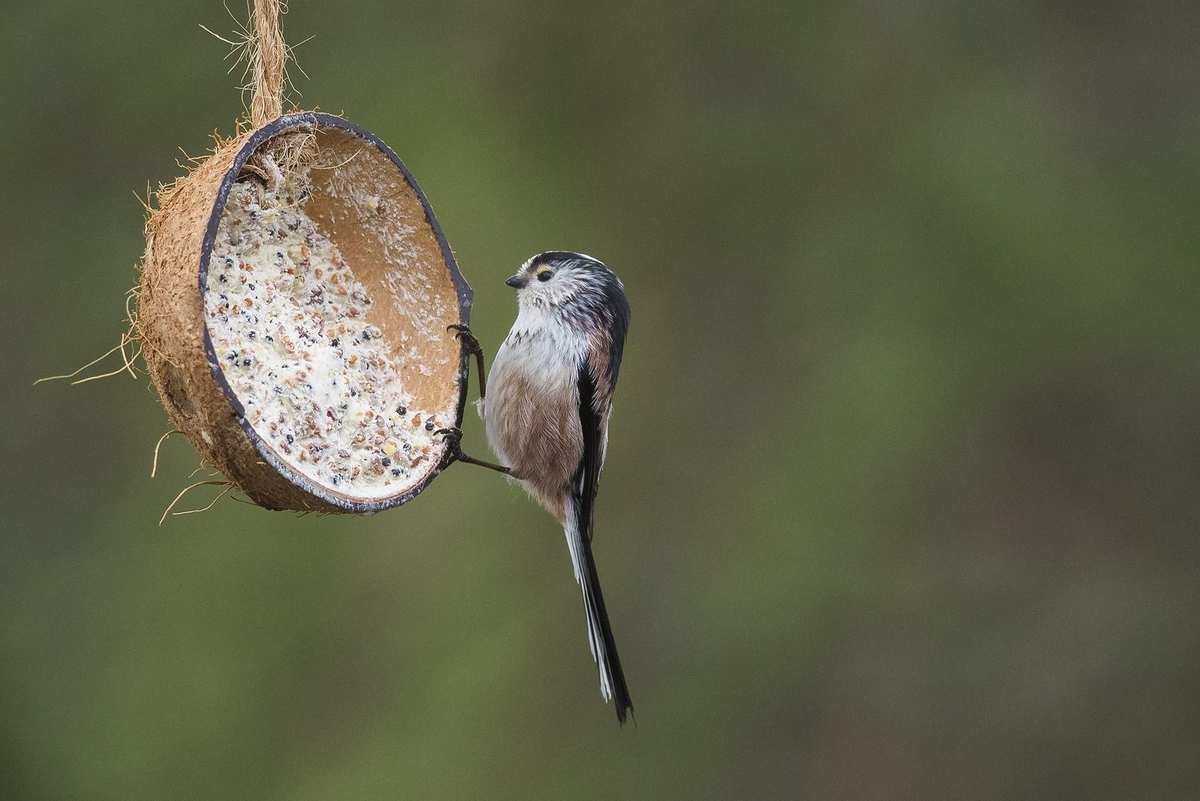
Why Might Birds Ignore Fat Balls?
If birds aren't eating fat balls, it could be due to their location; they may feel exposed and vulnerable. If they seem uninterested, try relocating the balls to a more secluded area.
Another possibility is that the fat balls have become stale. 'Freshness is crucial; birds will bypass old or moldy food for fresher options, so it's essential to rotate your fat balls regularly,' advises Sarah Hancocks from Vivara. 'Generally, fat balls attract a wide variety of birds, so they are usually popular. Choose fat balls containing black sunflower seeds, chopped peanuts, and oils to appeal to even the pickiest birds.'



