
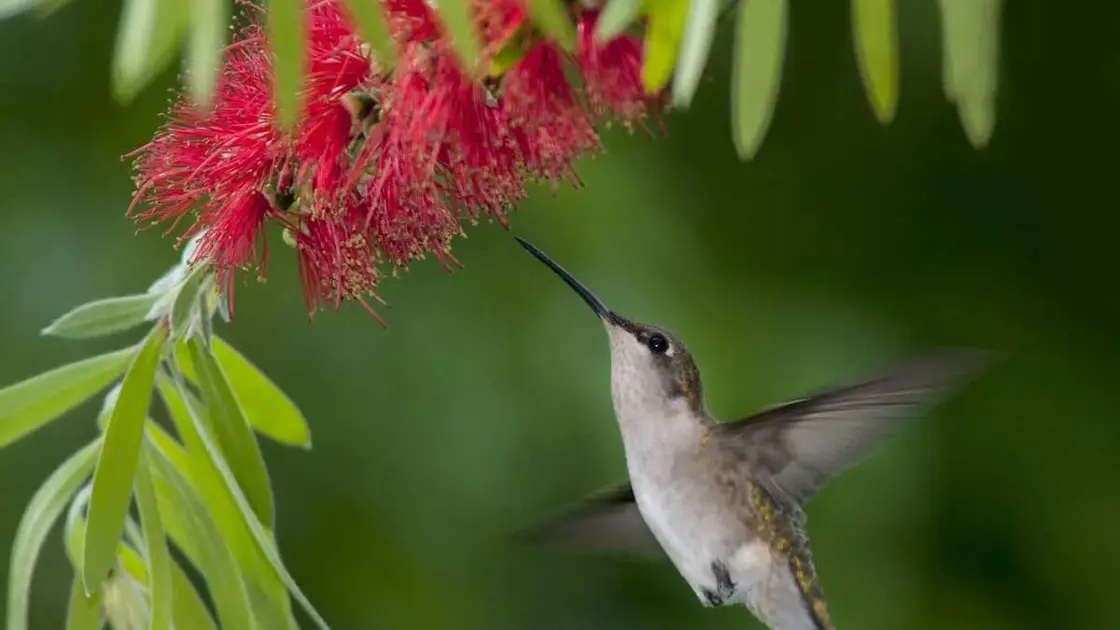
Originating from Australia, bottlebrush trees have become a popular choice in gardens across the globe. Named for their unique flower stamens that resemble a brush, these trees, scientifically known as Callistemon spp., are celebrated for their striking blooms, which come in shades of crimson, pink, or white during spring and summer.
Generally, bottlebrushes require minimal maintenance and are easy to cultivate. However, like any plant, they can encounter certain pests and issues that need attention. Identifying these problems accurately is essential for resolving them quickly.
As a professional gardener, I tended to a sizable bottlebrush tree in a compact front garden in London. While mastering bottlebrush cultivation was fairly simple, consistent care and upkeep were vital for maintaining this vibrant plant's health and bloom production.
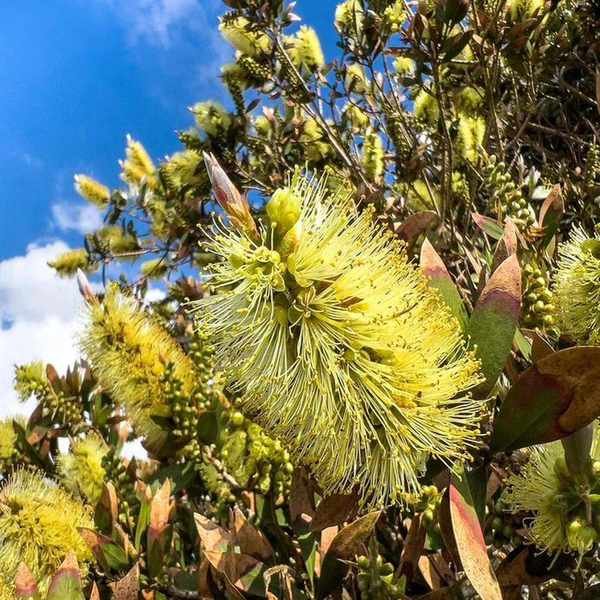
Common Issues with Bottlebrush Trees
With their vivid and striking flowers, bottlebrush trees make a bold statement in any landscape. These tropical-style trees thrive in US hardiness zones 8 to 10, flourishing in warmer regions characterized by hot summers and mild winters.
When designing your garden, proper placement is crucial. Make sure your bottlebrush tree receives ample sunlight, ideally six to eight hours of direct sunlight daily.
In this guide, I will outline three prevalent issues that bottlebrush trees face, drawing on insights from a tropical plant expert based in Florida.
1. Yellowing Leaves on Bottlebrush Trees
Despite being generally low-maintenance, there are a few problems to be aware of, including yellowing leaves. According to Tatiana Anderson, a plant expert and co-founder of Top Tropicals, this can indicate overwatering. 'Bottlebrush trees thrive in well-drained soil, so avoid planting them in heavy clay unless you can enhance drainage,' she advises.
Overwatering can lead to root rot, which bottlebrushes are particularly susceptible to, so it's essential to prevent waterlogged conditions. Tatiana suggests gently scraping away an inch or two of soil around the plant's base to check moisture levels. Alternatively, a soil moisture meter from Walmart can help you determine the soil's moisture level accurately.
If you find the soil is too wet, improving drainage is necessary. One method is to enrich your garden beds with organic matter in the fall, such as homemade leaf mold or store-bought compost. This will gradually enhance soil structure for better drainage.
Yellow leaves may also signal a pH imbalance in the soil. Bottlebrush trees prefer neutral to slightly acidic soil, with a pH range of 5.5 to 7.0. You can check the soil's pH using a soil test kit from Amazon. If the pH is above 7.0, consider applying garden lime or a soil acidifier to adjust it.
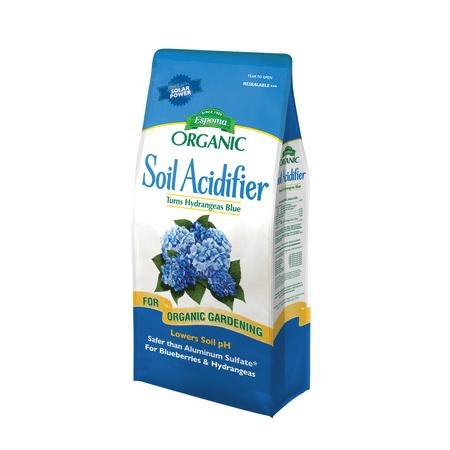
This organic soil acidifier is designed to enhance the health of your bottlebrush plants by slightly lowering soil pH.

Tatiana Anderson is co-owner and co-founder of Top Tropicals, located in Fort Myers, Florida. Top Tropicals cultivates and sells a variety of flowering and fruiting tropical plants.
2. Frost Damage on Bottlebrush Trees

Bottlebrush trees are not tolerant of cold weather and can struggle in northern climates, particularly in areas within US hardiness zones 5 and below. 'Frost can harm the leaves and even kill branches during severe winters,' Tatiana warns.
To protect your bottlebrush tree during frost or snow events, it's advisable to cover it with a frost cover from Amazon.
If frost damage does occur, you can prune away any dead or damaged branches in early spring, just before the tree begins to bud. This allows the plant time to regenerate and fill in any gaps with new growth.
Be sure to use clean, sharp tools when pruning, like these Felco pruning shears from Walmart.
3. Infestations of Pests

While bottlebrush trees are generally resistant to pests, it's essential to watch for scale bugs. These small sap-sucking insects are easily recognized by their brown, black, or gray outer shells resembling scales.
Although a few scale bugs can be tolerated, larger populations can lead to irregular growth and leaf drop. They thrive in warm, humid environments with mild winters.
To manage scale bugs, you can remove affected foliage for minor infestations and dispose of the clippings in your green waste. For more extensive outbreaks, consider using organic horticultural oils like neem oil, which effectively targets scale bugs while minimizing harm to beneficial wildlife. Organic neem oil is available from Walmart.
Frequently Asked Questions
When Should You Fertilize Bottlebrush Trees?
'Bottlebrush trees typically do not require heavy fertilization; they usually absorb what they need from the soil,' Tatiana explains. 'In spring, you can lightly sprinkle a balanced, slow-release fertilizer at the base of the tree. However, be cautious not to over-fertilize, as this can lead to excessive foliage growth at the cost of blooms.'
Though established bottlebrush trees are notably drought-tolerant, it's wise to provide water during prolonged hot spells. Inadequate moisture during dry conditions can result in brown, crispy leaves, especially in younger trees. To mitigate this, infrequent but deep watering during the summer months is advisable.



