
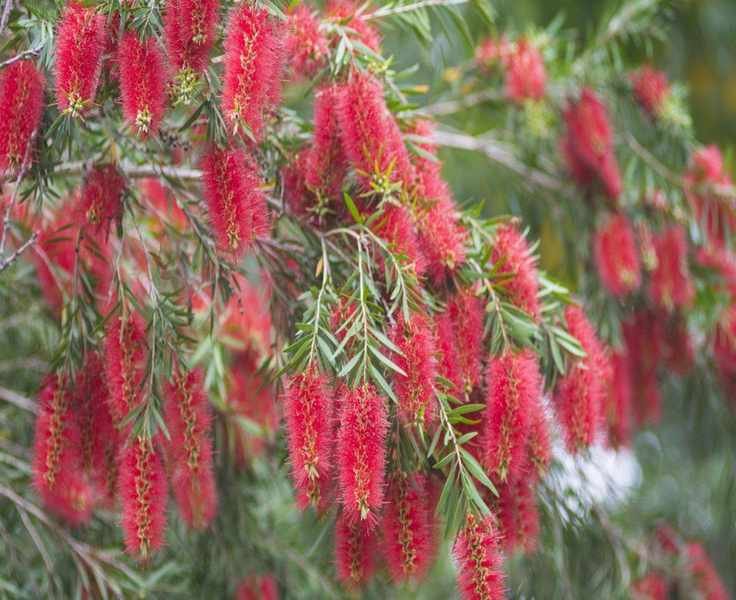
Vibrant and eye-catching, bottlebrush plants are among the most captivating flowering shrubs for sunny gardens.
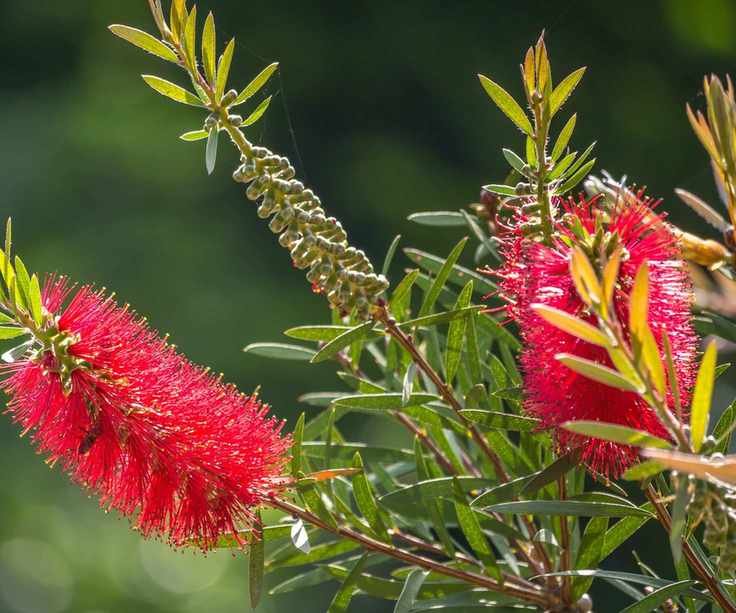
Part of the Callistemon family, these plants produce stunning crimson flowers with a fluffy appearance, as thousands of stamens contribute to their unique look. It's this brush-like quality that gives the plant its popular name.
Additionally, bottlebrush shrubs and trees are beloved by pollinators, drawing in buzzing insects throughout the summer. Below, we share essential tips for growing bottlebrush trees in pots or borders, bringing color and drama to your landscape.
Growing Bottlebrush Plants
Bottlebrush shrubs and trees can bloom profusely, heralding the arrival of spring and summer with thousands of striking flowers. In addition to standard bottlebrush varieties available on Amazon, you can also find dwarf Callistemon options at Walmart, making them suitable for smaller outdoor spaces. If you're seeking tropical garden inspiration, consider adding a bottlebrush to your list.
Key Information on Bottlebrush Plants
Originating from Australia, bottlebrush plants are recognized as some of the best fast-growing flowering shrubs. "Cultivating bottlebrush can be quite fulfilling due to their striking flowers and their appeal to pollinators," notes plant expert Tatiana Anderson, co-founder of a tropical plant nursery.
These plants thrive in US hardiness zones 8 to 10. "They flourish in warm conditions and can manage light frost, but harsh cold can harm or kill them," Tatiana explains. Fortunately, bottlebrush plants typically encounter few issues with pests or diseases.
"Some bottlebrush varieties can grow quite large," Tatiana points out, "so ensure they have ample space to spread without overcrowding from other plants or structures."
These plants generally flower from late spring to early summer, though in milder climates, you might see blooms throughout the year.
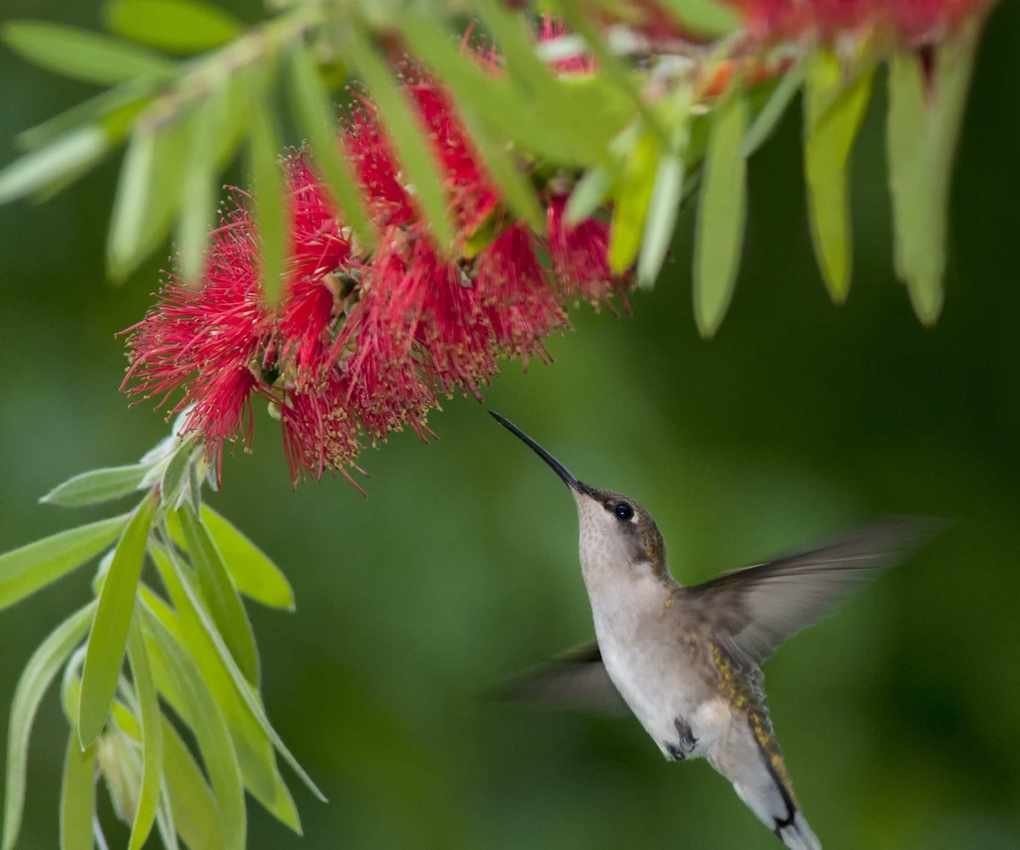
With their nectar-rich, bright red flowers, bottlebrush plants attract bees, butterflies, and hummingbirds, making them a fantastic choice for wildlife-friendly gardens.
Scarlet Bottlebrush
This scarlet bottlebrush plant, Callistemon citrinus, will bring bold visual interest to your yard. Its striking blossoms enhance garden borders and container displays.
Tips for Cultivating Bottlebrush Plants

- Soil: Bottlebrush plants prefer soil that drains well. While they can tolerate less-than-ideal soil, sandy or loamy substrates with good drainage are best. Avoid heavy clay unless you amend it with quality soil.
- Light: These sun-loving plants thrive in full sun, requiring 6 to 8 hours of direct sunlight daily.
- Water: Once established, bottlebrush plants are drought-tolerant and can handle hot summers. However, keep the soil moist during the early growth phase. Regular watering during dry spells will support their health.
- Fertilizing: While not demanding heavy feeding, applying a balanced, slow-release fertilizer in spring can enhance growth and blooms. Avoid over-fertilizing, which can lead to excessive leaf growth over flowers.
- Pruning: To maintain shape and remove any dead or diseased branches, prune your bottlebrush after flowering in summer.
Can I Cultivate Bottlebrush Shrubs in Containers?
Definitely! Bottlebrush shrubs thrive in pots, making them a lovely addition to your container display, often blooming throughout spring and summer. Consider a dwarf variety like Callistemon viminalis 'Little John', which reaches about 3 to 4 feet tall. Ensure proper drainage and water your pots regularly during hot weather.
If you're seeking a unique flowering shrub this season, a bottlebrush tree will deliver color and impact to your outdoor space. For more tropical inspiration, check out our guide on growing orchid trees for additional stunning blooms.



