
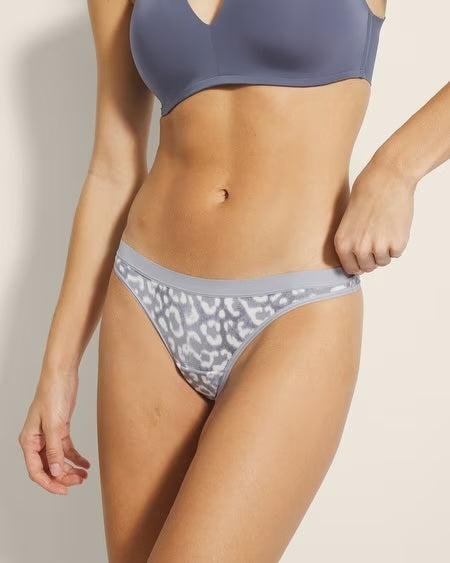
Tracing the Evolution of Thongs: From Ancient Times to Today
Thongs have become one of the most debated yet recognizable pieces of lingerie in modern fashion. They are often chosen for their seamless look under clothing, striking aesthetics, or simply for personal style. Their influence in both lingerie and swimwear is undeniable.
But who truly created the thong, and how did it transition into the widely accepted piece it is now?
Ancient Origins: The Timeless Minimalist Undergarment
The loincloth stands as one of humanity's earliest garments, essentially a piece of fabric tucked between the legs and tied around the waist. These basic garments fulfilled similar roles as today's thongs: providing modesty, protection, and comfort, especially in warm climates, primarily covering male genitalia.
In ancient Peru, men donned garments resembling thongs, while in Japan, the fundoshi served as a similar undergarment. Sumo wrestlers have historically worn the fundoshi, showcasing its cultural importance. Though these garments weren't considered lingerie, they hint at the early idea of minimal coverage that characterizes modern thongs.
The Modern Thong: Shifting from Functionality to Fashion
The modern thong began to emerge in the 20th century. A notable turning point happened in 1939 when New York City Mayor Fiorello LaGuardia ordered nude dancers at the World's Fair to don more clothing. Designers crafted garments that concealed nudity, effectively creating what we now recognize as the thong.
However, the real transformation occurred decades later. In the 1970s, Rudi Gernreich, a designer known for challenging social norms, introduced the first commercially available thong swimwear in the United States. The 1974 ban on nude sunbathing in California inspired Gernreich to develop the thong swimsuit as a solution.
Brazil's Impact: The Rise of the Brazilian Thong
While Gernreich popularized the thong in the U.S., Brazil significantly boosted its global recognition. In the 1980s, Brazilian beaches showcased the “tanga” and “fio dental” (translated as “dental floss”) bikinis. These daring swimsuits gained traction for their minimal back coverage and bold designs, promoting body confidence and sensuality, which influenced designers worldwide to incorporate Brazilian styles into their collections.
Mass Market Breakthrough: Victoria's Secret and the Thong Explosion
By the 1990s, brands like Victoria's Secret catapulted thongs into mainstream fashion in the United States. Their marketing strategies and runway events played a critical role in popularizing thongs, showcasing them as glamorous and feminine items in various colors and fabrics. The infamous “whale tail” moment—when thong waistbands peeked above low-rise jeans—became iconic in early 2000s pop culture, driven by celebrities like Britney Spears and Christina Aguilera. This period marked a surge in thong popularity and consumer interest.
So, Who Truly Invented the Thong?
There's no single creator of the thong; rather, it's a garment shaped by centuries of cultural evolution, reimagined across different regions and times. Fashion historians trace its roots through significant cultural milestones, recognizing its evolution alongside historical events like the 1939 World's Fair. While designer Rudi Gernreich is often credited with shaping the modern thong for Western culture, the concept itself has ancient origins.
Final Thoughts: Beyond a Simple Undergarment
Today, thongs come in various styles, including narrow strips, G-strings, tangas, cheeky cuts, and high-waisted options, catering to diverse body types and preferences. As a favored choice that has evolved, the thong serves as a practical garment, ensuring comfort and eliminating visible panty lines, suitable for both everyday wear and special occasions. Whether aiming for a smooth silhouette under a bodycon dress or embracing body confidence, the thong stands as a testament to both practicality and personal expression.
Curious about the origins of undergarments? The thong remains a popular choice for many. Let's explore its history and uncover its roots.
Origins of the Thong
The modern high-rise thong can be traced back to the 1930s in Brazil. Yet, the idea of minimal coverage underwear stretches back much further. Civilizations like the Greeks, Romans, and Egyptians had their own versions of minimalistic garments resembling today's thongs. These historical examples demonstrate the deep cultural roots of thong-style underwear.
Modern Evolution: The 1970s brought thongs into the Western spotlight. Fashion designers began including them in lingerie collections, symbolizing sensuality and liberation. The introduction of the thong swimsuit in 1974 signified a shift toward promoting sexual freedom and self-expression, challenging societal norms.
Rudi Gernreich's 1974 creation of the “monokini,” a topless swimsuit with a bottom that exposed the buttocks, laid the groundwork for the modern thong. His design aimed to evoke the sensation of nudity while providing essential coverage.
Popularity and Debate: Despite initial controversies, thongs gained traction in the late 20th and early 21st centuries. Their role as a symbol of sexual maturity sparked discussions around sexuality and fashion. However, around 2010, sales began to decline as preferences shifted towards more comfortable styles like boy shorts.
Who Created the Thong? A Comprehensive Look at a Fashion Phenomenon
The thong swimsuit stands out as a controversial yet undeniably iconic undergarment today. With its scant coverage and bold cultural messages, the thong bikini connects functionality, style, and personal empowerment. Thongs have fluctuated in popularity within fashion, often brought to the forefront by runway shows and public events. While the question of who invented the thong lingers, the reality depicts centuries of evolution and design innovation, with various influences shaping its journey.
1. Ancient Foundations: The Loincloth and Global Origins
1.1 The Loincloth: Humanity's First Minimal Garment
The thong's minimalist design reflects ancient garments like loincloths, which emerged as practical solutions in warm climates. Civilizations such as Egyptians, Mesopotamians, and Indigenous peoples across Africa crafted rectangular pieces of cloth—often from animal skin or woven fabric—secured at the waist and between the legs, allowing for movement while maintaining modesty.
1.2 Variations in Pre-Columbian and Pacific Cultures
Ancient Peruvian societies, including the Chavín (900–200 BCE), utilized loincloths similar in function to thongs. Additionally, garments resembling thongs appeared in Polynesia and Micronesia, influenced by environmental and cultural needs. These early undergarments illustrate that minimal clothing concepts transcend geography and time.
1.3 Japanese Fundoshi
During Japan's Edo period (1603–1868), the fundoshi gained prominence. This loincloth, made from recycled fabric such as cotton, wrapped around the waist and was secured through folding. Used for work, festivals, and rituals, the fundoshi exemplifies a traditional garment rooted in cultural identity.
2. Function and Morality: From the 1930s Onward
2.1 The 1939 World's Fair
A critical moment unfolded in 1939 when Mayor Fiorello LaGuardia mandated that nude dancers at the New York World's Fair be covered. Designers responded by crafting tiny fabric pieces that maintained modesty—early versions of the modern thong. This marks one of the first recorded instances linking the thong's design to performance and societal norms.
3. Rudi Gernreich & the Thong Revolution in the U.S.
Meet Rudi Gernreich—a pioneering designer who lived on the cutting edge of fashion. Renowned for introducing the monokini in 1964, Gernreich embraced liberation through garments that redefined societal norms.
The Thong's Arrival in Swimwear: Gernreich may not have invented the thong, but he was among the first to bring Western thong-style bottoms to swimwear by the late 1960s. Crafted with minimal fabrics, these early thongs captured the daring spirit of the era.
4. Brazilian Innovation: The Tanga and Fio Dental
Birth of the Brazilian Cut: In 1984, designer Newton Souza from Rio de Janeiro introduced Agua de Coco swimwear, featuring the radically minimal “tanga” bikini. These designs embraced the sunbathing culture and sensual expression, with string sides and minimal fabric, later known as fio dental.
5. Victoria's Secret and the Thong Boom
The Whale Tail Phenomenon: By the early 2000s, the infamous whale tail—the thong waistband above low-rise jeans—became a pop culture symbol. Celebrities like Britney Spears and Christina Aguilera normalized thong visibility, firmly embedding it in everyday fashion discourse.
6. Evolution of Thong Styles in the 21st Century
6.1 Rise of the G-String
The G-string emerged as a near-invisible variant, featuring a thin front strip held by two strings at the back—ideal for seamless looks beneath fitted clothing.
6.2 Cheekies, Tangas & Hybrid Styles: Variations like cheeky, tanga, and V-string gained traction, combining minimalist thong aesthetics with enhanced comfort and coverage options, offering diverse consumer choices.
7. Function, Fashion & Cultural Symbolism
Controversy and Social Conversations: Thong underwear sparking debate—some deem it inappropriate or too suggestive. Discussions around public decency, workplace attire, and school policies reflect ongoing tensions between conservative values and personal freedom.
8. Who 'Really' Invented the Thong? A Multifaceted Answer
The thong's history lacks a single inventor—there's no specific designer credited with its creation. Instead, the thong is a culmination of influences: from ancient loincloths and fundoshi to mid-20th century designs and Brazilian swimwear innovations.
9. What Does It Mean Today? Inclusivity, Innovation & Identity
Modern Fabrics & Technology: Today's thongs feature seamless technology, laser-cut edges, breathable fabrics, and even eco-friendly materials. Comfort and sustainability have become crucial alongside style.
Cultural & Fashion Significance
The thong symbolizes confidence and choice, encompassing everything from retro glamour to artistic expression on the runway. Celebrity influence, particularly from figures like Kim Kardashian, has played a pivotal role in integrating thong underwear into mainstream fashion and pop culture.
Ultimately, the question of who invented the thong reveals a rich tapestry of cultural innovation, with no single creator responsible. From loincloths to fashionable lace, the thong's journey illustrates that sometimes the simplest garments carry the most profound stories.



