
For as long as I can remember, falling asleep has been a challenge. My mind races at night, making it difficult to relax and drift off.
Over the years, I've tried various solutions for my insomnia, from herbal teas to sleep aids, and even adjusting my evening habits like avoiding screens. However, I learned that proper bedroom organization could significantly enhance sleep quality.
I spoke with two sleep specialists to discover how to rearrange my bedroom for optimal rest. After applying their advice, I was thrilled to see real improvements in my sleep.
Four Steps to Create a Sleep-Friendly Bedroom
1. Clear the Clutter Before Organizing

A decluttered dresser featuring a cherished handmade gift, a certificate, and essential craft supplies to inspire creativity.
Before organizing, it's crucial to declutter your bedroom. Organizing clutter will only lead to a tidy mess. A serene atmosphere is vital for relaxation, so eliminate anything that disrupts tranquility.
Julia Siemen, a certified sleep coach, states, 'Decluttering is essential to make your bedroom feel open and peaceful. Disorganized items can create stress, impacting your ability to unwind.'
Julia identifies three major clutter zones in a bedroom: surfaces (like nightstands and desks), closets, and under the bed.
'Clearing out storage areas such as closets and under-the-bed spaces can significantly reduce clutter and open up your room,' Julia advises.
Tackling busy surfaces like nightstands is another effective way to enhance a sense of space, preventing them from becoming dumping grounds.
Organize your nightstand drawers, discarding anything unnecessary to free up surface space.
After hearing this, I emptied my under-bed storage and categorized the items. Grouping similar items simplifies the decluttering process, allowing me to easily identify what I wanted to keep or donate.
I ensured my spare blankets were neatly folded, and my yarn was stored together in a plastic tote. This kept everything dust-free and organized.
I consciously cleared surfaces to contain only items I cherish or frequently use. It's astonishing how quickly surfaces can gather clutter; removing everything allows you to see just how much there was.
2. Be Mindful of Your Bedroom Items' Emotional Impact
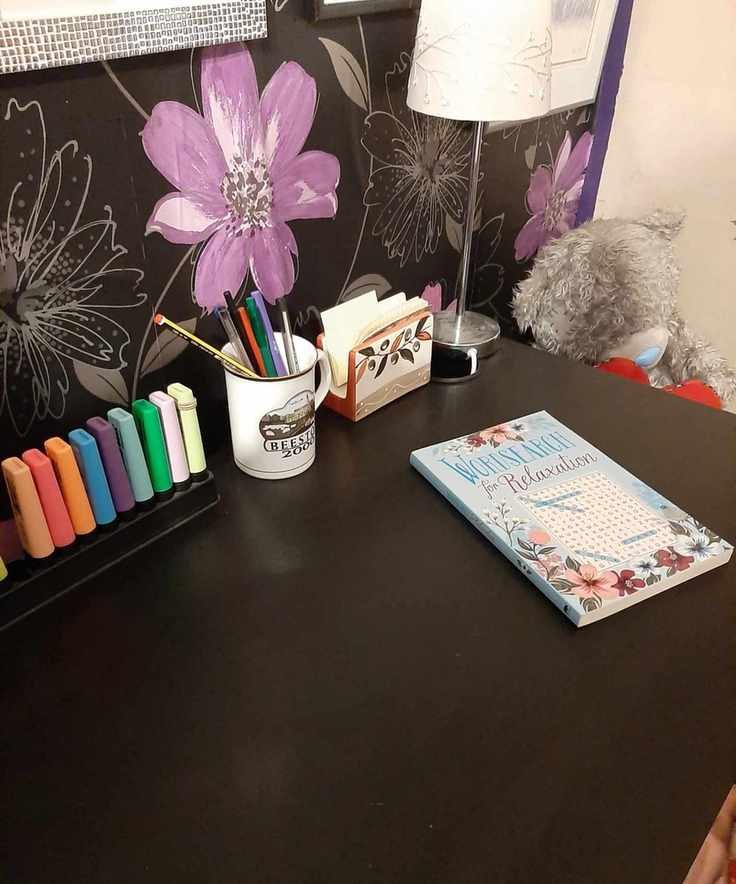
My desk, organized and free of work-related distractions before bedtime.
Upon closer examination of my room, I realized each item influences my feelings. While my stuffed animals provide comfort, having my work materials visible reminds me of tasks when I should be relaxing. Even an overlooked trash can can be a distraction that lingers in your mind.
Carlie Gasia, a sleep and wellness coach, notes, 'Your bedroom should foster relaxation. Remove anything that disrupts this calming ambiance.'
Inspired by Carlie's advice, I began storing my laptop and work notebooks in my desk drawer at night, keeping distractions out of sight. If space allowed, I might even relocate my desk to further separate work from sleep. However, keeping work items out of view and adding a few joyful decorations on my desk has been a powerful method to enhance my sleep environment.
I also replaced my open trash can with a lidded version to avoid the sight of trash, which can be distracting when trying to sleep.
3. Optimize Your Bed Setup

My bed, cozy and neatly arranged.
I typically use one large pillow and a smaller one for neck support, alongside my favorite stuffed animals. My bed is strategically placed near a wall with an outlet, allowing me to read softly without harsh overhead lighting.
Carlie emphasized the importance of optimizing both the bed and bedding. Comfort isn't just about sheets; the overall setup needs to meet your needs.
'Your bed is the focus of your sleep space. Ensure it's tidy and comfortable for the best rest,' Carlie recommends.
I realized that at times, my stuffed animals crowded my bed, making it feel cramped. To alleviate this, I installed a shelf to store them when not in use, creating more space and a cleaner look.
I also shifted my bed slightly away from the wall to reduce noise disturbances from nearby pipes.
4. Add Elements for Calmness

If you're waking up feeling drained, your bedroom's energy might be off balance. Clutter and distractions can undermine the soothing atmosphere essential for rest.
Julia suggests enhancing your organized space with calming additions like aromatherapy, plants, curtains, or a sound machine.
Considering what 'calm' means to me, I added a small succulent to my windowsill, a coloring book, and a word-search book to my nightstand, while keeping only my favorite candles.
I used to have many half-burned candles but narrowed it down to three soothing options: a Fireside scent, a spiced apple candle, and a mango peach aroma.
'Remember that comfort is subjective; what works for one person may not suit another,' Carlie reminds us.
Final Thoughts
Implementing the suggestions from the sleep experts transformed my sleep routine and environment. Clearing out clutter, organizing my work materials, and adding thoughtful elements significantly reduced stress and improved my ability to fall asleep.
Additionally, reorganizing my sleeping space and managing noise helped create a more restful atmosphere.
Overall, my bedroom transformation has greatly enhanced my sleep quality and duration, making it one of the best improvements I've made.
I plan to maintain these changes and explore how to cultivate relaxation in other areas of my home.
Now you're equipped with insights on bedroom organization. Remember, there are certain items that professional organizers recommend keeping to avoid decluttering regrets.