
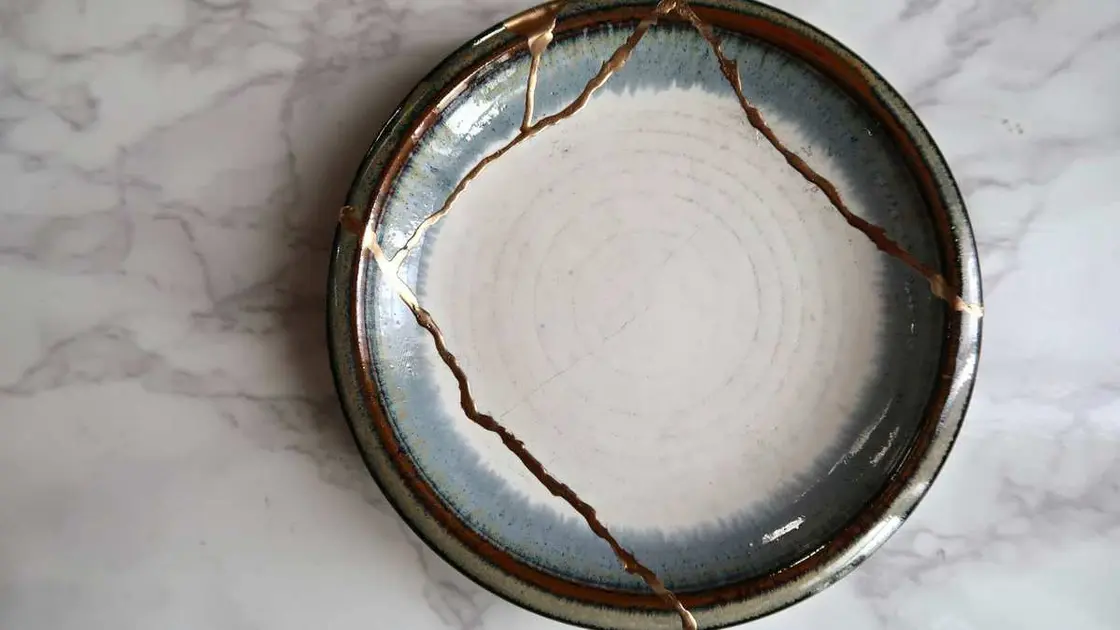
I tend to be a bit clumsy, often dropping dishes while navigating the kitchen or misbalancing items in my arms. This usually ends with me cleaning up shattered plates.
In the past, I'd get frustrated, especially since I'm an adult who shouldn't be breaking so many dishes. However, everything shifted when I broke my favorite vase. Instead of tossing it, I decided to explore the art of mending it. That's when I discovered kintsugi, the ancient Japanese technique focused on repairing broken items.
This practice transformed my outlook on home decor and waste. Here's how I dove into kintsugi and why it has become a cherished DIY endeavor.
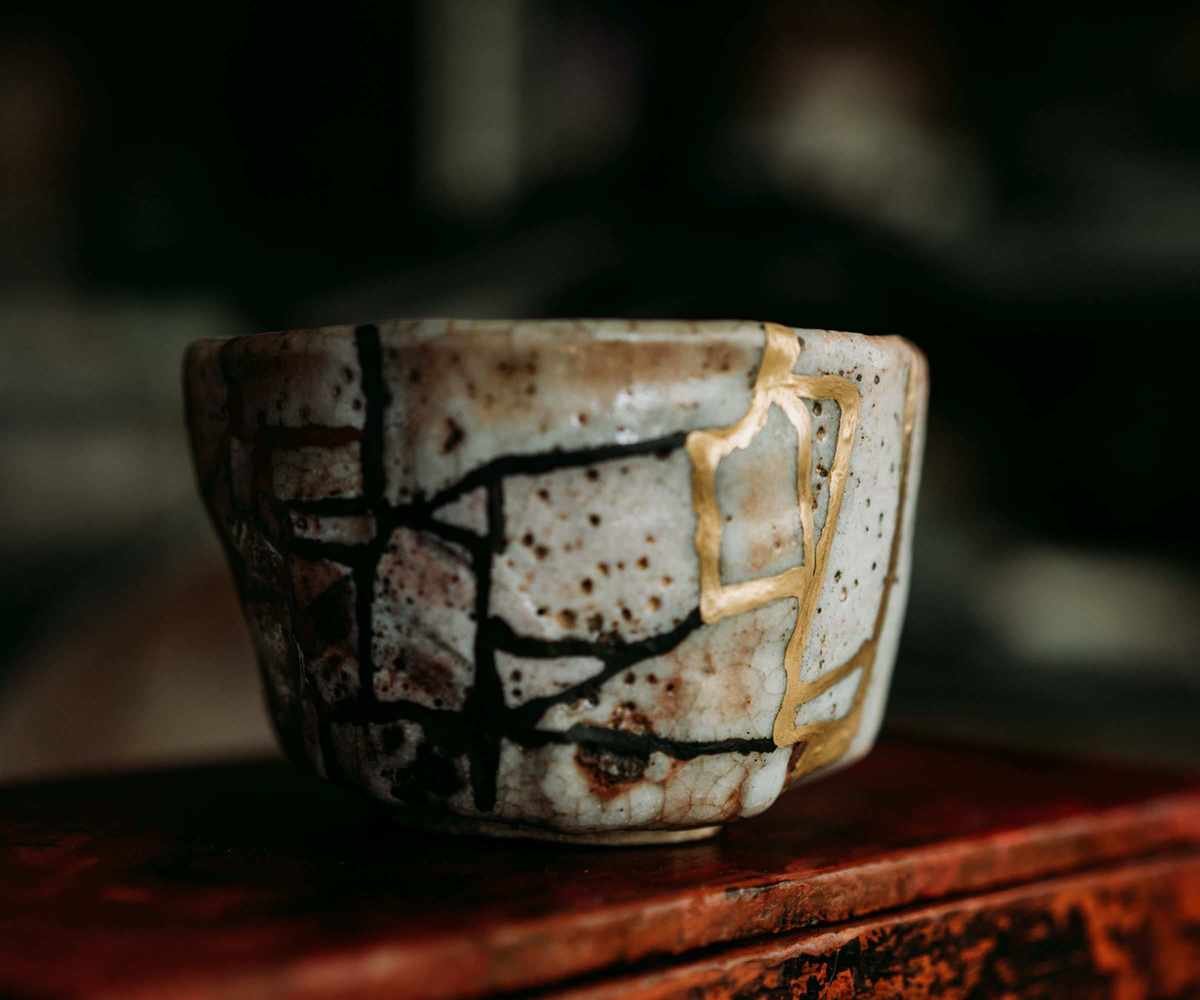
Kintsugi, which translates to 'golden seams', involves repairing broken pottery with gold, highlighting its flaws and celebrating its journey. Initially, I was hesitant; I was so accustomed to using clear glue to hide breaks that altering my items felt strange.
This mindset reflects a common Western attitude towards home decor—where everything should always look pristine and new. Yet, kintsugi turns past damage into beauty, adding character and charm to a home. Whether it's a repaired plate on display or tiles adorned with gold veins, these unique features demand attention and shift how I perceive my surroundings.

Practicing kintsugi has become one of my favorite sustainable home activities. It encourages me to slow down and reduces my tendency to over-shop for decor.
I picked up a straightforward kintsugi kit from Amazon to begin my journey. While it posed challenges, the process truly requires practice. Interestingly, the imperfections in early attempts contribute to the final piece's allure.
I started by sanding down the jagged edges of my vase before applying adhesive to the broken sections and fitting the pieces together. I found that displaying the shards in the correct order on a table helped immensely.
After applying the golden powder over the still-drying adhesive, I didn't worry about cleaning up excess glue. Once the vase set, I used a damp cloth to wipe away any leftover powder. The most challenging part was filling in gaps from smaller pieces that I couldn't salvage. Ultimately, the vase emerged looking like a stunning antique—something I adore as an enthusiast of decorating with antiques.
Though I can't fix everything I break, I no longer feel as guilty when I drop a mug.
Fixing my vase taught me to appreciate my clumsiness and imperfections.
What does kintsugi represent?
Kintsugi symbolizes the philosophy of restoring broken pottery with golden adhesive, emphasizing the acceptance of flaws instead of hiding them.
Does kintsugi involve real gold?
While real gold can be used in kintsugi, most artisans opt for a mixture of brass, copper, and zinc for durability and cost-effectiveness. This approach makes the art more accessible.



