
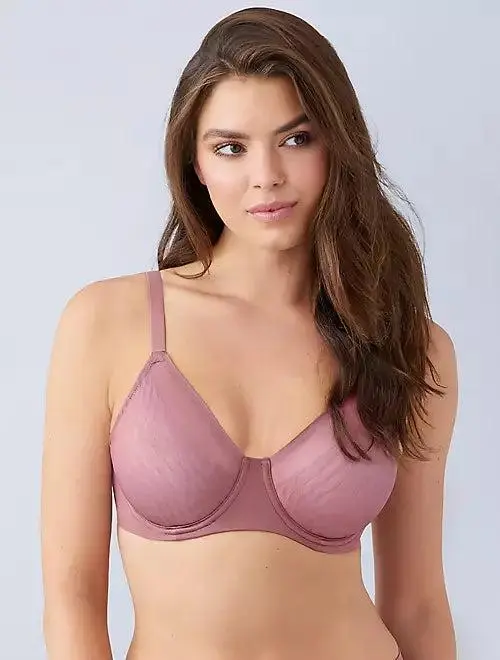
If you've wondered whether to choose a medium or large when shopping for a cute bralette, you're not alone. The answer is clear: a 34C bra size is generally considered medium in the grouped sizing systems used both in the US and UK.
While sizing may vary slightly between brands and countries, standard S/M/L charts consistently categorize 34C as medium. Large sizes usually start at 36C or 36D. But what does 34C really mean? The '34' indicates your band size, which is the measurement around your ribcage in inches, while the 'C' cup denotes about a three-inch difference between your underbust and fullest bust measurement.
Here's the comforting fact: 34C is one of the most common bra sizes in Western markets. It's a perfectly proportioned average size that fits well into mainstream styles without the need for specialized designs.
Decoding the 34C Bra Size
To understand what your bra size signifies, let's break down 34C into two measurements that work hand in hand for your fit.
Band Size (34): The '34' refers to your ribcage measurement, taken snugly under your bust. In US and UK systems, this is measured in inches. A 34 band typically corresponds to an underbust circumference of about 29-30 inches (73-77 cm). The band provides approximately 80% of your support, so getting this measurement correct is crucial.
Cup Size (C): The 'C' represents the cup size, indicating the difference between your underbust and bust measurements at their fullest. A C cup signifies roughly a three-inch difference. For a 34C, this usually means:
In European sizing, a 34C corresponds to roughly 75C, where the band is measured in centimeters. The relationship between band and cup remains consistent across both systems.
Is 34C Medium or Large in Clothing and Bra Sizing?
Grouped sizing simplifies many band and cup combinations into accessible categories for retailers. When brands label bralettes, sports bras, and swimwear as S/M/L, they create convenient shortcuts for shoppers.
The typical US brand mapping looks like this:
Clearly, 34C is firmly in the medium range. This positioning reflects that 34C mirrors moderate cup volume on a mid-range band—neither needing the minimal coverage of small sizes nor the strong support of large cups. Many lingerie and swimwear brands label 34C as "M" or "Medium (US dress 8-10)" based on their dress size charts. Large typically begins at 36C or 36D, where wider bands and fuller cups require different construction.
Sports bras and bralettes often use flexible grouped sizing due to their stretchy materials. A 34C wearer might fit both Small and Medium snugly, depending on compression needs and brand-specific styles. Opting for Medium is a safer choice for adequate support during high-impact activities, just as a 36C wearer faces similar questions regarding whether 36C is a big bra size and how it fits.
Is 34C Considered Big or Small?
The perception of breast sizes as "big" or "small" is subjective and varies beyond just the numbers on a tag.
Statistically, 34C is average in many Western markets. Data shows 34B, 34C, and 36C among the most popular sizes. If looking purely at statistical distribution, 34C lands in medium territory, similar to how a 34D bra size is often perceived as medium-full depending on overall proportions.
However, perception can vary based on body frame. A size like 34C may appear fuller on a petite frame than on a taller or broader build, where it often looks moderate and proportional:
- On a petite frame (5’1” / 155 cm with a narrow ribcage), 34C may look larger.
- On a taller or broader frame (5’7” / 170 cm), the same size appears more balanced.
- Breast shape affects how size is perceived; full-on-top shapes project more than full-on-bottom configurations.
Your unique shape influences how 34C looks in clothing just as much as the actual measurements. Wide-set breasts create different cleavage than close-set breasts of identical sizes.
Ultimately, size labels like "medium" or "large" provide fit information, not value judgments. The lingerie industry is shifting to body-positive messaging, focusing on comfort and correct fit instead of arbitrary categorizations. Whether labeled medium or large says little about your body and more about which products suit you best.
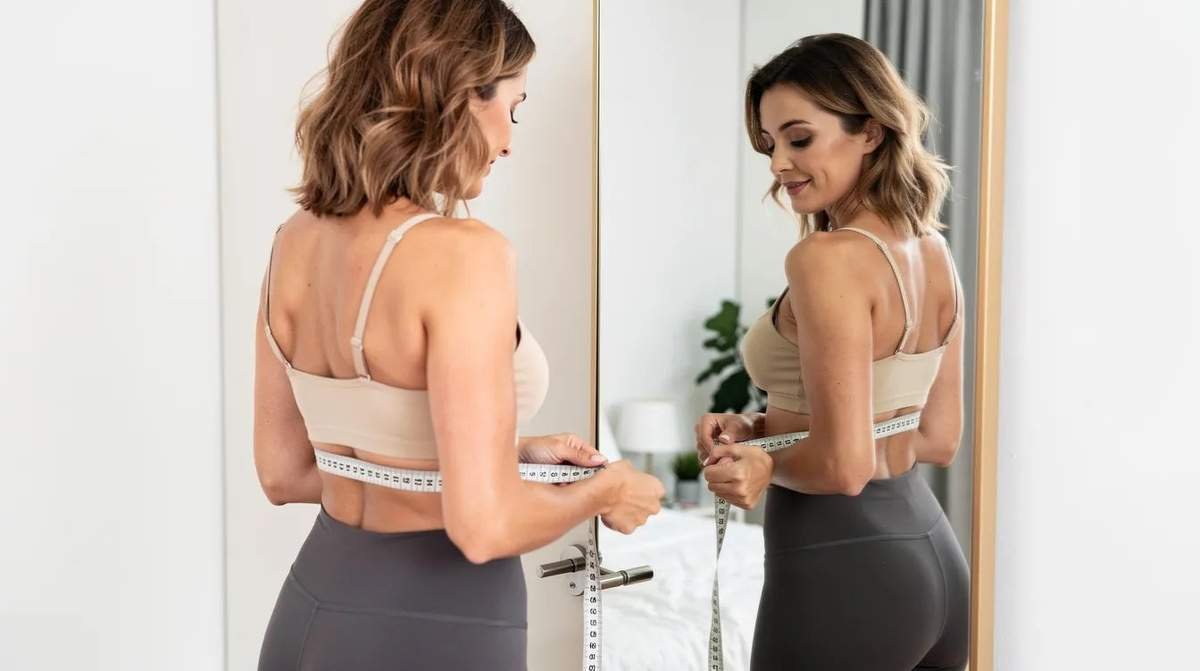
Measuring Yourself for a 34C
Studies indicate that about 80% of individuals wear incorrect bra sizes. Re-measuring at least annually or after weight changes, hormonal shifts, or pregnancy helps ensure proper support. Following the best method for measuring your bra size significantly increases your chances of finding the right size.

Step-by-Step Measuring:
- Gather your tools: Use a soft tape measure (the flexible fabric type, not metal).
- Wear the right bra: Measure in a thin, non-padded bra to ensure accuracy, rather than measuring braless or in a heavily padded style.
- Measure your underbust: Stand straight and exhale naturally. Wrap the tape snugly around your ribcage, directly under your breasts, parallel to the floor. This is your band measurement and aligns with expert guidance on how to measure your band size for a bra.
- Measure your full bust: Wrap the tape around the fullest part of your breasts, keeping it parallel to the floor. Don’t pull tightly; let the tape rest naturally against your body, as you would in a guide on how to measure your bra size at home.
- Calculate your cup: Subtract your underbust measurement from your bust measurement. The difference determines your cup letter:
- 1 inch = A cup
- 2 inches = B cup
- 3 inches = C cup
- 4 inches = D cup
Example for 34C:
- Underbust: 33-34 inches
- Full bust: 36-37 inches
- Difference: approximately 3 inches = C cup
Some older fitting methods add 4-5 inches to the underbust to determine band size, but modern fitters usually use the actual snug underbust measurement. If your measurement is an odd number (like 33”), round to the nearest even number for the band.
Always try nearby sizes like 32D or 36B to compare comfort and fit, since different brands interpret measurements in varied ways. What fits well from one manufacturer may feel too tight or loose from another.
34C and Sister Sizes (32D, 36B, etc.)
Sister sizes refer to bra sizes with the same cup volume but different band sizes. Understanding this opens up fitting options you might not have considered.
A 34C shares cup volume with sister sizes like 32D and 36B. Learning how a nearby size, such as 32C breast size fits and supports different frames, clarifies how subtle band changes affect overall appearance.
When to consider sister sizes:
- Try 32D if your 34 band rides up in back or feels loose on the tightest hook. A snugger band offers better support while keeping breast coverage.
- Try 36B if your 34 band feels too tight, especially during bloating or hormonal changes. The looser band accommodates more ribcage expansion.
Switching to a sister size doesn’t change your breasts, but it redistributes how the bra fits your body while preserving similar cup capacity. This is why many find different sizes work across various styles and brands.
Keep in mind that underwire shape and cup construction can vary between manufacturers, even within the same sister size family. A 32D from one brand may have narrower wires than a 32D from another, affecting how it fits different breast shapes.
Choosing the Right Bra Styles for 34C
With a 34C size, you can fill out most mainstream styles nicely, from lightly lined basics to structured push-up designs.

Everyday Styles That Work Well:
- T-shirt bras: Smooth, molded cups create seamless lines under fitted clothing. A moderate C cup fills these cups without gaping.
- Balconette bras: Provide natural lift without excessive padding, offering a flattering neckline. The horizontal cut suits many breast shapes.
- Wireless bras: Opt for styles with a firm band for comfortable lounging without sacrificing support. The band does the heavy lifting while the cups gently contain breast tissue, and modern designs effectively support larger busts.
- Plunge bras: The V-shaped center gore pairs well with low necklines, allowing 34C to create natural cleavage.
Support Features to Look For:
- A snug 34 band that stays level around your body without riding up.
- Cups that fully contain tissue without spillage over the edges or cutting into the top.
- Center gore lying flat against your chest between your breasts.
- Adjustable straps that remain in place without slipping.
Sports Bras: Most individuals with a 34C size do well in Medium sports bras. For high-impact activities like running or HIIT, prioritize encapsulation styles that separate and support each breast individually. Compression-only styles may suit lower-impact activities like yoga or walking.
Bralettes: As bralettes use S/M/L sizing, start with Medium. Stretchy styles might allow some 34C wearers to choose Small for a closer fit, especially if they prefer minimal coverage. Always check brand-specific size charts, as sizing can vary.
Common Fit Problems for 34C and Solutions
Even with a common size like 34C, fit issues can arise due to brand and style variations. Here’s how to troubleshoot typical problems:
Band Riding Up in Back
- Cause: Band too large (possibly wearing 36B or 36C when you need 34C).
- Fix: Size down in the band. Try 32D for a firmer fit while keeping cup volume. A new bra should fit snugly on the loosest hook, allowing for future adjustments as the elastic stretches.
Spillage Over Cup Edges
- Cause: Cups too small for your breast volume.
- Fix: Try 34D or sister size 32DD. Your breasts should sit fully inside the cups without overflowing.
Gaping at Top of Cup
- Cause: Cup too large, incorrect shape, or mismatch with breast shape.
- Fix: Consider smaller cups or switch styles. Balconettes work better for full-on-bottom shapes, while full-coverage styles suit full-on-top shapes. Sister sizes like 36B might help if the band is slightly tight.
Straps Digging Into Shoulders
- Cause: Band not providing enough support, causing straps to compensate.
- Fix: Tighten the band first; remember, 80% of support should come from the band, not the straps. If straps still dig in after adjusting the band, try wider straps or racerback styles.
Checking Your Fit in Three Positions:
- Standing straight
- Bending forward slightly
- Sitting down
Your bra should remain comfortable and in place in all three poses.
A Note on Asymmetry: Many people have slightly different-sized breasts. Fit to the larger side, then lightly pad or adjust the strap on the smaller side if desired. Often, incorrectly fitted bras stem from trying to compromise between two sizes.
FAQs About 34C Sizing
Is 34C a medium or large? Almost always medium. In grouped sizing charts for the US and UK, 34C consistently falls into the Medium category. Large usually starts at 36C or 36D.
Is 34C larger than 34B? Yes, by about one inch in bust measurement. Both sizes share the same band, but a C cup has a 3-inch difference between underbust and bust, while a B cup has a 2-inch difference.
Is 34C smaller than 34D? Yes. A 34D has roughly one inch more difference between band and bust measurements than a 34C. The band remains the same, but the cup holds more volume.
What dress size corresponds to 34C? This can vary by brand and body proportions, but 34C generally aligns with around US dress size 6-8 or UK size 10-12 for average-height women. Clothing size is influenced by more than just bust size; waist, hips, and height all play a role.
Can a 34C wear Small sports bras? Sometimes, especially in stretchy compression styles. However, Medium is usually the safer starting point for most sports bras, particularly for high-impact activities needing optimal support. Always refer to the specific brand’s size chart.
Is a 34C the same as a 38C? No. Although both share the C cup letter, a 38C has significantly more cup volume due to the larger band requiring more material. Cup letters indicate proportion, not absolute volume. A 38C represents larger breasts overall than a 34C.
Why do I wear different sizes in various brands? This is quite normal. Manufacturers use different patterns, fabrics, and fit models, leading one brand’s 34C to fit tighter or looser than another’s. Focus on fitting rather than the number on the tag.
Finding your ideal fit starts with recognizing that 34C is simply a medium-volume size meant for everyday comfort and support. Trust your measurements, consider sister sizes if needed, and remember that the best bra is one that makes you feel confident and supported throughout your day. Don't hesitate to explore multiple styles; your body deserves a great fit.



