
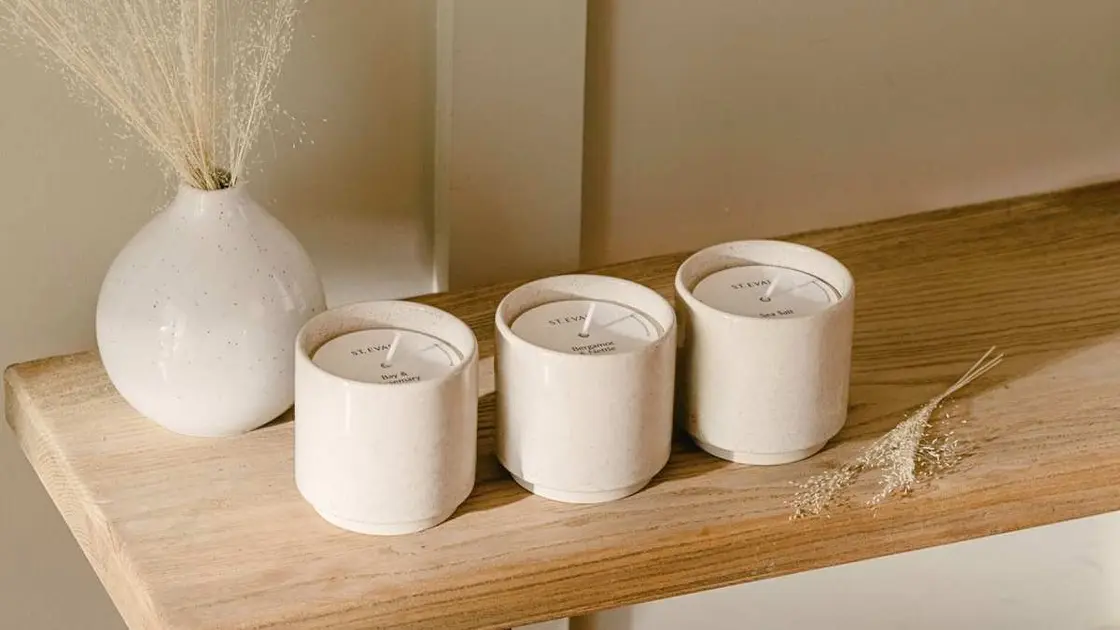
Choosing a candle can be daunting with so many options available. Beyond fragrance, the type of wax is crucial for the overall experience.
The wax used in candles not only influences their scent but also affects burn quality and can have health implications. Here's a guide to the eight prevalent types of wax you might encounter and tips on making a wise selection.
Types of Candle Wax
You can find eight primary types of candle wax in stores, each varying in properties, pricing, and potential health concerns. Knowing what to look for can help you avoid candle-related issues and choose a candle that truly enhances your space.
1. Paraffin Wax

When people mention toxic scented candles, they often refer to those made from paraffin wax. According to a candle expert, many commercial candles, even those labeled as soy, often contain paraffin.
Although paraffin is inexpensive and easily accessible, it's derived from petroleum and emits a plastic-like smell when burned. Moreover, burning paraffin can release harmful chemicals like benzene and toluene, which may irritate the eyes and lungs and worsen allergy symptoms. It's advisable to burn paraffin candles in well-ventilated spaces and limit burning to four hours.
2. Soy Wax

Soy wax is a popular alternative to paraffin. It's made from domestically grown soybeans, which helps reduce environmental impact.
Experts note that soy wax burns cleanly and evenly, minimizing issues like tunneling and maximizing the life of your candles.
 40-50 hour burn time
This brand's candles are crafted with 100% soy wax, high-quality fragrance oils, and cotton wicks.
 Domestically-grown soy wax
These candles are free from harmful additives and cruelty-free.
 Independent business
This candle features a decadent blend of creamy butter, caramel, and vanilla bean.
3. Beeswax

Beeswax is gaining traction in the candle industry. It's a non-toxic, renewable option that burns for a long time.
This wax has a natural honey scent that can complement essential oils beautifully. Additionally, it's said to purify the air by releasing negative ions that bind with dust and pollen.
While beeswax candles are typically more expensive and not vegan, they burn cleanly and produce minimal soot, making them a great choice for sensitive individuals.
These handmade candles are crafted from pure USA beeswax with cotton wicks, offering a light honey aroma.
4. Coconut Wax

Coconut wax is another eco-friendly option that burns cleanly and offers a delightful scent throw. It's made from coconut oil and presents a softer texture, making it slightly more challenging to work with.
However, its natural composition allows for easier disposal when the candle has burned out.
 100% coconut wax
This fragrant candle evokes the essence of a sunlit meadow.
 100% coconut wax
This candle features a fresh blend of pine and fir, perfect for the holidays.
 100% coconut wax
Enjoy the clean scent of fresh linens with this delightful candle.
5. Blended Waxes

Blended waxes mix paraffin with eco-friendly options to create candles that burn longer and with stronger scents. However, any candle containing paraffin still carries some health risks, so always read labels carefully.
6. Apricot Wax

Though not commonly found, apricot wax offers a luxurious burn and enhances scent throw. Derived from apricot kernel oil, it's a creamy alternative that burns slowly but is pricier.
7. Palm Wax

Palm wax is complex; while it burns cleanly, its production contributes to environmental issues like deforestation, particularly in areas with critical ecosystems.
Due to these concerns, many experts advise avoiding candles made with palm wax, especially when sustainable options are available.
8. Gel Wax
Gel wax is unique as it's not truly a wax but rather a combination of mineral oil and polymers, commonly used for decorative candles. However, burning gel wax can release toxins, making it an unsustainable choice.
Selecting the right candle wax for your home should reflect your preferences, budget, and fragrance strength. For optimal indoor air quality, lean towards candles that burn cleanly and require minimal maintenance.



