
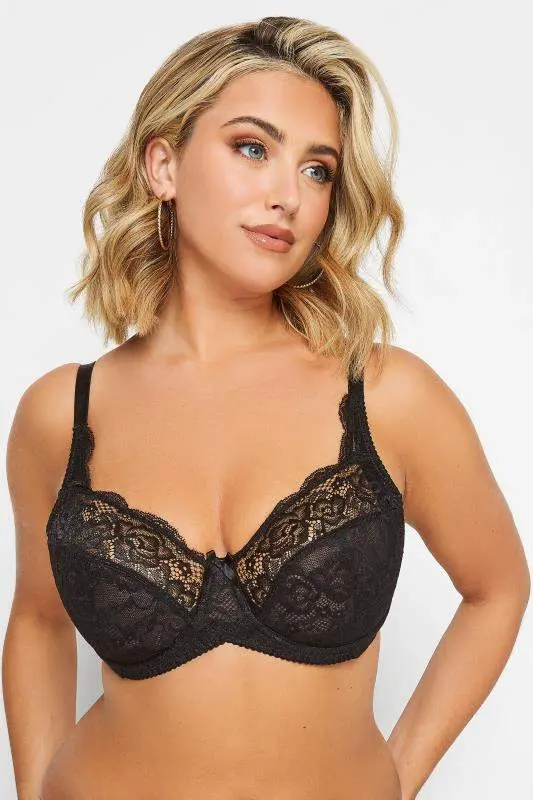
The term “D cup” frequently causes confusion regarding breast size. While D cup is a common categorization, it’s important to note that it only represents a portion of the overall sizing system. Each bra size includes a band size, such as 34D or 36D, which together define the fit. Gaining a clear understanding of this can help women find bras that truly flatter and support their bodies.
This guide aims to clarify what a D cup signifies, how it appears on different body types, and how to choose the best fit.
What Does D Cup Mean?
A D cup indicates the difference between bust measurement and band measurement, rather than the actual breast size. To determine your bra size, you need two measurements: your bust circumference and your underbust circumference.
Spillage, often referred to as 'quad boob', occurs when the cup size is insufficient, causing the breast to overflow. Conditions like macromastia or gigantomastia signify excessive breast tissue growth. An incorrect band size can lead to discomfort, as wires or bands may dig into the skin. Many fashion bras lack options for larger cup sizes, leaving D cup wearers with limited stylish choices. Issues such as visible lines or bulges under clothing may arise from wearing the wrong bra style. A DD cup, on the other hand, is slightly larger than a D cup. When transitioning from D to DD, ensure there’s no discomfort or spillage in the D cup. Also, the volume increases with the band size; for instance, a 34DD has more volume than a 34D.
Sister sizing suggests that if the cup fits well but the band feels tight, trying a larger band size with the same volume cup may help. Breast size in D cup individuals can fluctuate due to weight changes, hormonal shifts, and aging. Going down a band size while increasing the cup size is referred to as sister sizing down. A 34D can be sister-sized to a 36C or a 32DD.
Typically, a D cup corresponds to a 4-inch difference between bust and underbust measurements. For context, a B cup reflects a 2-inch difference, making it smaller than a D cup. Your bust size measures around the fullest part of your chest, while your chest circumference, or underbust circumference, is taken just below the bust to determine your band size. To measure accurately, use a soft tape measure on your ribcage (for band size) and bust. In some systems, a looser measurement is taken for underbust to accommodate body variations. Accurate measurements are key: use a soft tape measure, measure your ribcage and bust, and wrap it correctly. To find your band size, if the number is even, add 4; if odd, add 5.
Example:
- Band: 34 inches
- Bust: 38 inches
- Cup size: D
Cup sizes increase with each inch difference between bust and band measurements.
Bra cups accommodate the difference between bust and band measurements. An ideal bra should have no spillage or gaps in the cups. The right size ensures comfort and support, while wearing an incorrect size can lead to discomfort. A bra fits well when the band is snug on the loosest hook and the cups fully encompass the breast without gaps or spillage.
Cup sizes progress alphabetically: A, B, C, D, DD, etc. B and C are common, with C being smaller than D. D is larger than both B and C. Sizes differ by region and brand, so D cups may vary. A D cup is smaller than a DD cup or dd size, indicating a 5-inch difference between bust and band. In some areas, E or F follows DD. Each 150cc to 200cc breast implant likely results in a one cup size increase.
A D cup can appear quite different depending on the band size; varying band sizes (like 32, 34, 36) affect fit even with the same cup letter. For instance, a 30D and a 36D vary significantly in actual breast volume despite both being labeled as D cup. Size labels may not match actual fit due to brand differences. Measuring yourself accurately before bra shopping is crucial, as sizes differ between brands and two bras with the same size label can fit differently.
How to Measure Bra Size
Professional bra fitting can enhance your measurement accuracy and help you find a comfortable, supportive fit, essential for avoiding discomfort and health issues linked to poorly fitting bras.
Why D Cup Isn't Uniform
A D cup is not a one-size-fits-all; it can appear vastly different on various body types, including petite, athletic, or curvy figures. For example:
- 32D: Full bust on a smaller frame; a D cup may seem larger on smaller frames, while taller individuals or those with narrow chests may perceive it differently.
- 36D: Medium-full bust on a broader frame
- 40D: Similar cup letter but significantly more volume
Breasts or implants with identical volumes can look distinct based on body type and band size. For example, a 30D and a 36D differ greatly in volume, despite both being labeled D cup. Additionally, the final size after augmentation is uncertain, as bra manufacturers vary widely in design and sizing. Companies produce bras in a variety of sizes, including larger sizes like D and above, to cater to different bust shapes. More women are now choosing larger size bras, not necessarily from weight gain, but due to improved fitting awareness. Many women wear the wrong size, and proper measurement can lead to better fitting and comfort.
This illustrates why simply stating “I’m a D cup” doesn’t provide the complete picture.
Typical Appearance of D Cup Breasts
While every body is unique, D cup breasts typically exhibit:
- Noticeable fullness and projection
- A requirement for structured support
- More weight than C cups, but less than DD+
- Increased volume contributing to the overall fullness and projection
Bras designed for fuller busts, such as D cups and beyond, often feature wider bands, stronger wings, and supportive materials to ensure comfort. In contrast, smaller busts (A-B cups) may find lighter, less structured bras more comfortable and naturally shaped.
Breasts consist primarily of adipose tissue, so significant weight gain can influence breast volume. The density of breast tissue impacts appearance; denser tissue appears firmer, while softer tissue looks less lifted. On average, a single D cup breast weighs between 0.5 and 1 kilogram (1 to 2 pounds). Breast augmentation is a popular way to achieve a D cup size, and the final look depends on tissue density and implant choice.
D cups often benefit from shaping and lift without requiring heavy support.
Body Type and Bra Size
Your body type significantly influences the search for the ideal bra size and style. Women with narrower chests may need a smaller band for a secure fit, while those with broader frames typically need a larger band for comfort. The amount and distribution of breast tissue, along with your individual breast shape, can also dictate which bra styles suit you best. If you experience shoulder discomfort, it may indicate your bra isn’t providing sufficient support or that the straps compensate for an ill-fitting band. By considering your body type and breast shape, you can select bras that offer the perfect fit, helping you feel at ease and confident every day.
Common Fit Challenges for D Cups
Many women wearing D cups face:
- Bands riding up due to incorrect sizing
- Cups that gap or flatten
- Spillage from shallow cup designs
- Straps bearing excess weight
D cup bras are available in various styles, including T-shirt bras, sports bras, and push-ups. Sports bras designed with wide bands and extra lift are particularly crucial for D cup sizes to provide adequate support during activities. Wearing the wrong size can lead to issues like back pain, spillage, and limited fashionable options. Women with D cups often require supportive bras to avoid physical strain and maintain good posture. Many find D cup sizes manageable and comfortable when equipped with the right support.
These challenges typically arise from incorrect band size or cup shape rather than the D cup size itself.
Bra Band and Comfort
The band of a bra is the foundation of proper fit, delivering the bulk of support. A correctly sized band should hug your ribcage snugly, remaining in place without digging or riding up. If your band size is too large or small, discomfort, back, and shoulder pain may occur, leading to improper fit overall. Choosing the right band size is crucial for comfort and support. When the band fits well, there’s less strain on your shoulders and a more secure feel throughout the day. Remember, a correct fit begins with a supportive band.
Ideal Bra Styles for D Cup Sizes
- T-Shirt Bras: Smooth, molded cups for a seamless appearance.
- Balconette Bras: Lift and shape while accentuating natural curves.
- Plunge Bras: Lower center for cleavage without overflow.
- Wireless Support Bras: Comfortable with light structure for everyday wear.
- Lightly Lined Bras: Enhance shape without bulk.
Sister Sizes for D Cup Breasts
A sister size adjusts both the band and cup size while maintaining the same volume.
Sister sizes share equivalent cup volume with different bands:
Primary Size | Sister Sizes |
|---|---|
34D | 32DD, 36C |
36D | 34DD, 38C |
38D | 36DD, 40C |
Sister sizing allows for adjustments without altering cup volume.
European Bra Sizes
When purchasing bras from different brands or overseas, it’s essential to understand that European sizes differ from US sizes. The European system uses numbers like 75D to signify band and cup size, which may not align with US sizing. For instance, a US 34D generally equates to a European 75D. However, sizing can vary by brands, so always consult the specific size chart provided. Awareness of these differences can help you find the right bra globally, ensuring you receive the best fit and support.
Implants and D Cup Size
If you’re contemplating breast implants to achieve a D cup size, remember that implant dimensions, shape, and your natural breast tissue influence your final bra size. Typically, a breast implant volume of 300-400cc can yield a D cup, but actual size depends on body shape and existing tissue. Choosing the right implant size should consider your aesthetic goals and desired appearance. Consulting a professional can help you determine the best option for your unique needs.
Swimwear for D Cup Breasts
Women with D cups often benefit from:
Proper structure that enhances comfort and flattery in swimwear.
Breast Volume and D Cup Size
Breast volume is crucial in determining your bra size, especially for a D cup. While the D cup size indicates a 4-inch difference between bust and band measurements, breast tissue quantity can vary among women. Thus, two women labeled as D cup may have contrasting breast shapes and fullness due to their unique body types and tissue distribution.
The shape and density of breasts also significantly affect how a D cup fits. Some women possess a rounder, fuller bust, while others may have a teardrop shape or denser tissue, influencing both appearance and support needs. This is why it’s vital to look beyond the cup size and consider overall breast volume and shape when shopping for bras.
To find a fitting bra, always begin with accurate bust and band size measurements. This ensures your D cup bra offers the right support and comfort for your unique figure. Remember, the correct bra size transcends mere numbers; it’s about how well the bra supports your body, complements your natural shape, and enhances your comfort. By understanding your breast volume and its relationship to your D cup size, you’ll be well-prepared to select bras that fit and flatter your bust.
Final Thoughts
When properly fitted, D cup breasts achieve a beautiful balance. With the right bra style and construction, D cups can feel supported, shaped, and comfortable all day long.



