
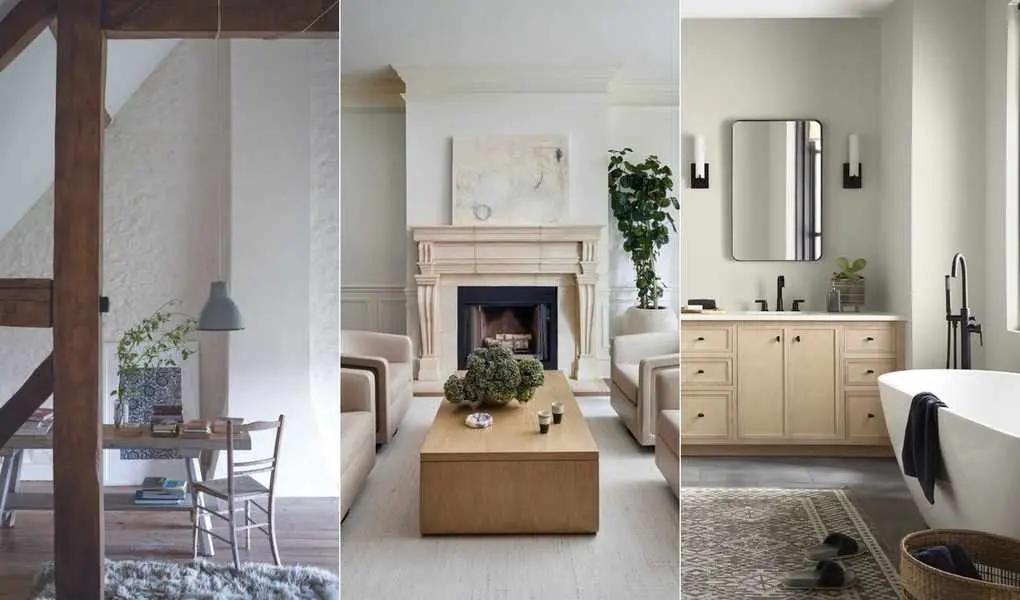
Living without some possessions is impossible; whether it's the forks in your kitchen or the lampshade in your living room, we all have items that contribute to our daily lives. However, beyond the essentials, many of us find ourselves surrounded by excess – things Marie Kondo refers to as 'Komono,' or miscellaneous items that don't have a designated place. If we're honest, we've all got them tucked away somewhere.
The souvenir keychain from your last vacation, the extra pair of socks that never gets worn, or the handmade coasters gifted by your grandmother that clash with your dining room decor. Letting go of these items can be challenging, as we often feel a strong connection to them. Yet, embracing minimalist decor principles and freeing ourselves from attachment can be incredibly liberating.
We spoke with professional organizers and minimalists to explore 'non-attachment theory' and how it can facilitate a smoother decluttering process, allowing you to live a life less burdened by material possessions. Wave goodbye to overflowing cabinets and hello to a lighter lifestyle as you assess what truly matters to you.
What is Non-Attachment Theory?
Non-attachment theory is a practice that prompts individuals to reflect on their emotional ties to the objects in their lives and apply effective decluttering strategies to manage the chaos. Rooted in minimalism and essentialism, this method can assist in organizing your space while also extending to various aspects of your lifestyle beyond just physical items.
The goal of this theory is to help you understand why you feel attached to certain possessions and why you might struggle with clutter in your home over time. It encourages introspection and self-reflection before diving into the physical act of tidying up.
Often, when tackling decluttering, many feel overwhelmed or uncertain about where to begin. Starting with self-reflection can provide valuable insights into your relationships with the things you own.
For example, 'I have a deep emotional connection to my curated wardrobe,' explains Barbara E. Tanaka, a Strategic Home Design and Organizing Advisor. 'After three decades of figuring out what fits my style, I take pride in knowing that every piece I own is something I genuinely love and will use repeatedly.'
Kim Corey, a Certified Professional Organizer and Founder of Finely Sorted Organizing, adds: 'I find it hard to let go of gifts from loved ones because they remind me of special connections, and my couch is another item I cherish for its comfort and functionality as a bed.'
These attachments come with a sense of 'why,' which can be explored by examining the significance of your belongings.
How to Evaluate Your Belongings Through Non-Attachment

Since non-attachment focuses on assessing your connection to inanimate objects, a helpful starting point is to remember that while your belongings enhance your life, they do not define it. You can appreciate what you have without allowing it to create daily stress in your home.
'Everyone seeks comfort, and it's perfectly fine to have comfort items,' says Barbara. 'Having meaningful objects around can make you feel grounded, but maintaining awareness of how many you possess is crucial.'
When in a calm mindset, start asking yourself questions about your items. If you hadn't seen a particular object in a long time, would you even remember owning it? Could someone else benefit from it more than you do? If you were moving, would that item justify its space in a box? Why did you acquire it in the first place, and how would you feel if it were broken or lost?
Direct questions like these encourage clarity about your attachment to each object and whether that bond holds any real significance. Letting go can be challenging, but keeping your end goal – the 'why' behind your desire to declutter – in mind throughout the process will motivate you to stay committed.
'After decluttering, my clients often feel more relaxed and frequently say,



