
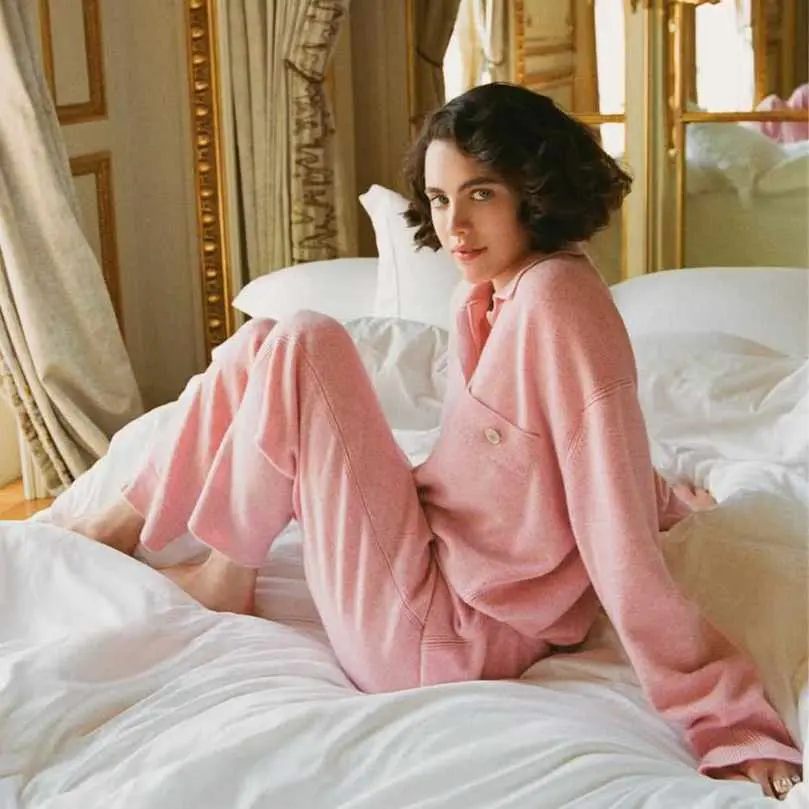
Sweaters are cozy, knitted garments designed for warmth. If you're shopping for knitwear or curious about fashion terms, knowing sweater meaning helps you navigate your wardrobe and language with ease.
This article covers the formal definition of a sweater, its unexpected origins, the various types, and how terminology varies across English-speaking regions.
What does “sweater” mean?
A sweater refers to a knitted or crocheted clothing item worn primarily on the upper body for warmth. It usually has long sleeves and extends from the neck to the waist or hips. In North American English, “sweater” includes pullovers, cardigans, and sometimes sweater vests, whereas British English typically uses “jumper” for similar garments, showcasing regional vocabulary differences.
Though dictionaries list alternative meanings, such as a person who sweats or an employer exploiting workers, the clothing definition dominates contemporary use. When someone mentions your sweater, they’re referring to a warm, comfortable, knitted piece you can easily wear.
Examples include:
- “She wore a warm wool sweater to stay cozy during the autumn hike.”
- “His grandmother crafted a stunning cable-knit sweater for his birthday.”
Formal dictionary definition
In technical terms, a sweater is a knitted or crocheted upper-body garment, with or without sleeves, mainly used for warmth. It covers the torso and arms and features interlocking loops of yarn, providing insulation through its stretchy design. Luxurious cashmere or merino wool sweaters elevate formal looks.
By 2026, trends showcase unique shapes, such as statement sleeves and versatile layering options. Sweaters play a crucial role in various styles and seasons, from festive “Ugly Christmas Sweaters” to classic Aran patterns. Casual styles like oversized and cropped designs cater to street fashion, while thicker fisherman sweaters are traditionally worn by fishermen.
In British English, “sweater” often denotes heavier garments, while lighter ones are referred to as “jumpers.” South African English might call a knitted sweater a “jersey,” with “sweater” commonly meaning a sweatshirt. In the U.S., a sleeveless sweater could be termed a “sweater vest,” while British speakers use “waistcoat.” Interestingly, “jumper” in American English describes a sleeveless dress, differing from its British context.
Reputable dictionaries like Merriam-Webster and Oxford note various meanings from the 16th to 19th centuries. While the clothing definition now prevails, other meanings reflect the word's historical evolution:
- Garment — A knitted clothing piece, like a pullover or cardigan, worn for warmth.
- Person who sweats — Refers to someone who perspires heavily, especially during exertion. This usage dates back to the 1550s.
- Exploitative employer — A term from the 1840s for employers who underpay and overwork laborers, leading to the term “sweatshop.”
- Sports jersey — A heavy top worn as part of a hockey uniform, often called a hockey sweater.
Origin and history of the word “sweater”
The term 'sweater' first emerged in the 15th century, referring to garments intended to induce sweating during physical activity.
Derived from the verb “sweat” combined with the suffix “-er,” it essentially means “one who sweats” or “something that causes sweating.” Its earliest usage, around 1520-1530, described a person who perspired heavily. By the 1550s, it shifted to mean someone who sweat profusely.
By the 1880s, 'sweater' described a woolen vest or jersey used for athletic purposes. In the late 20th century, sweaters became popular alternatives to shirts due to their comfort. Hockey uniforms originally consisted of sweaters featuring the team’s crest, leading to the enduring term ‘hockey sweater.’
The garment definition appeared around 1880-1885, reflecting a transition from function to style. Early sweaters were designed to help athletes and laborers manage moisture and heat. Rowers and boxers wore thick pieces to sweat and lose weight before competitions, cementing the name's origin.
Throughout the late 19th to early 20th centuries, sweaters evolved from sportswear to everyday fashion. By 1920, fabric restrictions lifted, allowing women to wear sweaters as trendy outerwear. The term 'sweater girl' emerged in the late 1930s, symbolizing women who wore form-fitting sweaters, notably popularized by actress Lana Turner. Hollywood and military use during World War II further embedded sweaters in mainstream wardrobes, leading to widespread ownership across social classes by the late 1960s.
Types of sweaters and related garments
The term “sweater” encompasses various styles and constructions. Whether seeking a classic woolen vest or an oversized boyfriend fit, understanding these categories helps in your search.
Key types by construction:
- Pullover: A sweater without front fasteners, pulled over the head, available in crew neck, V-neck, turtleneck, and mock neck styles.
- Cardigan: A buttoned or open-front sweater that fully unzips or opens at the front, named after the 7th Earl of Cardigan during the Crimean War.
- Sweater vest: A sleeveless variant, often with a V-neck, worn over a shirt for warmth without covering the arms.
- Specialty styles: Includes novelty Christmas sweaters, fisherman sweaters with iconic Irish patterns, Fair Isle designs from Shetland Islands, and Donegal sweaters made from Irish merino wool. Some women’s sweaters come belted or with drawstrings for added style.
Thin sweaters may be tucked into trousers, while men typically wear theirs untucked.
Sweaters can be layered over a dress shirt (with an optional tie) for style versatility, allowing wearers to regulate temperature and comfort. Lightweight layers like a versatile camisole top enhance comfort.

What’s not considered a “sweater”:
Hoodies and sweatshirts are usually excluded, as they're made from jersey or fleece, not knitted material. Light knit tops resembling T-shirts and woven jackets with buttons or zippers also fall outside the sweater category.
Regional language differences (sweater, jumper, jersey, pullover)
Clothing terminology varies widely across American, Canadian, British, Irish, Australian, and other English-speaking regions. The term “sweater” exemplifies this diversity.
In North American English, “sweater” is the general term for knitted upper-body wear. “Jersey” typically refers to sports tops or lightweight knits rather than traditional knitwear. “Pullover” specifies sweaters without openings, while “cardigan” denotes those with closures.
In British and Irish English, “jumper” is the everyday term for what Americans call a sweater, although both “sweater” and “pullover” are also used. The term “jersey” may refer to knitted garments in specific UK contexts, especially in the Channel Islands.
Quick comparison:
- US/Canada: sweater (general), pullover (no front opening), cardigan (front opening)
- UK/Ireland: jumper (most common), sweater (also used), jersey (regional)
- Sports context: In hockey, traditionalists in North America still refer to the team top as a “hockey sweater,” despite modern synthetic jerseys.
Understanding these differences is crucial when shopping online from UK or US retailers. If a British friend admires your jumper, they’re complimenting your sweater—not discussing exercise.
How “sweater” is used in modern culture
Sweaters symbolize warmth, comfort, and seasonal fashion, particularly in autumn and winter. This essential garment has ingrained itself into traditions, media, and expressions, often paired with simple accessories like timeless hair clips to complete everyday outfits.

Pop culture and media:
The “ugly Christmas sweater” trend surged in the 2000s and 2010s, transforming once-derided holiday knits into festive party attire. Ironic fashion led to a tradition of ugly sweater parties in offices, colleges, and homes throughout December. Films and TV have immortalized iconic sweaters, from cozy knits in classic holiday films to outfits that fans still celebrate today. Fashion magazines in recent years frequently showcase cashmere, oversized knits, and quarter-zip styles as must-haves. The chic crewneck sweater with a slightly oversized fit is now regarded as perfect for long-haul flights, combining comfort and style.
Everyday expressions and extended uses:
The term “sweater weather” signifies those crisp autumn days perfect for donning your favorite knit. People often mention a “lucky sweater” for significant events or ardently defend their team’s sweater as essential fan gear. Brands and even band names evoke feelings of nostalgia and comfort through “sweater.” In times of anxiety, individuals may reach for a sweater as a source of solace.
Editorial note: This article offers insights into fashion and style for informational purposes.
Care and Maintenance of Sweaters
Airing wool sweaters is preferable to washing with soap or detergent, as detergent strips lanolin that helps wool repel dirt and moisture. Sweaters are typically maintained by washing or dry cleaning. Using a lint roller or pill razor can enhance their appearance. Sweaters made from unscoured wool remain wearable when wet, especially layered over elegant slips that help garments drape nicely. Remember, detergent removes lanolin, making maintenance crucial.
Regardless of whether you call it a sweater, jumper, or pullover, the essence remains: a knitted garment meant to keep you warm and comfortable. The term’s historical meanings, such as the one who sweats or the exploitative employer, enrich its legacy, illustrating how language evolves with culture.
Next time you grab your favorite knit on a chilly morning, you’ll appreciate the fascinating journey of this everyday word, from its athletic beginnings to its present-day significance in wardrobes and cultural practices.



