
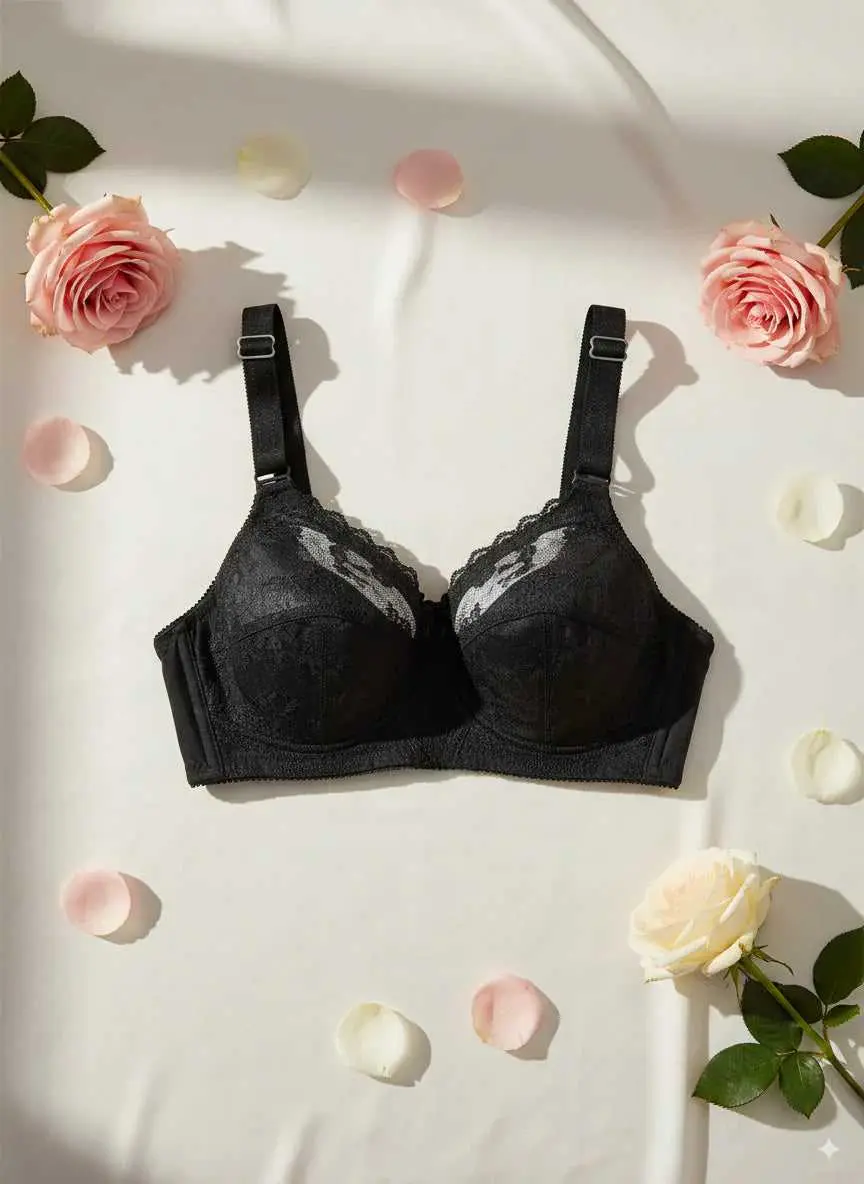
Determining if your bra size is classified as “medium” or “large” can be quite perplexing. With a number and a letter in hand, what do they actually signify when shopping for bras, whether they're bralettes or sports bras?
This article clarifies where 34D fits on the size spectrum, its appearance on various body types, and how to find your ideal fit.
Is 34D Medium or Large?
A 34D bra size is typically categorized as medium or medium-full, but not large or extra-large. In most sizing charts across the US, UK, and EU, 34D is firmly in the Medium (M) range, often leaning towards the fuller end.
How a 34D looks varies significantly with body shape, height, and weight. On petite figures, it can seem quite full, whereas on taller or broader frames, it appears more balanced.
A 34D bra corresponds to approximately:
Band measurement: 34 inches (around 86 cm) around the ribcage
Bust measurement: 38 inches (approximately 96–97 cm) at the fullest part
Cup difference: 4 inches between bust and band
Quick classification overview:
Classification | Where 34D Fits |
|---|---|
Grouped bra sizing (S/M/L) | Medium, occasionally Medium-Large |
Cup size category | Moderate-full, not small or excessively large |
Compared to average | Within the commonly worn range |
Visual impression | Varies by body type and clothing |
What Does 34D Actually Indicate?
Your bra size consists of two specific measurements: the band size (the number) and the cup size (the letter). A 34D is not just a vague “large” label; it accurately defines your fit.
The band (34): This number indicates your underbust measurement. When you measure snugly around your ribcage just beneath your bust, you typically get around 29–31 inches, which corresponds to a 34-inch band in US/UK sizing. The band provides 80% of your support, making its accuracy crucial.
The cup (D): The cup letter represents the difference between your bust size and band size, with a D cup signifying a roughly 4-inch (10 cm) difference. So, if your band measures 34 inches and your bust measures 38 inches, you’re a 34D.
It's important to note that a D cup is not universally “big.” Cup volume varies based on the band size.
Bra Size | Band | Bust | Cup Volume |
|---|---|---|---|
32D | 32” | 36” | Smaller |
34D | 34” | 38” | Medium |
36D | 36” | 40” | Larger |
38D | 38” | 42” | Even larger |
A 34D has considerably less cup volume than a 38D, even with identical cup letters. This is why focusing solely on the letter can misrepresent your true size.
Is 34D Medium or Large in Everyday Context?
Size perception arises from clothing size charts, industry standards, and how the size appears on various bodies. Here's a breakdown:
In grouped sizing, where brands use S, M, L instead of numbered bands, sizes 32C through 34D generally fall under Medium as of 2024. Typical lingerie and sportswear brands classify sizes as follows:
Small: 30–32 A–B
Medium: 32–34 C–D
Large: 34–36 D–DD and above
Some fuller-bust brands or high-impact sports bras may place 34D at the upper end of Medium or as the start of Large, particularly for items that offer more support during activity.
Chart classification vs. visual perception:
Based on size charts: 34D is medium, sometimes medium full
According to fitters: “Medium-full” or “average-full” bust
What it isn’t: Small, very large, or needing specialty sizing
Common misconception: Any D cup is automatically “big”
In casual terms, many bra fitters consider 34D a medium-full bust. It’s more substantial than a B or C cup on the same band yet is far from the largest sizes available. Retail insights consistently classify 34D as suitable for a “medium width ribcage with fuller than average cup depth.”
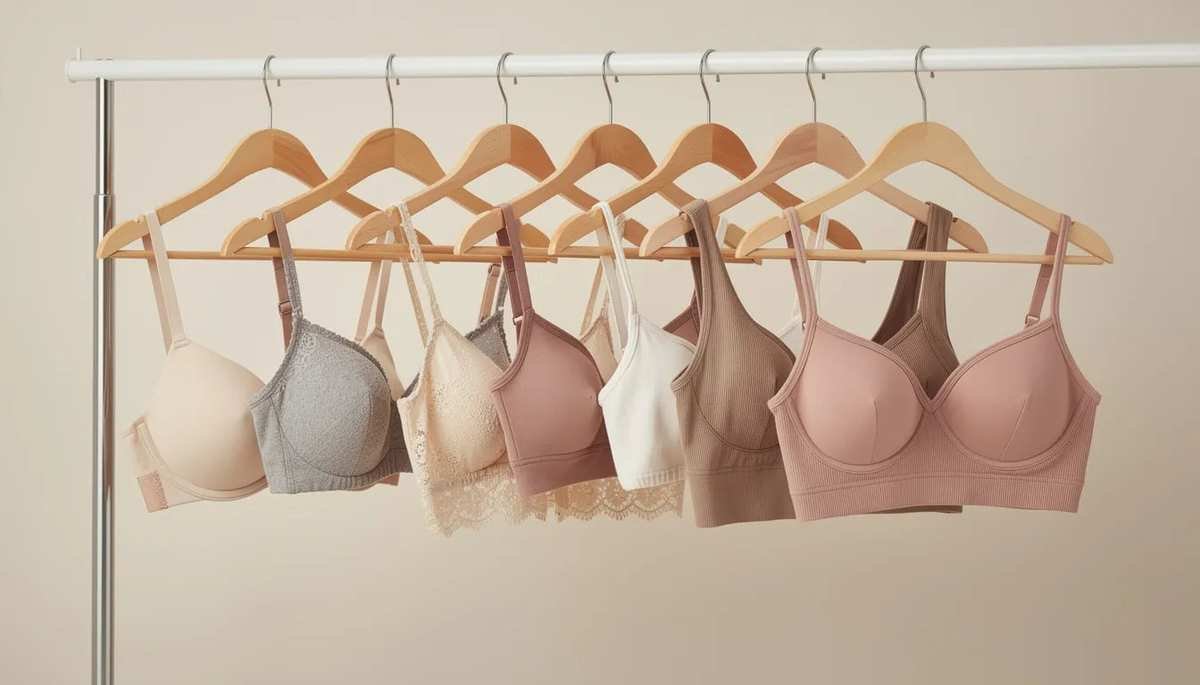
Visualizing 34D on Different Body Types
Here’s a breakdown of how 34D typically appears on various body types:
On a 5’2” (157 cm) petite frame wearing size S tops: 34D appears quite full, potentially seeming “large” due to less torso length for visual distribution.
On a 5’5”–5’7” (165–170 cm) medium frame wearing S–M tops: 34D appears balanced and proportional, often seen as the “standard” fit where it isn’t too small or particularly large.
On a 5’8”+ (173 cm+) or broader frame wearing M–L tops: 34D presents as moderate to slightly full, but definitely not overly large, aided by the added height and shoulder width.
Breast shape impacts how “big” 34D appears in clothing:
Full on top: Creates more visible cleavage and appears fuller in lower necklines
Full on bottom: Tends to be more modest and sits lower on the chest
Wide set breasts: May look smaller since volume is spread across a larger area
Close set breasts: Can appear fuller at the center, especially in plunge styles
Your natural shape greatly influences how a cup fits and how much more coverage or depth you might need from various styles.
34D Compared to Neighboring Sizes
Understanding how 34D relates to neighboring sizes clarifies whether it feels medium or large on you. Let's compare it with sizes you might be considering.
34C vs 34D:
Identical band size, same fit around the ribcage
34D offers about one inch more bust volume
34D appears moderately fuller, especially in form-fitting outfits
For those spilling out of 34C, 34D provides extra room
34D vs 34DD (or 34E):
Same band, but 34DD has roughly one inch more volume
34DD appears larger and feels heavier
The difference is significant in both fit and look
This represents the transition from “medium-full” to “full”
32D vs 34D:
Similar cup letter, yet 32D has less overall cup volume
32D features a tighter band for smaller ribcages
34D fits a slightly larger chest and ribcage
Though they are sister sizes, they cater to different body types
36C vs 34D (Sister Sizes):
Both share similar cup volume, showcasing the sister size relationship
36C has a looser band
34D provides more support with a snugger band fit
This comparison emphasizes that 34D isn’t particularly large; it’s a medium cup on a medium band
Sister sizes can be handy when your preferred size isn’t in stock. A 32DD offers the same cup volume as 34D with a tighter band, while 36C provides equivalent volume on a larger band.
How 34D Translates to Clothing Sizes (S, M, L)
Bra sizes don’t align perfectly with clothing sizes, but certain patterns are common among brands for bralettes, crop tops, and sports bras.
As of 2023–2025, many grouped-size charts categorize 32C–34D in the Medium range. Here’s a typical breakdown:
S/M/L Size | Typical Band-Cup Range |
|---|---|
Small | 30–32 A–C |
Medium | 32–34 C–D |
Large | 34–36 D–DD |
XL | 36–38 DD+ |
Practical examples:
In many brands, 34D is at the upper end of Medium or overlapping with Medium-Large
Sports bra brands often classify D-DD cups on medium range chests as Medium to Medium-Large
Bralette sizing can be less forgiving; a 34D might require Medium for coverage but feel loose if you usually wear tighter clothing
What to expect when shopping for 34DD sports bras:
If you’re a 34D but wear XS or S tops, Medium bralettes may fit your bust but feel loose around the ribcage
If you wear M–L tops, Medium bralettes should fit well overall
For more support in sports bras, you might opt for Medium Large
How to Measure for a 34D
To accurately confirm if 34D is your size and whether it feels “medium” on your body, you need precise measurements. Bodies fluctuate over time due to weight changes, hormones, and aging, so measuring regularly ensures the best fit.
To measure your bust size, wrap the tape around the fullest area of your bust, typically over your nipples. A difference of 1 inch from the band size indicates an A cup, 2 inches for a B cup, 3 inches for C, and 4 inches for D. Regularly checking your size is crucial since body changes can impact fit and comfort. A well-fitted bra should feel secure yet comfortable and supportive without being restrictive. Brands may have slight sizing variations, so it's wise to try on multiple bras in your size range.
When the band fits well, it alleviates shoulder pressure and enhances overall support throughout the day. A typical 34D breast weighs around 0.9 to 1.1 pounds each, totaling approximately 1.8 to 2.2 pounds. The 34D size is one of the most commonly produced, ensuring plenty of options from retailers.
Step 1: Measure your underbust (for band size)
Use a tape measure snugly around your ribcage, directly under your bust
Ensure the tape is parallel to the ground
Maintain normal breathing and note the measurement
Typical 34 band users measure between 29–31 inches
Step 2: Measure your bust (for cup size)
Wrap the tape around the fullest part of your chest, usually over your nipples
Stand relaxed with arms at your sides
Don’t pull too tight; the tape should be snug without compressing breast tissue
A typical 34D bust measurement is about 38 inches
Step 3: Calculate the difference
Subtract your underbust from your bust
Each inch of difference equals one cup letter:
1” = A cup
2” = B cup
3” = C cup
4” = D cup
5” = DD cup
Example: 34” band + 38” bust = 4” difference = 34D
Different countries use various sizing systems (EU, FR, AUS, JP), and tags may reflect different numbers. However, your actual body measurements remain the same regardless of the brand's system.
Is 34D Heavy or Difficult to Support?
A 34D bust is noticeable in weight but is not among the heaviest cup sizes. For context, larger breasts in the G+ range can be significantly heavier and require specialized support.
What to expect with 34D weight:
Approximate weight range: about 0.9–1.1 pounds (400–500 grams) per breast, varying by tissue density
Fuller than a C cup, but lighter than a DD cup and larger
Most can wear a well-fitted everyday bra comfortably
Back pain linked to this size alone is rare with the correct fit
Support quality is far more critical than the cup letter. A well-fitted bra with a snug band, properly fitting cups, and suitable straps distributes weight evenly across your torso.
For daily comfort with 34D:
Focus on band fit; it should be snug without causing red marks
Opt for wider bands or straps if you have issues with shoulder grooves
A supportive sports bra is crucial for any physical activity to minimize bounce
Properly fitted bras can prevent the chronic discomfort often attributed to breast size
For most in the 34D range, a quality everyday bra and a supportive sports bra suffice to avoid pain or strain. A 32D contains significantly less breast tissue compared to a 38D, which has more volume and depth. The same D cup on a 32 band versus a 40 band has different volumes affecting fit and comfort. As band sizes go up, the cup widens and deepens to accommodate the larger frame, often requiring stronger bras with better engineering.
Ideal Bra Styles for 34D (Feeling Medium, Not Bulky)
Certain bra styles can help a 34D feel balanced instead of overly large or minimized. Here are the best styles for this size range. T-shirt bras are excellent for 34D sizes, offering smooth, lightly padded cups for daily support. Balconette bras lift from below, creating an open neckline. Full coverage bras keep breast tissue contained and distribute weight evenly for 34D sizes. Convertible bras are versatile options for 34D, with adjustable straps for various outfits.
T-shirt bras:
Smooth, molded cups with light padding
Perfect for everyday wear under fitted clothing
Creates a rounded, medium appearance without adding bulk
Best suited for: Work, casual wear, any fitted top
Balconette bras:
Lift from below with a more open neckline
Offers a flattering shape without excessive coverage
Ideal for square and scoop neck tops
Best suited for: Lower necklines, when you desire visible lift
Full-coverage bras:
Provide maximum containment and even weight distribution
Great for structured clothing requiring more coverage
Often feature wider bands for added support
Best suited for: Professional settings, high-support needs
Sports bras:
Look for encapsulation or combination styles
Medium or Medium-Large typically suits 34D
Designed to minimize bounce during workouts
Best suited for: Exercise, running, any high-impact movement
Bralettes:
Select structured styles with wider bands and adjustable straps
Wire-free options offer comfort while supporting
In S/M/L sizing, Medium usually accommodates 34D
Best for: Lounging, low-impact days, layering under loose tops
Wireless bra options:
Ideal for days when you desire comfort without underwire
Seek styles with supportive bands for compensation
Best for: Traveling, working from home, recovery days
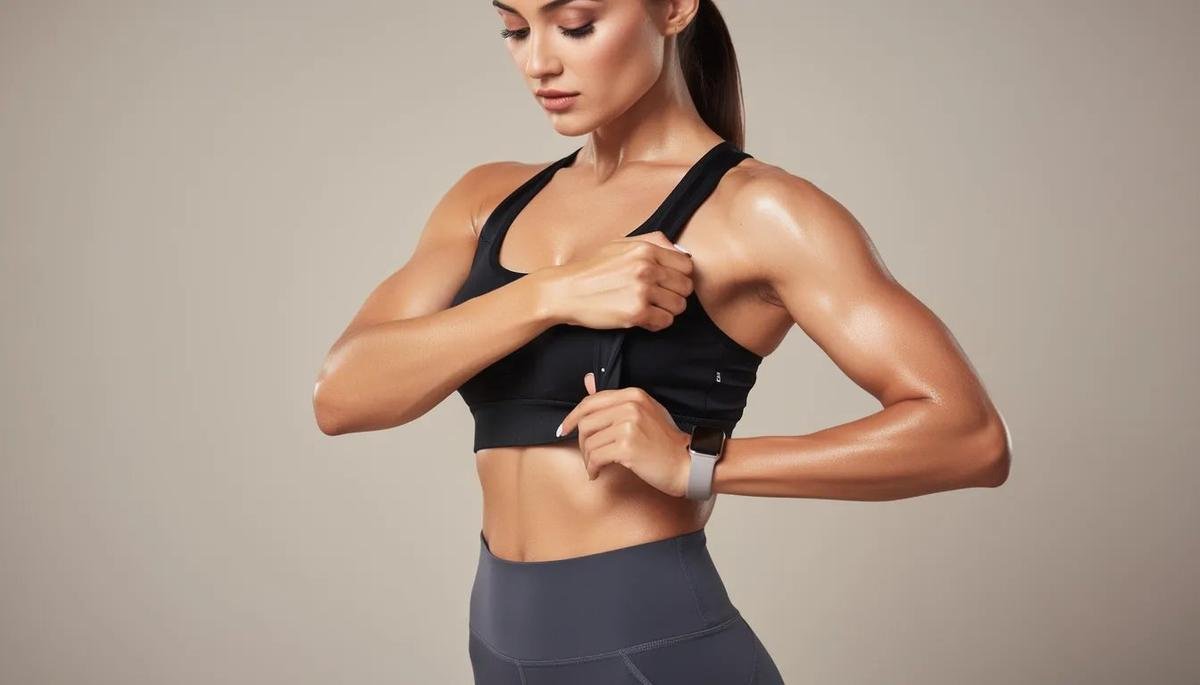
Common Fit Issues for 34D and Simple Solutions
Many who perceive 34D as “too large” or “too small” often face incorrect band or cup fit, rather than a sizing issue. Here are frequent fit challenges and their solutions.
Issue: Band riding up in the back
What it indicates: Band is too large; it should remain level around your torso
What to try: Switch to 32D or 32DD (the sister size with a tighter band)
Why it works: A snugger band stays in place and delivers better support
Issue: Cup spillage (quad-boob effect)
What it indicates: Cup is too small; breast tissue spills over the top
What to try: Measure your bra size accurately and consider sizing up to 34DD or opting for a style with more coverage
Why it works: A larger cup contains all breast tissue without overflow
Issue: Gaping cups at the top
What it indicates: Cup is too large or mismatched to your shape
What to try: Size down to 34C or try a different cup shape (plunge vs full cup)
Why it works: Some shapes require less depth at the top
Issue: Straps digging into shoulders
What it indicates: Band isn’t providing enough support; straps are compensating
What to try: Tighten the band, loosen straps, or select bras with wider straps
Why it works: When the band fits correctly, straps only need to stabilize, not lift
Issue: Underwire poking or pressing on breast tissue
What it indicates: Wire is either the wrong size or shape for your chest
What to try: Adjust cup size or explore styles with varying wire widths
Why it works: Wire should rest flat against the ribcage, encompassing all tissue
FAQs About 34D Being Medium or Large
Here are common questions regarding 34D’s position on the size spectrum.
Is 34D larger than a medium? In grouped sizing, 34D is considered at the fuller end of Medium but usually remains in that category. It’s not typically labeled as Large unless the brand runs small or you’re looking for high-support athletic wear.
Can I be 34D and wear size M tops? Yes, many 34D wearers comfortably fit into S or M tops based on shoulder width and waist measurements. Your clothing size isn’t solely determined by your cup size; body shape, height, and personal preferences also play a role.
Is 34D equivalent to 36C? These are sister sizes with similar cup volume, but they fit differently. A 36C has a larger band that sits looser, while 34D has a snugger band with the same breast coverage. Same volume, different fit.
Is 34D a common size? Yes, 34D and 36D are among the most frequently stocked D cup sizes in stores as of 2024, making them readily available in most lingerie shops and online retailers.
Why does 34D appear large on me but small on others? Height, torso length, breast shape, and clothing choices all influence how volume looks. On shorter frames, any bust size appears larger proportionally. Moreover, full-on-top breast shapes tend to look fuller than full-on-bottom shapes of the same measured size.
Does a D cup mean I have larger breasts? Not necessarily. A D cup simply denotes a 4-inch difference between your band and bust size. On a 32 band, that means less volume than on a 38 band. A D cup on a 34 band is generally medium, not large.
Conclusion: Where 34D Truly Falls on the Size Spectrum
A 34D is best described as a medium to medium-full bust size. It’s larger than a B or C cup on the same band but is far from the largest sizes available. The D cup label sounds more significant than the reality.
Size charts and grouped sizing consistently categorize 34D as Medium, particularly for bralettes and sports bras. Retail data shows 34D as one of the most commonly stocked and purchased sizes, indicating it's not a specialty measurement requiring scarce bras.
Instead of worrying about whether “D” seems too large, focus on accurate measurements, finding comfortable bras, and selecting styles that provide the support you need. A well-fitted 34D should feel secure, appear balanced under clothing, and cause no discomfort.
In summary: 34D is a standard, manageable size that can look modest or full depending on your body type and outfit choices. It’s medium, and that’s perfectly acceptable.



