
The kitchen triangle, sometimes referred to as 'the kitchen working triangle' or 'the golden triangle,' is a design principle established in the 1940s by researchers at the University of Illinois. Its primary goal was to reduce construction costs.
Initially intended for cost savings, this layout quickly gained popularity among designers for its efficiency. However, the question remains: is it still applicable today, or has kitchen design evolved beyond this concept?
We reached out to design experts to clarify the relevance of the kitchen work triangle and to answer your pressing questions.
1. What defines the kitchen work triangle?

According to Adrian Bergman, Senior Designer, the kitchen work triangle consists of three essential work areas: the sink, refrigerator, and stove. The design rule suggests these components should be positioned to form a loose triangle, which allows for efficient movement during cooking tasks.
Each side of this triangle should ideally measure between four and nine feet, with the total perimeter ranging from 13 to 26 feet. This balance ensures a functional workspace that's neither too cramped nor too expansive, minimizing unnecessary steps between stations.
The triangle layout also raises practical questions, such as the best placement for a refrigerator.
- Explore: Kitchen layout ideas – innovative ways to arrange your space
2. Which elements comprise the kitchen triangle?
Simply put, the kitchen triangle is formed by the sink, refrigerator, and stove.
3. What is the kitchen triangle's purpose?

Adrian explains that the kitchen triangle's purpose is to facilitate smooth transitions between these key areas, enhancing efficiency during meal preparation. George Miller, a Home Designer, adds that this layout minimizes the distance needed to move between cooking, cleaning, and storage stations.
4. Is the kitchen triangle still relevant?

Experts agree that while the kitchen triangle remains a valuable design principle, modern family dynamics have shifted. In many households, multiple cooks may be at work simultaneously, transforming the triangle's points into distinct zones: cooking, cleaning, and prepping. This is particularly true in larger kitchens with more space.
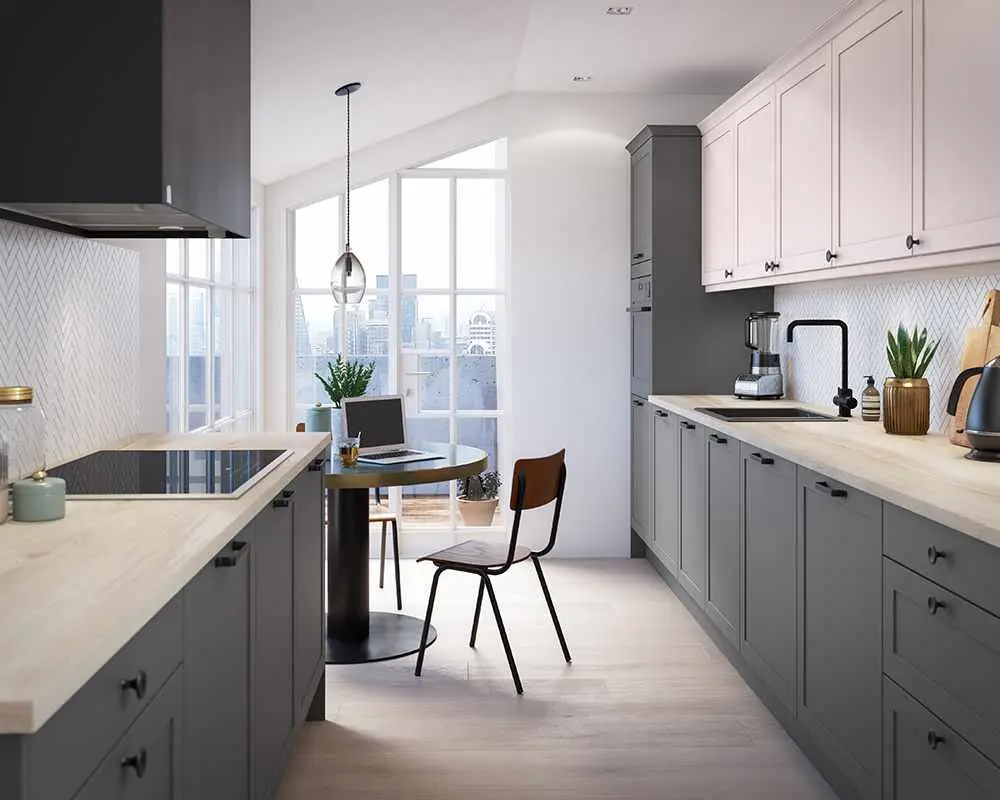
However, in compact layouts like galley kitchens, adhering strictly to the triangle may not be feasible. Regardless of your kitchen's layout, it's wise to consider the efficiency that a triangular arrangement can offer when planning your design.
Helen Parker, Creative Director, notes that while the triangle often forms naturally, focusing solely on it can detract from both aesthetics and functionality. A balanced approach is essential to create a kitchen that is both beautiful and practical.
5. Can you integrate a kitchen triangle with an island?
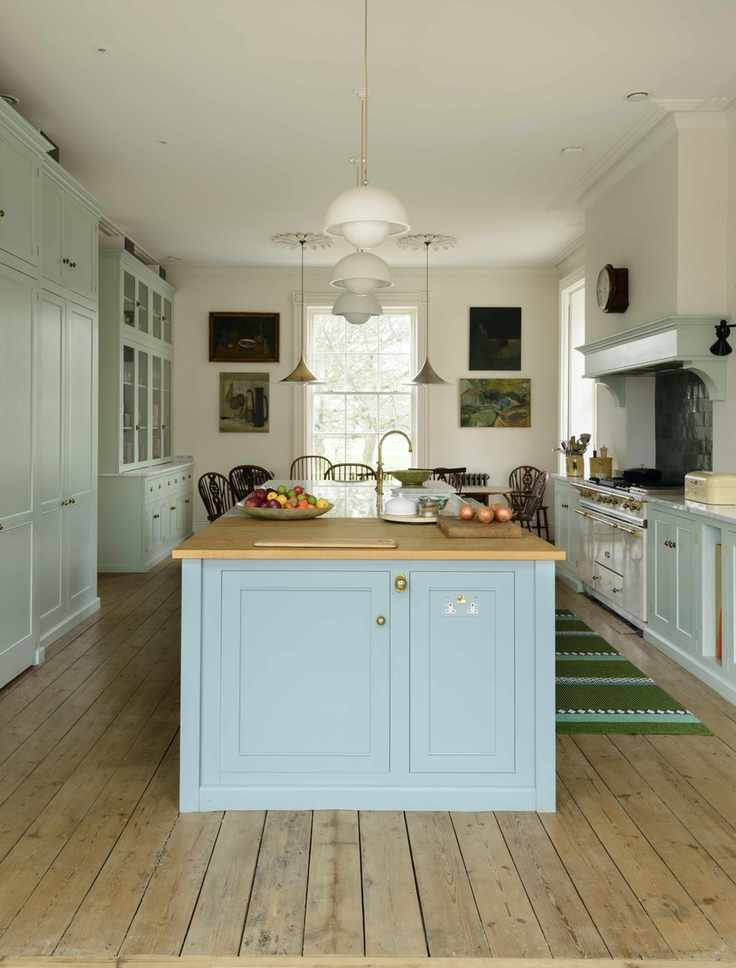
It is entirely possible to incorporate one of the triangle's points into an island or use it as an additional prep space. Adrian emphasizes that the triangle isn't a rigid guideline; rather, designs should prioritize the client's needs and the specific characteristics of the space. Often, the triangle's layout occurs organically.
Many homeowners aspire to include a kitchen island, which can serve as a fourth point in the triangle, creating a more dynamic workspace.
6. What alternative layouts exist beyond the kitchen triangle?

Modern homes often require flexible design layouts that suit individual needs. Annie Ebenston, Lead Designer, highlights the importance of understanding how a kitchen is utilized and ensuring a smooth flow. Each household has unique cooking habits, so it's crucial to consider the available space and the types of appliances used.
For instance, drawer refrigerators are increasingly favored, especially when paired with a walk-in pantry or utility kitchen to accommodate larger appliances. Options like additional sinks or dual sinks on both counters are becoming more common.
Explore: Pantry ideas – adaptable storage solutions for contemporary living
A second kitchen or a 'dirty kitchen' is gaining traction, especially in open-concept homes. These designs may challenge the traditional kitchen triangle concept, but they cater to modern lifestyles effectively.



