
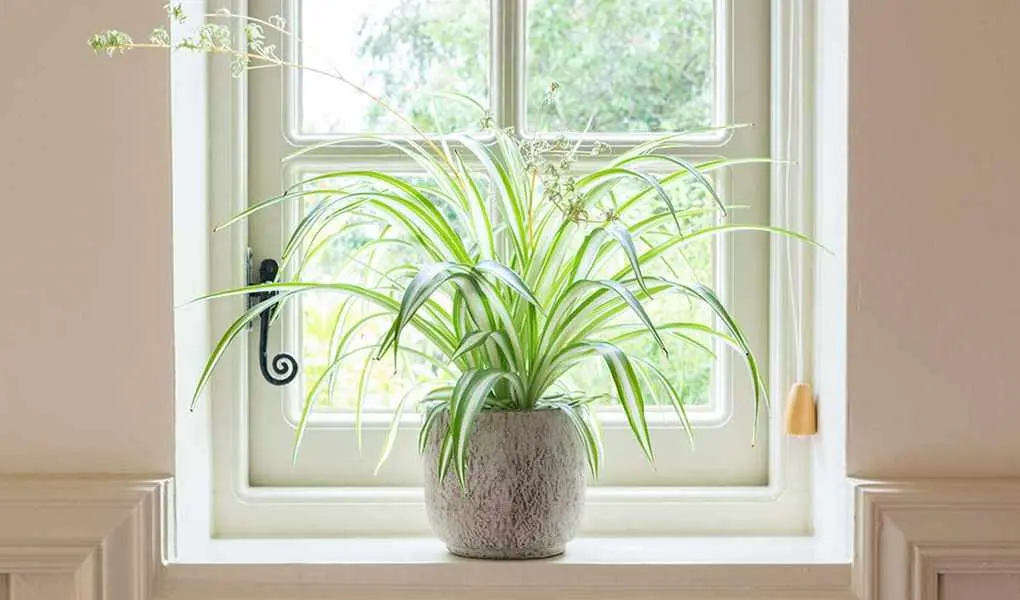
Chlorophytum comosum, commonly referred to as spider plants, are beloved houseplants known for their resilience and easy care. However, they can develop issues, such as yellowing leaves, which can be rectified with a few adjustments to your care routine.
Should your spider plant begin to turn yellow, various factors could be at play, indicating that a change in your spider plant care practices may be necessary.
Spider plants offer numerous benefits — they are effective air purifiers and can enhance indoor humidity. Additionally, they are quite easy to propagate.
Our plant care specialists will discuss the common reasons for yellowing leaves and provide tips on how to rejuvenate your spider plant.
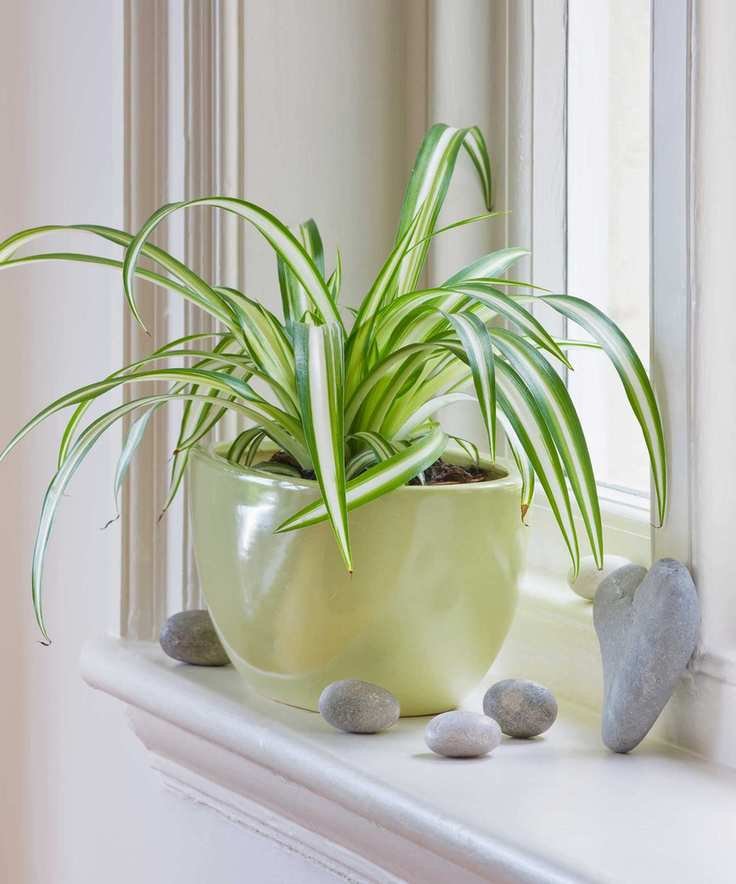
Why Are My Spider Plant Leaves Yellowing?
Here are five common reasons your spider plant might be showing yellow leaves.
Overwatering
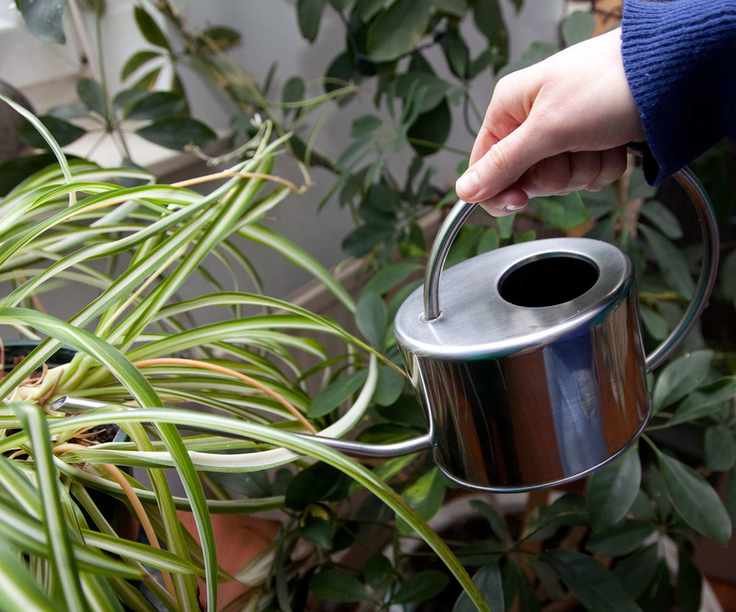
One of the most frequent mistakes made by indoor gardeners is overwatering, which can lead to root rot in spider plants. This condition prevents the plant from absorbing essential nutrients, resulting in yellowing and wilting leaves.
Moreover, excessive watering can create an oxygen deficiency in the soil, suffocating the plant. To counteract overwatering, allow the soil to dry out completely before watering it again.
Underwatering
Conversely, your spider plant may be turning yellow due to underwatering. As Christine Tobar, Owner and Founder of Botanicoeur, points out, 'Underwatering stresses the plant, leading to yellow leaves. Establish a consistent watering schedule that keeps the soil moist without becoming soggy.'
You might also consider a self-watering planter from Amazon that features a reservoir to ensure your plant receives adequate hydration. With this type of planter, you may only need to water your spider plant every two weeks.
Improper Light Levels
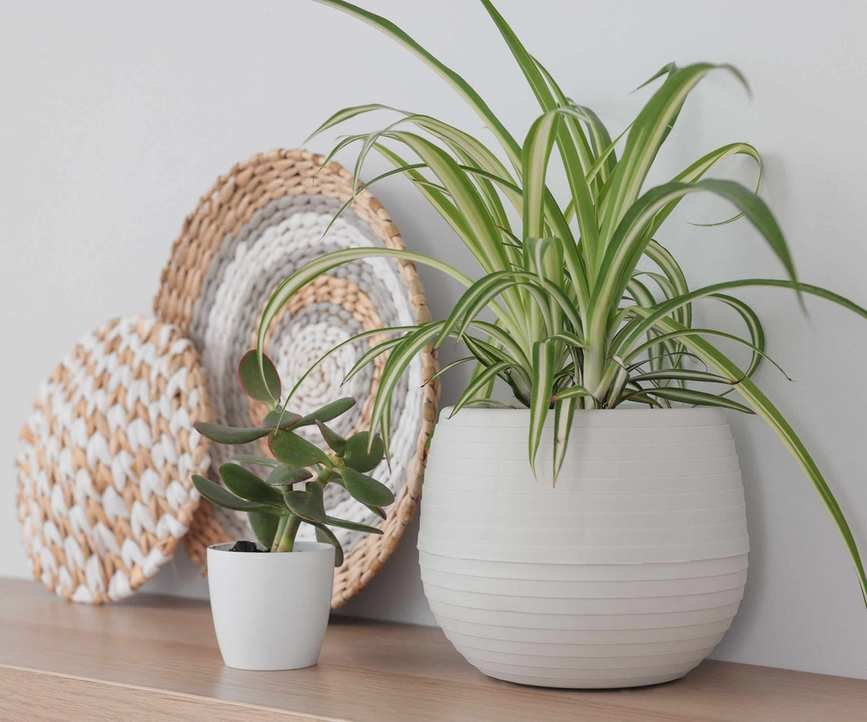
Spider plants may also yellow if they are exposed to too little or too much light. Being tropical plants, they thrive in bright, indirect light.
If your spider plant is yellowing, it might need to be relocated. Excessive light can scorch the leaves, resulting in yellowing. Position your spider plant in a spot with ample bright, indirect sunlight, preferably near a natural light source rather than artificial light, to help it adapt to the natural day-night cycle.
Nutrient Deficiency
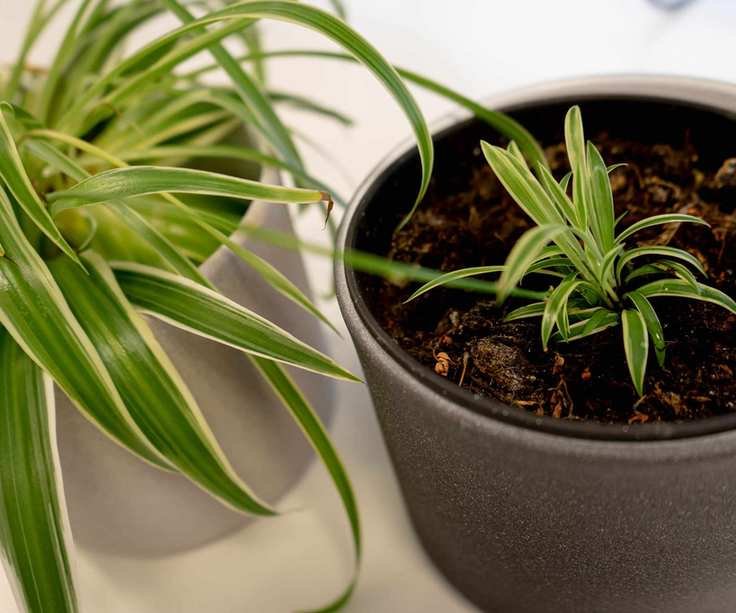
A lack of essential nutrients, particularly nitrogen, can also cause yellow leaves on your spider plant.
Feeding your plant with a balanced, water-soluble fertilizer every 4-6 weeks during the growing season can help remedy this issue.
Consider using a 20-20-20 NPK fertilizer available on Amazon, which is an all-purpose plant food that can enhance your spider plant's vitality and restore its natural color.
Pest Infestation
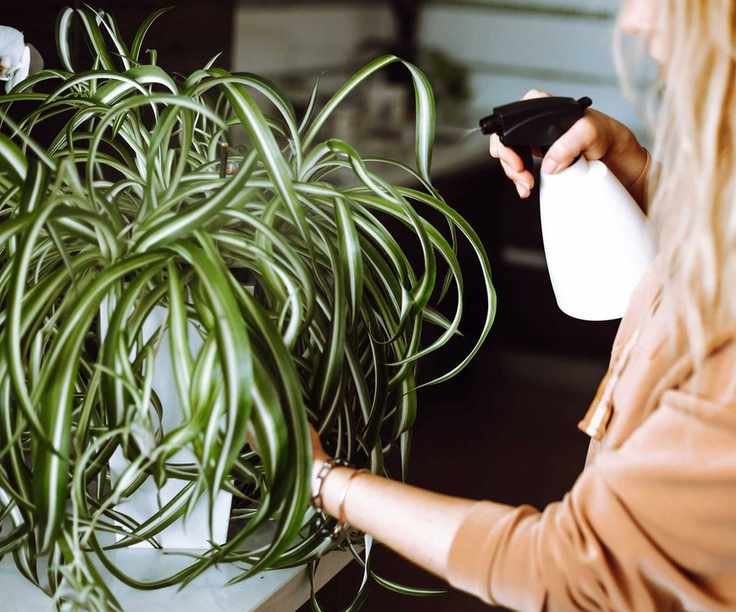
While spider plants are generally resistant to pests, certain insects can still damage the plant and lead to yellow or brown leaves. According to Tim Graham, Chief Horticulturist at Yard and Garden Guru, common pests include spider mites, mealybugs, and aphids, which are attracted to the foliage.
To address pest issues, consider using a natural insecticide solution such as Neem Oil & Peppermint plant spray from Amazon.
FAQs
Should I Remove Yellow Leaves from My Spider Plant?
If you notice completely yellow leaves on your spider plant, it's best to cut them off with a sterile cutting tool. Removing dead leaves allows the plant to focus on nurturing healthy new growth.
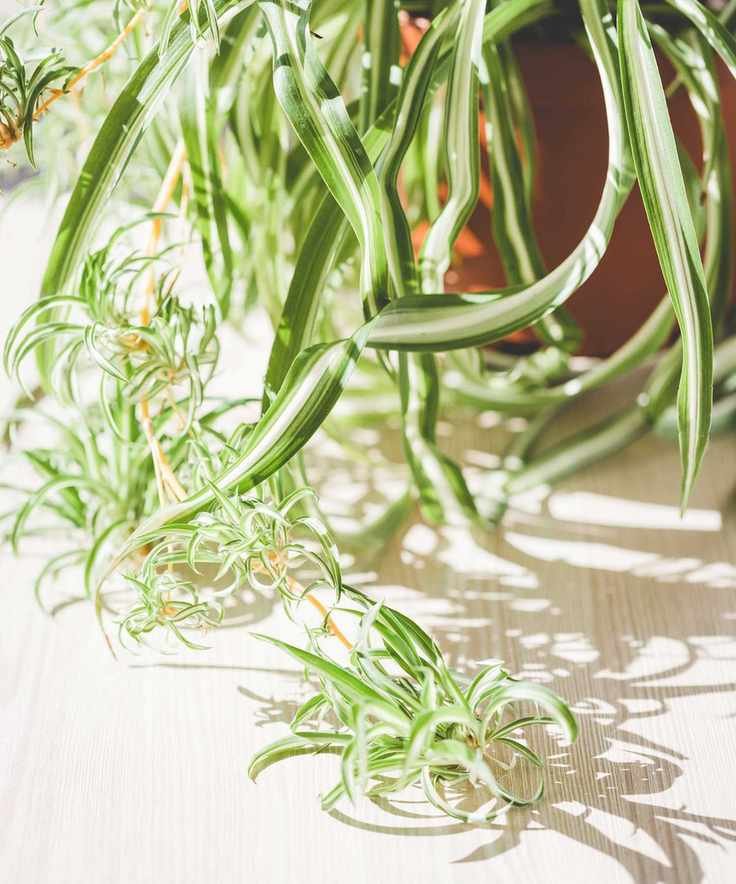
Spider plants may turn yellow for various reasons, but with a few simple adjustments, your plant can quickly regain its vibrant health. Once you start to see new 'spiderettes' forming, you'll know your plant is flourishing again. You can propagate these offshoots to create new plants, as spider plants are among the easiest houseplants to grow from cuttings.



