
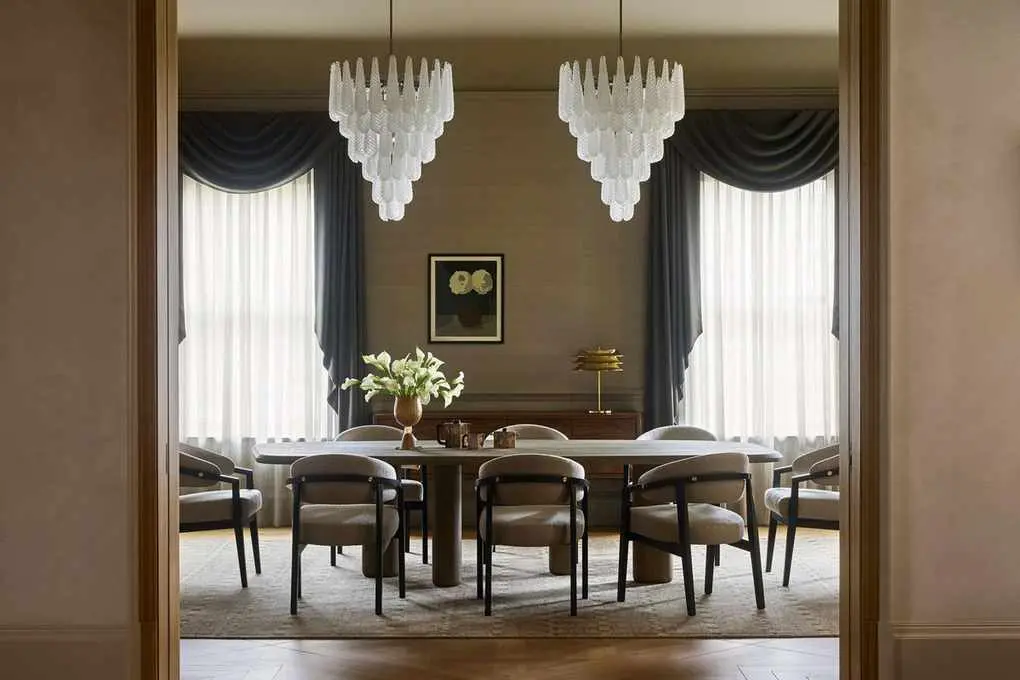
Vintage design isn't just an accent anymore; it's becoming the core of home interiors. As designers move away from mass-produced furniture, there's a growing desire for unique pieces with history and character. Antiques and vintage finds are prized not only for their craftsmanship but also for the individuality they bring to a space.
Market trends indicate this shift. As reported by 1stDibs, the demand for antiques and collectibles is on the rise, with sculptural pieces like glass lighting and curvy furniture leading the way. According to Anthony Barzilay Freund, Editorial Director at 1stDibs, this reflects a broader trend: 'People want spaces that feel personal and intentional, and vintage decor provides that in ways modern furniture cannot.'
Here are the vintage trends poised to influence interiors in 2026.
1. Curvy and Irregular Shapes
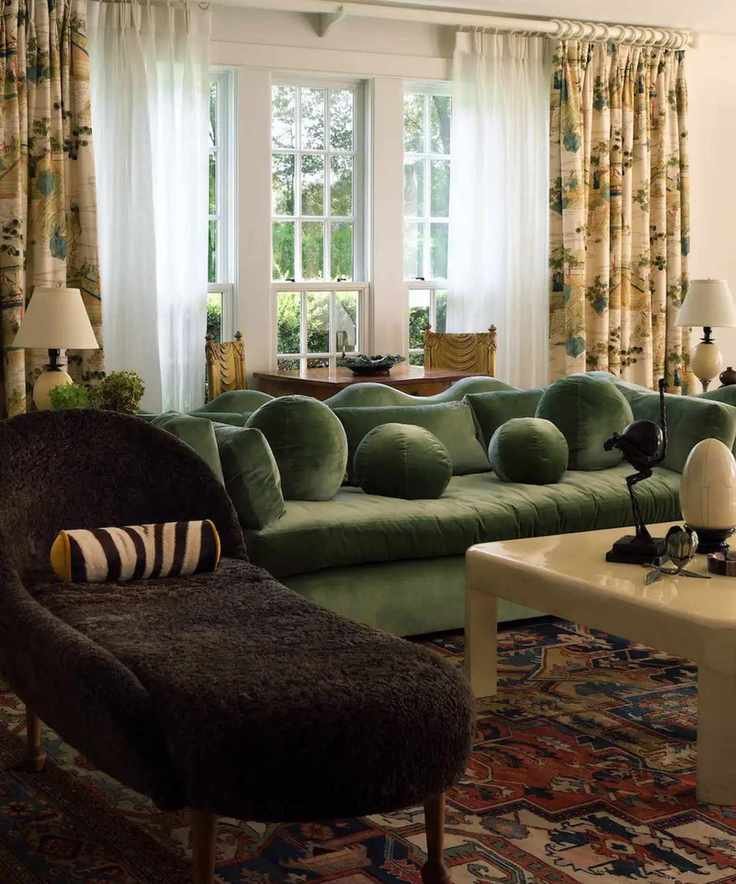
In 2026, designers are leaning into curves to soften spaces and move away from rigid minimalism. Curved coffee tables, organic mirrors, and sculptural seating introduce a sense of comfort and visual flow.
Anthony highlights the rising popularity of iconic curved pieces, stating, 'There's a strong focus on tactile sculptural forms that feel inviting.' Vintage mid-century and post-modern designs are particularly influential, as they humanize spaces with their warmth.
Interior designer Rachael Gowdridge emphasizes the welcoming nature of these curves, explaining, 'Their fluid lines help ease the harsh angles of a room, creating a more harmonious flow.'
Design consultant Eleanor Taylor-Roberts notes that these shapes resonate emotionally, offering a counterbalance to stark minimalism with their inviting, tactile qualities.
How to incorporate at home: Start small with rounded chairs, free-form mirrors, or vintage ceramics to introduce curves without overwhelming the space.
A sculptural centerpiece from Proisy Studio's Modern Cowboy collection, the Jim Sofa XL Size is an oversized, hand-crafted curved bouclé-upholstered sofa.
A sculptural wall mirror crafted from honed Black Bulgari marble with a gently curved silhouette and substantial frame, where the natural veining of the stone ensures each piece is unique.
With its soft curves and organic elegance, this vintage-style wall light will instantly enhance any room. Flank a bed or add a surprising touch to a kitchen.
2. Murano Glass
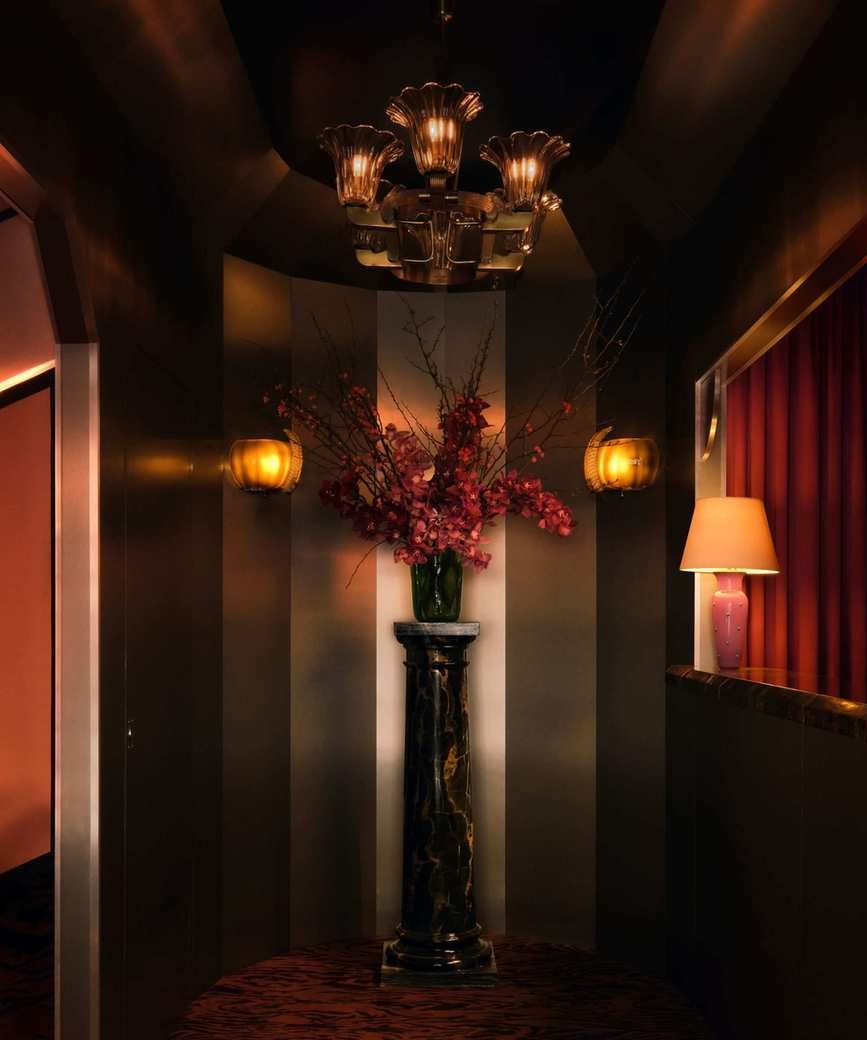
This year, Murano glass is stealing the spotlight in vintage lighting design. Whether as pendants or colorful clusters, these pieces serve as functional art.
Anthony points out, 'Murano lighting is a major contributor to the current vintage demand. Collectors appreciate its vibrant colors, craftsmanship, and artistic shapes – it's a centerpiece that defines a room.'
Duncan Campbell and Charlotte Rey of Campbell-Rey have been inspired by Murano glass for 15 years, marveling at its texture, color, and versatility.
How to use at home: In addition to lighting, showcase Murano glassware such as vases, bowls, or sculptural pieces as vibrant, hand-crafted accents.
Individually hand-blown by artisans in Murano, each of these tumblers is a piece of art for your table.
A pair of hand-blown Murano glass wall sconces defined by elegant, curved forms and a softly luminous finish, celebrating the enduring craftsmanship of Venetian glassmaking.
A vintage Murano glass vase from 1960s Italy, hand-blown with a distinctive tortoiseshell pattern and wavy rim.
3. Pre-1920s Antiques
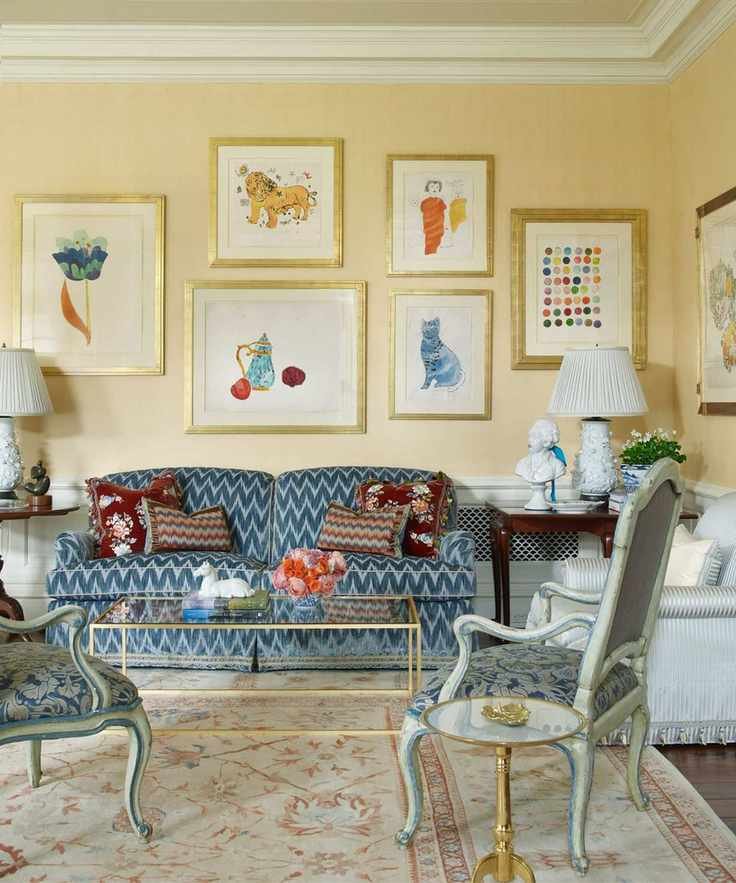
Successful maximalist interiors often start with pre-1920s antiques. Pieces like hand-carved furniture and patinated woods add visual weight, grounding vibrant, textured schemes.
Anthony notes, 'In today's mix of expressive colors and materials, early antiques provide visual stability, making rooms feel intentional. Designers are increasingly centering spaces around standout antiques.'
Echoing this, designers Ann Wolf and Ashley Holden of Wolf Holden describe these pieces as essential for visual balance.
How to use at home: Start with a significant antique piece, like a table or armchair, and layer bold elements around it for a thoughtfully curated look.
An early 19th-century Austrian Biedermeier sleigh daybed, finely crafted with walnut veneer and clean, flowing lines that exemplify the period's exceptional woodworking.
A rare pair of dining chairs, crafted in steam-bent wood with distinctive loop-shaped leg braces and woven cane seats, exemplifying the technical innovation and refined lightness of early Viennese furniture design.
An early 19th-century two-door cabinet, beautifully finished with curl mahogany veneers, brass wire grilles with original silk backing, and pilasters crowned by finely carved lotus-leaf capitals.
4. Floral and Botanical Patterns

Florals are making a comeback, but with more depth and artistry than before. In 2026, floral and botanical patterns are expected to top the vintage pattern list, with styles from the Victorian era and mid-century prints reemerging.
Decorative artist Tess Newall highlights their lasting appeal, stating, 'Nature has always inspired my work. The timelessness of florals comes from the softness they introduce to a room.' Today's floral designs are thoughtfully layered, often taking cues from historical sources.
How to use at home: Consider vintage florals as art. Incorporate archival prints or historical textiles in a single, impactful application, like a wallpapered alcove or hand-painted ceiling.
A set of three early 20th-century Swedish folk art pieces featuring hand-crafted forms and painted decoration that reflect the charm and regional traditions of Scandinavian vernacular art.
A trompe l'oeil wallpaper featuring painterly, folk-inspired florals and stylised foliage, framed within a panel-effect border to evoke the look of traditional Tyrolean painted furniture and decorative wall panels.
Hand-painted and inspired by vintage floral patterns, these decorative boxes can store jewelry, photos, or corral clutter on your bedside table.
5. Color-Drenching with Vintage Palettes
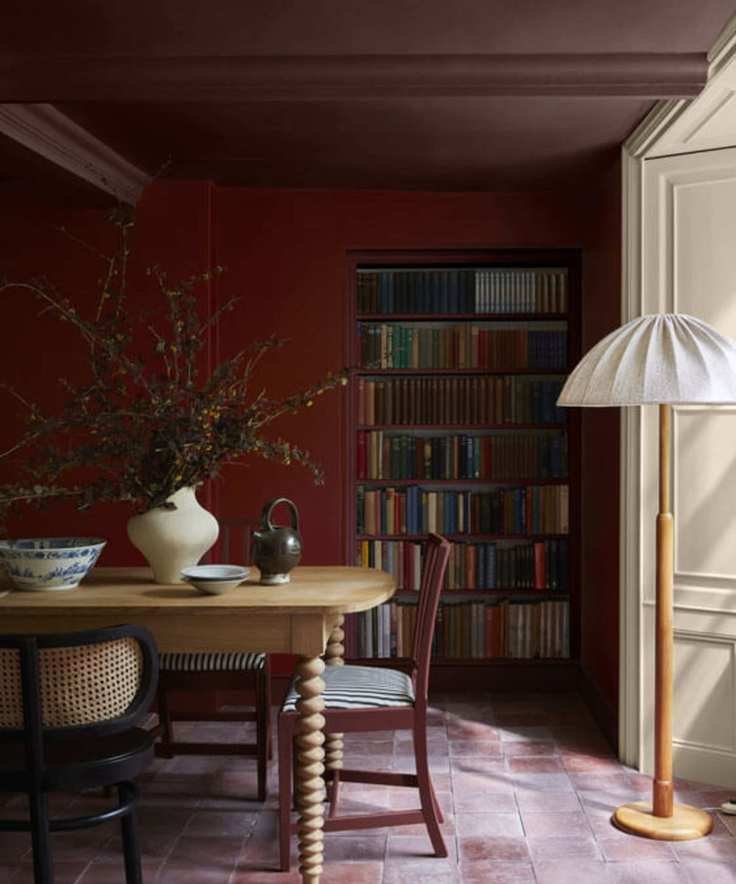
Color-drenching is evolving in 2026, with designers adopting this technique through a vintage lens. Color trends are shifting towards historically inspired palettes, featuring moody greens, burgundy, chocolate browns, and porcelain blues.
Instead of fixating on a single trendy color, palettes are becoming richer and more intentional. Ruth Mottershead, Creative Director of Little Greene, stresses that this cohesive approach delivers a high impact by painting woodwork, ceilings, and doors to match wall colors. 'There's a clear shift from white surfaces to coordinating colors,' she adds.
Jennifer Pelzig of Parsnip Design sees color drenching as a spatial tool. 'Applying color throughout a room can soften its edges, especially in spaces lacking architectural interest,' she notes.
How to use at home: Explore paint brands that reference history. Seek shades inspired by archives or period interiors and apply them across surfaces.
A deep stone-toned paint shade inspired by the pantry door at Wimpole Hall, reflecting the practical, muted hues traditionally used in back-of-house interiors and recreated in partnership with the National Trust.
A light, traditional green with gentle yellow undertones, Saxon Green has a soft, timeworn quality and draws on historic paint colors commonly used before standardized palettes were introduced in the early 20th century.
A rich velvet purple with cool blue undertones, this moody shade features a smooth matte finish and draws inspiration from the creative energy of 1960s and 70s Brooklyn.
6. Skirted Seating
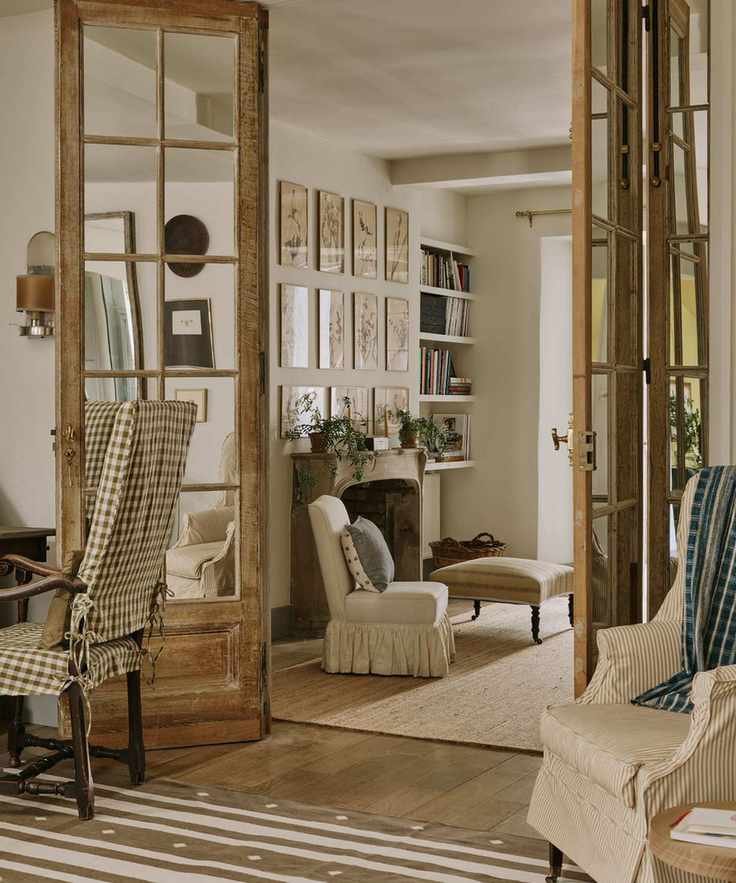
Skirted furniture is reemerging as a relaxed, romantic alternative to rigid designs, adding warmth back into upholstery. This trend recalls the cozy aesthetics of the 1940s, balancing structure with comfort.
According to Anthony, 'Furniture with skirts adds a cozy, personalized touch, tempering hard edges without being overly formal.'
Designer Emma Sherlock believes skirts soften the look of upholstered furniture, while designer Sally Wilkinson appreciates the timeless warmth they provide.
How to use at home: A single skirted piece can feel thoughtfully curated, while multiple skirted items work beautifully in decorative settings with matching fabrics.
A late 20th- to early 21st-century vintage accent chair and ottoman by North Carolina's Highland House, upholstered in red-and-white plaid with overstuffed cushions and tailored skirts on both pieces, finished with wood legs and casters.
This modern stool nods to the vintage trend for skirts, available in 16 different fabrics to match your desired vintage feel.
Inspired by classic upholstery, the Calliope armchair features gently sloped arms and a skirted base in a compact silhouette, upholstered in fern green brushed velvet for a rich, tactile finish.
7. Wallpapered Ceilings
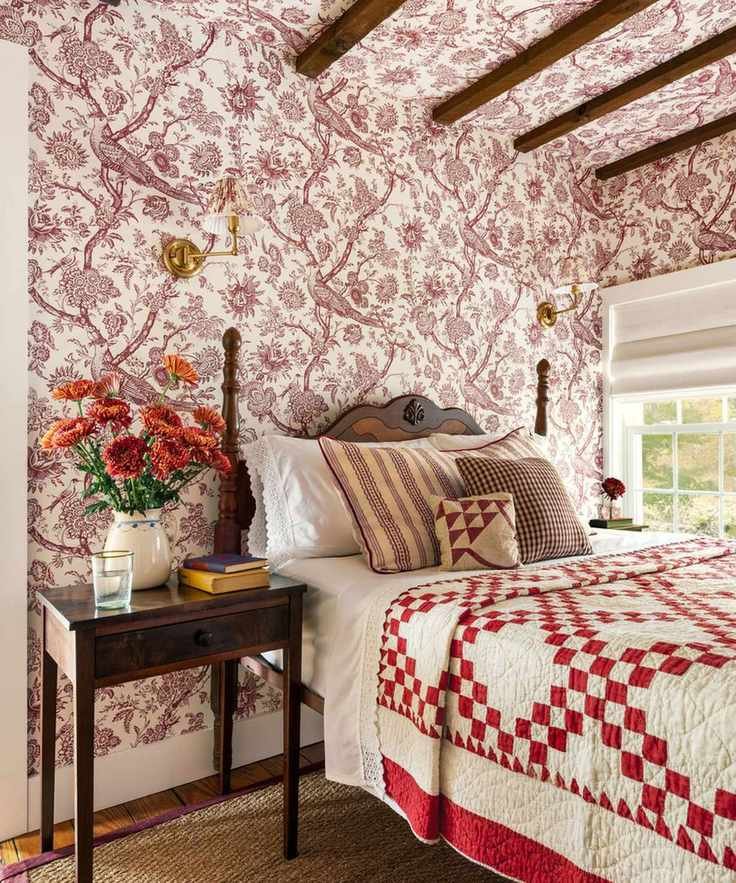
Ceilings are becoming a focal point in design, with wallpaper being used overhead more than ever. Applying vintage prints creates an enveloping effect, especially in uniquely shaped rooms.
Ariel Okin supports Mario Buatta's philosophy of treating the ceiling as the fifth wall, continuing wall coverings overhead for added coziness. Contrasting papers or textures can also influence the perception of space.
In challenging areas, this technique can be transformative. Anouska Cave from Cave Interiors emphasizes the importance of scale when using patterns, suggesting smaller prints for sloped ceilings.
How to use at home: Choose historically scaled patterns that are suited for ceilings, like 18th- and 19th-century florals or subtle repeats.
A refined small-scale print named for the Victorian era, Alma features a diamond trellis framing a delicate sprig motif, presented on powder blue, grey, sand and ecru grounds.
Based on an original fragment discovered at Bayham Abbey on the Sussex–Kent border, this wallpaper features a rich red ground with Gothic overtones, echoing early machine-printed designs made from cellulose wood pulp.
Inspired by ancient frescoes uncovered in a French villa, Leonidis features a medium-scale ogee stripe printed on a softly mottled ground, giving the wallpaper depth and a distinctive hand-painted character.
Ultimately, the beauty of vintage decorating lies in its flexibility. These trends encourage mixing styles—pairing sculptural glass with inherited furniture or layering patterns and textures. Whether you start with a small vintage piece or fully color-drench a room, the best interiors feel thoughtfully curated, not overly polished.
There's joy in the journey: the thrill of the hunt, the surprise of a unique find, and the joy of integrating personal pieces into your home. Embracing vintage allows for a more intuitive decorating approach, letting spaces evolve over time and reflect your unique style.
If you want tailored advice on vintage pieces to seek out, our monthly series explores timeless finds that improve with age, discussing what to look for in markets and how heirlooms gain new life in modern homes.



