
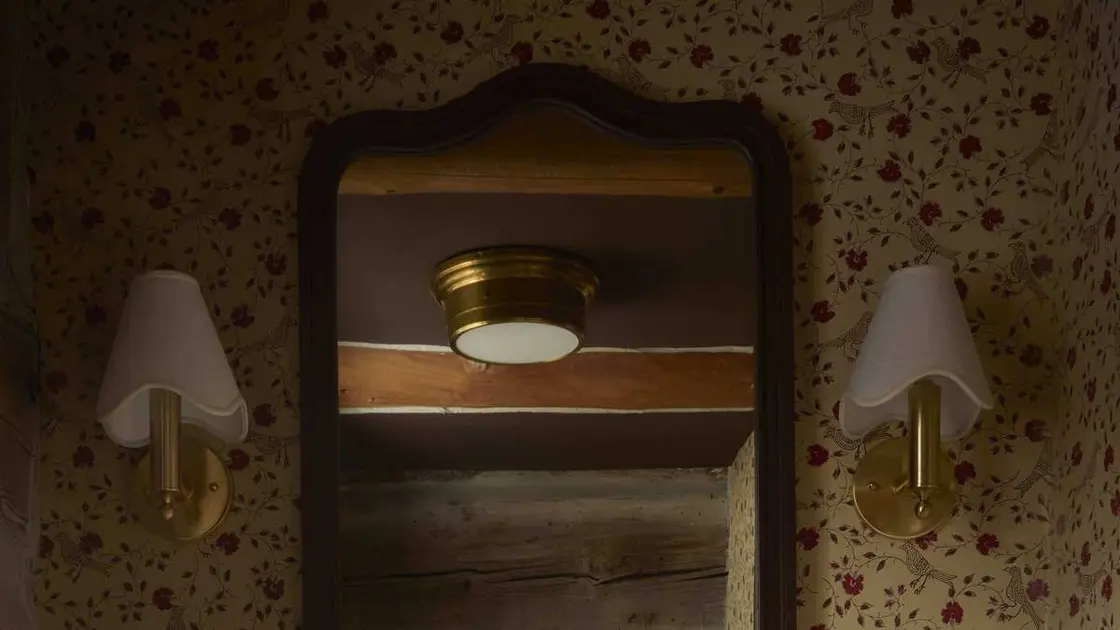

Wallpaper has evolved from a design element you might want to remove to a sophisticated choice that enhances spaces. Gone are the days of loud florals and shiny finishes; today, it stands as a versatile tool in interior design.
Let's clarify: this isn't your grandparents' wallpaper. Say goodbye to borders and overly symmetrical patterns. Today's designs are subtle, with rich textures and a self-aware charm. Contemporary wallpaper ideas don't just seek attention; they command it with grace.
What's truly shifted is not just the visuals but the innovative ways wallpaper is applied. Walls are the obvious canvas, but the real creativity lies in unexpected placements. It's about adding layers of detail that create a thoughtfully curated atmosphere.
Consider cabinetry in kitchens, an unconventional spot for wallpaper. By pairing cane inset doors with a soft, subtle wallpaper—like grasscloth—you introduce depth that feels personalized. It transforms a functional area into a space with character, suggesting careful consideration.
This concept of layering shows up beautifully with grasscloth. If wallpaper has a quiet side, this is it. Grasscloth provides rich texture without overwhelming colors or patterns, capturing light in a way flat paint simply can't, adding life to walls without overt designs.
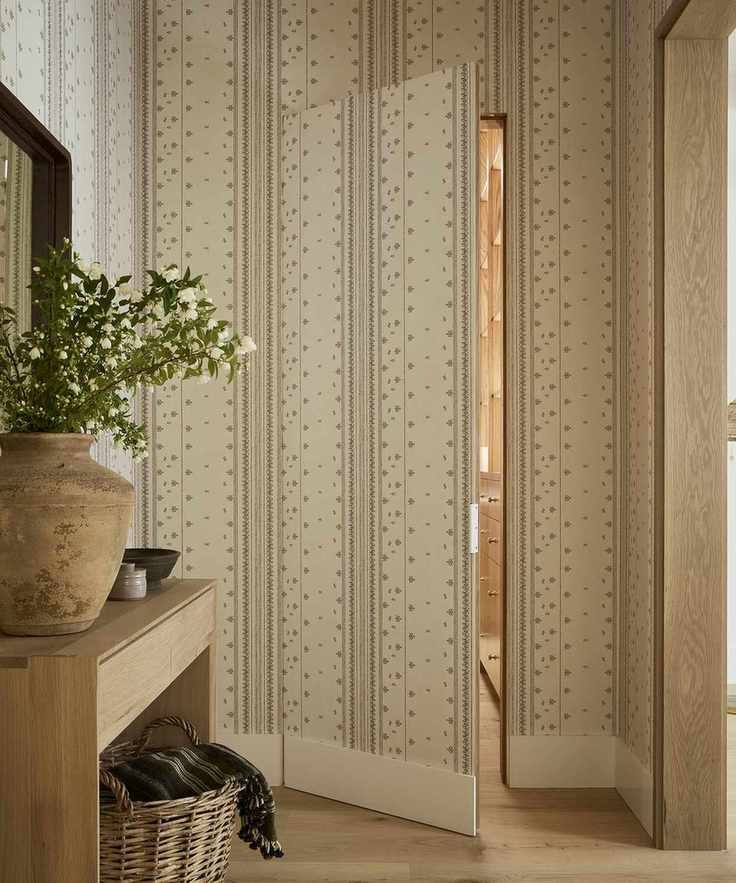
For those who claim to dislike wallpaper, grasscloth often wins them over. It adds warmth and comfort without visual clutter. Bedrooms feel serene, hallways gain purpose, and minimalistic interiors acquire a subtle depth. It's like wearing a perfectly tailored neutral—simple yet impactful.
Mural concepts have also transformed. The term might still evoke hesitance, conjuring images of loud scenes that dominate spaces. However, today's murals are more refined, focusing on ambiance over narrative. Think soft landscapes, abstract color washes, or tonal pieces resembling large-scale art. They provide a gentle hum of personality, creating intimacy in dining rooms and a calming effect in bedrooms.
The essence of modern wallpaper lies in its subtlety. Even bold uses maintain an air of control. Instead of covering every surface, it's about making intentional choices. Ceilings, for instance, can dramatically change a room's feel with a delicate paper. Areas like the backs of bookshelves or interior closets become fresh and thoughtfully designed when wallpapered.
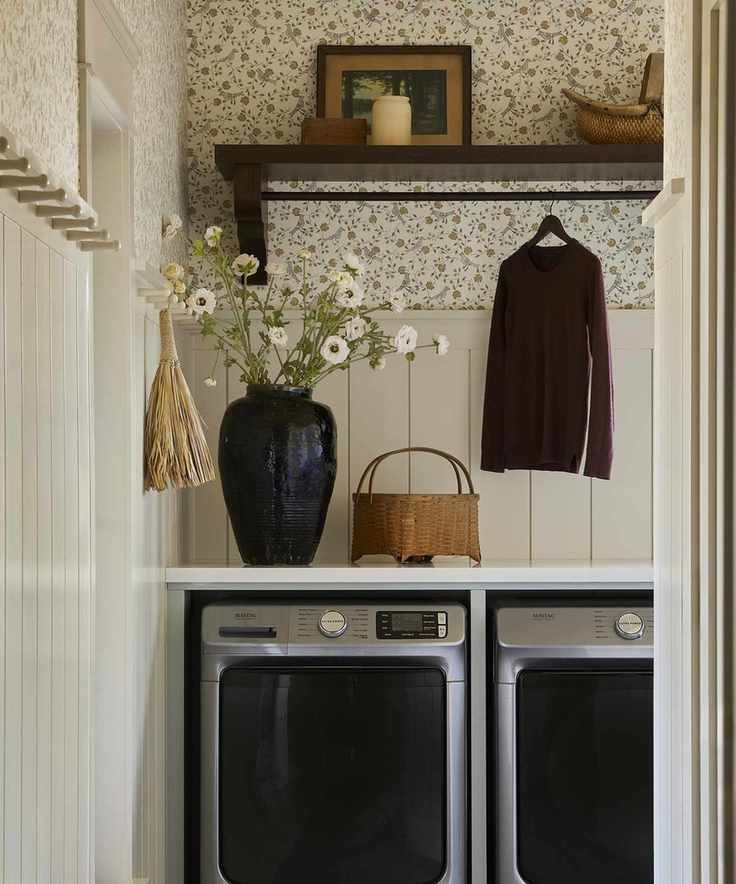
Moreover, the tactile quality of wallpaper is invaluable. In a world leaning towards sleek minimalism, texture is essential. Wallpaper softens sharp lines, adds depth, and introduces a human touch that polished spaces often lack. It encourages a closer look at details and how light interacts with surfaces.
With this creative freedom comes the need for restraint. Not every surface requires wallpaper, nor does every design need to be the focal point. Successful applications feel deliberate rather than impulsive. A good tip: if it's the first and only thing that catches your eye, it might be overdoing it.
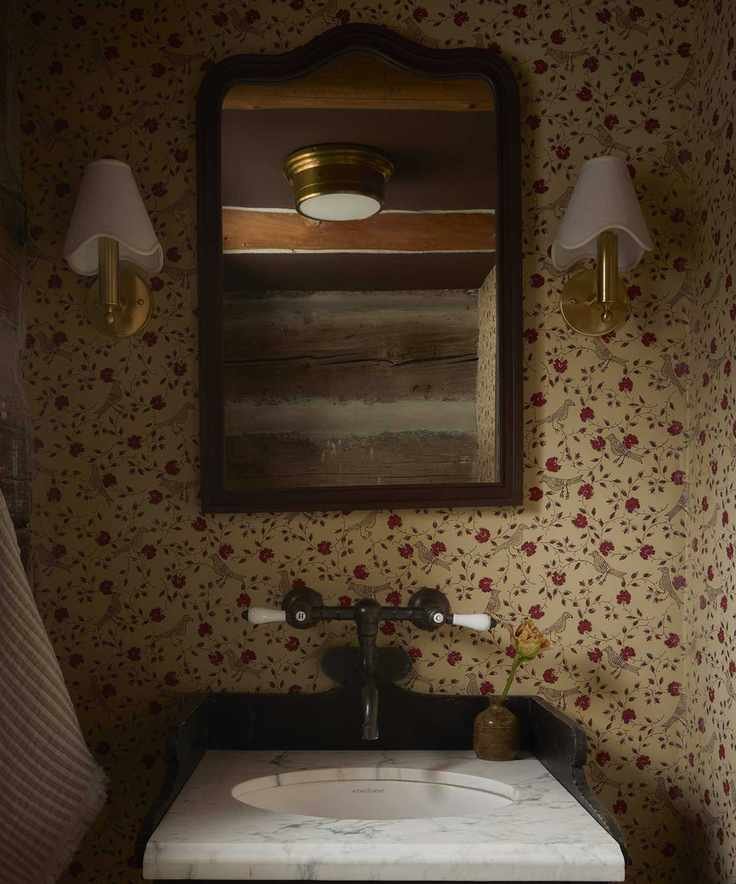
When executed thoughtfully, wallpaper can instantly and lastingly transform a space. It can breathe life into a new home or refresh an older one without diminishing its character. It bridges architecture and decor seamlessly.
So, wallpaper isn't just making a comeback; it's already here, quietly asserting its importance. It's more refined, adaptable, and less about showmanship than ever before. Perhaps that's why it works so effortlessly.
Ultimately, modern wallpaper is less about fashion and more about texture, mood, and intentional detail. It's about knowing where to enhance and where to hold back. When that balance is struck, you create not just a beautifully decorated room but a space that feels truly complete.



