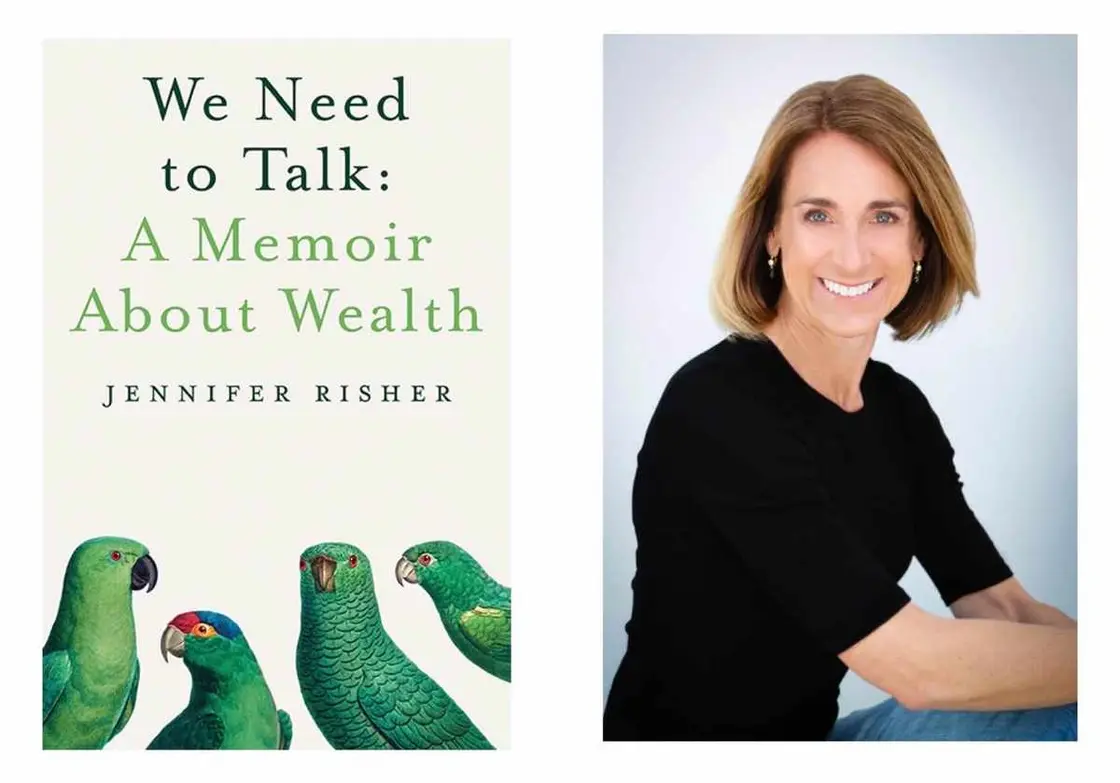
This week, we’re tackling the uncomfortable topic of wealth discussions. Income inequality is a pressing issue that requires change, both socially and personally. Our guest is here to encourage dialogue about money through her memoir, “We Need To Talk: A Memoir About Wealth.”
Jennifer Risher aims to foster necessary conversations about wealth to help us connect, learn from each other, and challenge existing norms. She emphasizes that fundamentally, “we are all 99% the same.”
Jennifer candidly shares her wealth journey. In 1991, at age 25, she joined Microsoft and was fortunate with stock options worth hundreds of thousands. Later, her husband David joined a then-unknown startup called Amazon, further increasing their wealth. By their early 30s, they had amassed tens of millions but have also given millions away. Together, they founded the nonprofit HalfMyDAF to promote charitable giving.
She reflects on her middle-class upbringing, where her father instilled the values of saving and not wasting. Jennifer discusses how she learned to manage her wealth and converse about it with her family, along with her philanthropic efforts, which have inspired over $6 million in donations.
Jennifer recounts her personal experiences with awkward money discussions and outlines five steps anyone can take to initiate these conversations with friends and family. (Tip: Start by listening, then ask questions.) She believes it’s essential to normalize money talks, as they can open doors to important discussions that many wish they’d had sooner. Talking about finances can demystify money and is crucial, especially in an era of wage disparities.
“Women can lead the shift in the money conversation. We’re the communicators, and even though discussing money is challenging, we have a lot to gain,” she states, noting the gender wage gap as a significant issue that demands attention.
When advising on charitable donations, Jennifer suggests beginning by following your passions. “When we give to causes we care about, we’re more inclined to continue supporting them,” she explains.
In Mailbag, our host addresses a listener's query regarding Roth versus traditional IRAs and discusses life insurance options. Another listener seeks advice on refinancing her home, while someone else has tax-related questions after purchasing a property for her grandparents in 2018.
In our Thrive segment, we explore the concept of fractional shares in stocks, explaining how they allow for smaller investments in high-priced stocks.
Transcript
Jennifer Risher: (00:01)
I believe women can redefine the power dynamics around money. We communicate openly and don’t shy away from emotions. It’s not easy, but there’s much to gain for us.
Host: (00:19)
Our podcast is supported by Fidelity Investments. In today's uncertain market, retirement planning is crucial. Visit Fidelity.com/HerMoney for more information.
Host: (00:40)
Hi everyone, I’m glad you’re here with me today. We’re going to get a little uncomfortable but it’ll be worth it. We’re breaking the taboo around wealth. Income inequality is a significant issue that requires societal and personal change. Today’s guest encourages us to discuss money and its implications through her memoir, “We Need To Talk: A Memoir About Wealth.” Jennifer Risher is passionate about starting meaningful dialogues about money to connect and learn from each other.
Jennifer Risher: (02:45)
Thanks for having me.
Host: (02:47)
Before we dive into your book, can you explain your nonprofit, HalfMyDAF?
Jennifer Risher: (02:56)
Certainly! DAF stands for donor-advised fund. It allows you to organize charitable donations and receive tax breaks. However, many people have funds that remain unspent. Our initiative encourages people to utilize their DAFs meaningfully, especially during the pandemic. We matched one million dollars to inspire others, resulting in $8.6 million directed to nonprofits.
Host: (04:27)
That’s incredible!
Jennifer Risher: (04:27)
It was. Beyond the funds, the community aspect was rewarding. We encouraged discussions about values and charitable giving that many were hesitant to have before.
Host: (04:54)
That’s vital. Can you share your experiences with wealth and how they shaped you?
Jennifer Risher: (05:09)
Sure, growing up middle-class, my father’s experience shaped my perspective. He grew up worrying about food security, which instilled a sense of frugality in me. Transitioning to wealth felt strange, as it didn’t match the Hollywood portrayal.
Host: (06:01)
How did your definition of 'enough' evolve?
Jennifer Risher: (06:03)
It’s complex. We often think we need more, but reaching a certain income level often doesn’t equate to happiness. Studies suggest that once basic needs are met, additional income doesn’t significantly increase happiness. Ultimately, it’s our relationships and how we give that bring joy.
Host: (09:00)
Right, the $75,000 happiness threshold is fascinating.
Jennifer Risher: (10:05)
It’s about comfort and less worry. The number is relative to where you live and your circumstances.
Host: (10:20)
Absolutely, and comparing ourselves makes it tough.
Jennifer Risher: (11:30)
Yes, money is a taboo topic, and discussing it can lift the burden of fear and shame. Sharing our stories can lead to understanding and connection.
Host: (13:32)
I agree, but starting those conversations can be challenging.
Host: (22:47)
In today’s Thrive, we discuss fractional shares.
Host: (42:00)
Thank you for joining us today!
Host: (42:00)
We’ll be back soon!