If you're wondering about the best colors for north-facing rooms, you're on the right track. The direction of a room and its natural light significantly influence how colors appear, so it's wise to keep this in mind while planning your interior design.
North-facing rooms often feature a cooler light quality. How you approach this depends on your personal style. Some may prefer to introduce warmth with brighter shades, while others might choose to embrace the cooler tones with colors from the blue and green spectrum.
To aid in your decision-making, we've gathered insights from design professionals on the optimal colors for north-facing spaces. Fortunately, there's ample flexibility and creativity in selecting colors for these rooms, and traditional rules are often meant to be bent.
Top Color Choices for North-Facing Rooms
We consulted with interior design experts to gather their recommendations on the best colors for north-facing rooms.
The tried-and-true methods for selecting paint colors will help you pinpoint the ideal shades for a north-facing space and develop an interior design style you'll love.
We always suggest testing paint samples to ensure the color works well in your space, as lighting can dramatically alter its appearance.
Opt for Light, Warm Colors
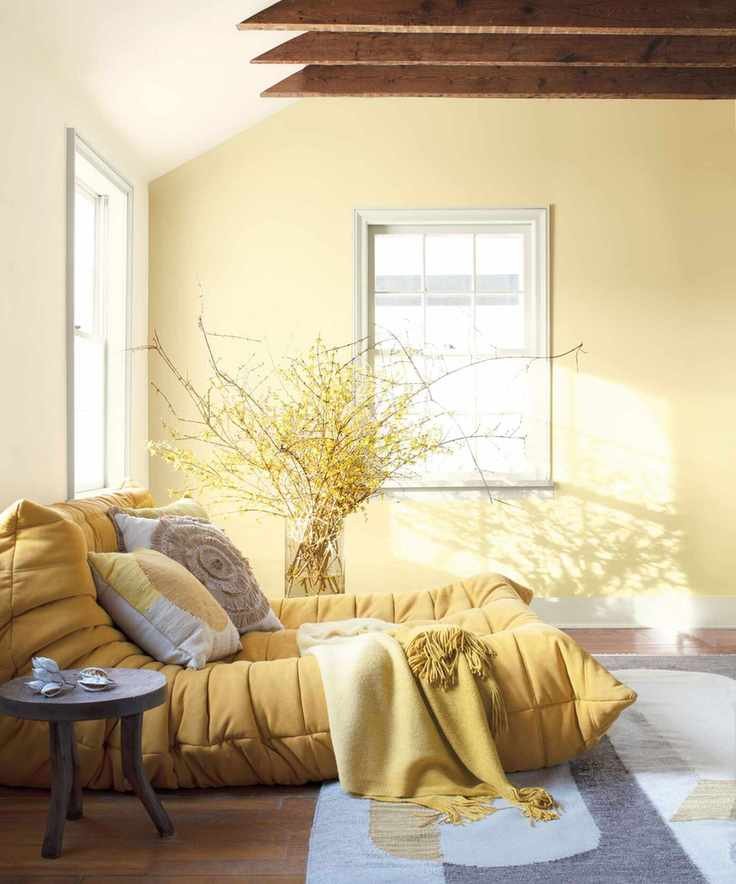
Among the designers we consulted, a common strategy for north-facing rooms is to use colors that counterbalance the cooler light. Many recommend warm white shades as a primary choice. These soft-white hues can create an illusion of warmth and gently filter the sometimes harsh northern light. Additionally, using matte finishes can soften the overall appearance.
Interior designer Stephanie Brown advises, 'North-facing rooms naturally feel cooler and darker. I suggest using light, warm tones to offset this. A go-to warm white of mine is Sherwin Williams' Origami White.'
Hannah Yeo, color marketing manager at Benjamin Moore, echoes this sentiment, stating that light colors effectively combat the muted natural light in these spaces. 'Bright whites with warmth, like Cotton Balls, White Chocolate, and Powder Sand, are excellent choices to counterbalance cooler tones,' she adds. 'Alternatively, consider richer shades like Chelsea Gray or Wheeling Neutral for a warm yet moody feel.' The Pale Moon shade (shown) brings a buttery warmth to north-facing areas.
Los Angeles-based designer Victoria Gillet often utilizes cool colors, suggesting light and airy options like pale yellows or soft blues to brighten the space. She also appreciates white paints for these rooms, naming Benjamin Moore's Decorator's White for its crispness and natural light enhancement, and White Dove, which adds warmth. Her third recommendation is Sherwin-Williams' Alabaster, known for its versatility.
Analisse Taft-Gersten, co-founder of The 1818 Collective, emphasizes clarity in your design goals. 'If your aim is to warm up a room, then warmer tones like creams, sands, and earth tones are ideal. You can also experiment with paint types that reflect light, such as high gloss finishes. In some instances, wooden walls can enhance warmth as well.'
Rich Shades for Atmospheric Depth
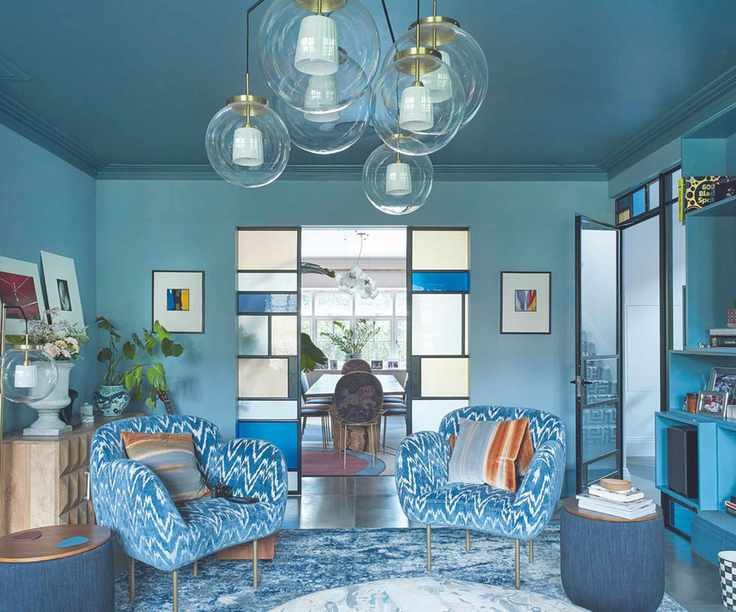
Yet, there's more than just warm whites to consider; deeper colors can provide a striking atmosphere in north-facing rooms. Darker, richer tones can create a profound sense of depth.
Victoria Gillet agrees, stating, 'North-facing rooms allow for diverse color options to achieve desired effects. For a cozy feel, consider rich colors like deep reds, dark browns, or taupe.'
Charles Cohen, founder of Charles Cohen Designs, enjoys utilizing deeper shades, explaining that 'North-facing rooms offer a fantastic opportunity to create moody spaces where colors remain true without outside sun interference. I prefer rich tones like Briarwood, Night Train, or Bella Blue, and suggest painting both walls and trim in the same color and finish.'
Mika Durrell, founder of Able Moraine, advises embracing the room's darker nature. 'Deep jewel tones, combined with leathers, velvets, warm wood elements, and textured lighting fixtures, can create a cozy, dramatic ambiance. Incorporating antiqued brass accents can provide lighter touches to balance darker walls or cabinetry.'
Don't neglect wall finishes; Analisse Taft-Gersten highlights that texture can also influence a room's mood. Plaster and lime wash finishes can add depth to the space.
Victoria Gillet suggests adding texture and patterns for visual interest, utilizing greenery and natural materials in furniture and décor, such as raw wood and live edge pieces. Warm accent items like rugs, artwork, and décor in earthy tones can also enhance the space.
Colors to Avoid in North-Facing Rooms
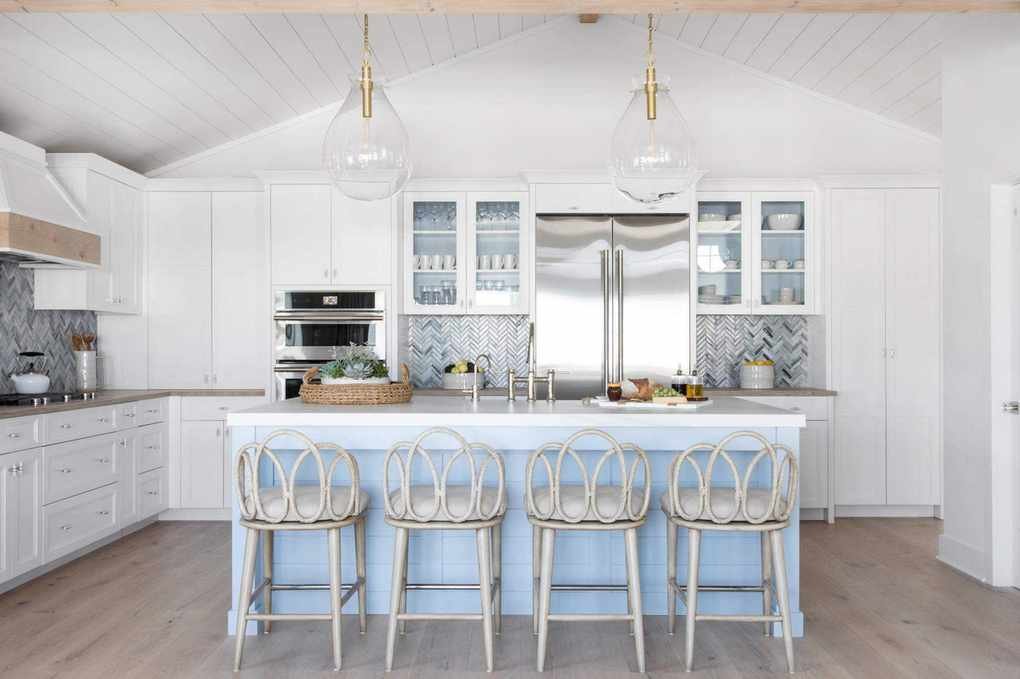
To counteract low light in north-facing rooms, stick to warm and bright colors. 'Steer clear of heavy, dark shades that can further darken the space due to limited sunlight,' advises Victoria Gillet.
Consider the room's function as well. Cool tones may suit a north-facing kitchen, promoting cleanliness, but in living or dining areas, cooler colors might create a chilly atmosphere. For social spaces, warmer shades are advisable to foster a cozy and inviting vibe.
Ultimately, the desired effect matters. If you appreciate the cool ambiance, a deep blue or green can create drama. If warmth and brightness are your goals, avoid those darker shades.
Enhance Light with Mirrors
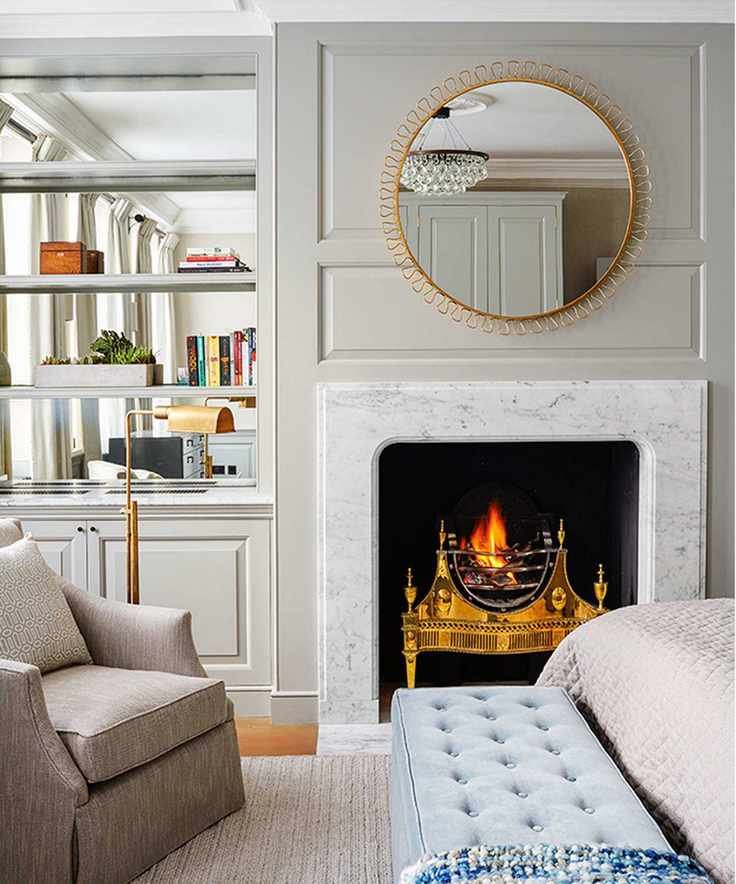
Mirrors can be incredibly effective in making a small room feel more spacious. Adding a few mirrors to reflect light can significantly enhance brightness, a tip shared by two design experts.
Stephanie Brown notes, 'Incorporating mirrors can amplify natural light,' while Victoria Gillet adds, 'Strategic placement of mirrors can reflect light and create a more illuminated space.'
In the featured bedroom, a large overmantel mirror and mirrored alcove backings work together to reflect light throughout the room.
Layer Lighting for a Welcoming Effect

Beyond careful color selection, the lighting plan is crucial for achieving the desired look in north-facing rooms.
Victoria Gillet emphasizes the harmony between colors, accessories, furniture, and lighting: 'Layer lighting sources, including any natural light available, to foster a well-lit and inviting environment. Choose furniture and décor that complement the color scheme to enhance the desired atmosphere. Personal style experimentation is key to creating a comfortable and inspiring space. Also, maximize artificial light with decorative fixtures.'
Charles Cohen adds, 'Utilizing multiple lighting sources is essential. I like to layer chandeliers, recessed lighting, and table lamps. For lower ceilings, wall sconces can add depth and warmth.'
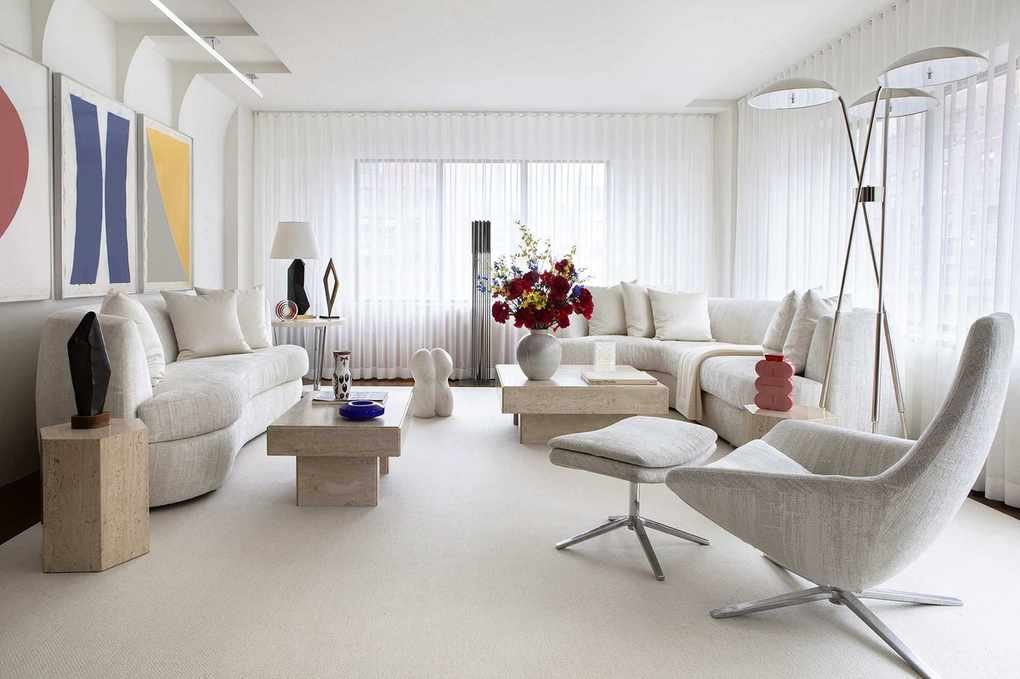
In Andrew Suvalsky Designs' Park Avenue apartment, the focus is on various 'layers' of light, creating a warm and inviting atmosphere. A prominent floor lamp, alongside table lamps and concealed lighting, ensures ample options to supplement the natural light.
Considerations on Room Orientation
So, while color choices for north-facing rooms are vital, if none of the discussed shades resonate, it's not the end of the world. Designers Analisse Taft-Gersten and Matt McKay advocate for a more flexible approach. They believe that the best colors for these rooms are those that feel right for each individual space. Here's their perspective:
'I focus less on north versus south orientations and find that the surrounding view informs my color choices,' states Matt McKay. 'A neighboring red brick building may require cooler shades, while a beach house with ocean views might benefit from richer tones.'
Analisse Taft-Gersten adds, 'Personally, I don't base my designs solely on room orientation. I like to immerse myself in the space to see what feels right. Light changes throughout the day and year, so limiting design based on direction can be restrictive.'
As she notes, seasonal changes also influence light quality. Winter light tends to be cooler and sharper than summer light. If shadows fall on an already dim room, it may appear even darker. In such cases, consider adding vibrancy with an accent wall. Shades like Hawthorne Yellow or Palladian Blue can brighten the space.
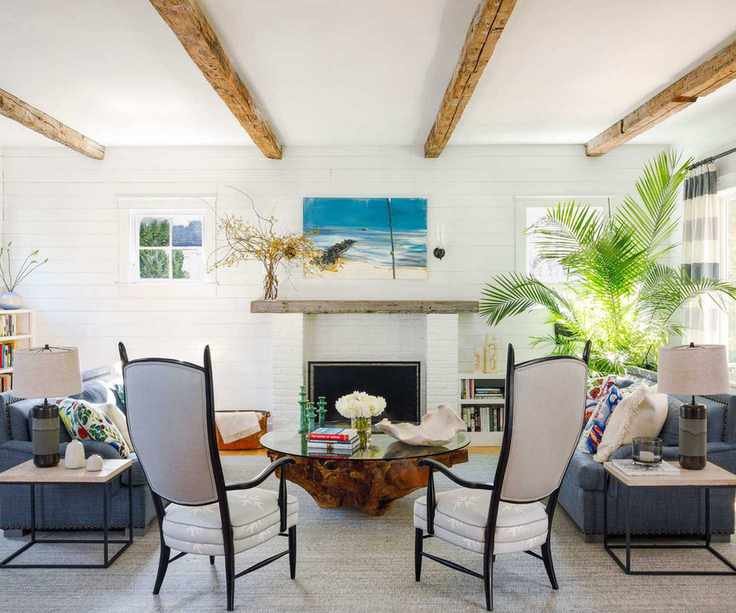
Ultimately, consider various factors before selecting colors for north-facing rooms. Whether you adhere to the traditional method of warm, bright shades to counteract cool light or choose to embrace deeper tones, focus on selecting colors that resonate with you. Always test options in your space, and if you love how it looks, that's what truly matters.