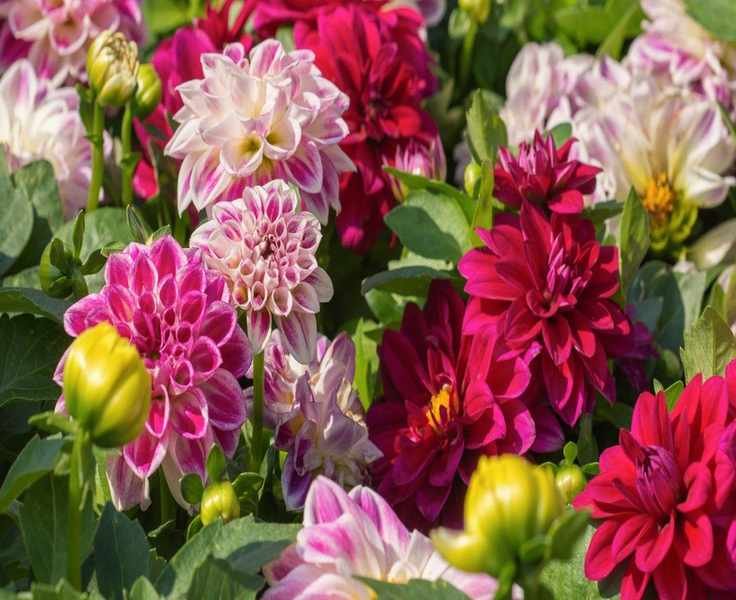
Knowing when to plant zinnia seeds is essential for filling your garden with bright colors from July to October. These flowers can bloom in stunning hues of red, magenta, orange, and lime.
Once a popular choice in the 19th century, zinnias are making a comeback, offering both vintage charm and exotic flair. After you discover how to cultivate zinnias, you'll find they are straightforward to grow. When planted at the right time, they will bloom for an extended season, enhancing your garden and providing fresh flowers for your home. Our guide outlines the best times to sow and plant these remarkable annuals.
Optimal Timing for Planting Zinnia Seeds
While some zinnia varieties are native to North America, the most commonly cultivated type, Zinnia elegans, originates from Central America. This tropical background influences when these seeds should be sown.
“Zinnias are fantastic because they are simple to grow and yield a plethora of beautiful blooms,” says Catherine Kaczor, a representative from Hudson Valley Seed Co. “They are a delight to cultivate and come in a variety of colors, shapes, and sizes. Almost anyone can grow them. Just select a sunny spot, and you'll see these lovely flowers flourish throughout the summer.”
Consider integrating zinnias into your flower bed designs, or they can thrive in pots if you're exploring container gardening options. You can plant zinnia seeds in April or May indoors or directly in the ground in early summer as ready-grown plug plants.
< 
When to Start Zinnia Seeds Indoors
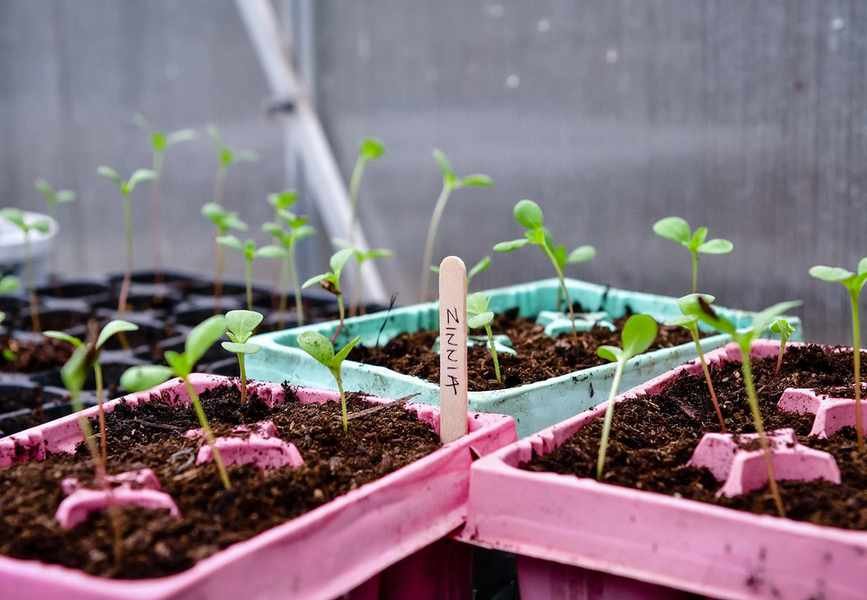
For earlier blooms, plant zinnia seeds in a greenhouse, cold frame, or on a sunny windowsill in April or May. Since zinnias are half-hardy annuals that thrive in warmer conditions, avoid sowing too early in spring. In colder regions, this might mean waiting until early June before planting them outside.
Due to their aversion to root disturbance, avoid using seed trays for sowing. Module trays can work, but there are even better alternatives. “I prefer using coir Jiffy pellets,” explains zinnia supplier Sarah Raven. “This minimizes handling. Alternatively, you can sow them in lengths of guttering, allowing the seedlings to slide directly into their planting spots.”
Ensure that the modules, pellets, or guttering remain adequately watered but not waterlogged to prevent damping off of seedlings.
If you are in a particularly cold region (like northern Scotland), skip the modules and pellets. Instead, sow your zinnias directly into greenhouse beds or the soil under a polytunnel, allowing them to bloom throughout the summer without the need for transplanting. This is essential as zinnias require summer warmth for optimal flowering.
When to Direct Sow Zinnia Seeds
Sowing zinnias directly often yields the best results due to their sensitivity to root disturbance. But when is the right time to plant zinnia seeds directly? Wait until the weather is comfortably warm, which may not be until early June in cooler climates.
“Zinnias are very sensitive to cold temperatures, so wait until the risk of frost has passed before sowing or transplanting,” advises Catherine Kaczor. “In our northeast US region, a good rule of thumb is to wait until around Mother's Day (8 May this year). They generally won’t start growing until the soil temperature exceeds 60ºF (15°C), so planting them too early won’t hasten their flowering. Save yourself the hassle and sow them directly.”
Shannie McCabe, a horticulturist at Baker Creek Heirloom Seed Co, concurs: “Zinnias thrive best when sown directly outdoors two to three weeks after the last average frost date or when the soil temperature has reliably warmed up, as they do not tolerate cold.”
Sow zinnias in fertile, well-drained soil in full sunlight. Identify gaps in perennial borders or, since zinnias are excellent for a cut flower garden, plant colorful rows in the vegetable patch. Prepare the soil thoroughly before sowing to ensure the delicate roots can grow easily. Then, sow them shallowly, about 0.1 inches (3mm) deep, and space them 12 inches (30cm) apart.
When to Transplant Zinnia Seedlings
Ready-grown zinnia seedlings, whether purchased or homegrown, can be planted once the weather warms up in May or June. Select a sunny spot with fertile, well-drained soil and prepare it well before planting. Since zinnias dislike having their roots disturbed, handle the modules or plugs carefully during planting.
When to Sow Zinnias in Containers
If you want to enjoy zinnias in pots on your terrace, plant them directly into containers indoors in April, then transfer the pots outside once the weather has warmed up in May or June. The taller 3-foot (90cm) zinnias will require larger containers, while compact varieties can thrive in a 12-inch (30cm) pot. Ensure the container has drainage holes and keep the compost moist but not overly wet.
Can You Grow Zinnias from Seeds?
Absolutely! Starting zinnias from seeds is straightforward, provided you plant them at the correct time. You can sow seeds in April or May indoors, or directly when the weather and soil conditions are suitable.
How Long for Zinnias to Bloom from Seed?
Zinnias typically take around two months to bloom from seed, though this can vary based on weather conditions. Since zinnias are annuals, they won't return the following year, but you can collect seeds from your plants and follow our guidelines on when to plant zinnia seeds for a stunning display next year. Check out our guide on how to keep zinnias blooming for tips on maintaining your plants' flowers.