
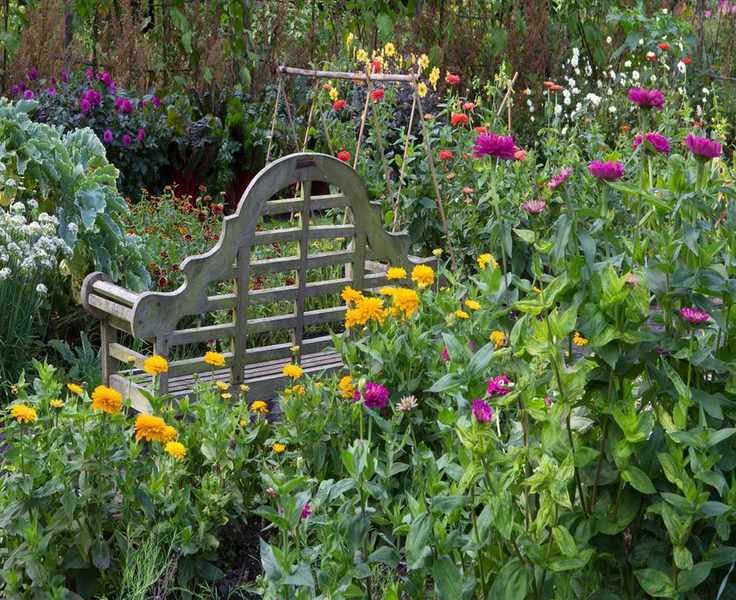
Growing zinnias is a rewarding experience for any gardener. These flowers are among the most straightforward summer blooms to cultivate, offering vibrant colors, versatility, and drought resistance. They also make stunning cut flowers.
Related to sunflowers and belonging to the daisy family, Zinnia elegans are half-hardy annuals native to southwestern regions of the U.S. and Mexico.
Zinnias are popular in various garden designs and appeal to wildlife, including bees, butterflies, and ladybugs. You can find them in single, semi-double, and double forms, along with compact and tall varieties.
Add zinnias to your flower beds for a burst of color and beauty throughout the summer months.

Beginner's Guide to Growing Zinnias
For beginner-friendly advice on growing zinnias, garden expert Melinda Myers suggests providing full sunlight and well-drained soil. Once established, zinnias are drought tolerant, making them great for containers or busy gardeners.
If you're curious about planting zinnias, you have several choices: sow seeds directly in the ground, use modules or seed trays, or purchase plug plants.
To achieve successful blooms, avoid disturbing their roots by sowing seeds directly where they will grow. Timing matters too; knowing when to plant zinnia seeds is crucial.
According to expert Sarah Raven, direct sow zinnia seeds when nighttime temperatures are comfortably warm, typically late May to early June in cooler areas.
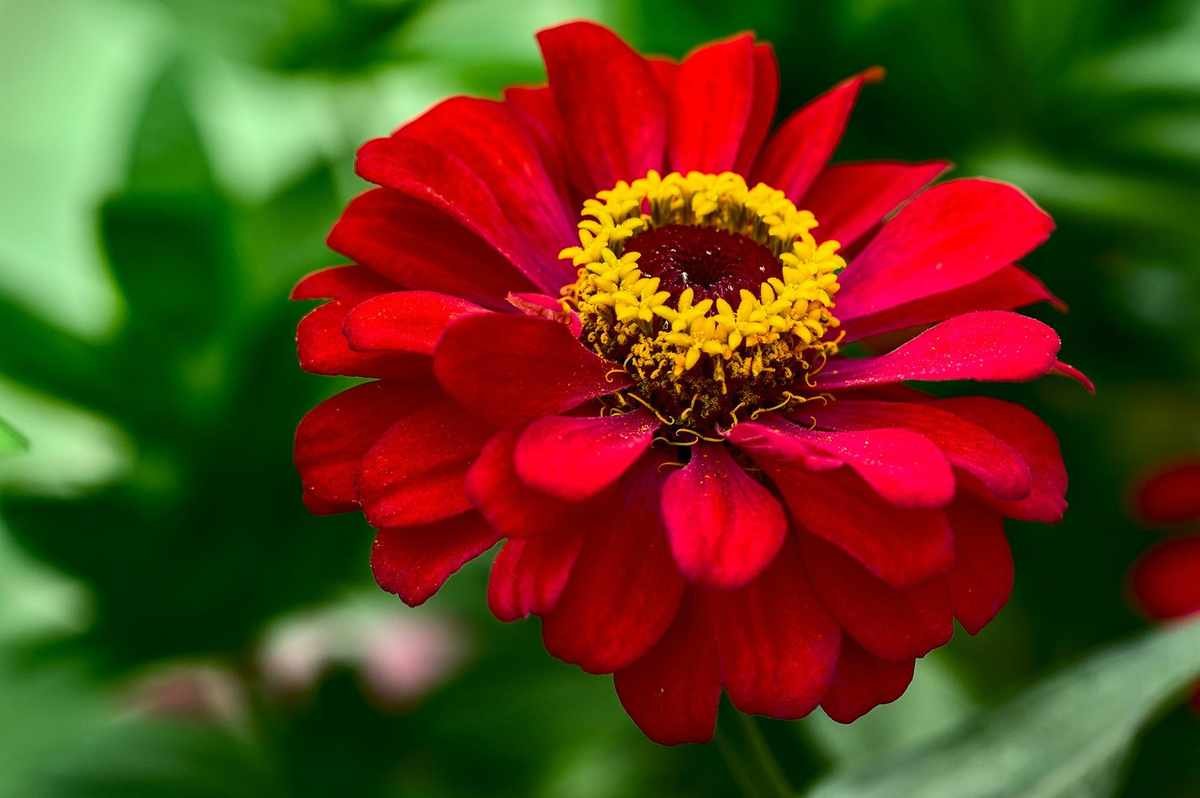
Optimal Methods for Growing Zinnias
If you opt to direct sow zinnia seeds outdoors, simply plant them in a sunny location after the last frost. Adding a few inches of mulch or compost and some fertilizer can help, advises Kristin Winterbottom of Parkseed.
A common mistake is sowing zinnias too early; they won't survive frost. Wait until frost risks have passed and temperatures are consistently warm.
To achieve taller plants, ensure the soil is well-prepared. Rake the bed, refer to the seed packet for spacing, and cover lightly with soil. As they grow, thin seedlings to about 15 inches (40 cm) apart.
'Water at the base of plants to keep soil moist. Cut blooms often for arrangements, or pinch off spent flowers,' adds Kristin.
Support taller varieties with stakes or twigs to encourage better flowering.
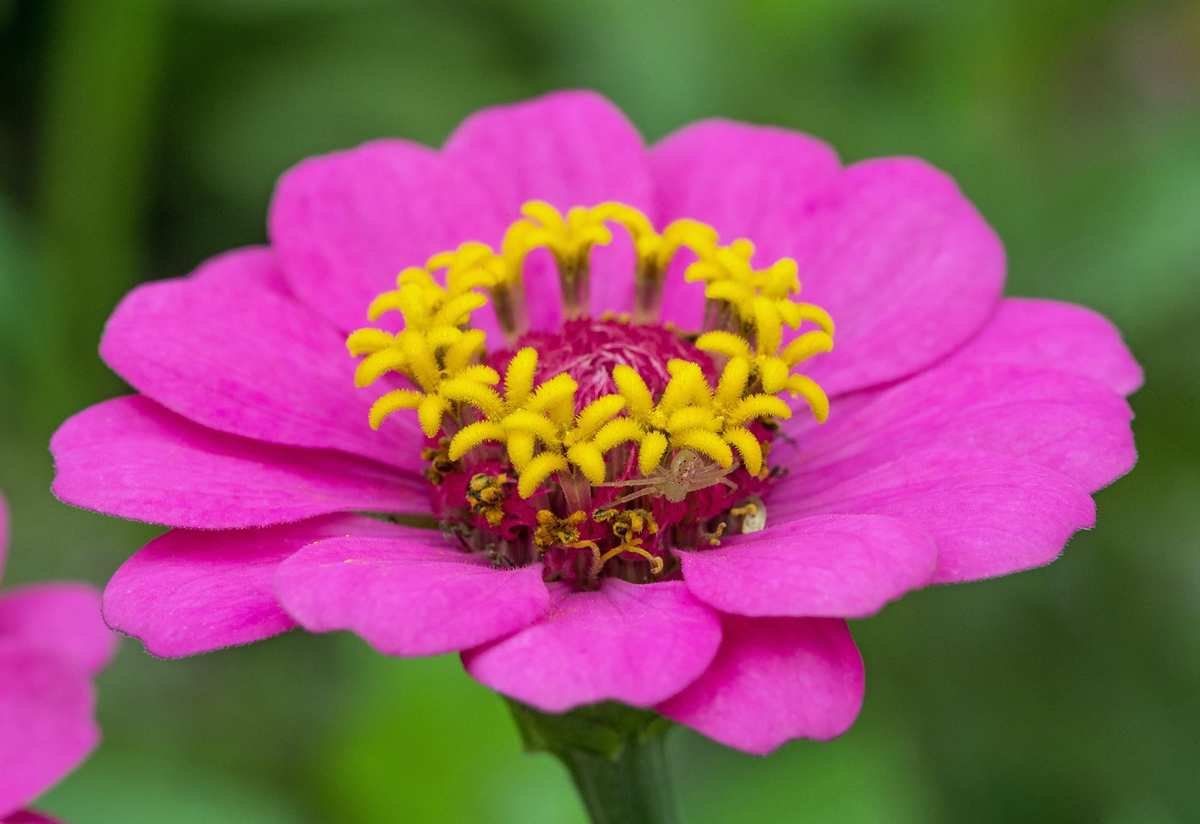
You can also sow zinnias in modules or seed trays to avoid root disturbance. Plant them out when they are still small, ideally with just a couple of true leaves, to minimize handling, recommends Sarah Raven.
If you're wondering whether to soak zinnia seeds before planting, the answer is yes. Soaking speeds up germination, but don't exceed 8-12 hours to prevent rotting.
For ease, consider purchasing plug plants and growing them in individual pots before transferring them outdoors.
Best Planting Locations for Zinnias
Zinnias thrive in sunny spots with moderately fertile, well-drained soil and dislike wet conditions. They flourish in warm climates, so growing them in a greenhouse can be beneficial in cooler areas.
Plant zinnias in groups to create a striking display from late summer into fall, attracting pollinators and enhancing your wildlife garden.
With their vibrant hues, zinnias brighten any garden setting, fitting various styles, including cottage gardens, wildflower meadows, and cutting gardens. They're also perfect for kids to grow in pots or their own little patches.
'We plant zinnias alongside our vegetables, as they attract pollinators and are loved by bees,' notes Bridget Elworthy of The Land Gardeners, making them great for companion planting.
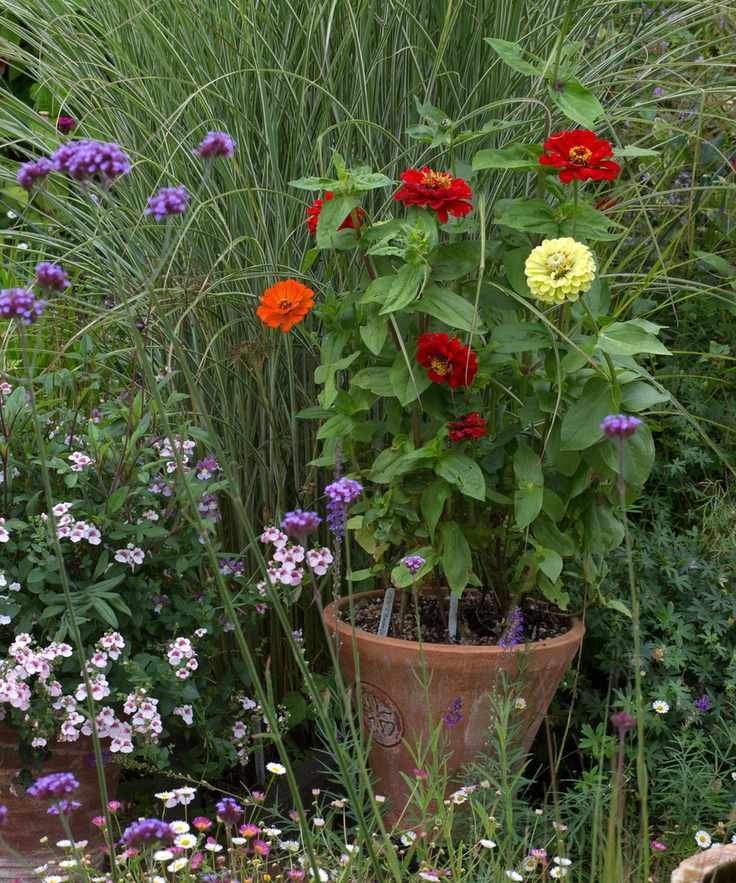
Container Gardening with Zinnias
Zinnias thrive in pots, making them fantastic choices for container gardening.
Choose a lightweight potting mix with good drainage and avoid placing the pot outside until after the last frost. If you have a warm greenhouse, you can start sowing zinnias earlier.
Position containers in sunny locations, water them regularly, and apply liquid fertilizer every few weeks during summer.
Growing Zinnias from Cuttings
Propagating zinnias from cuttings can replicate beloved plants, though this method is less reliable than growing from seed.
To take cuttings, snip around 2.5-3 inches of leaf and stem, placing them in a small pot filled with two-thirds compost and one-third grit. Water well and keep in a warm spot—either a greenhouse or a sunny windowsill. Roots should develop within two to three weeks.

Do Zinnias Return Annually?
No, zinnias are annuals and do not return each year. They complete their life cycle within a year.
Vulnerable to frost, zinnias will perish after the first frost. To enjoy them annually, re-sow every year or allow some to die naturally to germinate seeds for the next season.
To collect and store seeds for next spring:
- Allow flowers to brown
- Cut off the flowers
- Shake and rub to release seeds into a bag
- Store in labeled envelopes for next spring or summer sowing
Given their low-maintenance nature, zinnias are easy to grow for the stunning blooms they produce in late summer.
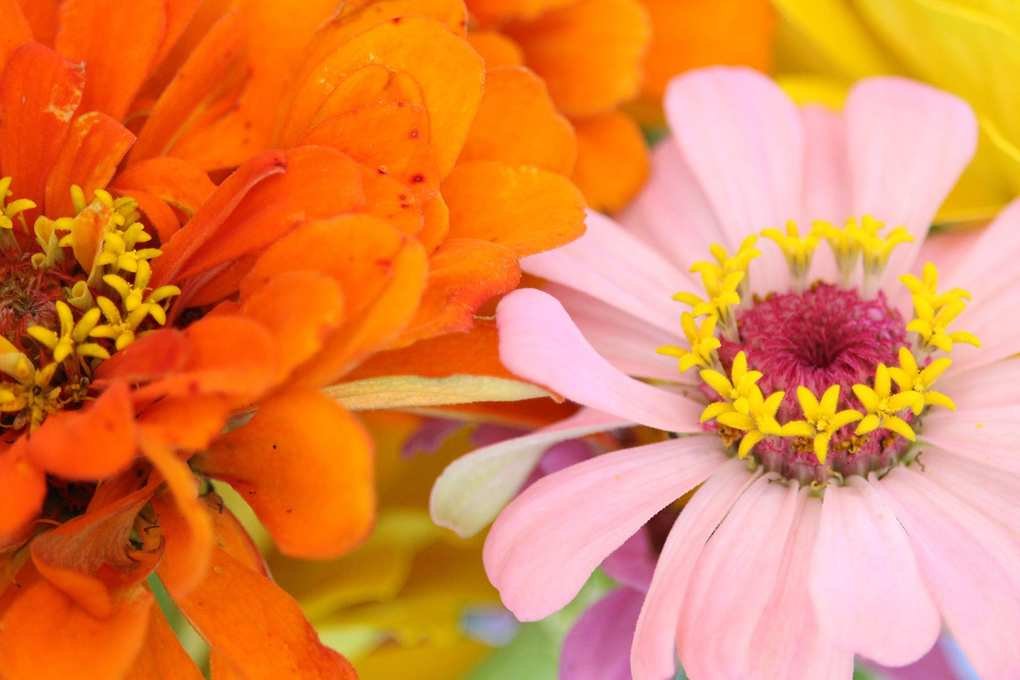
Zinnias in a Wildlife Garden
Zinnias attract bees and butterflies, adding vibrant colors to your garden in late summer and early fall. 'These lovely flowers will entice bees for months,' says Lucia Polla of Serenata Flowers.
Underplant zinnias with petunias and Erigeron karvinskianus for a delightful combination that supports various visiting creatures.
Zinnias face few pest issues, and when planted alongside vegetables and herbs, they contribute to the balance of beneficial insects.

Should You Pinch Out Zinnias?
Pinching out zinnias can promote stronger growth. By removing the growth tip early in the season, you encourage branching and more flower stems.
However, it's not mandatory. Zinnias naturally branch as they grow, especially when deadheading or cutting flowers for arrangements.

Growing Zinnias for Cut Flowers
To create a beautiful cut flower arrangement, zinnias are a must-have, offering long stems and a wide array of colors, from white and yellow to orange, red, purple, and lilac.
'Zinnias look gorgeous in both the garden and a vase, with many compact varieties available,' mentions Sarah Raven.
'Nothing embodies summer like a bunch of cheerful zinnias. They're among the simplest cut flowers to grow, flourish in heat, and the more you cut, the more they bloom. Perfect for novice gardeners,' states Erin Benzakein, founder of Floret Flowers.
For the best cut flowers, harvest when blooms begin to open in the morning, as this is when they retain the most moisture, reducing wilting. Place blooms in warm water, removing lower leaves to keep them out of the water. Regularly re-cut stems and refresh the water to extend their vase life up to 10 days.
Do Zinnias Regrow After Cutting?
Yes, zinnias regrow after cutting, providing a continuous supply of cut flowers that last well in arrangements.
Deadheading is essential for ongoing blooms. You can deadhead as flowers begin to fade or cut them slightly earlier for display in a vase, maximizing enjoyment from your plants.
When cutting for arrangements, select sturdy stems just as buds start to open.




