
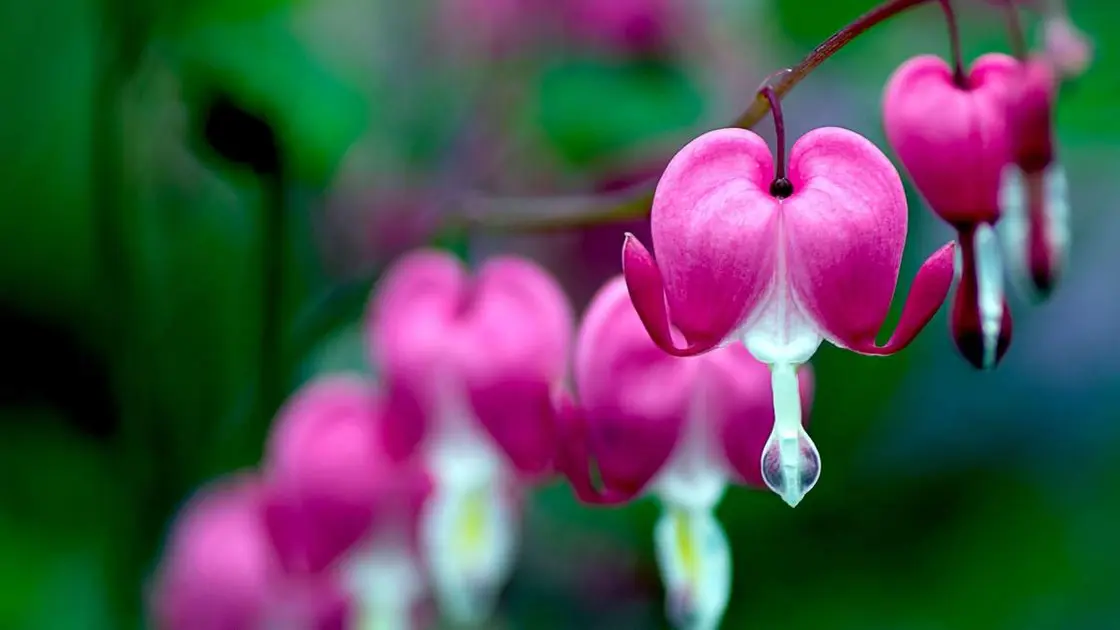
Dicentras, commonly known as bleeding hearts, are beloved for their unique heart-shaped flowers that dangle from elegant stems above delicate foliage. These charming perennials feature two prominent outer petals surrounding smaller inner petals, creating a striking appearance reminiscent of a bleeding heart.
When exploring growing bleeding hearts, remember that these plants thrive in shade and bloom from late spring to early summer, showcasing colors like red, pink, purple, white, and yellow. Some varieties start blooming as early as March, while most flourish in mid-April or May. While a few only flower in late spring, many will bloom again in the fall, and some can produce flowers continuously from May until the first frost. This cycle is akin to pruning lilacs and similar flowering shrubs that blossom on the previous year's growth.
These resilient plants return each year, even in colder climates, but knowing when to trim bleeding hearts is vital for a successful revival.

Can You Trim Bleeding Hearts?
As perennials, bleeding hearts don't always require cutting back, though deadheading can help maintain a tidy garden. Their foliage dies back in winter, but the rhizomatous roots remain alive, pushing out new growth in spring. Because of this natural dieback, regular trimming isn't often necessary for healthy growth.
However, it's crucial to prune the dying foliage at the right time, typically before winter frost, to ensure the plant stays healthy. Other plants that benefit from deadheading include zinnias, dahlias, and coneflowers.
When Should You Trim Bleeding Hearts?
While deadheading is not essential, many gardeners choose to trim back dicentras to keep their flower beds looking pristine. Just remember not to cut back the green foliage while it's still gathering energy. Trimming too early can weaken the plant for the next spring.
If you opt to cut back bleeding hearts for winter, do so after the foliage has fully died back, usually in late summer or fall.
It's worth noting that bleeding hearts thrive in USDA Hardiness Zones 3 through 9, which can experience vastly different winter weather patterns.
Caring for Bleeding Hearts
In their first spring and early summer, ensure these plants stay well-watered. In hot summers, North American bleeding hearts may enter a dormant phase, but with sufficient autumn rainfall, they can bloom again.
When the plants appear tired and dry, trim them back, adding the dead growth to your compost. A layer of weed-free garden compost or another soil enhancer will help keep the roots cool and moist. Apply this in the fall, especially if your bleeding hearts share space with spring bulbs, ensuring the mulch is in place before the bulbs begin to sprout.
Keep them well-watered if the soil seems dry.



