
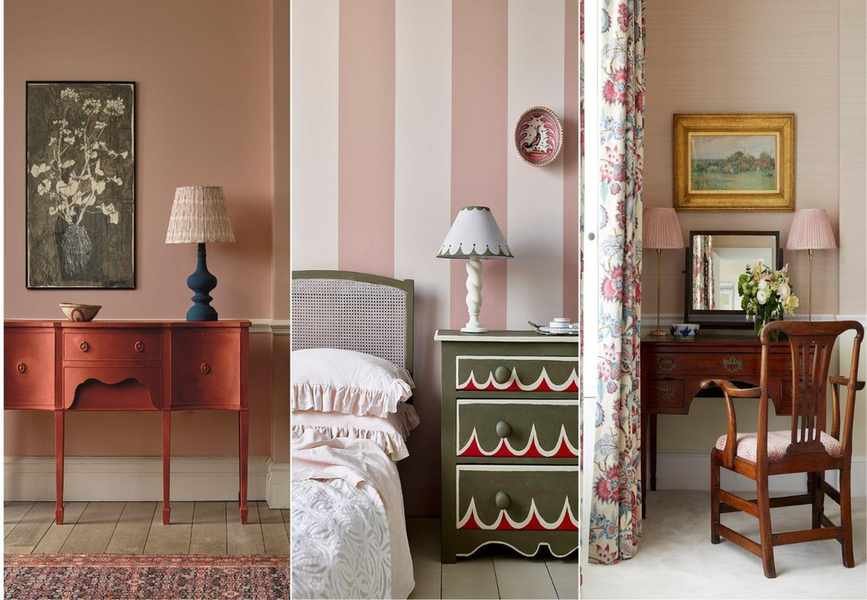
Vintage furniture and collectibles from thrift shops, flea markets, or online platforms can truly elevate home decor. These treasures are often affordable and tend to possess a unique charm that modern items lack. Upcycling, or 'flipping' these finds, has gained traction as a popular way to add personality to living spaces.
From a simple clean and repair to bold paint treatments, there are countless ways to breathe new life into unwanted furniture. Options include reupholstering, waxing, or simply updating the hardware. For instance, an old sideboard can be repurposed as a stylish bathroom vanity with the addition of a sink.

The challenge lies in determining which items to upcycle and which should remain untouched. Once altered, it can be difficult to revert to the original state, raising the question of how to ensure you're making the right choice without compromising a valuable piece. To shed light on this topic, we consulted seasoned furniture flippers and interior designers.

When is it Time to Flip or Upcycle?
Using antiques in interior design adds depth and character to a space. Many designers intentionally incorporate vintage items to create a narrative while promoting sustainable decorating practices.
'In every design project, vintage pieces add dimension and history,' notes Emma Deterding, founder of a design firm. 'They can tell a story and give a home a layered feel. A space filled with new, shiny furniture might appeal to some, but it lacks warmth and charm for many.'
Deciding whether to flip or leave a piece untouched ultimately relies on personal preference and the item's condition and value.

Design philosophies differ: some prefer to maintain the integrity of period antiques, while others enjoy infusing personality into thrifted finds. Experts agree it depends on the specific piece.
If an item is in excellent condition and represents its era well, it's likely best to preserve it with minimal restoration. Conversely, more common pieces or those with some wear can be transformed creatively.
'I appreciate seeing unique antique furniture revitalized, perhaps with a lacquered drawer or repurposed for a new function. Unless it's extremely valuable, don't hesitate to experiment,' Emma Deterding states.
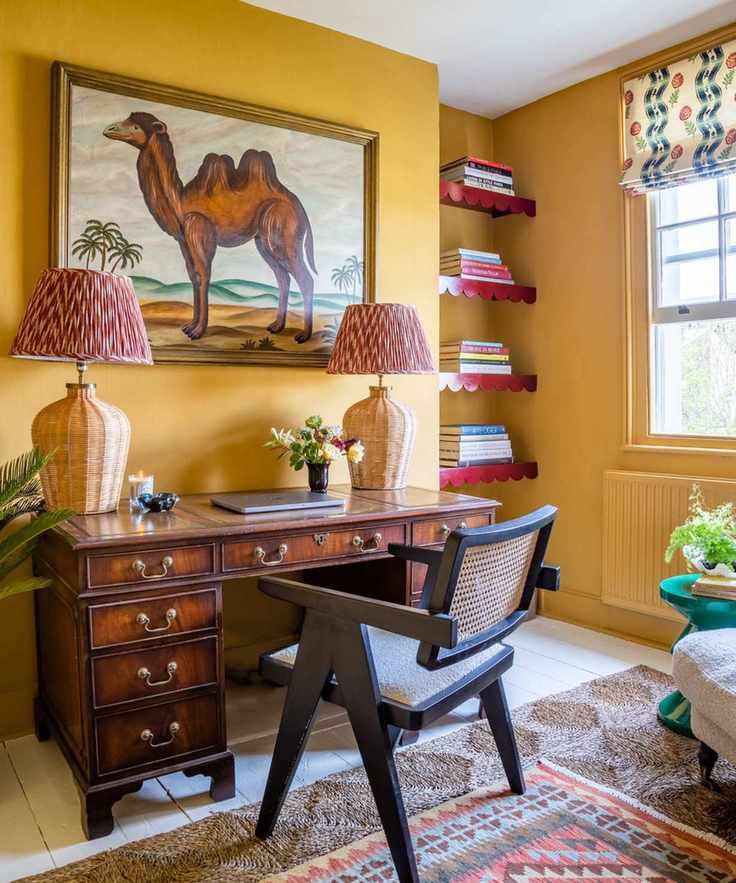
Some designers advocate for a purist approach, preferring to keep vintage items as original as possible. 'We aim to retain the authenticity of vintage and antique pieces,' says interior designer Sean Symington. 'The era of shabby chic painted furniture has passed. Instead, preserving original features feels more genuine.'
Sean enjoys using vintage fabrics to create unique cushion covers and lampshades, achieving a fresh look without compromising the piece's integrity.

'If a wooden piece has a lovely tone or patina, I usually leave it unpainted,' adds interior designer Laura Stephens. 'However, if a vintage item seems dull, a fresh coat of paint can work wonders!'
If an item no longer fits your decor or space, don't hesitate to modify it. Simple updates can enhance functionality and keep it out of landfills. For example, Laura transformed an oversized Georgian table into a stylish console table by adjusting its dimensions.

When to Leave a Thrift Find Untouched
While there are no strict rules, furniture in good condition with significant value is best left intact or minimally repaired.
'If you find a painted or gilded antique piece, it's wise to consult experts,' advises Kate Elwell, co-founder of a decorative finishes school. 'Remember that some items look better with age. My father, a veteran in the paint finishes industry, prefers pieces that show signs of a good life, but not excessive wear.'

Certain eras, like the Arts & Crafts and Mid-century modern periods, produce highly sought-after pieces. If you find examples from these times, consider careful repairs over customization. 'Mid-century modern furniture, particularly in good condition, should typically be refinished rather than painted,' advises Megan Yardley, an upcycler.
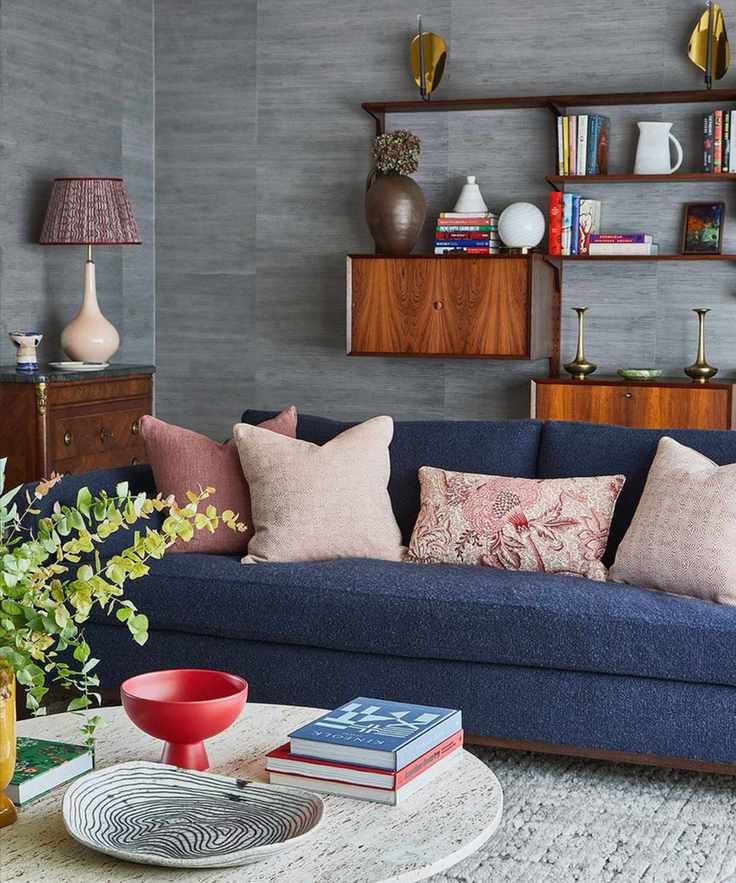
'Genuine old pine should be preserved,' Megan adds. 'These pieces often come with a natural wear that's difficult to replicate. If you wish to modernize, consider painting only the interiors for a pop of color while maintaining the charm.'
Many solid wood items have beautiful grains that deserve preservation instead of being painted over. 'For an antique with walnut veneer, I would recommend leaving it unpainted if it's in good shape and just refinishing the rest,' Megan advises.
Tips for Flipping and Upcycling Furniture
1. Start with Small Projects

If you're new to furniture flipping, begin with smaller items like lamps or bedside tables. These low-cost finds can look stunning with a fresh coat of paint or decorative finishes.
Various paint formulas allow you to cover different surfaces without extensive prep work. 'I created Chalk Paint in 1990 to eliminate the need for sanding or priming,' shares Annie Sloan. 'You can use my Chalk Paint on nearly any surface, but avoid silicone and oily teak.'
2. Prioritize Shape and Quality
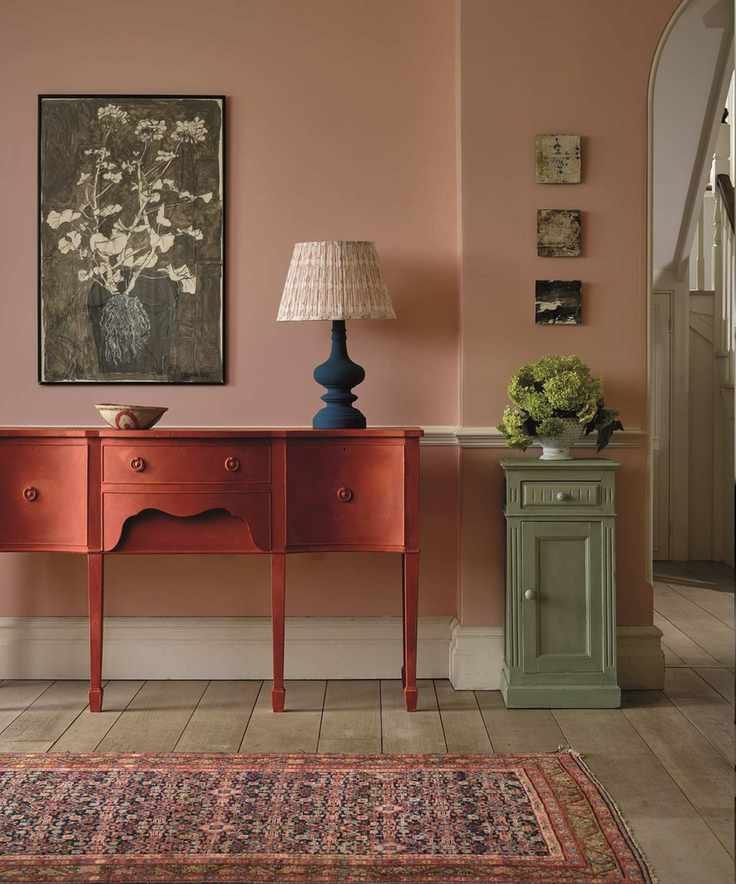
When searching for flip-worthy furniture, focus on shape and quality instead of the finish. A piece's potential often outweighs its current appearance.
'Don't view a find in a thrift shop as it is. Consider what it could become. Color, stains, or outdated hardware can all be changed with paint and new pieces,' suggests Annie.
Look for well-constructed items with a pleasing shape, as they are excellent candidates for recycling. Pine sets from the 1960s and Victorian furniture are usually good options.
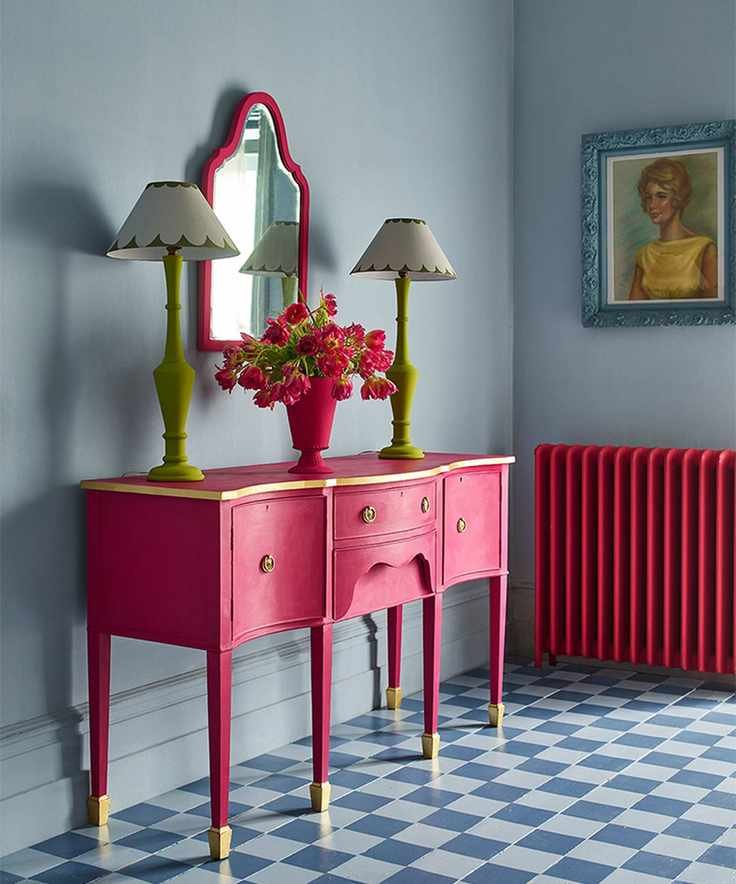
Also, consider the era and design style of the piece. 'Utility styles from the 1940s often fit modern homes, while ornate pieces suit period homes best,' Annie advises.
Megan adds, 'I look for solid wood pieces, especially those with interesting legs, and mid-century modern designs.'
3. Seek Out Dated Pine Furniture
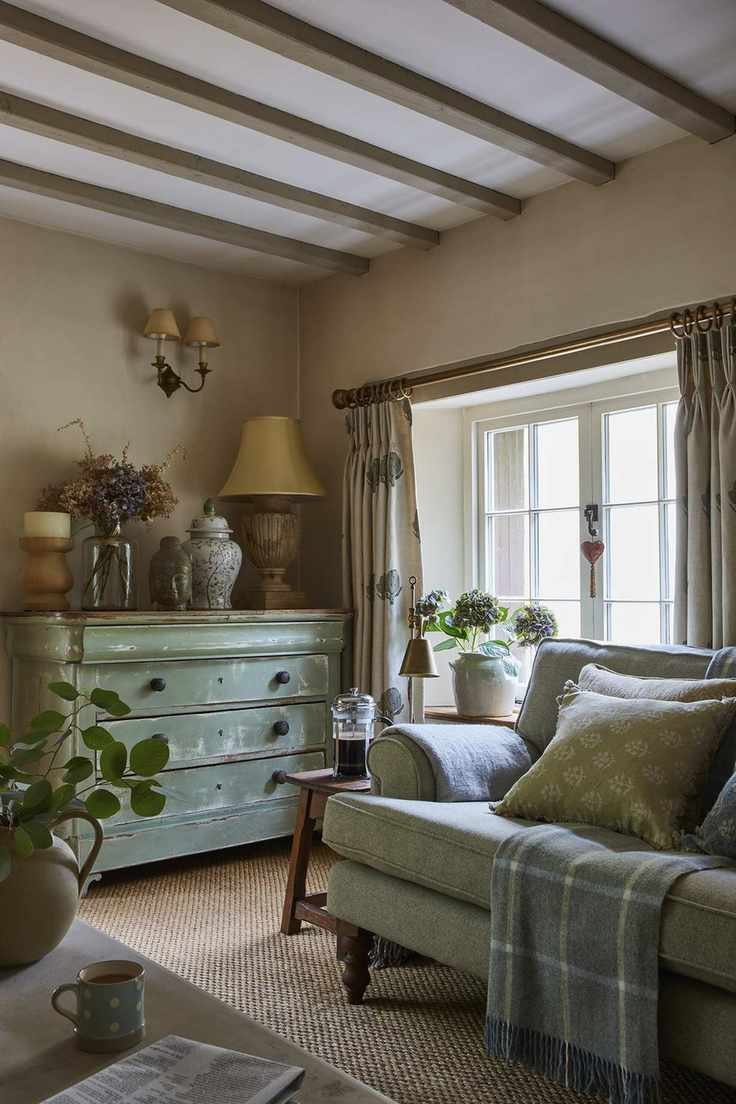
Genuine Victorian pine with weathered patinas is desirable, but more recent, highly varnished pine furniture has fallen out of favor. These pieces can still be revived with a little care and paint.
'Modern 'orange' pine looks fantastic when painted, and many in the upcycling community are opting for lighter stains to achieve a fresh look,' Megan shares.
'Interestingly, pine furniture was meant to be painted. The trend of stripping and waxing began in the 1960s, so feel free to paint any pine furniture you find without guilt!' states Kate.
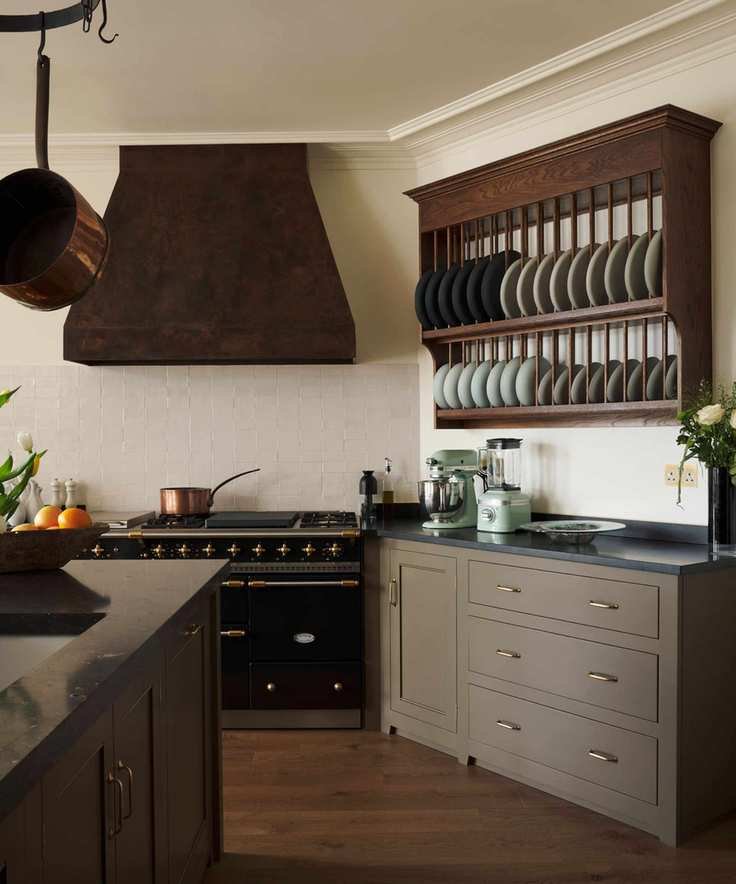
Flipping or upcycling vintage finds from thrift stores or yard sales is an excellent way to create unique statements in your home. From small accent pieces to larger furniture, countless unwanted items can become stunning centerpieces with creativity and effort.
Generally, avoid altering genuine antiques from the early 19th century or earlier. It's best to leave these to experts. Items in good condition or of value should be preserved to maintain their worth. However, budget-friendly finds, especially from the 1960s onward, are perfect for upcycling, allowing for creativity without restrictions.
'When selecting furniture for your home, remember it's yours to modify. If adding paint suits your style, go for it!' encourages Megan. 'While some believe upcycling devalues furniture, this isn't valid for all pieces — damaged items or those out of style can be great candidates for a transformation!'



