
This post was last updated in February 2026.
As a full-time freelancer, managing healthcare costs has been a challenge due to the opaque pricing and complex nature of the U.S. medical system. While working with a travel company, I secured a travel insurance policy that covers my needs abroad.
My travel insurance is $92/month (which would be lower if I were under 40) compared to $450/month for my U.S. plan in 2017, which came with hefty copays and deductibles.
Healthcare is a topic I'm passionate about, prompting me to pen a chapter in my book addressing how to navigate U.S. healthcare costs. I've become well-acquainted with its shortcomings.
In summary, the U.S. healthcare system is costly and inefficient. (Source: The Atlantic) Although the quality of care is commendable, the lack of upfront pricing is particularly frustrating. I prefer to know my costs in advance rather than waiting for unexpected bills. Additionally, scheduling appointments can be a long process, which disrupts my work.
As a result, I opted to seek medical care abroad for my annual check-ups, routine dental work, and other appointments. I want to share my experiences and debunk myths surrounding the quality of care internationally. I wish I had made this change sooner!
This post reflects my experiences and costs from 2019 to 2026. In 2025, I enrolled in a Cigna global healthcare plan, which I review at the end of the article.
Some affiliate links are included in this post for travel insurance. I may earn a small commission at no extra cost to you, helping maintain this blog.
Why I Prefer Medical Care in Thailand
 Mailbox styles throughout Bangkok vary by location.
I've spent significant time in Thailand over the past decade, especially in Chiang Mai during winter. I've considered retiring here because it feels like home.
My first visit to Bumrungrad Hospital in Bangkok in 2012 was a positive experience when I sought treatment for a running injury. I received a hip x-ray promptly for just $70, a stark contrast to the $700 charged by my U.S. insurance for a similar x-ray six months earlier.
Both Bumrungrad and Bangkok Hospital come highly recommended by expats and Thai friends familiar with the U.S. system.
In 2018, I met a wealthy retired couple from Australia who visit Bangkok Hospital in Phuket for their annual check-ups. Their experience encouraged me to seek health screenings in Thailand too! Conversations with fellow patients reveal that many are well-off—indicating this isn't merely a budget option. It's premium care at a fair price! (My income has doubled since I began obtaining healthcare in Thailand, yet I still prefer the efficiency and transparency it offers.)
Healthcare costs in Thailand are generally low. While my travel insurance doesn't cover routine appointments, I pay out of pocket, and the hospitals accept various insurances.
For insights into Thai healthcare quality, check out The Economist's article, Why is Thai health care so good?, and a comparison study between U.S. and Thai healthcare spending.
The Cost of an Annual Checkup in Thailand
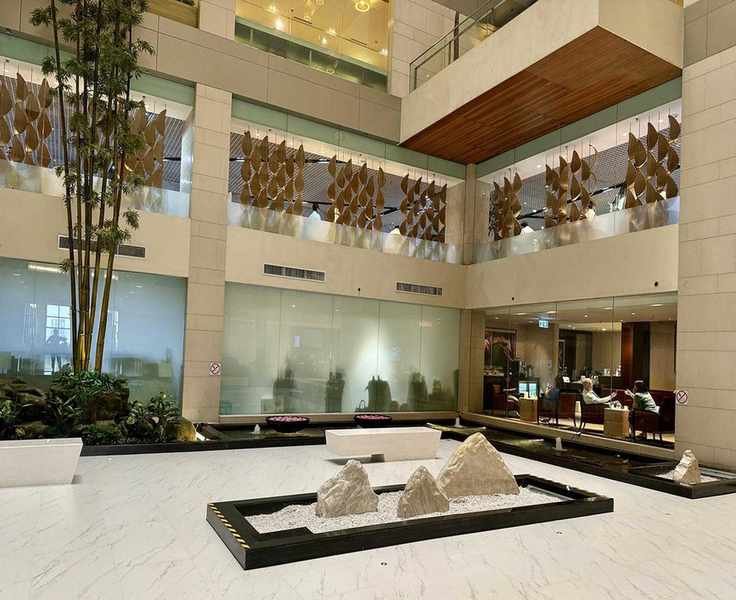 Bumrungrad Hospital's interior resembles a luxury hotel.
Thailand's private healthcare system is highly regarded for its quality, safety, efficiency, and affordability. Unlike the U.S., prices are clearly displayed. Bloodwork results come back within 60-90 minutes, and insurance is accepted.
Both major hospitals in Thailand have transparent pricing for annual health check packages. Costs rise with age due to additional tests. Below are some prices from Bumrungrad Hospital.
2019: I opted for the most affordable package at 7,140 Baht/$235 USD (note: females face higher costs due to a pap smear). This included standard bloodwork, a chest x-ray, urine and stool samples, and a consultation with an English-speaking doctor, taking about two to three hours.
2022: Upgraded to a higher-tier package upon turning 40 that included a mammogram, pap smear, EKG, abdominal ultrasound, chest x-ray, extensive bloodwork, and consultation. All but the pap smear results were provided immediately at a cost of 30,500 Baht/$847 USD. This package required three to four hours.
2023: The same package cost 33,420 Baht/$991 USD, a 17% increase from the previous year.
2024: The cost rose slightly to 34,700 Baht/$1,029 USD, a mere 4% hike, and the entire process took about three hours.
2025: The same package increased 4.5% to 36,300 THB/$1,168.71 USD in December. The strong Thai Baht contributed to this price variation.
All doctors speak fluent English. You can select a physician based on credentials from their website. (My doctor, who grew up in Florida, is fantastic!)
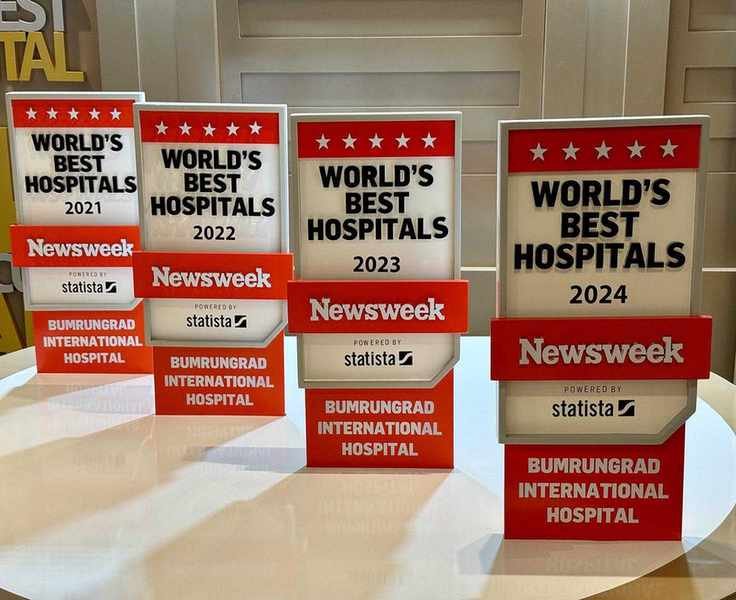
Steps for a Health Checkup at Bumrungrad Hospital
Upon arrival, you register at the hospital. If it's your first visit, bring your passport for their records, and they'll take your photo. You receive a hospital number for future reference.
Next, proceed to the health screening floor. You'll take a number and be called within ten minutes. They review your chosen package and any past medical records you might have. A hospital bracelet with your name and date of birth is issued, along with a scanning barcode used throughout your visit. They give you a buzz device to notify you when your turn is up for procedures—very efficient!
The cashier is next. You pay for screenings upfront since they are packaged. Unlike in the U.S., exact prices are provided before any treatment.
The health screening area resembles a giant circle with a central glass-enclosed courtyard. Each area is clearly marked from A to D.
Counter A: Bloodwork
At Counter A, blood pressure, weight, blood samples, waist measurement, and vision tests are conducted. Nurses consistently verify your information throughout the process. They scan your hospital bracelet for every test. Everything is neatly sealed and sanitary, akin to U.S. standards.
Counter B: Imaging and Tests
At Counter B, you'll provide a urine and stool sample. This is where you undergo chest x-rays, mammograms, EKGs, and abdominal ultrasounds. A changing area with lockers provides clean scrubs. After your tests, return the scrubs and key, ensuring cleanliness for the next patient.
Counter C: Consultation & Breakfast
Counter C is a highlight because it features a complimentary breakfast buffet sponsored by the J.W. Marriott! Bloodwork and test results are processed during your wait. Typically, the complete process lasts 60-90 minutes. Fast Wi-Fi allows me to work while waiting, although they move quickly to call you!
I usually sit about 30 minutes before seeing the doctor, who reviews all test results in detail and addresses any concerns. A normal examination follows. For women, this includes a breast exam if a mammogram wasn't performed. Afterward, men can leave, while women proceed for a pap smear, which is quick. The pap smear results are emailed later, usually three days post-visit.
After concluding the tests, I'm free to go. The entire visit takes about three to four hours for most packages, and the total costs are often lower than three months of my previous U.S. insurance.
Important Note: I don't have preexisting conditions. I contemplate what I'd do if I did, likely continuing to live abroad. I spend most of my time outside the U.S., only visiting for three to four months annually.
For too long, I worked jobs I disliked just to maintain health insurance. Life is too short for that. Once I left that job, my career flourished as I finally had time to focus on my true passions. I hope my experience is beneficial to others!
Specialist Care in Thailand
 Bangkok Hospital's lobby in Chiang Mai, Thailand.
Dermatologist
Due to a family history of skin cancer, I routinely see a dermatologist for a full-body screening. I select a doctor based on their online profile.
My first choice was a Boston-educated dermatologist. (A tip: avoid younger dermatologists who might pressure you into unnecessary cosmetic procedures.) I had a better experience with a different doctor last year.
2019 Total Cost: 1,730 Baht/$57.12 USD2022 Total Cost: 2,000 Baht/$55.54 USD
2023 Total Cost: 2,860 Baht/$84.82 USD (This appointment involved more extensive concerns.)
2024 Total Cost: 2,675 Baht/$79.34 USD (A new patient rate was applied this year.)
2025 Total Cost: 2,190 THB/$70.51 USD
I also had two large moles removed for 9,533 THB/$306.92 USD, which was a quick and efficient process.
Gynecologist
Following a cyst scare, I visited a gynecologist for an ultrasound in 2019. This entire process took under 45 minutes, starting with a discussion and a view of my previous results on my computer.
The doctor used the ultrasound screen to label everything during the procedure. I prefer female doctors for these appointments, and this one reminded me of my grandmother, which made me comfortable. While this visit cost more, it was worth it for peace of mind! 2019 Total Cost: 7,060 Baht/$233 USD (Ultrasound included at no additional cost now.)
Colonoscopy/Endoscopy
As I approach 45, I had my first colonoscopy and endoscopy in January 2025. Although the prep wasn't enjoyable, it was manageable. All results were normal.
Performed at Bangkok Hospital in Chiang Mai, the combined procedures cost 38,000 Baht/$1,223.44 USD. The doctor explained everything, including photos, immediately after recovery. The follow-up appointment cost 2,931 THB/$94.37 USD.
The medicines needed for the procedures were approximately $20-30 USD. I sourced most from a pharmacy outside the hospital, except for the necessary pre-procedure powder. I previously paid around $700 USD for an endoscopy in 2019.
No referral was needed; I simply made an appointment. Cigna would have covered part of the costs had I waited until August when I turn 45, but I chose to do it promptly.
Bangkok Hospital vs. Bumrungrad
 Health screening package options at Bumrungrad International Hospital.
Both Bumrungrad International Hospital and Bangkok Hospital have comparable packages. Bangkok Hospital often provides discounts, making it slightly cheaper. I continue to visit Bumrungrad due to my history with them and my preferred doctor. Annual prices for packages are on the rise, as previously noted.
Appointments should be scheduled at least a week in advance. I book early to secure a morning appointment with my chosen physician. Both hospitals are accessible via public transport. Bumrungrad provides free shuttle services and airport pickup options.
As Bumrungrad lacks a Chiang Mai branch, I rely on Bangkok Hospital in Chiang Mai, just a $3 taxi ride from downtown.
Bangkok Hospital is the largest network in Thailand with over 40 locations, including Phuket. My Thai friends, even those familiar with New York, prefer Bangkok Hospital, noting similar quality across both facilities.
Remember, these hospitals are costly for locals. The average Thai income is around $10-15 USD/day. (This figure is from a nonprofit I worked with years ago and may have risen.) Both hospitals cater to foreigners, as many local options don't offer English-speaking doctors.
Pharmacy Options in Thailand
 Photo Credit: Stock image from Pexels.com
In Thailand, common antibiotics are available over the counter without a prescription, such as doxycycline and azithromycin. However, controlled substances require prescriptions and can only be dispensed at hospital pharmacies.
When prescribed a medication while traveling, I consult a U.S. pharmacy, like Walgreens or CVS, via Google Voice to check for interactions or advice. This is a routine practice for me.
If a Thai doctor prescribes medication, it's often cheaper (up to 50% less!) to purchase it outside the hospital. Siam Pharmacy near Bumrungrad offers a wide selection, while Dara Pharmacy in Chiang Mai provides competitive pricing.
Travel Vaccines in Thailand
I confirm that the vaccines I receive are FDA-approved. I recently got a Typhoid Fever vaccine for 1,533 Baht/$42 USD (2022 prices), significantly cheaper than in the U.S.
In late 2024, I received the Yellow Fever vaccine for 5,269 Baht/$155, including the doctor's fee. (At Walgreens, it costs $240.) I had a quick same-day appointment with a knowledgeable doctor.
In December 2025, I got my Tdap vaccine for 2,500 Baht/$80.49 USD.
Dental Care in Thailand
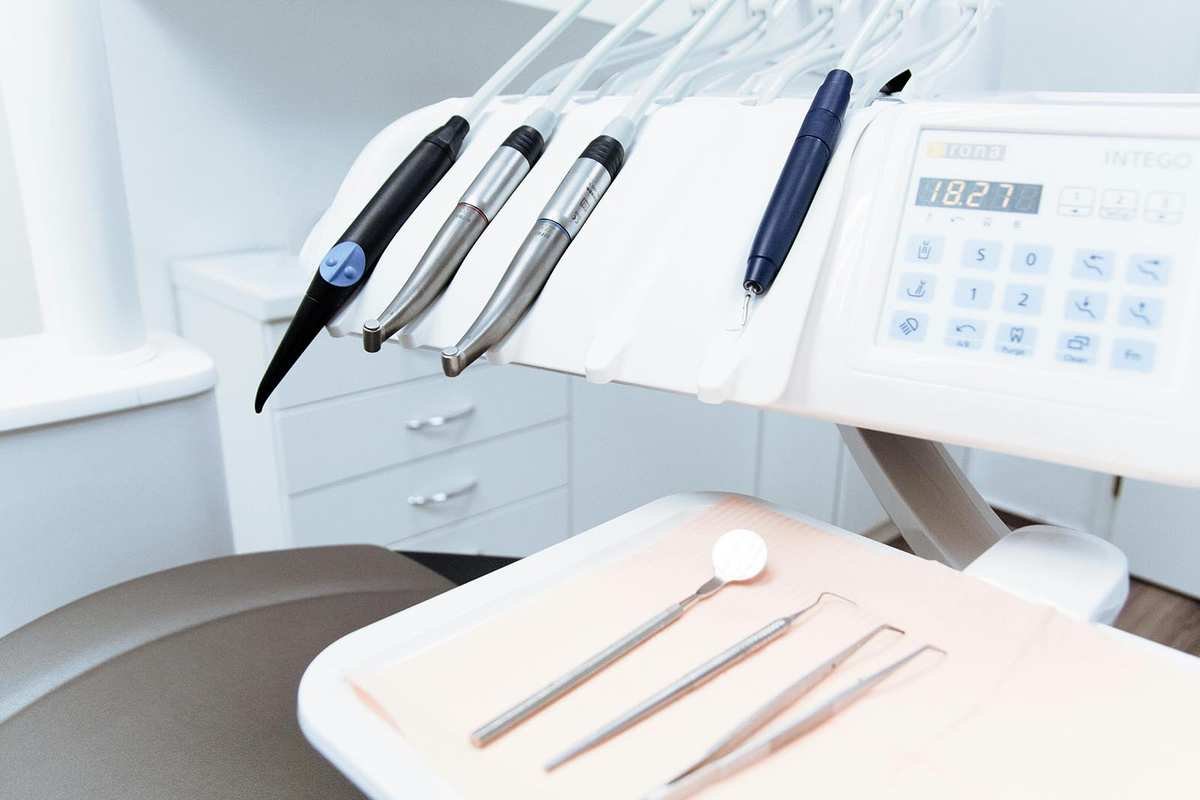
I have my teeth cleaned at Thantakit International Dental Center in Bangkok, recommended by expat friends. They provide complimentary pick-up and drop-off in a private vehicle!
Since 2013, I've trusted Thai dental care after a hygienist in Santa Barbara endorsed it. In Thailand, a licensed dentist performs the cleanings.
2019 Total Price: 1,350 Baht/$44.56 USD (10% cash discount offered by Thantakit)
2022 Total Price: 1,200 Baht/$33 USD + 800 Baht/$22 USD for fluoride application. (I'll skip fluoride next time, as it was an unnecessary extra.)
2023 Total Price: 1,350 baht/$44.46 USD (After the 10% cash discount.)
2024 Total Price: 1,500/$44.49 USD (No cash discount this time; I use a card for points.)
2025 Total Price: 1,500 Baht/$48.29 USD (The strong Baht has affected the USD price.)
Full disclosure: My teeth are in excellent condition, thanks to years of braces and dental challenges. I've seen many dentists across the U.S. but only trust my hometown dentist for major work. American dental care is hard to beat.
Dental tourism thrives in Thailand, especially in Koh Samui, where visitors often begin procedures while vacationing.
For further exploration of medical care abroad, check out my Travel Insurance Guide!
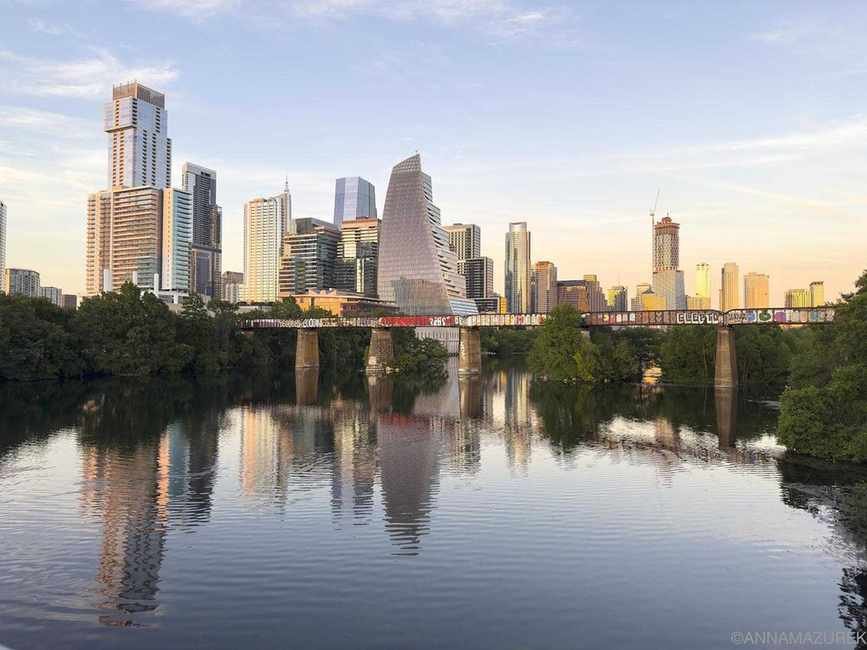 While living in Austin, I relied on employer-provided insurance, then switched to an ACA plan. Now, with a global health insurance policy, I have more flexibility.
Health Insurance for Freelancers in the U.S.
After leaving a part-time job with health benefits in May 2017, I purchased a mid-level plan via Sendero Health through the ACA. Initially subsidized, my rising income led to full payments.
My premium was $350 but increased to $450 in January 2018, along with doubled copays and deductibles, prompting me to cancel. While many Austin doctors accepted my plan, their limited quota often meant I had to settle for less desirable options.
Most doctors accepting my insurance were unsatisfactory. I canceled to explore alternatives. (The ACA is a step forward for freelancers, covering preexisting conditions without extra costs.)
I always maintain some form of health coverage. It's too risky to go without. While traveling, I use travel medical insurance costing $92/month without a deductible through SafetyWing. (This was lower before I turned 40.) This covers illness and emergencies while traveling, and I pay upfront or monthly as needed.
I've written a detailed review of my experience with SafetyWing.
For U.S. coverage, I had a short-term, high-deductible plan costing around $175/month for emergencies with a $7,500 deductible covering 100% thereafter. Changes to government regulations now limit short-term plans to four months maximum annually.
Consequently, I've begun researching global coverage that permits up to 180 days of U.S. coverage for expatriates (Thailand is my base) and have chosen the Cigna Global plan. (Other options include GeoBlue and Vumi, both with shorter limits for U.S. visits.)
Important Note: Most ACA and private plans have limited out-of-state coverage, so it's crucial to read the fine print. Emergency care out of network could result in high expenses.
In January 2022, Congress enacted the No Surprises Act, limiting out-of-network charges for certain services. While helpful, understanding out-of-network benefits for ACA plans remains essential.
I'm currently exploring cash-based and direct primary care practices that don't accept insurance as a potential solution. An example is Brightmark Health in Birmingham, AL, which I discussed with the owner recently.
Combining these practices with a lower-cost high-deductible catastrophic insurance plan may reduce healthcare expenses while improving care quality and time with doctors, benefiting many freelancers like myself.
My Experience with Cigna Global Insurance
Last year, I switched to a Cigna Global Policy, designating Thailand as my residence. This plan allows only six months in the U.S., which suits my travel patterns well. I opted for the Silver plan with a $10,000 deductible and 0% cost share, covering all costs after that threshold. This basic policy safeguards me from financial ruin in a medical emergency.
2025 Annual Cost: $1,456 USD
2026 Annual Cost: $1,603 USD (a 10% increase)
When I submitted a claim for reimbursement for preventive care (annual physical and skin cancer screening), I received a prompt response stating I was entitled to a higher reimbursement than anticipated. I was pleasantly surprised! My reimbursement of $680 was over half of my total costs ($1,239).
Note that I chose a package with many extras not typically covered by U.S. insurance. Several reimbursable items are only covered every two to three years.
In 2025, I spent around $3,700 on health insurance and medical appointments (including the colonoscopy/endoscopy). I spent about $678.83 on travel medical insurance. Living in the U.S. would cost me significantly more than that just for premiums.

The Best Travel Medical Insurance for Thailand
Travel medical insurance is crucial for any trip abroad, particularly in Thailand. It covers various potential issues, from injuries to travel delays, allowing you to focus on your journey! I highly recommend SafetyWing's Nomad Insurance, which provides $0 deductible travel medical insurance for individuals under 70 traveling outside their home country. (Note that travel medical insurance does not cover routine visits mentioned above but will safeguard against injuries or illnesses.) For more details about my experience, read my review of SafetyWing in Thailand!