

A leaking dryer can be concerning, especially since these machines are meant to handle moisture. Water leaks can lead to damage to your floors, furniture, and even electronic devices.
Water leakage often signals an internal issue or an improper setup of your dryer. You might be able to resolve it yourself, but take care when troubleshooting to avoid worsening the situation.
Here are some steps you can take to fix your leaking dryer, alongside tips to extend your dryer's lifespan and prevent future leaks.
Why is my dryer leaking water?
We consulted appliance and laundry experts to identify common reasons for dryer leaks. Here's their advice, including whether you can tackle the issue alone.
1. Blocked Ventilation
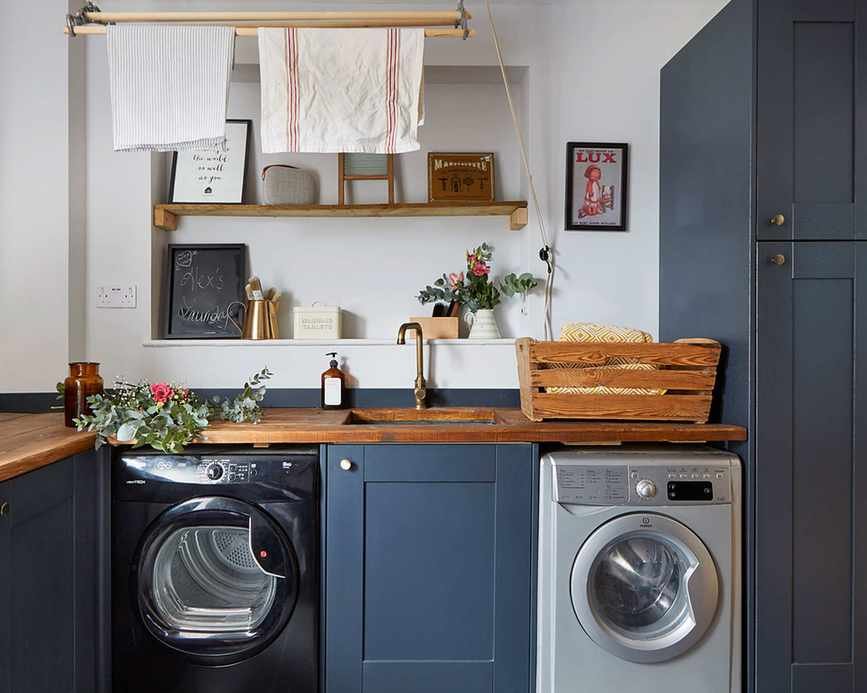
Jason Farrell, a master technician, states, "A blocked ventilation system is often to blame for a leaky dryer." Hot, humid air needs to escape while the dryer operates. If lint clogs the vent, moisture can condense inside the machine, leading to leaks.
Although it may seem challenging, clearing the blockage is quite rewarding. A thorough clean will enhance your dryer's performance and likely stop the leak.
"The solution is straightforward: clean your lint trap, vent duct, and vent thoroughly to restore airflow," Jason advises. You can find our step-by-step cleaning guides, but a vent cleaner like the Gobabo Dryer Vent Cleaning Kit at Amazon that attaches to a vacuum can help.
2. Issues with Ducts and Insulation
Problems within the vent ducts can also contribute to leaks. Inspect your dryer's vent ducts for any visible damage. "Any holes, cracks, or loose connections can allow condensation to escape," Jason warns.
It's crucial to insulate cold ducts to prevent moisture buildup. Additionally, if you have a condenser dryer, remember to regularly empty the condensate tank and check it for any damage.
3. Unlevel Dryer
Sometimes, the issue lies in the dryer not being level, causing water to leak from unexpected areas. The same applies if your washing machine is leaking.
Appliance repair expert Ian Palmer-Smith notes, "Even a slight angle can disrupt the dryer's operation." As machines can shift over time, it's essential to check their level and adjust if needed.
4. Overloading with Wet Laundry
While dryers are built to handle loads from the washing machine, they can only manage a certain amount of moisture.
"If you load the dryer with excessively wet items, it's likely that water will leak out. Always ensure items have undergone a proper spin cycle first," advises Punteha van Terheyden.
If you've tried these steps and still have a leaking dryer, it's wise to seek professional help. Not all problems are easy to diagnose, and you want to avoid creating further issues.
In the meantime, consider the advantages of air drying your laundry. You'll save energy and sidestep technical issues like leaks.


