Renowned furniture designer and eco-conscious expert Sebastian Cox is currently renovating his home, focusing on innovative and environmentally friendly ideas. Each month, he explores how we can make meaningful changes in our living spaces.
As he works on his home, Sebastian is dedicated to making thoughtful interior design choices for his family. His latest focus is on sustainable fabrics, providing essential insights for eco-friendly curtain options.
Consider sustainable materials beyond just curtains. When curating your living room furniture, opting for a sofa or armchair upholstered in eco-friendly fabric can be a great decision. Reupholstering an existing piece is another way to be kinder to the planet.

Embracing Change
Cox notes, "Living near the sea means we experience fierce winter winds. When it's chilly, we light fires, bundle up in sweaters, and close our curtains to keep out the drafts from the North Sea." He emphasizes that textiles play a crucial role in maintaining warmth and comfort in our homes.
While insulation is vital, textiles such as curtains, throws, bedding, rugs, and soft furnishings are invaluable, even in modern, airtight homes. With various fibers sourced from around the world, it's essential to navigate the environmental challenges of fabric choices.
Interestingly, while the fashion industry is increasingly scrutinized for its environmental impact, the homeware textile sector often lacks similar attention. Despite being a smaller industry, its carbon footprint is significant, with many non-organic fabrics contributing to the problem.

Prioritize Local Sourcing and Research
"My wife Brogan is an avid seamstress. She crafts a variety of items for our home and often makes her own clothes. Together, we've established guidelines for selecting fabrics. We prioritize buying from UK mills or transparent companies to ensure quality and ethical sourcing, focusing on raw materials and production chemicals," shares Cox.
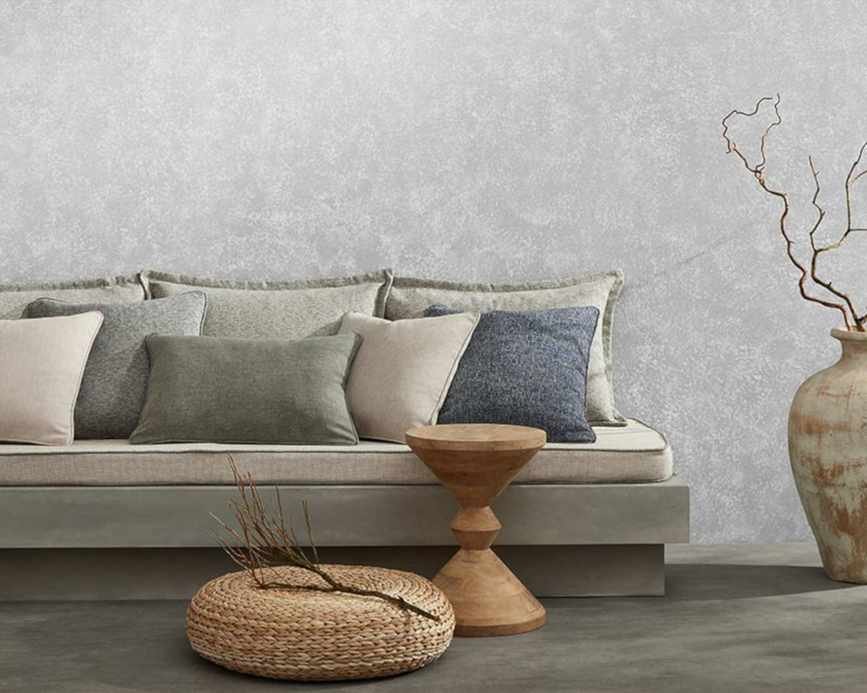
Alternatives to Cotton: Flax, Wool, and Hemp
Cox highlights flax and wool as preferred materials. Flax, used for linen, can be grown locally but requires specialized harvesting methods. Thankfully, organizations like Flaxland are working to make this easier.
Top sources for linen include Belgium, France, and Ireland, offering sustainable methods of production that require minimal water, pesticides, or fertilizers. This makes flax a more environmentally friendly choice compared to cotton.
Wool is also a well-known fiber, valued for its warmth and durability, ideal for carpets and curtains. Cox sources UK wool from local mills, including curtains from Stitched and mattresses from Naturalmat, which are crafted with minimal chemical use.
Hemp is another promising plant that thrives in our climate and can be a viable alternative to cotton and synthetics.
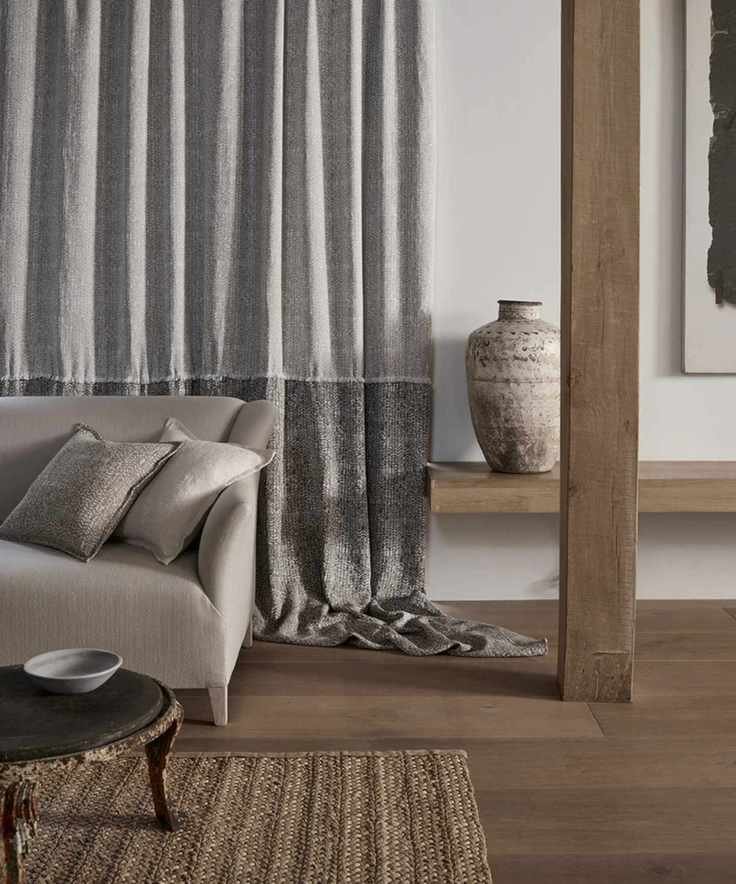
Shopping for Sustainable Fabrics
Cox discusses the importance of mechanical processing versus chemical processing in fabric production. While fabrics are initially stiff and need to be softened, mechanical methods, though energy-intensive, are far less polluting than chemical treatments.
A standout brand, Rapture & Wright, is committed to sustainability by implementing natural filtration systems at their Cotswolds facility, ensuring their waste water is purified and beneficial for the local ecosystem.

Care Tips for Sustainable Fabrics
Beyond production chemicals, we also need to consider the harmful Volatile Organic Compounds (VOCs) often found in many soft furnishings, including mattresses and carpets.
Cox strives to minimize his family's exposure to VOCs and hopes that labels like Declare labels, which detail product ingredients, gain popularity. Brands like Benchmark Furniture are already using these labels for their soft furnishings, marking progress in consumer transparency.