
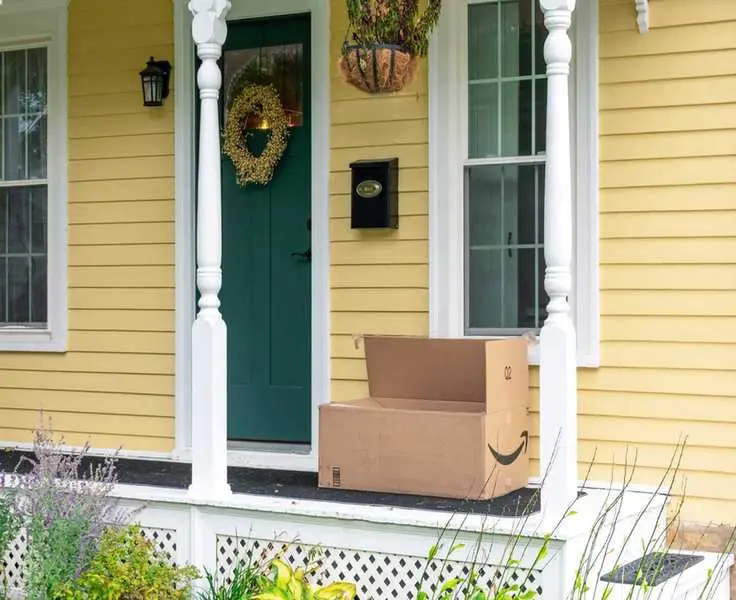
Waiting on that new couch you ordered five months ago? Here's the scoop. Plus: The tapering of stimulus funds, the importance of lunch breaks, and smart investing tips.
This Week In Your Finances: The No, No, No Edition
Tapering Without Tantrums
Recently, Federal Reserve Chair Jerome Powell announced plans to start tapering – reducing pandemic-related stimulus measures. This includes lowering interest rates, making borrowing cheaper, and purchasing large quantities of treasury bonds and mortgage-backed securities, which have kept investment yields (and mortgage rates) at historic lows.
Wall Street barely reacted; markets were somewhat relieved that the news wasn't more drastic and continued their upward trend. However, consumers should pay attention. As CNN highlights, if you’re planning to buy a house or run a small business, this is significant. Borrowing costs will rise, but the timeline for interest rate increases remains uncertain, hinging on inflation and employment recovery. For now, it's a waiting game.
No Lunch Breaks, No Gains
Whether you’re back in the office or working remotely, let’s take a moment for a friendly reminder: You deserve a break today. Specifically, a lunch break. While financial experts often emphasize the impact of expensive lunches on your budget, there’s another angle: skipping lunch can cost you over $6,000 annually in unpaid labor. “That’s what you’re giving your employer by working through the day,” notes one expert. If you’re among the 40% of workers who rarely take breaks, this message is for you.
Money isn’t the only reason to step away. Taking breaks can boost your mood, clear your mind, and enhance productivity. If you feel guilty about taking time for yourself, remember that establishing boundaries is essential. Here’s some advice on how to set those boundaries.
Searching for Placemats
This weekend, I found myself hunting for placemats. I’ve spent more time than I'd like looking for them, especially with Rosh Hashanah approaching and needing smaller ones to fit my dining table. I wondered if placemats have fallen out of style until I read about the ongoing supply chain issues affecting everything from car parts to kitchen essentials, including placemats.
Manufacturers cut back production during the early pandemic when consumer demand plummeted. As demand surged again, shortages became common due to a lack of workforce to resume production. As experts put it, “normalcy might take another year or two.” So, it looks like I might be browsing Etsy.
All Talk, No Action
Inertia is a common challenge. It’s the scientific principle that a body at rest tends to stay at rest. This week, Jason Zweig from The Wall Street Journal addressed this in relation to investment portfolios. Many of us have those investments we’ve been meaning to swap out but find ourselves distracted by more pressing tasks. “My bookshelves need tidying! Time to tackle the compost pile!” (Note to Jason: TMI on that last one!)
If you relate, consider these tips for breaking the cycle: First, break down the investment decision into smaller tasks. If you’re unsure what to buy next, perhaps start by reading an article about suitable investments or scheduling a chat with an advisor. Second, share your goals with someone close and ask them to hold you accountable. Working on your portfolios together can keep you motivated.
No, Not Again
Our thoughts are with those impacted by Hurricane Ida in Louisiana. The images from New Orleans are heartbreaking. Here are ways to help.
Sadly, this isn’t the only climate crisis currently in the news. Here’s how you can support victims of the California wildfires.
And if you want to focus on the broader issue of climate change, we have resources for you.



