
As summer fades into fall, many gardens begin to lose their vibrancy, but pollinators are still busy searching for food to sustain them throughout the winter.
Bees, butterflies, and other insects play a vital role during summer, ensuring our gardens are filled with colorful blooms. Despite the changing season, it's essential to provide them with food sources through the addition of fall plants designed for pollinators.
By adding these plants to your backyard, you'll support pollinators as they stock up on food reserves for the colder months. Plus, you'll enjoy more colors in your garden, extending the blooming season and brightening up those chilly days.

Butterflies can often be seen during the fall season.
10 Top Plants for Fall Pollinators
Pollinator-friendly plants can be perennials, biennials, or annuals. By mixing these types in your garden, you can ensure an extended blooming period. Regular deadheading or cutting back perennials after their first bloom can encourage a second round of flowers in fall. Here are ten excellent plant options for fall blooms that pollinators will appreciate.
1. Coneflower

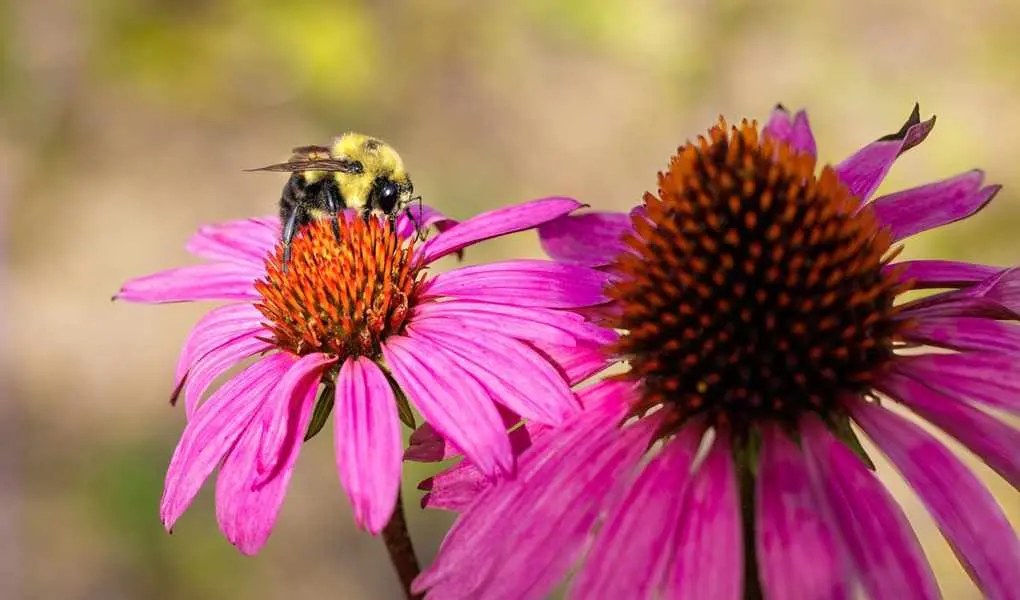
Bees are drawn to the central cones of coneflowers.
- Planting time: Spring or fall
- Flowering time: Summer to mid-fall
- Position: Full sun to light shade
Coneflowers are outstanding perennials, with late-flowering varieties blooming from midsummer to mid-fall. Regular deadheading can help prolong their blooming display. Available in orange, yellow, pink, and more, coneflowers attract both bees and butterflies.
These plants are easy to grow and maintain, making them a great choice for attracting pollinators.
Explore coneflower options at Nature Hills
2. Aster

Asters bloom late in the season.
- Planting time: Spring or fall
- Flowering time: Midsummer to late fall
- Position: Full sun to part shade
Asters, or Michaelmas Daisies, are excellent for pollinators, flourishing in late summer and fall. With a variety of colors and heights, they add vibrant pops to fall flower beds.
These classic garden plants are especially valuable to pollinators as they bloom later in the season, helping bees build their winter reserves.
Explore aster varieties at Nature Hills
3. Persicaria

Persicaria thrives in moist soil.
- Planting time: Spring or summer
- Flowering time: Midsummer to mid-fall
- Position: Full sun to partial shade
Persicaria blooms from midsummer to October, attracting bees with their rich nectar. These plants are low-maintenance and thrive in light shade, making them perfect for borders.
Divide clumps of Persicaria every few years to expand your supply.
4. Sedum
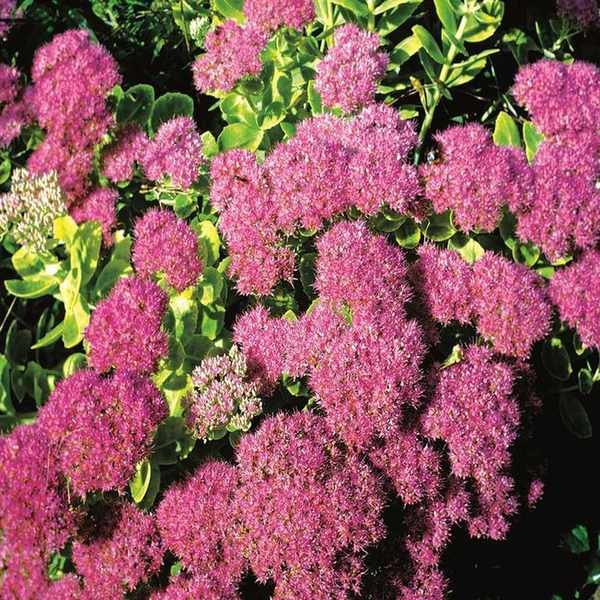
Sedum spectabile, known as Ice Plant.
- Planting time: Spring
- Flowering time: Late summer and fall
- Position: Full sun
Sedum's late summer and fall flowers attract bees seeking winter food. Their flat blooms, mainly in pink, are easily accessible for pollinators. They are drought-tolerant and easy to cultivate.
Consider Sedum spectabile for blooms lasting into September and October, changing from green to deep pink. These plants can be pruned at the end of the season, but can also provide food for birds in winter.
5. Solidago

Solidago blooms until the first frost.
- Planting time: Spring or fall
- Flowering time: Late summer to fall
- Position: Full sun
Solidago, or Golden Rod, flowers late into the season, attracting various pollinators. These native North American plants produce yellow, daisy-like flowers and thrive in poor soils.
They prefer well-drained soil to avoid powdery mildew. Rich in nectar and pollen, Solidago is perfect for any fall garden. A great option is Solidago Fireworks available at Burpee.
6. Salvia

Salvias are highly attractive to bees.
- Planting time: Spring
- Flowering time: Summer through fall
- Position: Full sun
Salvias are beloved by bees and butterflies, blooming from summer into fall. Their tubular blooms are rich in nectar and come in various colors.
Regular deadheading extends their blooming period, and they adapt well to any planting scheme.
Check out salvia options at Nature Hills
7. Fuchsia

Hardy fuchsias can survive temperatures down to -10ºF.
- Planting time: Early summer
- Flowering time: Summer through fall
- Position: Full sun or partial shade
Hardy fuchsias can flower into fall, providing vital nectar for pollinators. With their vivid colors and unique shapes, they attract insects effectively.
These upright varieties thrive in well-drained soil and should be protected from cold winds.
8. Ivy
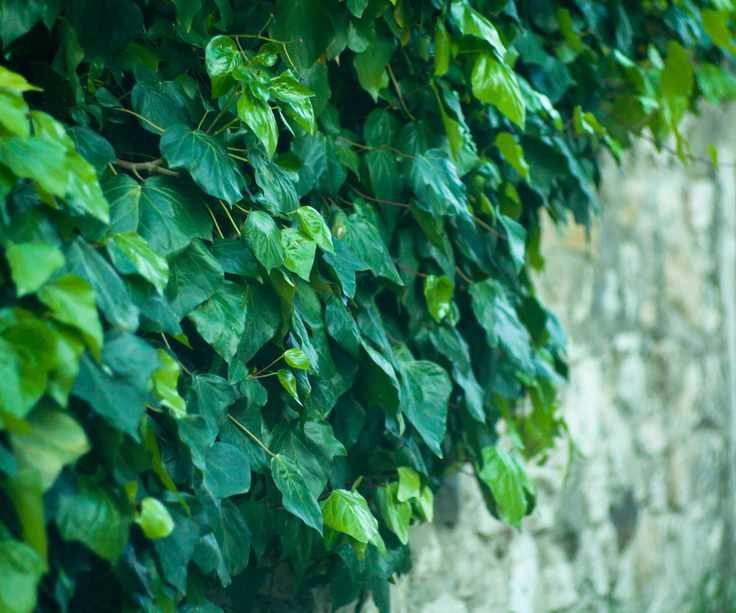
Ivy requires regular pruning to manage growth.
- Planting time: Spring or fall
- Flowering time: Fall
- Position: Full sun or partial shade
Often considered a nuisance, ivy is nonetheless an important food source for pollinators in early fall. Its yellow-green blooms attract bees, flies, and butterflies while offering shelter for birds.
Ivy is essential as food sources dwindle in the fall. While many ivy varieties are available, be cautious as some can be invasive in certain regions.
9. Helenium

Sneezeweed is another name for Helenium.
- Planting time: Late spring or early summer
- Flowering time: Summer through fall
- Position: Full sun
Helenium offers a wide variety of cultivars that attract many solitary bees. With their open centers, these flowers draw in pollinators and bloom in vibrant reds, oranges, and yellows from summer through fall.
They can add drama to borders and come in compact varieties, making them suitable for smaller gardens. Check out Helenium Mariachi Salsa at Nature Hills.
10. Dahlia
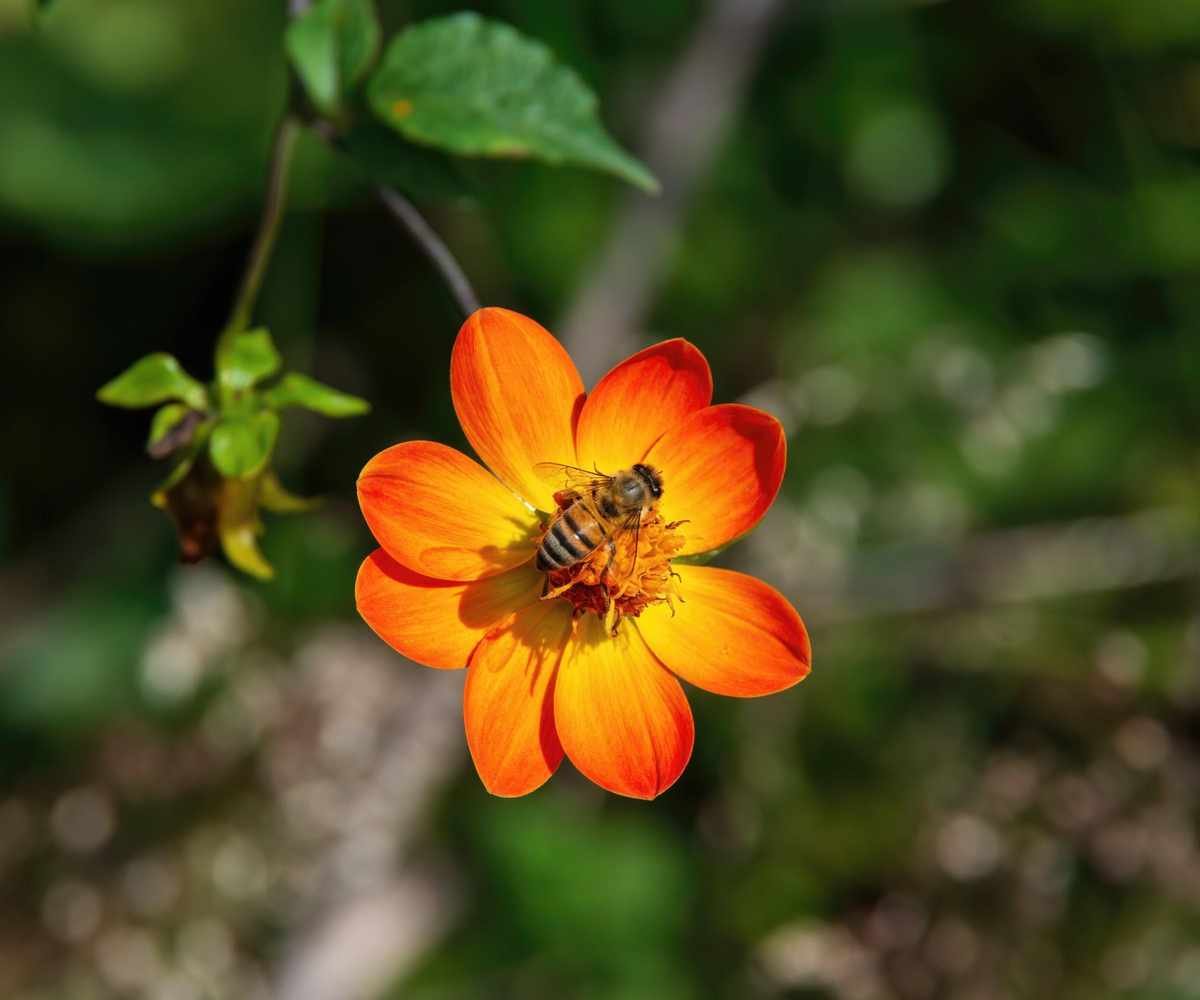
Single dahlias have a simple layer of petals.
- Planting time: Late spring to early summer
- Flowering time: Midsummer through fall
- Position: Full sun
Not all dahlias attract pollinators; single-flowered varieties are best. These blooms continue to provide food until the first frost.
Plant dahlia tubers after the last frost, and be sure to deadhead them throughout the season for continuous blooms. Tubers must be lifted for winter storage before replanting in spring. A great example is Mystic Dreamer available at Burpee.
FAQs
Do bees pollinate in fall?
Bees continue to forage for food in fall, visiting flowers as long as blooms are available and temperatures are warm enough. They collect nectar and pollen, helping to pollinate plants still thriving at this time.
To attract bees and other pollinators, selecting the right plants is crucial. Avoid invasive species or those difficult for pollinators to access. Choose plants that support a prolonged bloom period to nourish pollinators well into fall.
Discover more ways to support birds and pollinators this fall.



