
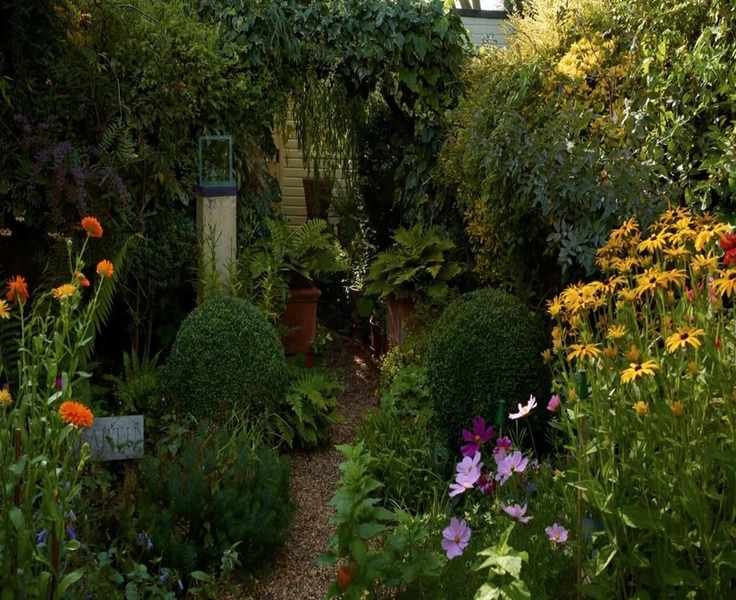
As fall approaches, it can be easy to neglect your garden, but many wildlife species still seek resources in your yard. This is especially crucial for migrating birds and pollinators, who require food and shelter as conditions change.
If you've already nurtured a garden that supports pollinators, you're well-equipped to continue aiding them this season. Fall is a critical time for food and refuge, and there are plenty of ways to provide these in your outdoor space.
From leaving seed heads to planting specific flowers, your efforts can greatly benefit birds, bees, butterflies, and more. Here are some expert-recommended strategies to enhance your garden.
5 Tips to Aid Pollinators and Birds This Fall
These suggestions will not only assist bees during the fall but also support birds as winter approaches. It's also the time for the monarch butterfly migration, making your efforts even more valuable.
1. Grow Fall-Blooming Plants
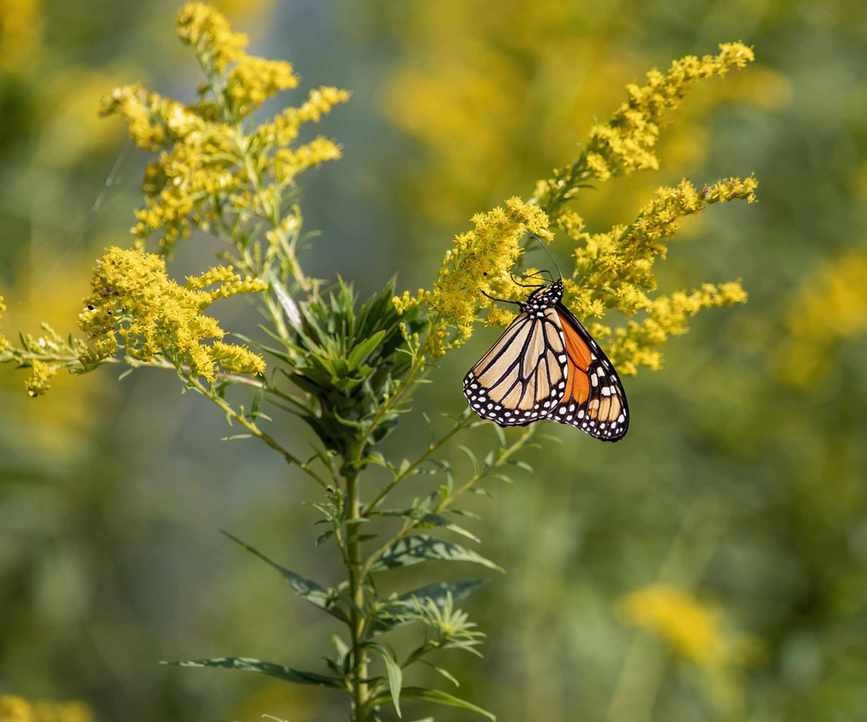
While you might think fall flowers are scarce, many native plants bloom beautifully in this season, offering vibrant colors and vital nectar for pollinators.
Consider plants like goldenrods (seeds from Amazon) and asters (starter plants from Amazon).
You can also plant a mix of fall-blooming wildflowers (seed mix from Amazon) or seasonal flowers for containers to attract pollinators.
'Opt for clusters of plants to make it easier for pollinators to locate nesting sites,' advises Mary Mack Gray, a wildlife specialist. 'To help nocturnal pollinators like moths, consider adding native night-blooming plants such as moonflowers (seeds from Amazon),' she adds.

2. Leave Seedheads for Birds
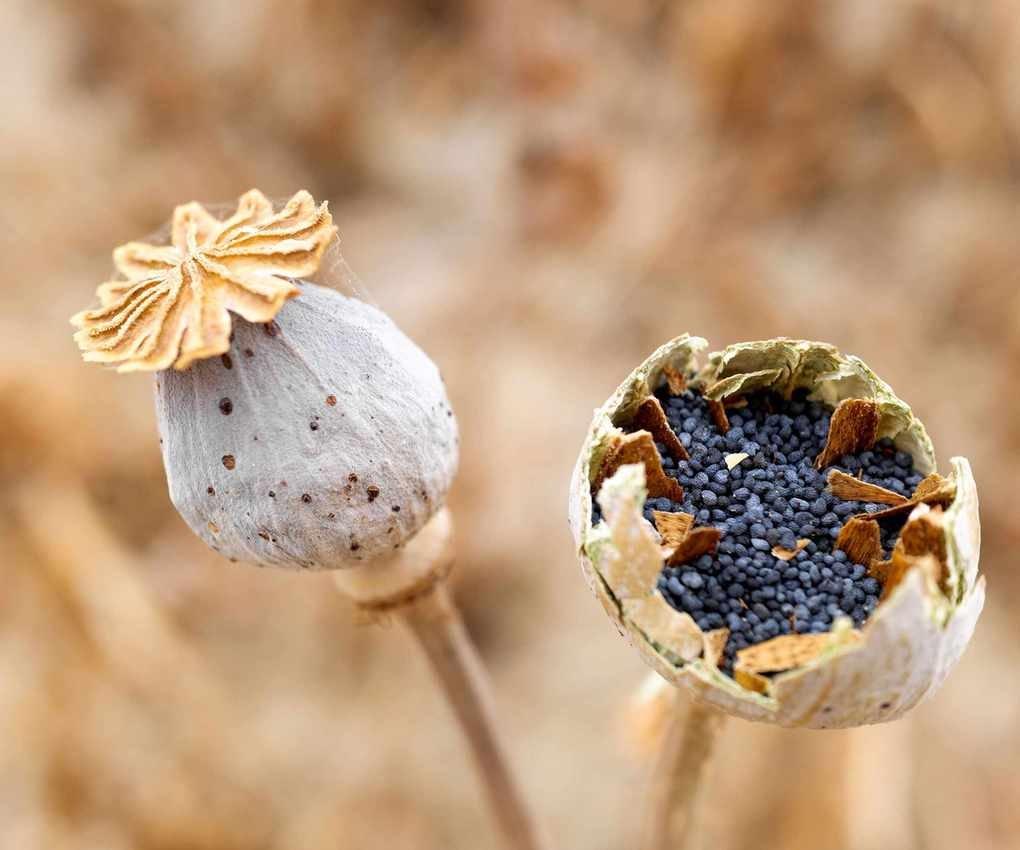
Seedheads are at their best during fall, providing both aesthetic value and food for birds.
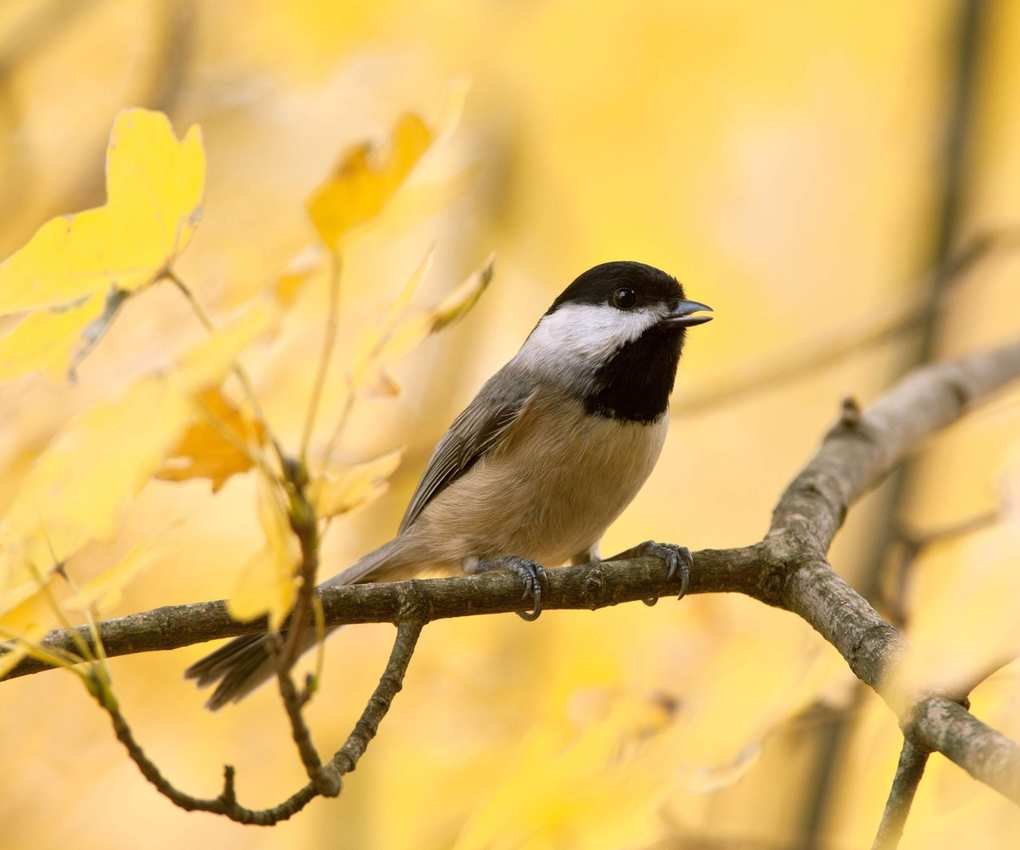
'Native plant seedheads are a natural food source for seed-eating birds such as chickadees, nuthatches, and goldfinches,' says Mary.
Additionally, leaving spent seedheads and stalks can create essential habitats for pollinators like native bees, which often nest within the hollow stems of perennials.
While it's tempting to trim away faded blooms, letting them remain is a simple way to feed birds and continue attracting wildlife.
3. Build a Deadwood Pile
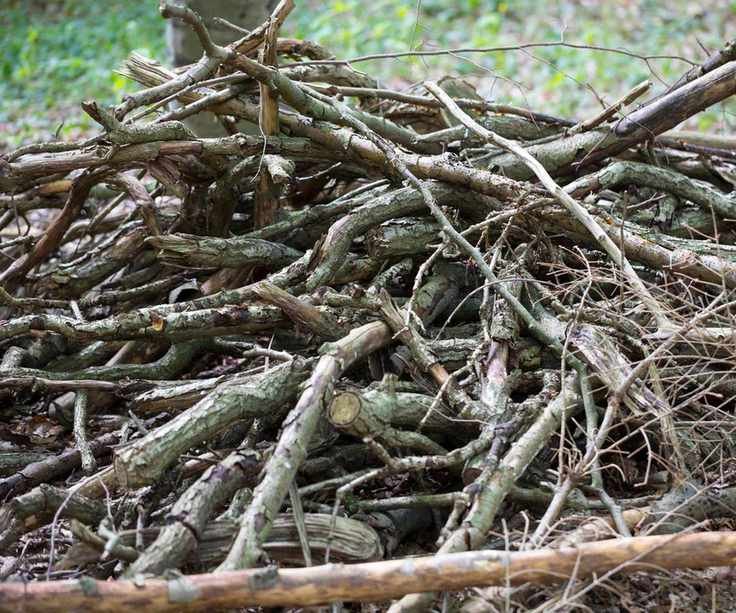
Helping pollinators doesn't only mean adding blooms; decaying plant matter also holds significant value.
'Bumblebees, butterflies, solitary bees, and fireflies thrive in undisturbed spots like deadwood and leaf piles,' explains David M. Burrows from a pollinator project.
'These areas offer protection for adults laying eggs and developing cocoons. The warmth from decomposing materials helps ensure their survival,' he adds.
By leaving fallen leaves and creating deadwood piles using pruners from Amazon to trim branches, you can create natural shelters for pollinators.
This can also attract birds, as insects they feed on often seek refuge in deadwood.

4. Offer Energy-Dense Snacks for Birds
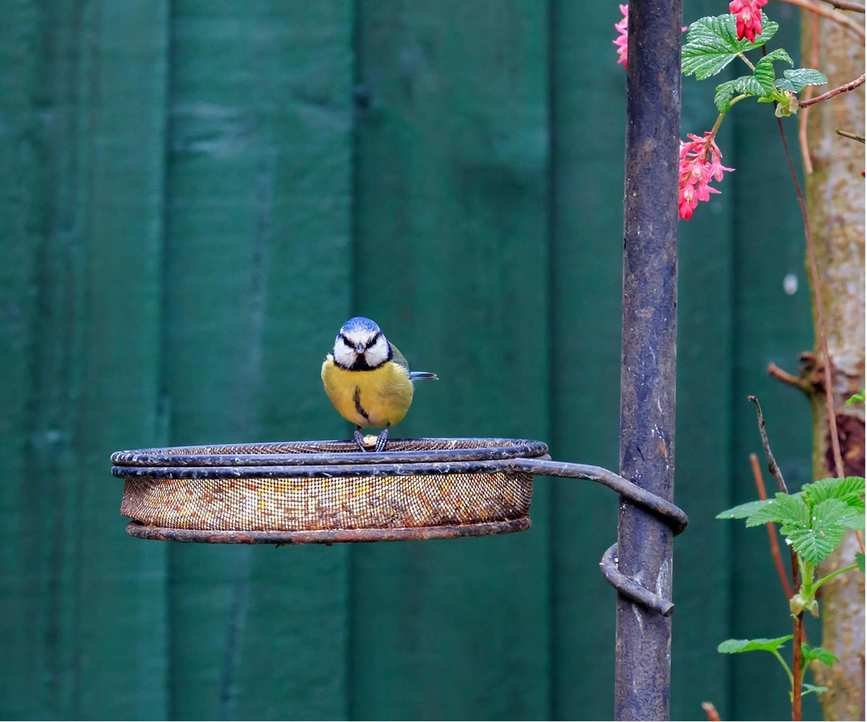
As the weather cools and days shorten, adjusting what you provide in bird feeders can benefit your local avian population.
'Fat-rich foods are essential for birds preparing for winter. High-fat seeds support birds in maintaining their energy reserves,' Mary explains.
Consider using suet balls (from Walmart) or unique treats like potatoes and pasta in feeders.
'Black oil sunflower seeds (from Amazon) are a nutritious option that will attract songbirds throughout the year,' she adds.
Don't forget to provide seed mixes (like this one from Amazon) as the foundation of their diet.
5. Maintain Clean Water Sources
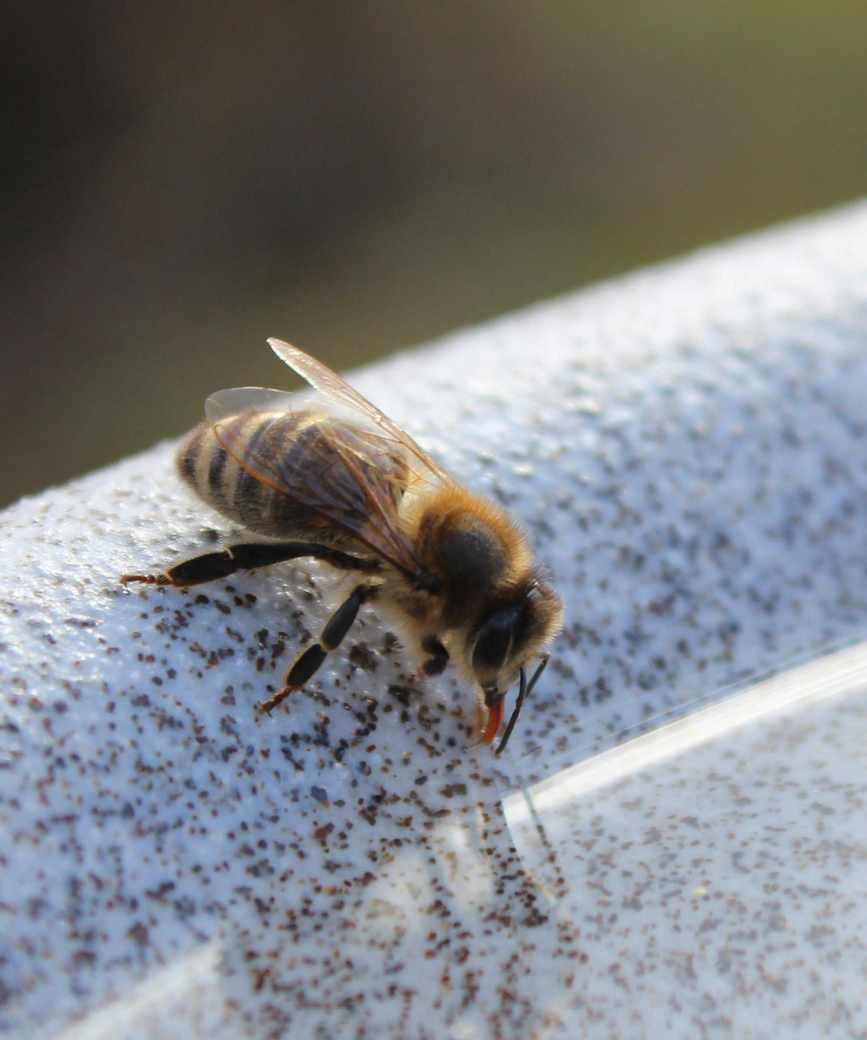
Another supportive measure for pollinators and birds is ensuring water sources remain clean.
Bird baths and bee watering stations can easily become dirty as the weather changes, which can be detrimental to the animals relying on them.
'Migratory and resident birds need fresh water consistently,' David notes. 'On warmer fall and winter days, many species, including bees, will venture out to forage and collect water for their hives.'
Cleaning bird baths and other water sources is straightforward: refresh the water and wipe down surfaces with a damp cloth, avoiding harmful chemical cleaners.
Bird-safe products like this maintenance product from Amazon can help keep your garden's water sources fresh.
Frequently Asked Questions
Does long grass benefit pollinators and birds in fall?
Absolutely, long grass can provide essential habitat for wildlife in fall. Allowing parts of your lawn to grow can greatly assist creatures during this time.
'Leaving certain areas unmowed offers shelter for beneficial species like fireflies, bumblebees, and small green anole lizards,' says David M. Burrows.
'Positioning this near a woodpile or leaf pile adds an extra layer of protection,' he adds.
There are many additional ways to support pollinators and birds this fall, whether they're migrating or seeking ongoing food sources. Adding a birdhouse or bug hotel to your garden can provide shelter for wildlife. Here are some recommendations:
Green Wood Birdhouse
This delightful birdhouse is beautifully crafted and painted, perfect for small garden birds.
Wooden Insect House
With numerous nooks and crannies, this insect house offers a safe retreat for various insects and pollinators, made from durable fir wood.
Butterfly House
This butterfly house is designed to provide shelter and can also hold food and water for butterflies.



