
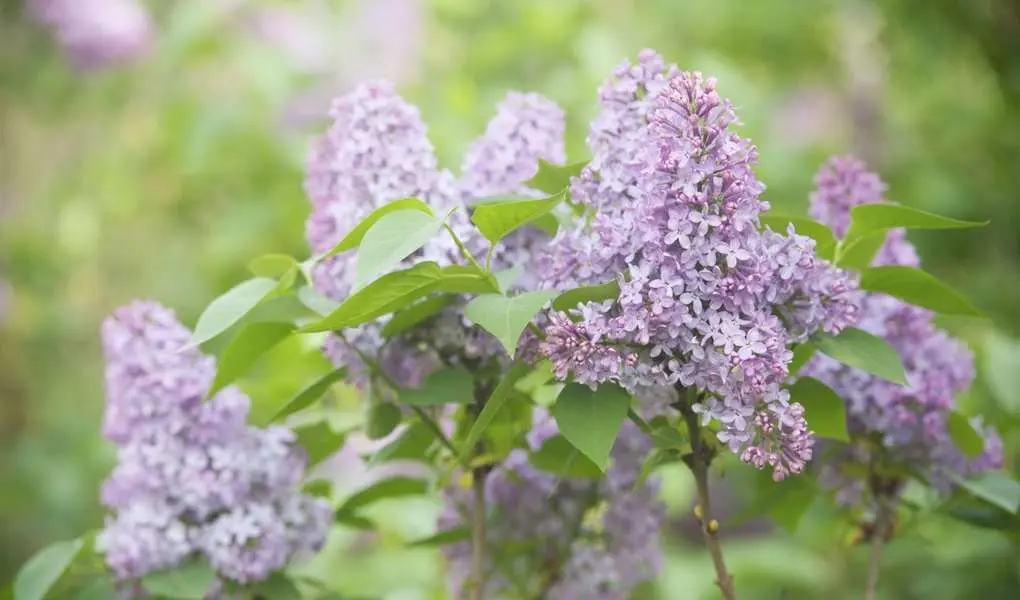
Hedge plants can completely alter the atmosphere of your garden. Instead of stark barriers, a vibrant, living border introduces softness, structure, and a lively environment, all while supporting local wildlife like birds and butterflies.
From stunning evergreens like yew and laurel to those that bloom with vibrant flowers like forsythia and choisya, there's a wide variety to choose from. However, when it comes to creating a sensory experience, fragrant hedges truly stand out.
The right hedges can fill the air with delightful scents as you brush past them, providing a more inviting alternative to traditional fences. Below are six of the finest aromatic hedge plants that will enhance your garden's ambiance and charm year-round.
1. Mock Orange
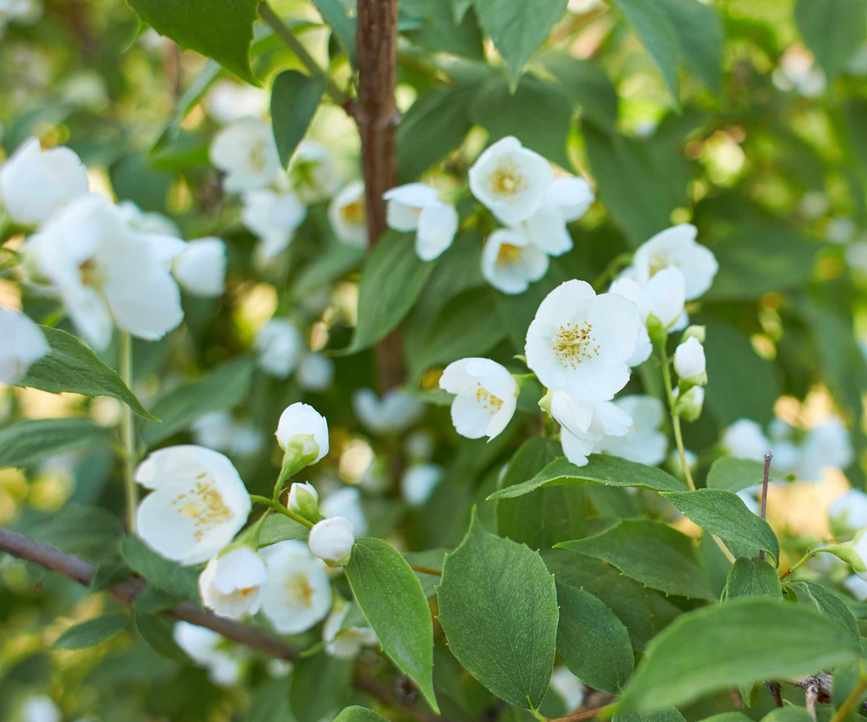
Mock orange shrubs feature lovely white flowers with a sweet, spicy aroma.
Mock orange, or Philadelphus, is a fragrant shrub native to North America.
These full sun flowering shrubs prefer well-drained soil and ample sunlight, making them easy to cultivate. They produce an enchanting fragrance when they bloom in June. You can find quality mock orange starters on Amazon.
According to a gardening expert, mock orange thrives in US hardiness zones 4 to 7 and offers an impressive display of springtime blooms. Their scent is reminiscent of orange blossoms and can serve as ornamental specimens or hedging options.
More mature mock orange varieties are available at Nature Hills.
2. Viburnum

Numerous fragrant viburnum species offer a versatile hedging option.
Viburnum boasts a variety of species, many of which are hardy and make excellent hedges. They thrive in US hardiness zones 2 to 8, flourishing in sunny or partially shaded areas with good drainage.
One beautifully aromatic species is Viburnum burkwoodii, available at Nature Hills. This variety reaches 6 to 8 feet and is ideal for low to medium hedges. If you're aiming for taller hedges, consider the cinnamon viburnum, Viburnum cinnamomifolium, which can grow up to 20 feet.
3. Lilac
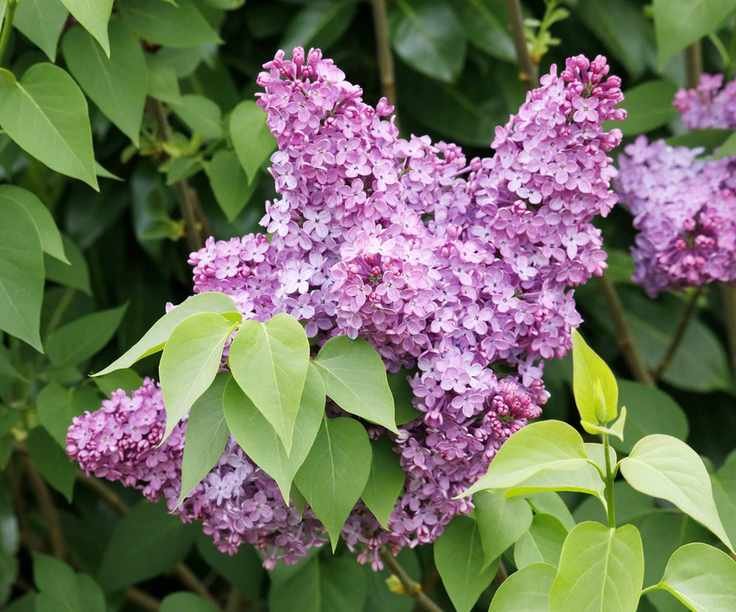
Lilacs are fragrant blooms that signify spring's arrival.
Renowned for its romantic clusters of blooms and sweet scent, lilac is a top choice among flowering shrubs.
Blooming in mid to late spring, its delightful flowers can fill your garden with fragrance, making it perfect for hedges near pathways or seating areas where their aroma can be appreciated.
To properly cultivate lilac, it's essential to provide the right conditions. They flourish in US hardiness zones 3 to 9, thriving in bright, sunny spots for the most abundant blooms.
For hedging, opt for more compact varieties and allow adequate space between plants. With minimal effort, lilac can provide decades of fragrant spring displays.
Fortunately, modern cultivars like 'Josee' bloom beautifully in warmer climates, making them accessible to more gardeners.
You can find Proven Winners® Scentara® Double Blue Lilac at Fast Growing Trees.
4. Sweetshrub
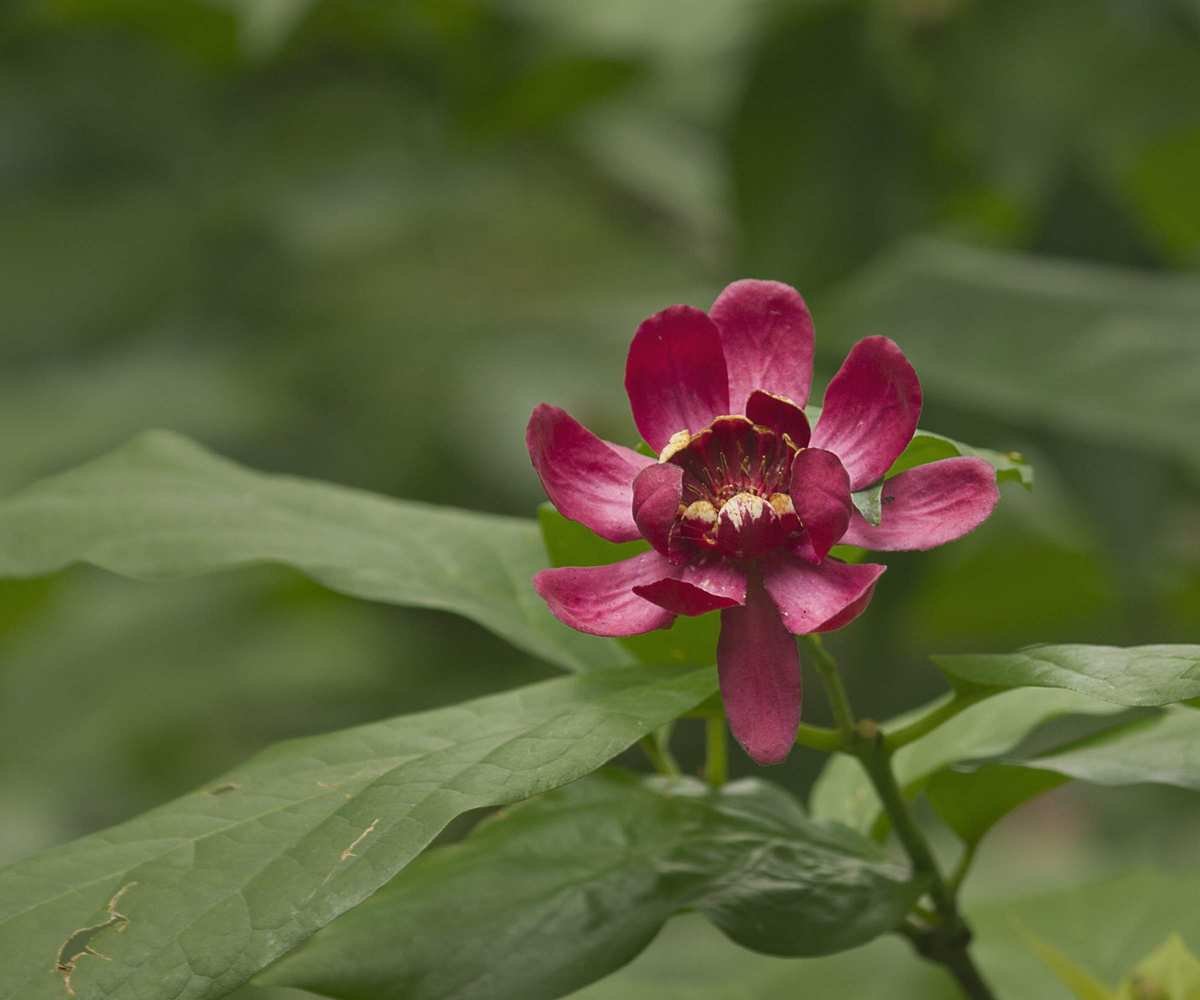
Sweetshrub plants bloom with colorful and aromatic flowers in spring and summer.
Sweetshrub, also known as Carolina allspice, is a unique native plant found from New York to Florida and can be a delightful choice for hedging.
Thriving in US hardiness zones 5 to 9, its unusual, spider-like flowers emit a light fragrance. The 'Aphrodite' variety features deep red blooms that last several weeks.
Described as having a citrus-like scent, sweetshrub blooms can remind you of banana, strawberry, and even bubblegum, depending on who you ask. This adaptable shrub grows well in both sunny and shaded areas and can be shaped into a low hedge.
Find sweetshrub plants on Amazon or purchase from Perfect Plants.
5. Pittosporum
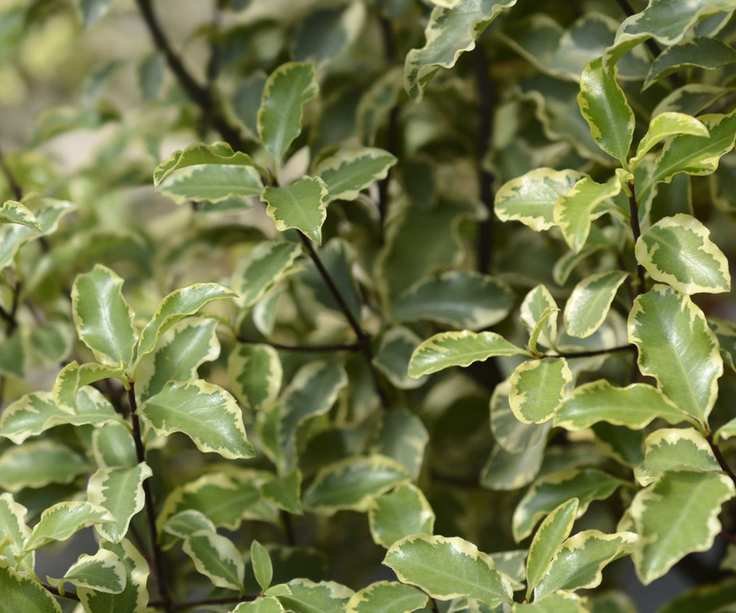
Pittosporum shrubs are evergreen, with shiny green or variegated leaves.
Pittosporum is one of the top evergreen shrubs chosen for hedging, appreciated for its glossy leaves and mild fragrance. Best suited to US hardiness zone 8 and above, it thrives in warmer climates, providing year-round privacy without feeling too formal.
While often selected for their foliage, pittosporum also produces small, dark purple or creamy-white flowers in late spring, releasing a subtle honey-like fragrance that becomes more pronounced in the evening, making them ideal near sitting areas.
When planning a hedge, pay attention to variety selection. Many pittosporum are bred to be compact, so choose taller varieties if height is a priority. They prefer well-drained soil and sunny spots, and protection from cold winds is beneficial in cooler climates.
Pittosporum shrubs can be purchased online at Walmart.
6. Abelia
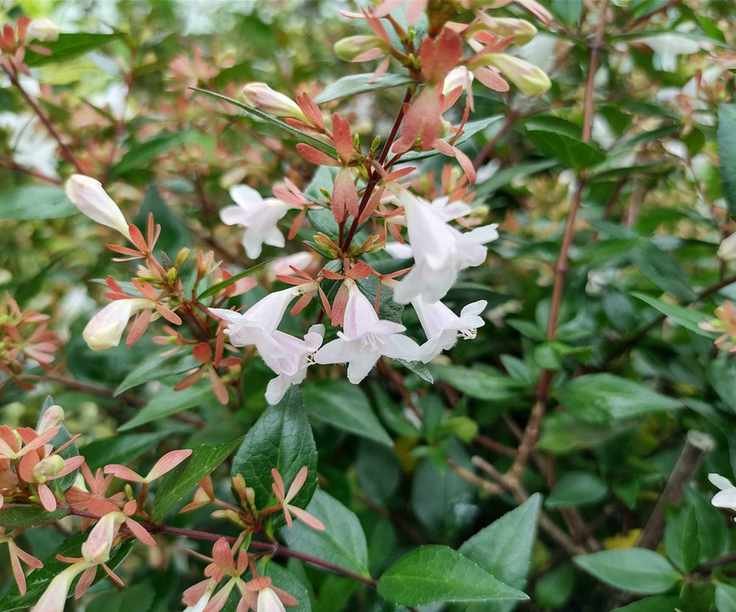
Abelia shrubs bloom with fragrant flowers from summer into fall.
Abelia shrubs produce a plethora of fragrant tubular flowers from June through fall. Generally, in milder areas, they can act as evergreens, maintaining their foliage for much of the year.
These adaptable shrubs thrive in US hardiness zones 4 to 11, favoring bright, sheltered locations. Their flowers attract hummingbirds, bees, and butterflies throughout the summer.
Planting abelia shrubs within 3 feet of each other can create a seamless hedge. With a bit of patience and occasional trimming, you'll soon have a fragrant, floral border.
A selection of abelia shrubs is available at Fast Growing Trees.
If you're planning to plant a hedge this year, consider incorporating fragrant and flowering shrubs to enrich your boundaries.
This not only benefits you but also attracts local wildlife. For additional insights on hedge planting, check out guides on creating wildlife-friendly hedges or tips for hedge maintenance and fertilization.



