
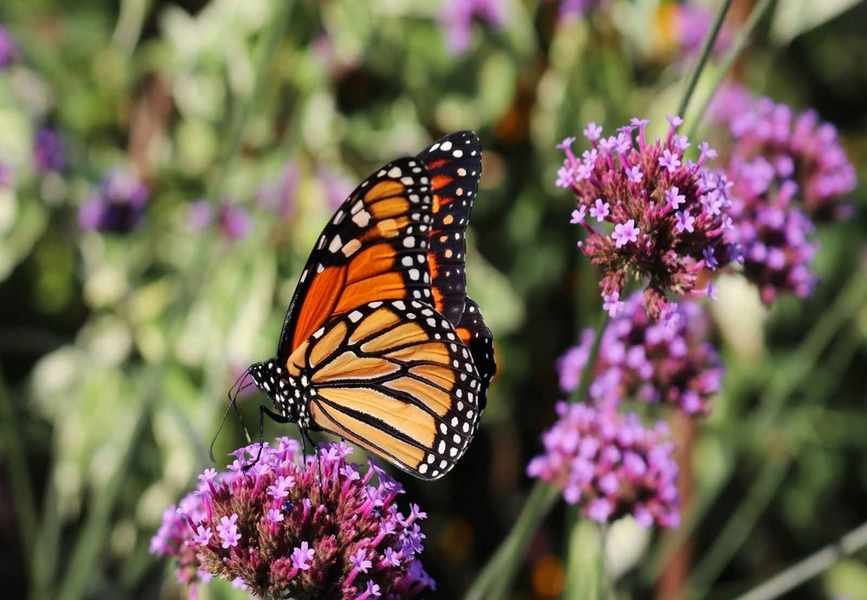
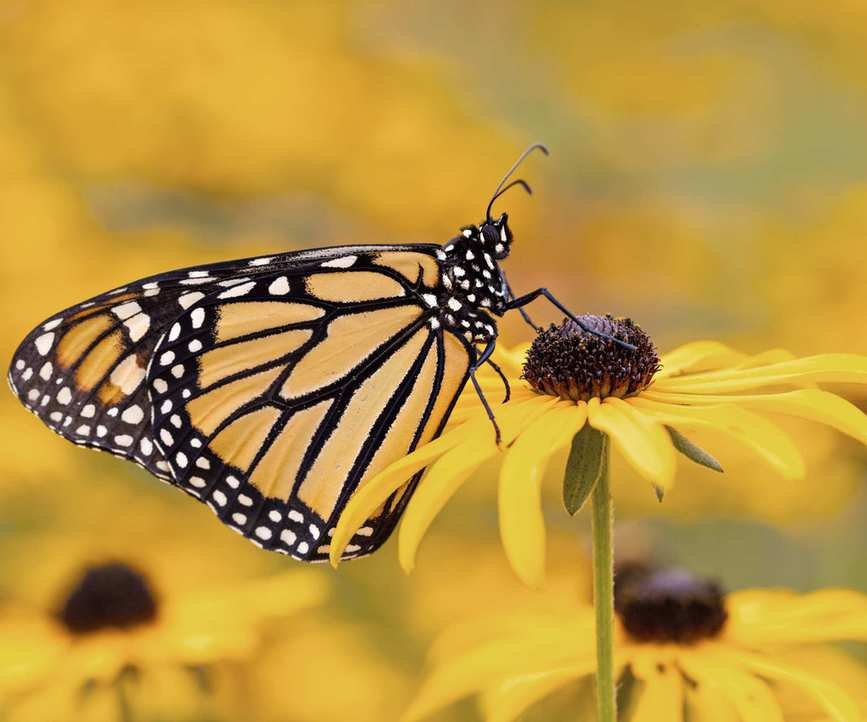
Monarch butterflies, Danaus plexippus, are among the most recognizable pollinators in North and Central America. Their striking orange and black wings make them easy to identify as they flutter around gardens. When illuminated by sunlight, their wings resemble stained glass, a truly breathtaking sight.
Every year, monarchs embark on a migration from North America to warmer regions in Mexico seeking refuge from the cold. Eastern monarchs can travel nearly 3,000 miles from the United States to Mexico, showcasing the incredible feat of such a small creature undertaking such a long journey. In certain areas, they are affectionately referred to as the wanderer, a fitting name for these extraordinary travelers.
Unfortunately, the survival of monarch butterflies is at risk. Between 1996 and 2014, the population of monarchs overwintering in Mexico plummeted by 84%. Fortunately, both urban and rural gardeners can contribute to their survival by offering food and habitat. If you're interested in attracting butterflies or exploring wildlife-friendly gardening ideas, there are simple yet impactful actions you can take.
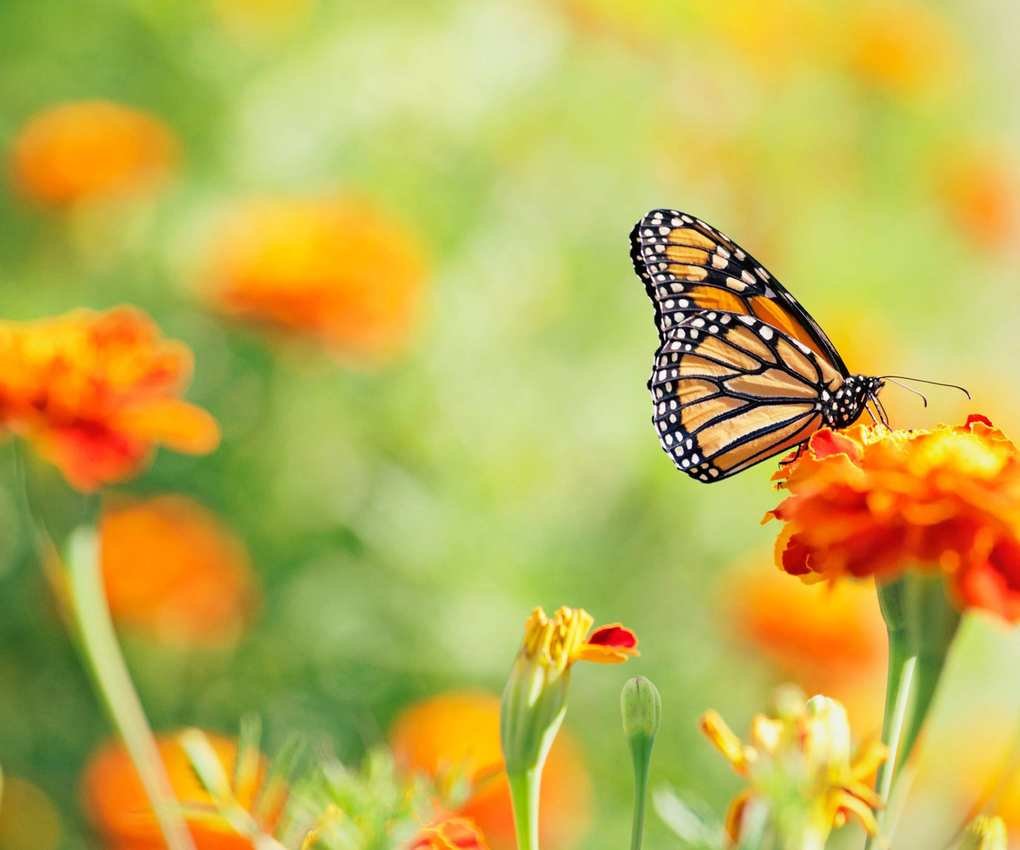
The Monarch Butterfly's 3,000-Mile Migration
Starting in August, the migration of monarch butterflies kicks off in the United States and Canada, allowing observers to spot these stunning pollinators as they head south. Their journey begins in late summer, prompted by shorter days and cooler temperatures.
In northern regions such as Washington and Oregon, migration begins earlier compared to southern states like California, where it starts a bit later.
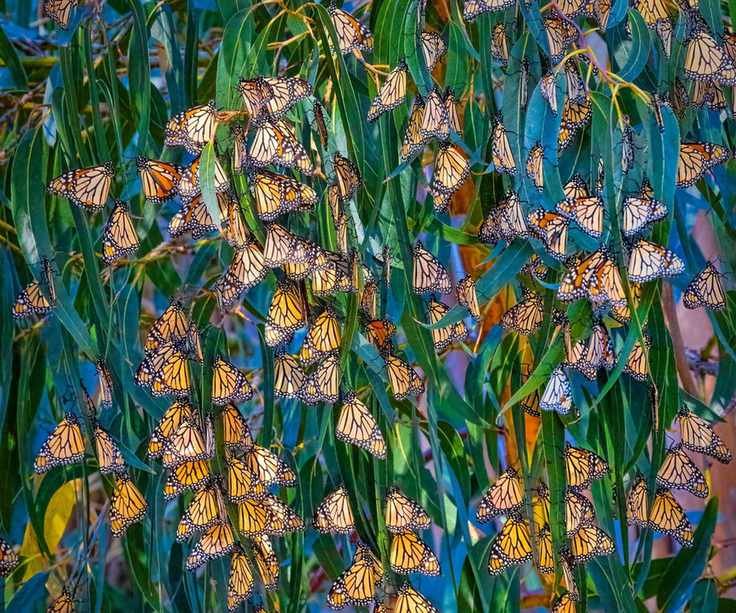
The migration journey of monarch butterflies is remarkable. It's astonishing that such a lightweight creature can cover thousands of miles to reach their winter habitats.
Many will traverse distances between 1,000 and 3,000 miles, reaching speeds of up to 100 miles per day. Monarchs typically arrive at their wintering spots by early November and remain there until spring before heading back. Their survival story is truly inspiring.
These milkweed seeds will attract various pollinators, including different butterfly types.
Why Are Monarch Butterfly Populations Dropping?
According to butterfly expert Kylee Baumle, an annual count assesses the number of monarchs overwintering in Mexico.
Because counting individual butterflies is impractical, the assessment tallies the hectares of roosting trees. While insect populations naturally fluctuate, monarchs have seen a significant decline over the past twenty-five years due to several factors.
Kylee notes, "The primary reason for their decline is habitat loss, particularly the decrease in milkweed. Monarchs exclusively rely on milkweed as their host plant for laying eggs and feeding caterpillars."
This year's count raised concerns among environmentalists, with a staggering 59% decrease compared to last year. This marks the second-lowest count since monitoring began in 1995.
Though alarming, these statistics were expected. The number of monarchs overwintering in Mexico fell by 84% from 1996 to 2014.
However, there is hope. Kylee emphasizes, "Monarchs are resilient and have rebounded before. Their future hinges on habitat restoration in the U.S. and Canada, as well as favorable weather conditions. Weather impacts all stages of their lifecycle, including temperature and drought. Good weather during breeding seasons can help them recover from low numbers."
Despite earlier concerns, Monarch Watch reported positive trends in June, with numbers stabilizing and resembling previous years.
While this news is encouraging, the extreme fluctuations in population remain troubling. Gardeners of all types are encouraged to assist these migratory wonders.
If you enjoy counting butterflies, consider purchasing a pair of binoculars from Amazon for bird and butterfly watching.

Kylee is a passionate gardener and freelance writer residing in rural Northwest Ohio. She has authored two books, including The Monarch: Saving Our Most-Loved Butterfly, available on Amazon, now in its fourth printing. Kylee also organizes annual tours to Mexico to witness the monarchs during their wintering season.
Ways to Support Monarch Butterflies
Gardeners can play a crucial role in aiding monarch butterflies. Whether you're interested in creating a butterfly garden or learning about milkweed cultivation, there are numerous steps you can take to encourage these beautiful insects. If every gardener grew just one or two milkweed plants or filled their gardens with wildflowers, we could significantly boost butterfly populations. Milkweed seeds are available on Amazon.
Kylee advises, "Adding various milkweed types to home gardens, public spaces, and even containers can make a significant impact."
"Everyone can contribute to the monarchs' survival, even if they can't garden. Engaging in conversations with those who can will help inspire others to take action."
We can all support these vital creatures by planting milkweeds and other native plants.
Additionally, refrain from trimming blooms in summer or fall. Planting late-blooming natives like goldenrods and asters provides essential nectar sources for migrating monarchs. You can find live aster plants at Walmart.
Providing water for wildlife is also essential. Butterflies require water, especially in hot summer months. Consider installing a small pond, water feature, or a butterfly puddler, which can be as simple as a shallow tray of fresh water filled weekly. Butterfly puddlers are available on Amazon.
FAQs
Identifying Monarch Butterflies
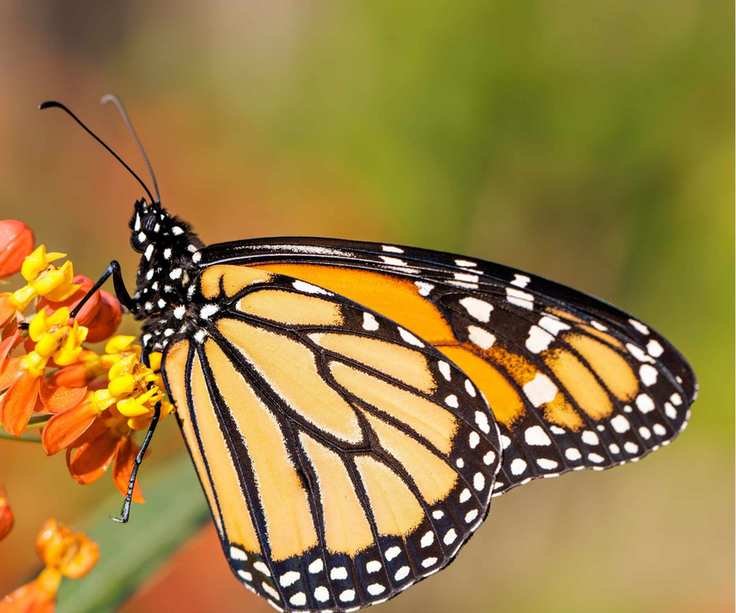
All monarch subspecies share striking similarities, showcasing vibrant orange wings adorned with black veins and a black border sprinkled with white spots. This beautiful coloration serves as a defense mechanism, deterring predators by signaling that they are toxic and unpalatable. Monarch butterflies can span up to 5 inches in width, making them one of the largest species to observe.
Other Common Summer Butterfly Species
Many stunning butterflies can be spotted in summer. Various swallowtail species are often seen in gardens during August and September, identifiable by their unique fan-like tails. The painted lady butterfly, characterized by its distinctive orange, black, red, and white marbled patterns, is also prevalent. Take a moment to relax in your garden—you might be surprised by the number of butterflies you encounter.
By incorporating native host plants into your garden, you can significantly contribute to the recovery of monarch populations. For further guidance on attracting wildlife to your yard, explore our article on meadowscaping to enhance your garden with native, pollinator-friendly plants.
For additional wildlife insights, check out our guide on warbler migration to help ensure your yard remains a safe haven for our native songbirds.
Live Milkweed Plant
With vibrant orange blooms, native milkweed is not just beautiful but essential for monarch caterpillars, providing both food and shelter.



