Making coffee can be complicated, and it's easy to stumble into common mistakes that waste time and money while ruining the flavor of your brew. But don't worry, we've made these blunders so you don't have to.
Choosing the right coffee maker for your needs is just the start. Once you've selected one, there are various factors to consider, from the type of beans to proper cleaning methods. We've gathered expert advice to elevate your coffee experience, including the importance of filtering your water. With these straightforward tips, you'll brew the perfect cup in no time.
1. Picking the Wrong Coffee Maker
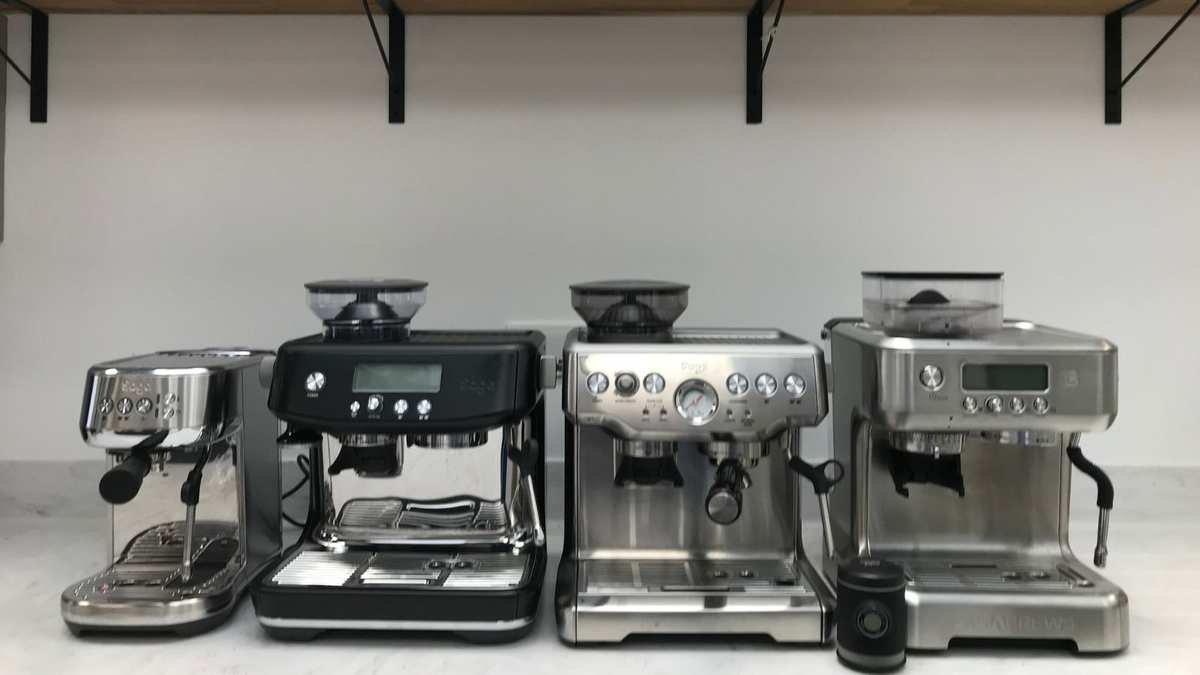
Testing espresso machines in our kitchen
It's easy to feel overwhelmed by flashy coffee makers boasting multiple features. If you typically enjoy a simple Americano, a complex machine might not be necessary.
As a quick reference: French presses offer rich, acidic coffee; pour-over machines create delicate filter coffee; drip coffee makers brew larger quantities with mellow flavors; automatic brewers provide convenience; and espresso machines are ideal for high-quality espresso but require more involvement.
By focusing on your coffee preferences, you can make smarter purchases. Here are three top-rated machines our experts recommend.
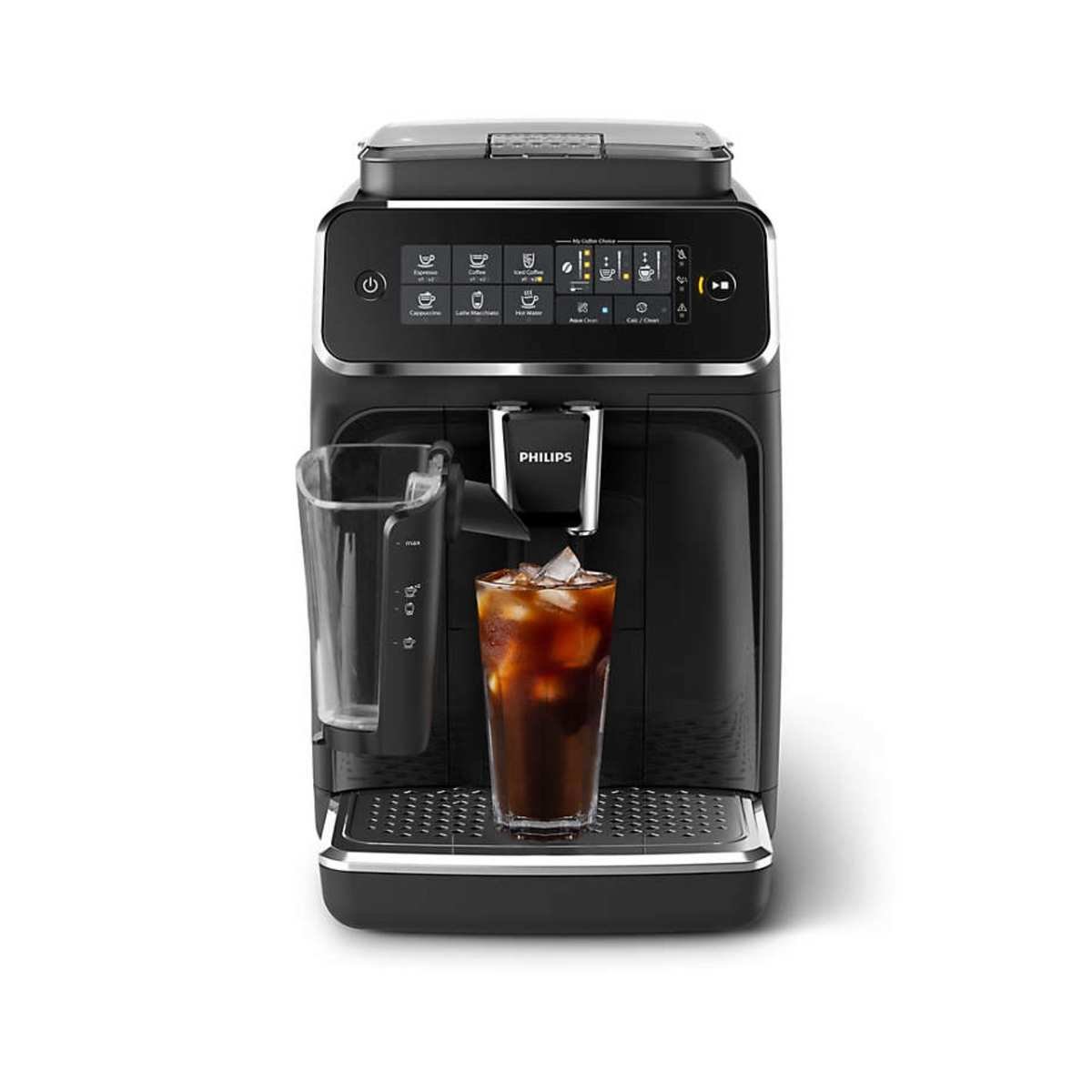
Philips 3200 Series
The Philips 3200 impressed us with its LatteGo feature, capable of making five different drinks at the touch of a button.
Read our full Philips 3200 Series review for more details.
Pros
- Brews five beverages at the push of a button
- Frother creates perfect lattes and cappuccinos
- Adjustable settings for cup size, temperature, and strength
- Compact design fits under cabinets
- Easy to maintain
Cons
- Complex setup process
- Smaller serving sizes
- Noisy operation

OXO Drip Coffee Maker
This simple but dependable machine is perfect for those who prefer mellow, filter coffee. It features a sleek design and brews up to 8 cups at once.
Check our full OXO Drip Coffee Maker review for more information.
Pros
- Includes both small and large filters
- Sleek aesthetic
- Rainmaker showerhead for even brewing
- Podless design to minimize waste
Cons
- Doesn't keep coffee warm for extended periods
- No built-in grinder
- Non-removable water tank

De'Longhi All-in-One
This versatile machine is perfect for those who enjoy both filter coffee and want to try their hand at barista-style drinks. It offers great value for its capabilities.
Learn more in our full De'Longhi All-in-One review.
Pros
- Can brew coffee, espresso, cappuccino, and lattes
- Warming plate included
- Programmable 24-hour timer
- Removable drip tray
- Built-in frother
- Brew pause feature
- Pod-compatible
- Auto shutoff
- Includes descaling solution
- Charcoal water filter included
Cons
- Gold Tone filter can be tricky to clean (use a paper filter)
- Espresso side can be noisy
- No built-in grinder
2. Choosing Cheap Beans

Great coffee begins with quality beans, making this a common pitfall. Former barista and food scientist, Jennifer Pallain, emphasizes that fresh, high-quality beans are crucial for an excellent brew. Avoid pre-ground beans or those that have been sitting too long.
'As coffee ages, it loses oils and aroma, resulting in a stale taste,' she explains. Look for beans roasted within the last four weeks for optimal flavor. To ensure freshness, consider sourcing from a local roastery and use proper storage techniques to maintain flavor.

3. Ignoring Bean and Maker Compatibility

Different brewing methods pair better with specific roasts and origins. Expert coffee writer Rebecca Wessel suggests, 'Light roasts are perfect for a Chemex, but might not be suited for espresso machines.' She favors medium to dark roasts for drip coffee and espresso. Explore flavor profiles of various beans and experiment with multi-packs to discover your preferences.

Espro P7 French Press
French press coffee pairs well with darker roasts, highlighting chocolatey flavors and balancing acidity with zesty notes.

Technivorm Moccamaster
This drip coffee maker enhances darker roasts while accentuating fruity notes, offering a refined flavor profile.

Chemex Pour Over
Pour-over coffee is similar to drip, but it allows for experimentation with lighter roasts, revealing delicate caramel flavors.
4. Overfilling Your Bean Hopper

Many mistakes stem from improper bean storage. Once opened, coffee bags are susceptible to sunlight, heat, and air, which can quickly degrade flavor. If you fill your hopper, ensure it's airtight, cool, and out of direct light.
Alternatively, consider a single dosing method, adding only the amount of beans you need. Investing in a specialized coffee canister can keep your beans fresh.
Here are three recommended canisters:
Crate & Barrel Aspen
This set is ideal for storing beans, grounds, sugar, and tea, with handy spoons included.
Le Creuset Stoneware
While not specifically for coffee, these airtight canisters effectively preserve beans.
Airscape Coffee Canister
This canister creates a vacuum seal when locked, providing optimal bean preservation.
5. Neglecting Grind Settings

Understanding grind size is crucial to flavor extraction. Coffee expert Kelsey Waddle from Roasty Coffee warns that using an incorrect grind can lead to poor flavor outcomes. For example, a fine grind in a French press can result in a gritty cup, while a coarse grind in an espresso machine may yield weak shots.
Invest in a quality grinder with adjustable settings. French presses generally require a coarse grind, while espresso and moka pots need a fine grind for the best flavors. Here are some recommended grinders:

Best Overall: Fellow Ode
Although pricier, this grinder excels in taste tests with premium features for minimal retention.

Best Manual: 1Zpresso JX-PRO
This manual grinder is compact and delivers consistent results without needing an outlet.

Best Basic: KitchenAid Grinder
This user-friendly grinder impressed us with its effectiveness, making it a must-have.
6. Ignoring Coffee-to-Water Ratios

Your coffee-to-water ratio is a personal preference, but a common guideline is 1:16. If adding milk, adjust the water accordingly. For lighter brews, try a 1:14 ratio, but don't go lower. For espresso, aim for 18 grams of coffee per 50 ml of water, which results in a 1:2 ratio. Experiment within these bounds to find your ideal brew.
7. Forgetting to Bloom Your Beans

Blooming your coffee grounds with a little water allows CO2 to escape, enhancing sweetness and reducing acidity. Just 30 seconds of this process can significantly improve your brew.
8. Using Tap Water

While it may be convenient, using tap water often leads to inconsistent coffee flavor. Tap water can contain minerals and impurities that can affect taste. For better results, opt for filtered water. Kelsey from Roasty Coffee recommends filtering your water or using a water filtration system for a cleaner taste.
9. Overlooking Brewing Temperature

Your coffee tastes best between 195 and 205 degrees Fahrenheit. This range prevents burnt flavors while ensuring proper extraction. If you use an automatic machine, this still holds true.
Barista Kayla Stavridis recalls a time she rushed and used an espresso machine before it heated properly, resulting in a sour taste. Some machines won't function unless heated, so double-check before brewing.
10. Neglecting Cleaning
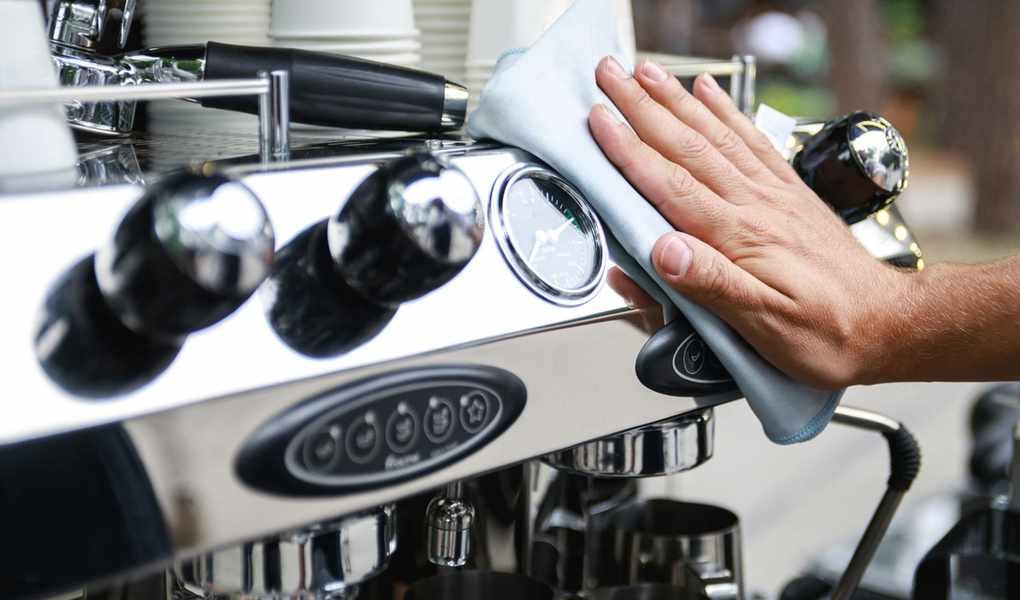
Regular cleaning is essential. Stale coffee left in the brew head or grinder can ruin your cup. Establish a cleaning routine and stick to it. Follow our guidelines on keeping your coffee maker clean, ideally after each use.
11. Not Mastering Steaming Techniques

If your machine has a steam wand, practice using it to create smooth, frothy coffee. This skill can enhance your latte art and impress your guests. For visual learners, there are numerous barista videos online to watch and learn. If you're not keen on learning, consider these machines for steaming:

De'Longhi Dinamica Plus
This machine impressed us with both cold and hot frothing capabilities, suitable for everything from microfoam to cappuccinos.
Discover more in our De'Longhi Dinamica Plus review.
Pros
- Integrated milk frother
- User-friendly touchscreen controls
- Diverse coffee options
- Simple to clean
Cons
- High price point
- Somewhat heavy
- Can create mess during frothing
- Complex setup process

Jura ENA 8 Automatic Coffee Maker
This machine stands out for its quiet grinding and excellent milk frothing. You'll need to purchase the frothing jug separately, but it's worth it.
Read our Jura ENA 8 Coffee Maker review for more insights.
Pros
- Quiet operation
- Fully customizable settings
- Adapts to water hardness
- Works with both grounds and beans
- Removable water tank
Cons
- Power switch located at the back
- Small bean container
- Separate milk dispenser required
Experiment with Coffee

Coffee is not a one-size-fits-all beverage. Don't hesitate to explore various grinds, settings, and beans. It's easy to fall into a routine, but coffee makers have much to offer. If you have a French press, consider trying cold brew. If you own an automatic machine, experiment with different options. Trying new beans can lead to delightful discoveries.
FAQs
What should I avoid with a coffee maker?
Common pitfalls include leaving your machine plugged in, neglecting cleaning, and purchasing low-quality beans. Review our tips to prevent waste and enhance your brewing experience.
Is there a wrong method for making coffee?
Your brewing method influences the flavor, but no approach is inherently wrong. As long as your result is a balanced, smooth cup, you're on the right track. Follow our best practices to refine your technique.
What happens if I overfill my coffee maker?
Overfilling won't ruin your brew, but it can waste coffee. Limit your quantities by measuring with a scoop.
Should I clean my coffee maker after each use?
Yes, especially after using the steam wand to froth milk. Clean it immediately to prevent residue. Regular maintenance improves flavor and extends your machine's lifespan.

Don't fret if you've made some mistakes; many of us have been there. Bad habits, from infrequent cleaning to skimping on quality beans, can add up and affect your coffee's taste. Focus on correcting these issues and remember to enjoy experimenting with different flavors and methods.