
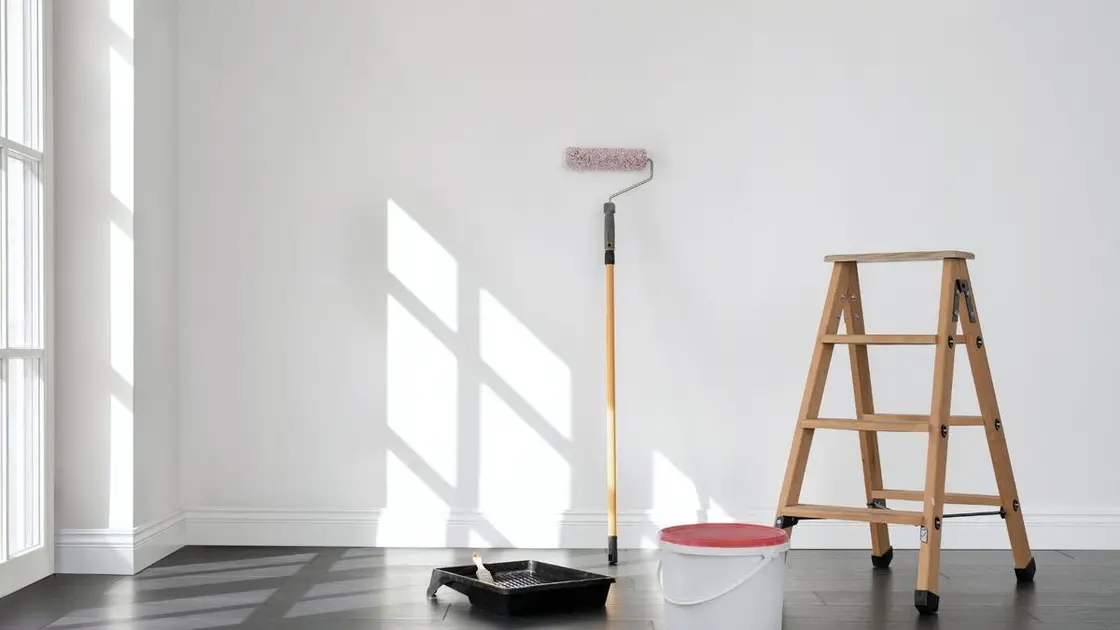
With more homeowners tackling their own painting projects, it's crucial to gather expert advice to ensure a successful result every time. Achieving a great finish can be easier when you're aware of common pitfalls and best practices.
Painting a wall may seem straightforward, as it involves applying paint to a flat surface with a brush or roller. However, there are several mistakes that can arise, particularly when it comes to painting ceilings or adding detail to trim.
Here are top tips from professional painters to help you achieve a stunning paint job on your own.
Key Tips for Interior Painting
Mastering the art of painting takes time and practice, but with these expert tips, you can nail your project on the first try.
1. Invest in High-Quality Tools
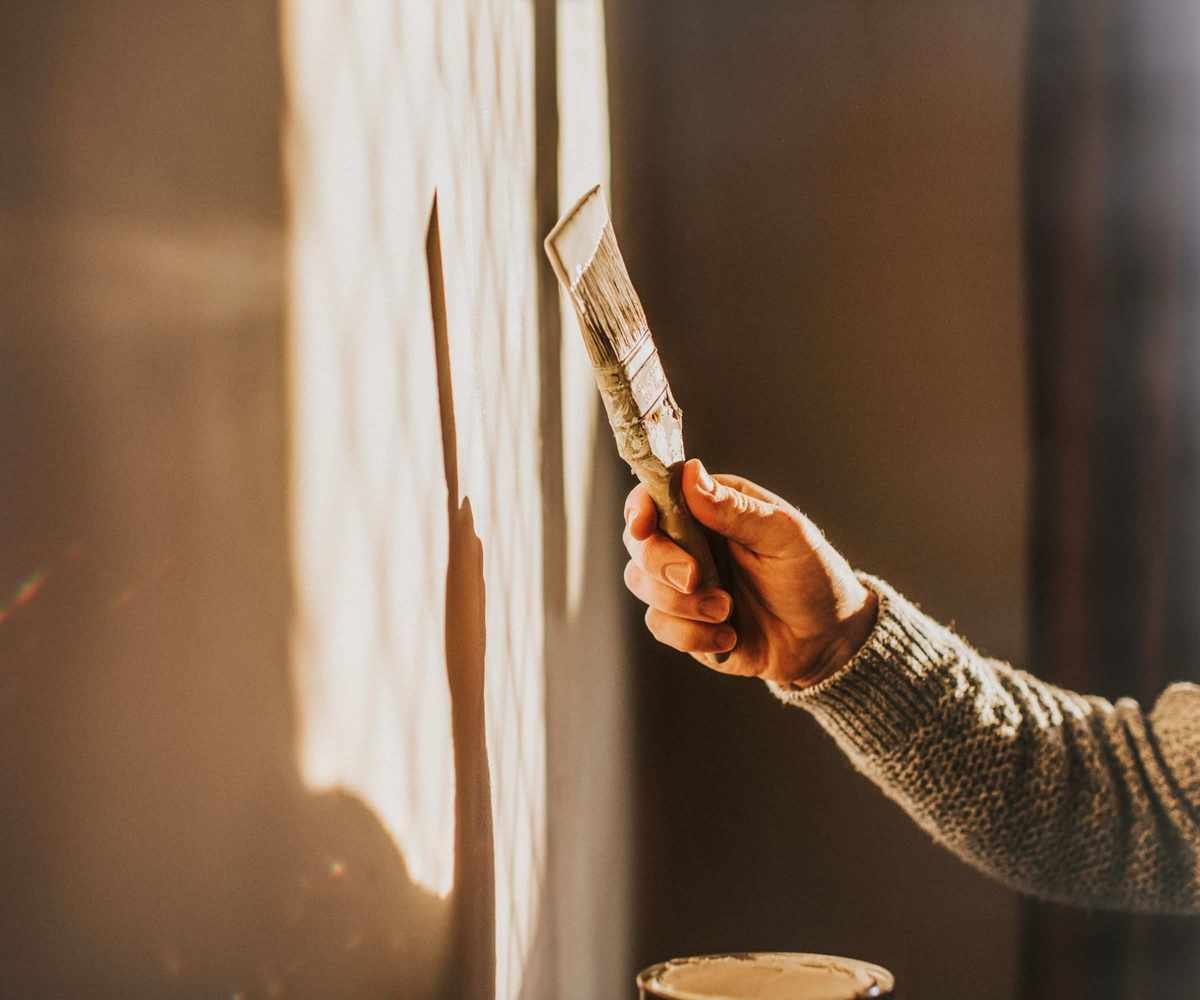
While it might be tempting to prioritize paint quality over tools, using cheap brushes and rollers can significantly affect your finished product. Michael Bashari, a painting expert, warns that inferior tools can lead to a less-than-ideal finish, requiring more touch-ups later. A quality brush or roller holds more paint, allowing for greater coverage with fewer reloads.
George Crew, a licensed contractor and professional painter, suggests using a thicker roller, like ¾ inch, to minimize lap marks while painting.
2. Choose the Best Paint
Even the finest tools won't guarantee a flawless finish without high-quality paint. As you select your paint colors, consider where your budget can stretch. Opting for premium paint allows for savings elsewhere, like settling for mid-range brushes, but remember: you often get what you pay for.
3. Combine Your Paint Cans
If multiple cans of the same color are needed, contractor George Crew recommends "boxing" them together. This entails mixing all cans of the same color in one container to prevent noticeable differences in shade.
"Different cans can vary slightly in color," he explains. "Mixing them ensures a consistent color throughout your project."
Use a 5-gallon bucket from Walmart for this mixing process.
4. Repair Walls Before Painting
Walls can be prone to dents and cracks, especially in high-traffic areas or after removing wallpaper. For a smooth paint application, it's advisable to fix any imperfections at least 24 hours before you start painting, according to contractor Jay Sanders. Use a premixed repair putty like Gorilla, available on Amazon.
Ensuring your walls are smooth will improve the final appearance of your paint job.
5. Maintain a Wet Edge
Nick Slavik, a professional painter and Purdy partner, emphasizes the importance of keeping a wet edge while painting. This means that the cut-in and rolled areas should dry together to create a seamless finish, avoiding issues like "hatbanding" and "flashing."
"I recommend cutting one wall at a time and then rolling it, ensuring that the cut edges are still wet when you roll," he advises.

Nick Slavik has over 29 years of experience in the craft, having received multiple national awards for craftsmanship and hosting the weekly show Ask a Painter Live.
6. Use Primer
Adding a primer is crucial for achieving even paint coverage, especially if your walls are not in optimal condition. Jay Sanders suggests using a tinted primer to match your paint, which can help hide imperfections. Many home improvement stores offer mixing services to create a tinted primer tailored to your wall paint.
7. Always Apply Painter's Tape
Painter's tape is a must for protecting trim and window frames. Although it may feel tedious, this preparation simplifies clean-up and enhances the final look. George Crew advises knowing when to remove the tape: some prefer to take it off immediately to prevent peeling, while others wait for it to dry.
If you opt for the latter, use a utility blade to cut along the tape before removing it smoothly at a 45-degree angle.
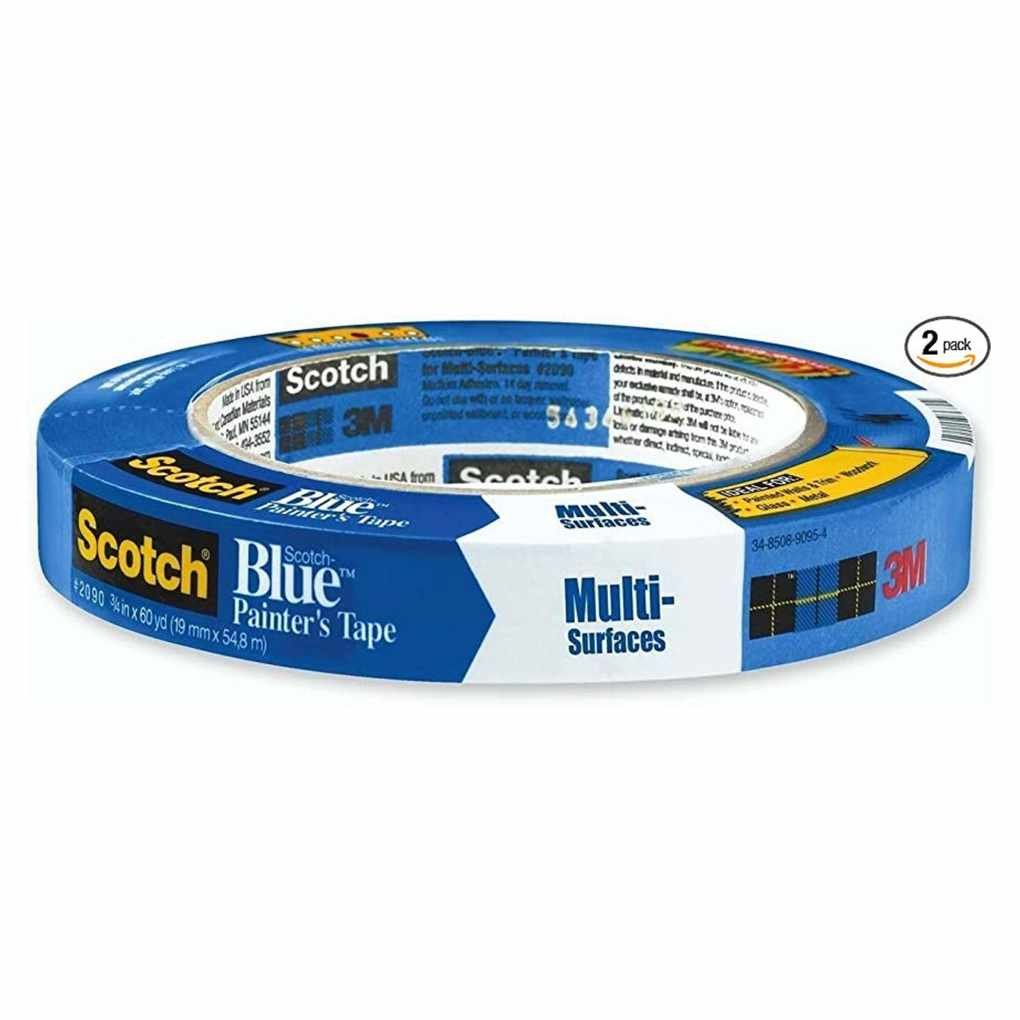
Removes cleanly and easily for up to 14 days without leaving adhesive residue.
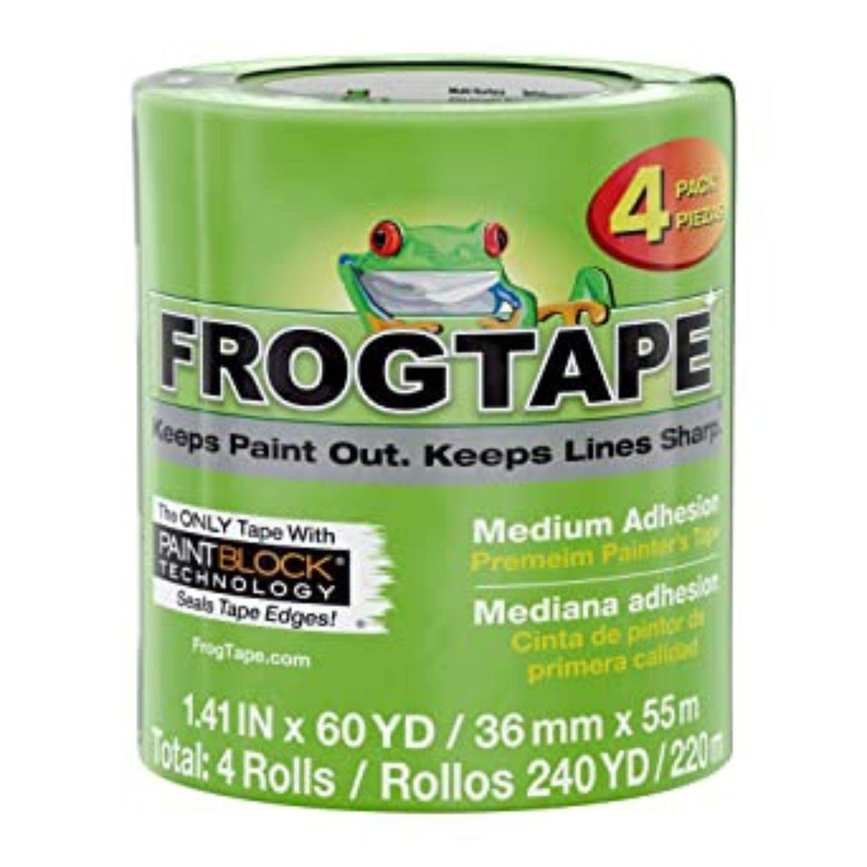
Treated with PaintBlock Technology that seals tape edges for very sharp paint lines.
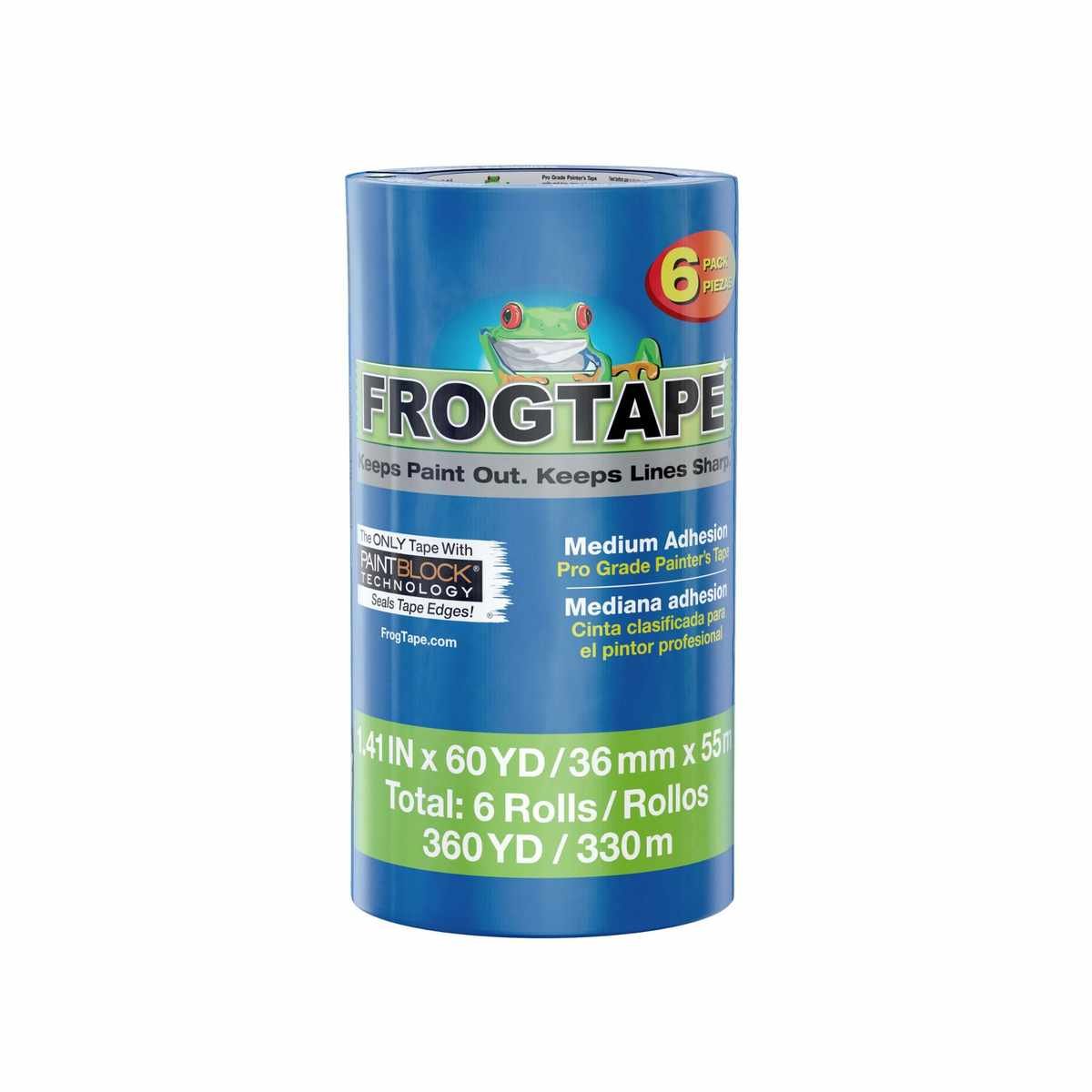
Combines the sharp paint lines of PaintBlock Technology with the value of traditional blue painter's tape.
8. Use Generous Amounts of Paint
A common suggestion from experts is to load your roller with a sufficient amount of paint. Failing to do so can result in a patchy finish. Alec Willard, a Purdy professional painter, advises against applying inconsistent pressure while rolling to prevent uneven coverage.
9. Clean Surfaces Before Painting
Cleaning walls prior to painting is essential to achieving the best results, even if the walls seem clean. George Crew emphasizes that proper surface preparation is vital for a successful paint job. Use products like TSP, available on Amazon, to thoroughly remove dirt and grease.
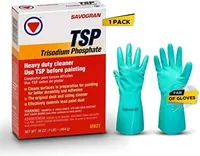
TSP Heavy Duty Degreaser | $19.95 at Amazon
TSP is a powerful degreaser, but remember to wear gloves and long sleeves for protection.
10. Wrap Tools to Avoid Cleaning
To save time on cleaning your brushes and rollers between coats, wrap them in plastic to keep them moist. This allows you to jump right back into painting without interruption.
11. Sand Trim Between Coats
Don't forget about the trim—it's just as important as the walls and ceiling. George Crew recommends sanding between coats to achieve a smooth finish. Use a fine-grit sanding sponge and a tack cloth, available on Amazon to remove dust before applying more paint. It's best to paint the trim prior to the walls for a more efficient process.
12. Take Your Time
Michael Bashari reminds us that rushing can lead to mistakes like drips or uneven coats. Painting is not a race; take your time to ensure everything is done right. Enjoy the process and learn as you go.
FAQs
What is the best order for painting a room?
According to George Crew, start from the top with the ceilings to avoid splatter on the walls or trim. After that, paint the trim, allowing it to dry before finishing with the walls.
Do professional painters wash walls before painting?
Yes, professional painters always clean walls before starting. Dust and grease can hinder paint adhesion and result in an uneven finish. Professionals even dust backing paper before painting, ensuring everything is ready for a clean application.
These tips are perfect for implementing creative paint ideas in your home. Don't forget to ventilate your workspace by opening windows and using fans for a more comfortable painting experience.



