
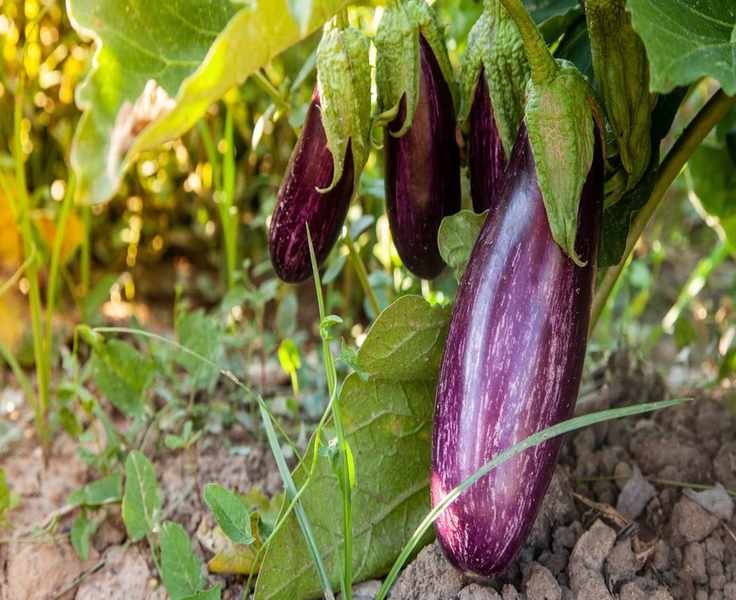
Learn the art of growing eggplant, and you'll be rewarded with a bountiful harvest. These sun-loving plants embody the flavors of summer.
If your climate boasts warm, sunny conditions, eggplants are a delightful and straightforward choice for your garden.
Known as brinjals, eggplants have been cultivated in Southeast Asia for thousands of years. Though commonly thought of as a vegetable, they are technically a fruit and belong to the nightshade family.
Rich in vitamins B1 and B6, as well as magnesium and fiber, eggplants are a seasonal delight that every gardener should consider for their garden, whether in a tasty moussaka or grilled over an open flame.
Growing Eggplant: The Best Conditions
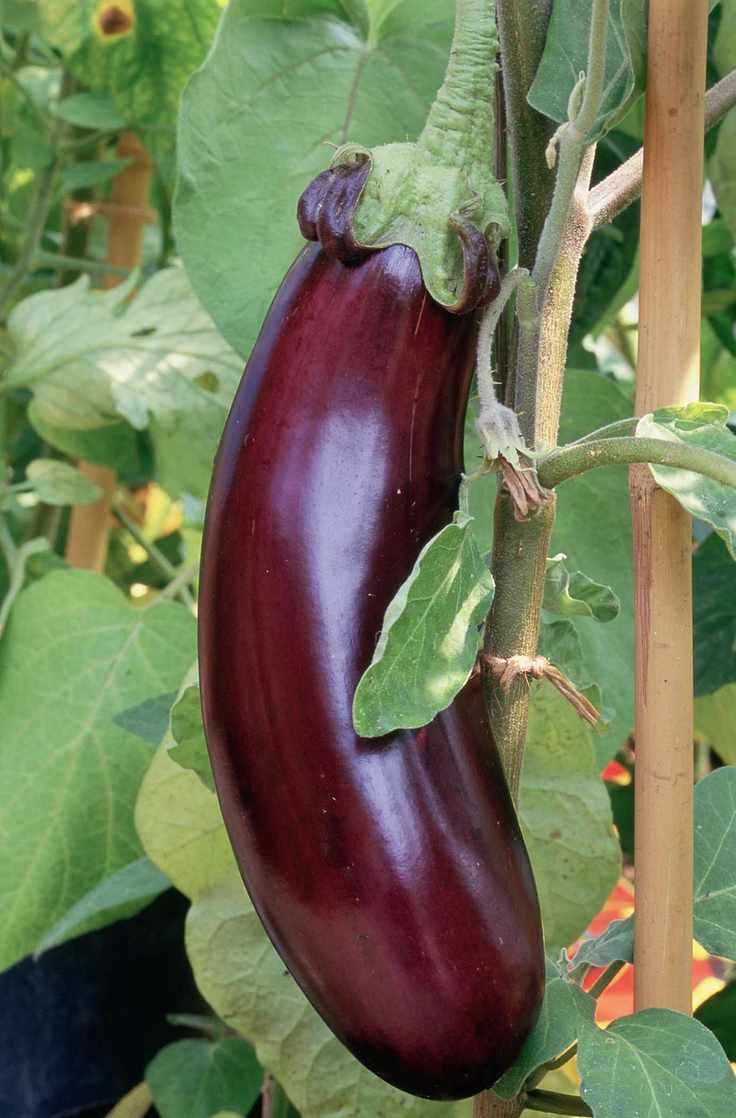
In South Asia, eggplants are often treated as perennials, but in many regions, they are grown as annuals.
Like their nightshade relatives, such as peppers and tomatoes, eggplants produce fruit on their branches. To successfully grow eggplants, ensure the following conditions:
- They need at least six to eight hours of full sunlight each day.
- They thrive in rich, moisture-retaining soil.
- Ideal temperatures range from 70°F to 85°F (21 to 29°C).
- They are best suited for USDA hardiness zones 9-12.
Attempting to grow eggplants in cooler climates may hinder their growth. Thus, they are perfect candidates for greenhouses where they can bask in warmth or for sunny spots in a container garden.
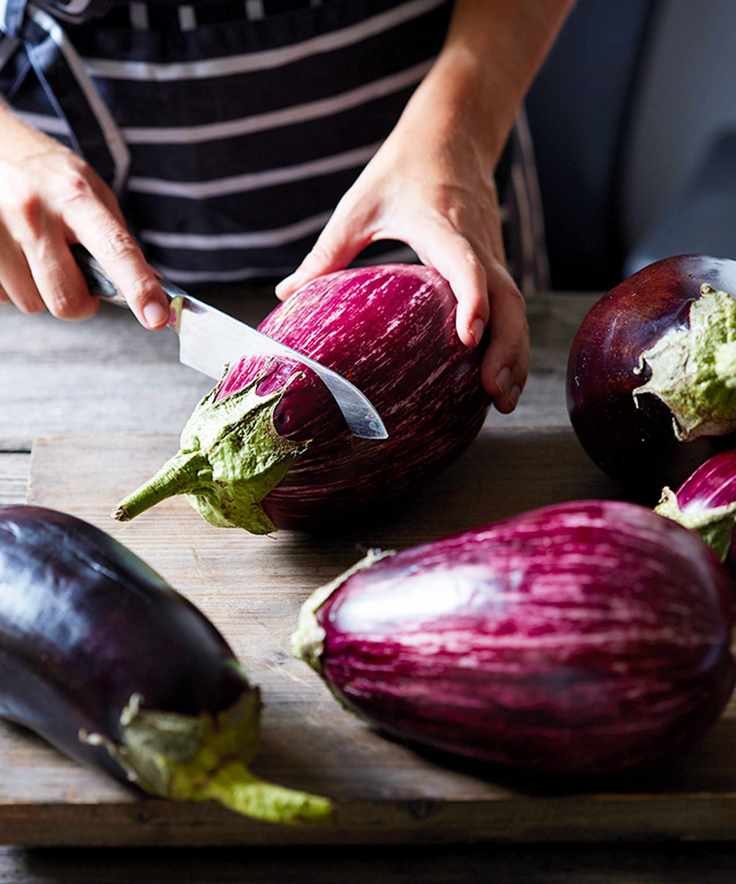
While we often envision eggplants as dark, bulbous fruits, they actually come in a variety of colors including white, green, purple, and even striped. Their diverse appearance makes them attractive enough to be used as ornamental plants.
"I absolutely love growing eggplant. They're incredibly versatile for countless recipes, and the variety of colors and shapes is delightful, not to mention their fantastic taste," shares Steff Hafferty, a garden author and food writer known for her expertise in no-dig gardening.
Starting Eggplant from Seed
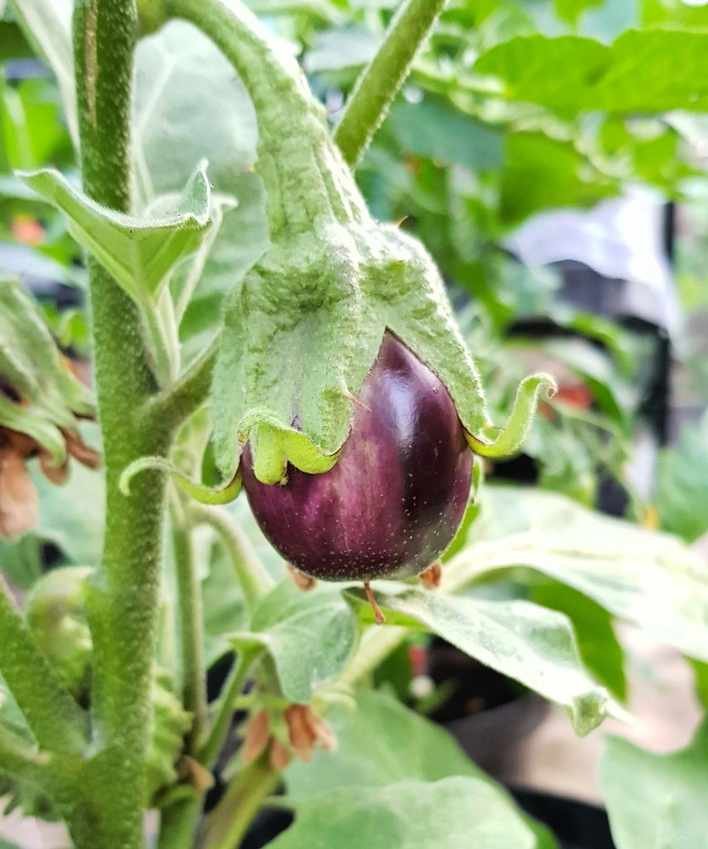
Since eggplants require a long growing season of up to six months, it's best to start seeds indoors about six to eight weeks before the last expected frost in your area. Mark this date on your calendar as a reminder for vegetable planting.
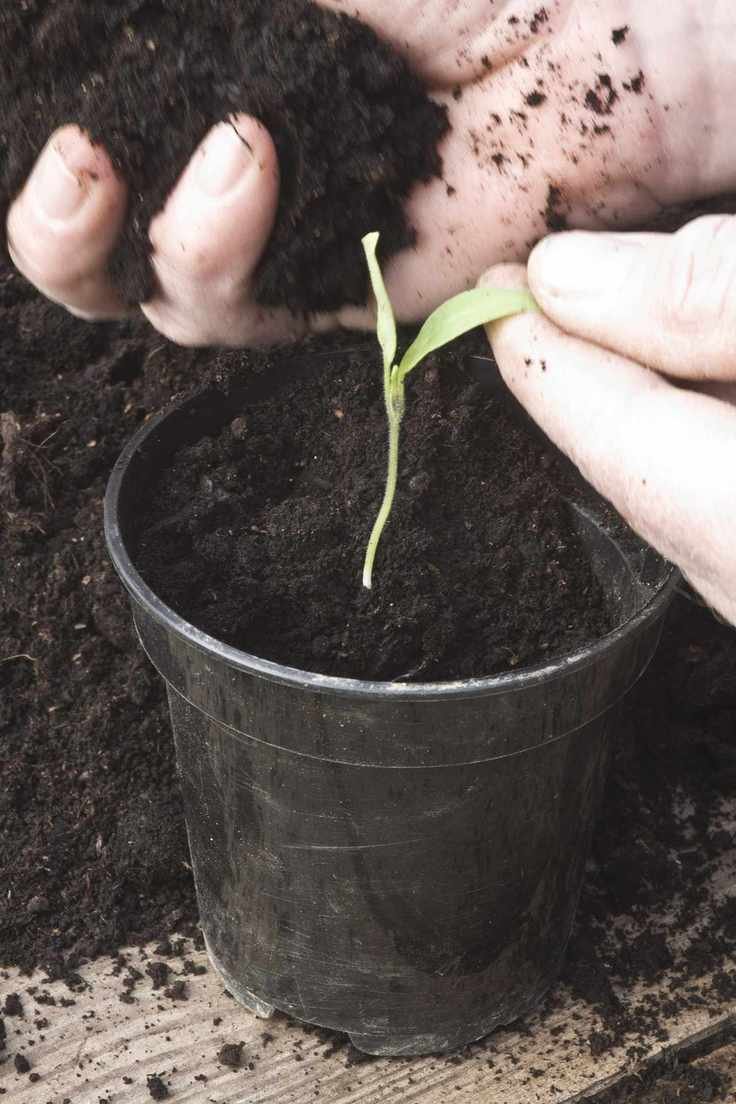
To sow seeds, use a nutrient-rich compost mix and plant two seeds per small pot, positioning them half an inch deep. You can thin out the weaker seedlings later.
Ensure the soil remains warm and moist by placing the pots in a sunny location, like a windowsill or a heated greenhouse. Germination typically occurs within 14 to 21 days. Once roots start emerging from the bottom of the pots, transfer them into larger containers.
Transplanting Eggplants Outdoors
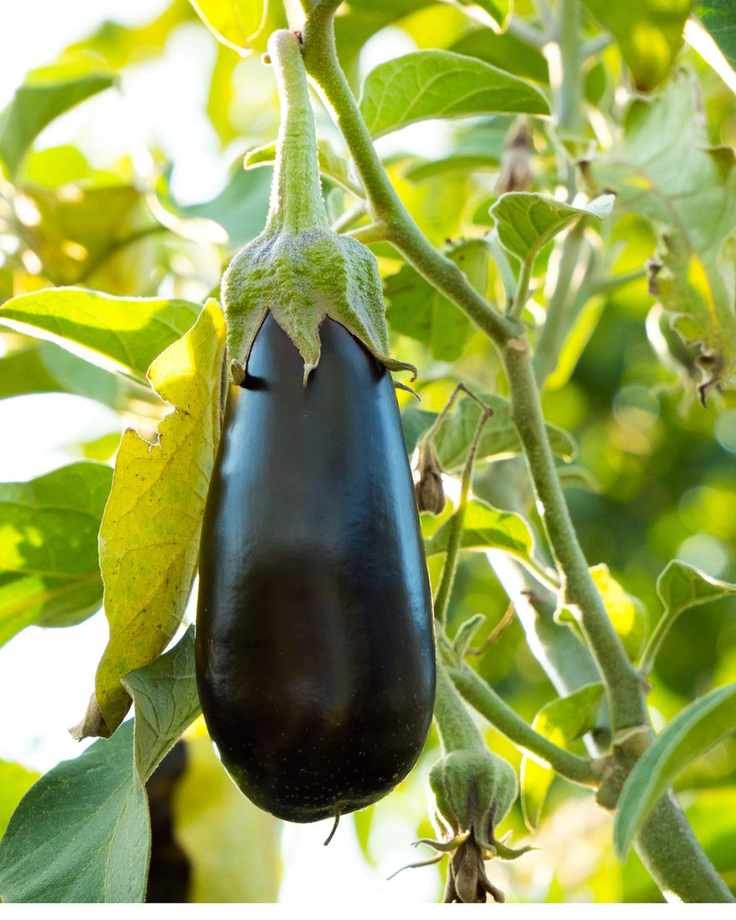
Young eggplants can be moved outside once the threat of frost has passed and nighttime temperatures consistently reach 60°F to 65°F (15-18°C).
Before transplanting, enrich the soil with plenty of organic matter, such as homemade compost. If the soil temperature is still low, consider warming it for a week or two by covering the area.
Planting Eggplants Outside
Space eggplant seedlings 24 to 30 inches (60-75 cm) apart, with rows 36 inches (90 cm) apart. Water thoroughly and add mulch around the base of each plant to retain moisture.
Since eggplants can become top-heavy with fruit, incorporate a support structure, such as a cane or trellis, during planting.
Initially, eggplants may need extra warmth and shelter until they establish. Use row covers for protection but remember to remove them during the day to allow pollinators access to the flowers. Once fruit forms, begin a regular feeding schedule.
Container Gardening with Eggplants
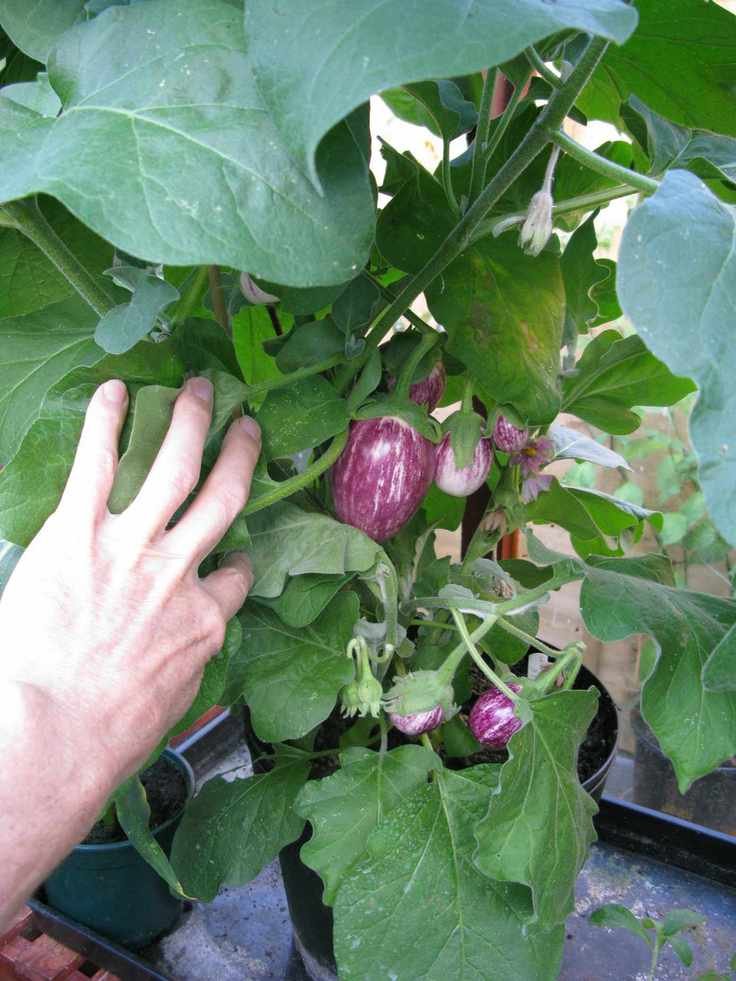
If garden space is limited, you can successfully cultivate eggplants in containers.
Limit to one plant per five-gallon pot, preferably using a dark-colored container, which absorbs more heat. Keep the soil consistently moist, ensure proper support for the plants, and feed regularly since nutrients will deplete quickly in containers.
Smaller varieties of eggplants are particularly well-suited for pot cultivation.
If your local daytime temperatures are not very high, consider keeping eggplants in containers within a greenhouse throughout the growing season.
Harvesting Eggplants
Fortunately, determining when to harvest eggplants is simpler than growing them. Typically, they can be harvested from mid-summer onward. Most varieties will signal readiness as their skins turn glossy and smooth.
When you gently press the skin, it should leave an indent. If the skin becomes dull, the fruit is likely overripe and may taste bitter.
Use a sharp knife to cut the fruit from the plant, leaving about an inch of stem attached. While eggplants can be stored in the refrigerator for up to a week, they are best enjoyed fresh.
Popular Eggplant Varieties to Grow
Some excellent eggplant varieties to consider include:
- Black Beauty – a classic black eggplant that yields four to six fruits per plant.
- Little Fingers – ideal for container gardening with their finger-sized black/purple fruits.
- Easter Egg – typically white and often grown for ornamental purposes rather than consumption.
Historically, eggplants were only available in small, white varieties resembling hanging eggs, hence their name. Regardless of the variety chosen, eggplants are a valuable addition to any productive garden.
Timeframe for Growing Eggplants
Patience is essential when learning how to cultivate eggplants, as they take a considerable amount of time to grow – typically between 100 to 120 days from seed to harvest.
Ensuring ample sunlight and heat is crucial for successful growth. These tropical plants thrive best in a greenhouse where optimal conditions can be maintained.
Are Eggplants Simple to Grow?
With the right warmth and sunlight, eggplants are relatively easy to cultivate. Some gardeners opt to prune them to enhance yields, but this is not mandatory. Be mindful of potential pests and diseases. Incorporate companion planting with beneficial crops or flowers to help deter pests.
Flea beetles – can create small holes in the eggplants, weakening them and stunting fruit growth. Allowing plants to grow larger before transplanting can help them withstand potential attacks.
Aphids – can be removed by hand or deterred by spraying with a mild, soapy water solution. Permaculture techniques that avoid chemical interventions are preferred.
Verticillium wilt – a soil-borne fungal disease that can cause wilting. Consider planting disease-resistant varieties and practice crop rotation each season.



