Letting go of clutter can be challenging, especially when it comes to sentimental or expensive items. Many belongings hold emotional value, and parting with them might feel almost wrong.
However, professional organizers agree: just because something was once cherished doesn't mean it needs to stay in your home indefinitely.
Here are 12 items that might seem too hard to declutter – and the reasons why it's perfectly fine to let them go.
1. Printed Photos
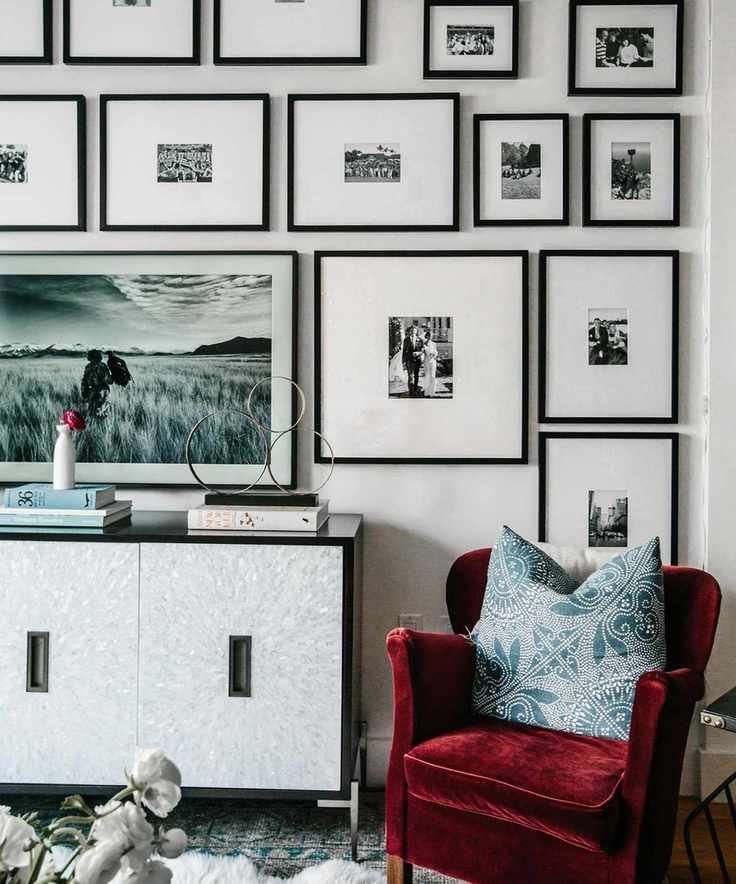
Printed photos are the first category professional organizers encourage you to consider letting go.
While photos capture precious moments, stacks of them can quickly become clutter. Karina Toner, operations manager at a cleaning service, notes, 'It's natural to want to keep printed photos; they're tangible reminders of moments that shaped us. But over time, they can take up space and feel more like clutter.'
Physical photos are not the most practical way to preserve memories. They can fade, get damaged, or become disorganized. Digitizing photos is a smart way to retain the memories while clearing physical space. Name files clearly while scanning for easier access later.
Once digitized, you can donate or recycle physical copies, especially if they contain personal information.
All prices were correct at the time of publication.
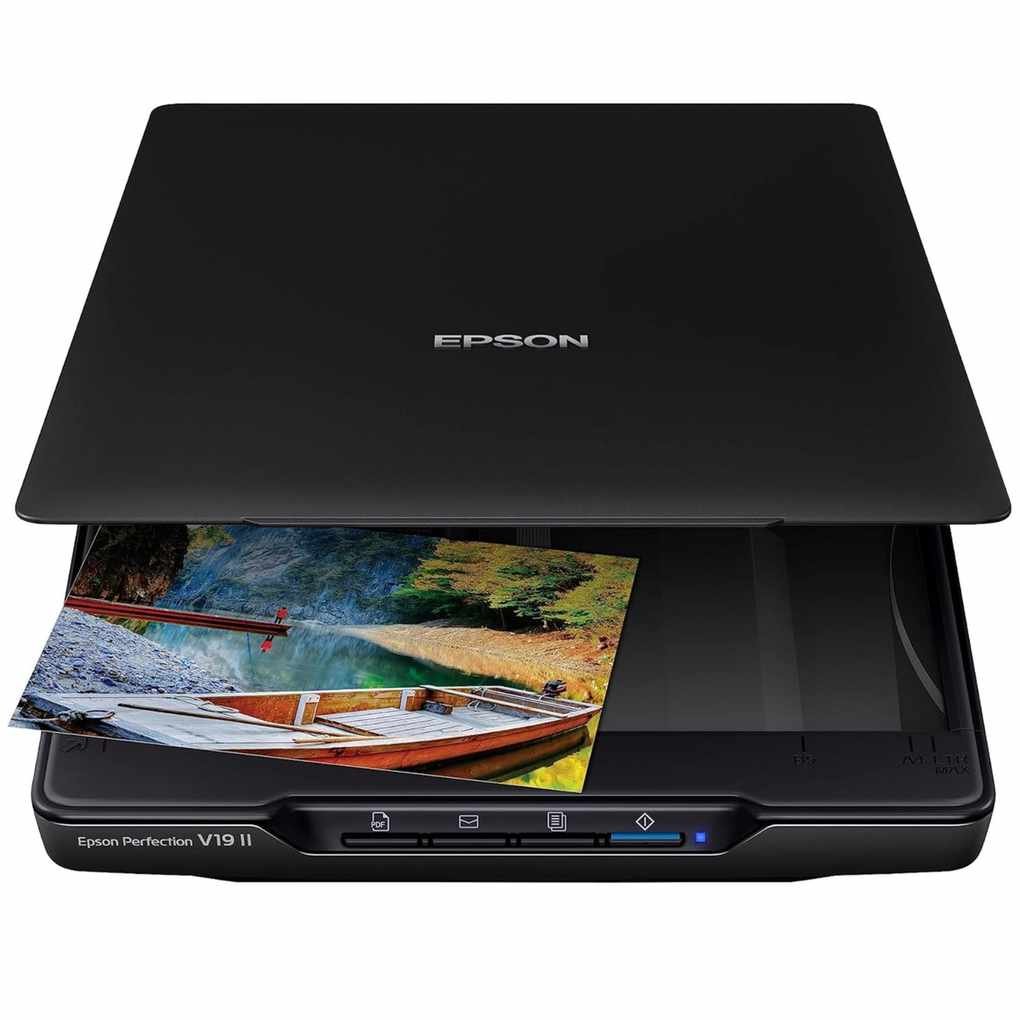 Compact design
This compact scanner offers excellent image quality and is perfect for digitizing your photo collection.
 10-inch screen
This digital photo frame allows you to display a rotating collection of your favorite memories.
 1600-photo capacity
If you must keep some photos, consider this organizer, which holds a substantial amount while protecting them from dust.
2. Kids' Artwork
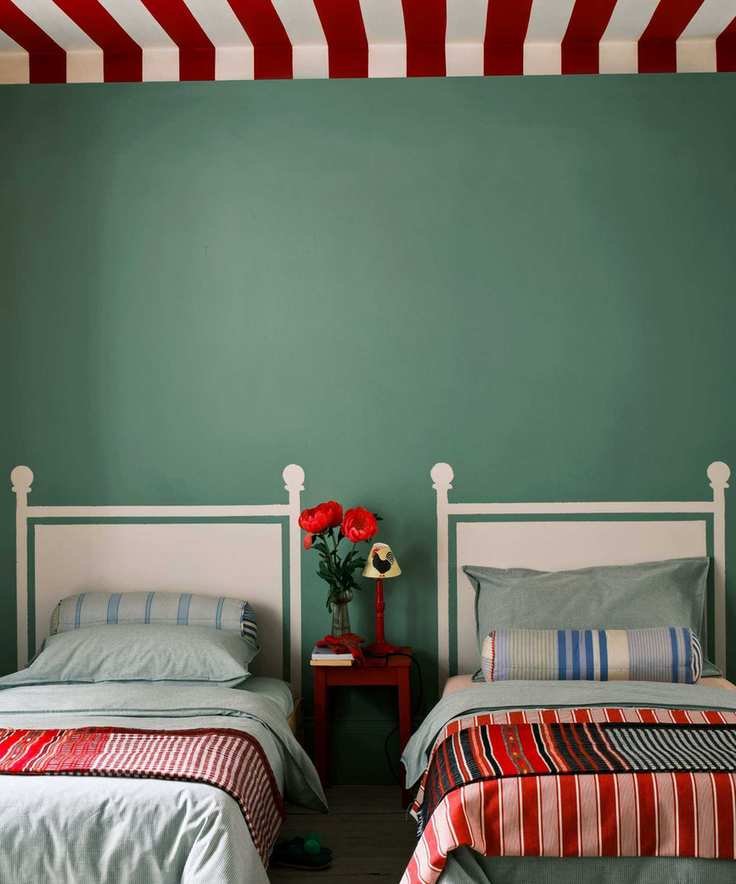
Letting go of kids' artwork can help clear space.
You don't need to keep every piece of your child's artwork. Instead, create a curated collection or a digital archive to preserve memories without the clutter.
Audra George, a professional organizer, advises, 'Children produce so many art projects that it's impossible to keep them all. Keep only the best from each year or take photos and create a digital album. You can also use a kids' art frame to display selected pieces.
3. Expensive Clothes
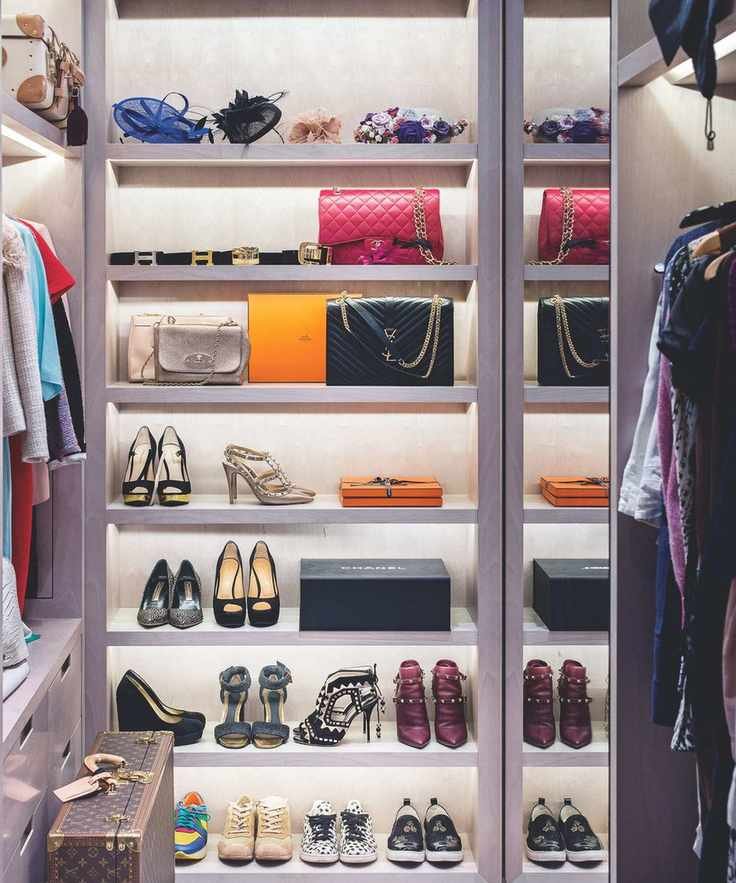
Keep only the clothes and accessories you truly wear.
It's easy to hold onto costly clothing for 'just in case,' but if they no longer fit or suit your lifestyle, they're taking up valuable space.
Toner mentions, 'Letting go of pricey clothing can be tough due to guilt. But if it doesn't fit or you don't wear it, it's simply taking up space. Styles and bodies change.'
Try items on one last time, then donate or sell what you won't wear soon. Ask if you'd buy it today – if not, it's time to let it go.
4. Fancy Tech Boxes

Tech packaging can take up unnecessary space.
If you keep boxes for tech devices, consider their purpose. Unless you plan to resell soon, they likely take up unnecessary space.
Toner states, 'Premium tech packaging feels nice, but once the warranty is over, it serves no real function. Those boxes accumulate quickly. If you don't need them for resale, let them go.'
5. Cards and Letters
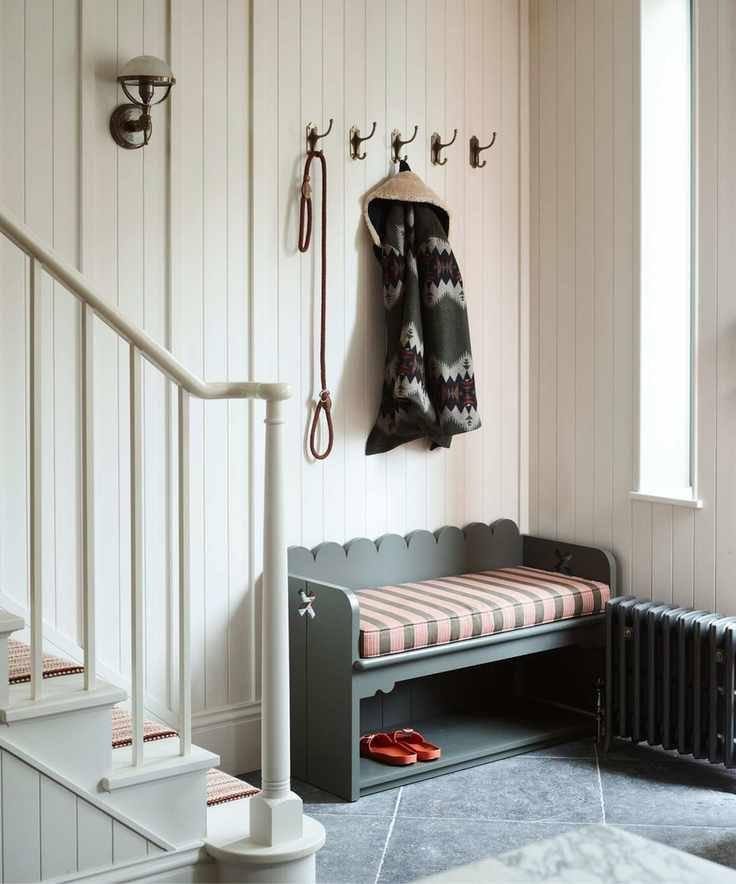
Sentimental notes can clutter your space.
It's okay to part with cards and letters; keep only those with meaningful messages. George suggests, 'If a card lacks a personal touch, it's okay to let it go. Capture meaningful sentiments with a photo instead.'
6. Baby Items
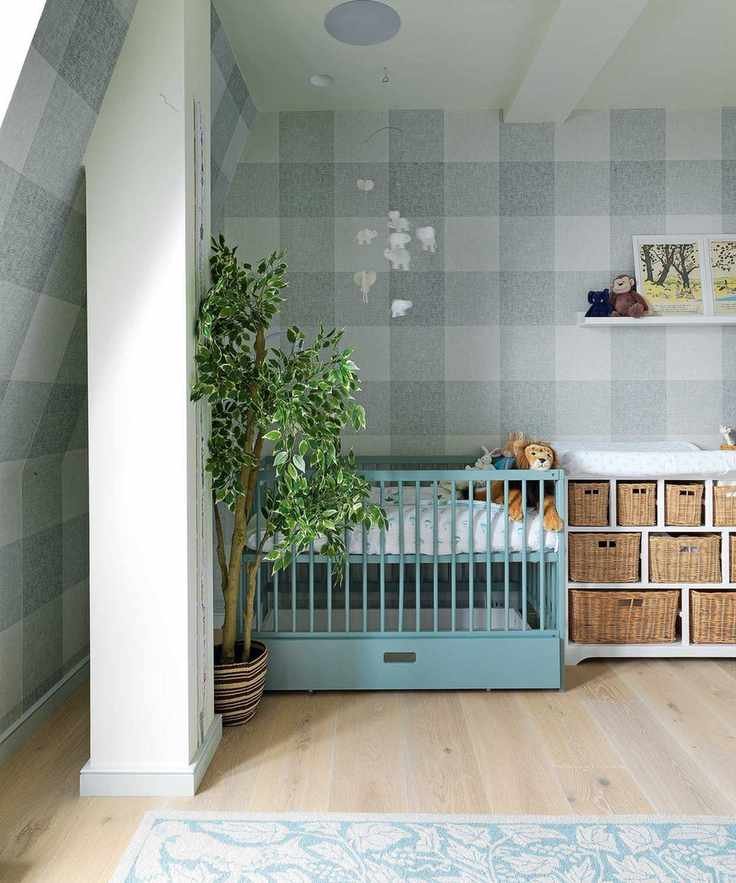
Letting go of baby items can clear emotional and physical clutter.
While baby items may hold sentimental value, keeping too many can lead to overwhelming clutter. Amélie Saint-Jacques recommends limiting what you keep. Store only items with significant memories and consider donating the rest.
7. Medicines

Regularly check your medicine cabinet for expired items.
Expired medications can be dangerous, so it's important to regularly check your medicine cabinet. Saint-Jacques emphasizes the need to ensure medications are safe, especially for children. Dispose of expired medicines properly at your pharmacy.
8. Gifts

Only keep gifts that bring you joy.
Just because something was a gift doesn't mean you have to keep it forever. Ben Soreff, a professional organizer, says, 'Gifts should bring joy, not be a burden. If you wouldn't have bought it, consider passing it on.'
9. Expensive Items

Don't hold onto costly items that you don't use.
Just because something costs a lot doesn't mean it's useful. If you don't use it, consider selling or donating it. Saint-Jacques asserts that keeping them won't recoup your money and just takes up space.
10. Keepsakes
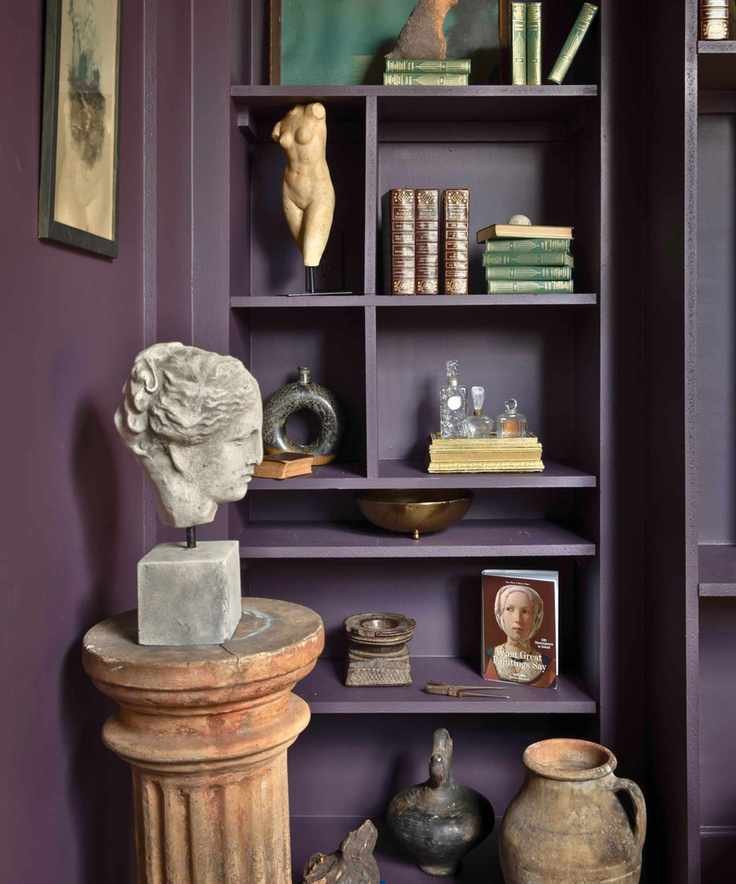
Too many keepsakes can dilute their meaning.
A few treasured mementos are fine, but too many can lessen their significance. Soreff advises, 'Keepsakes should evoke positive feelings. If they don't, consider letting them go or reducing the quantity to a small box.'
11. Antique Jewellery

Consider whether antique jewelry fits your style.
If you inherit jewelry but don't wear it, it's okay to let it go. You can sell, gift, or redesign it into something you'll cherish. Don't hold onto pieces out of guilt; it's okay to part with them.
12. Family Heirlooms

Family heirlooms should be meaningful to you.
Inherited items should bring joy, not clutter. If an heirloom doesn't fit your life or style, it's fine to pass it along with its story. Delay mentions that holding onto items that don't resonate can become burdensome.
Meet the Experts

Karina Toner

Audra George

Amélie Saint-Jacques

Ben Soreff

Ellen Delap
So there you have it – 12 items that might feel too hard to declutter, along with permission to let them go. Decluttering doesn't mean disrespecting the past; it means embracing what brings value and joy while moving forward.
Next, discover the items professional organizers say you should be storing in drawers and how to responsibly dispose of old appliances.