
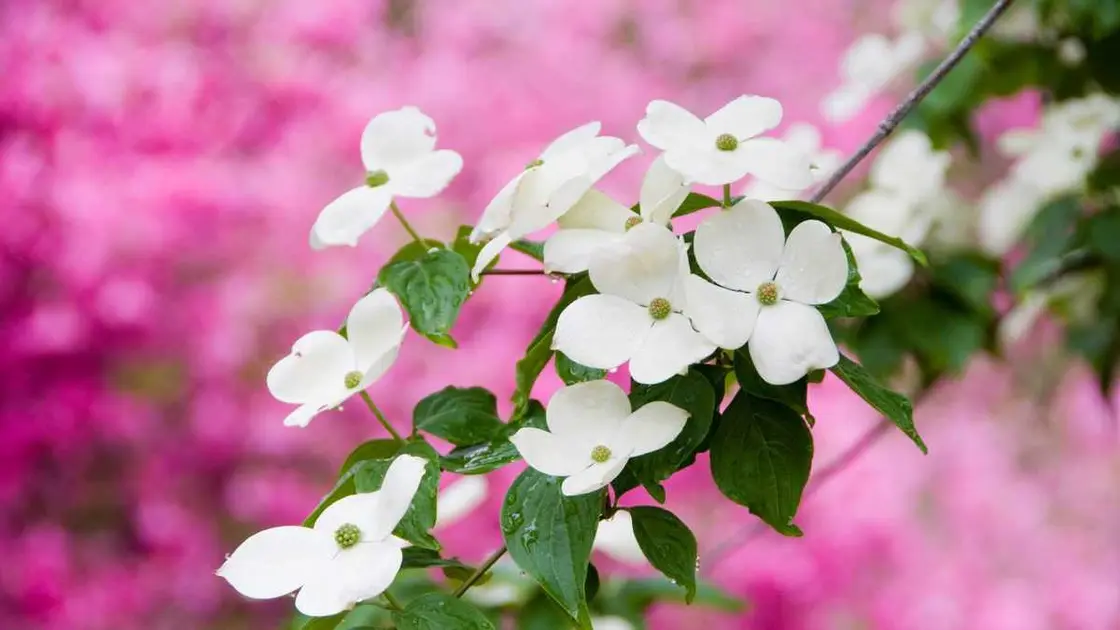
Dogwoods, known for their beautiful flowers and lush foliage, come in various sizes and colors. Many of these trees and shrubs display striking white, yellow, or pink blooms, enhancing gardens in spring and summer.
To ensure healthy growth, proper fertilization is vital. Understanding when and how to fertilize dogwoods can lead to improved flowering and stronger root systems. Whether you have an established tree or a newly planted shrub, knowing the right approach is key.
Gardening enthusiasts share their top tips for feeding dogwoods in garden beds and containers this season.
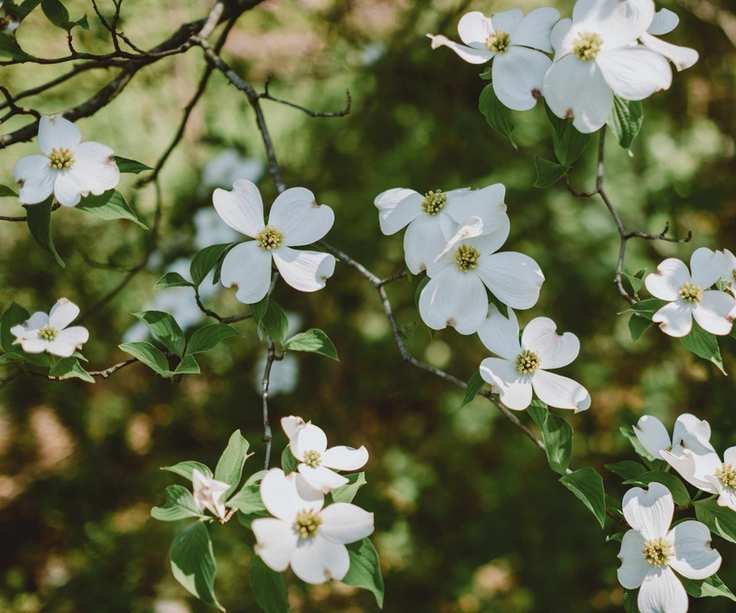
Best Practices for Fertilizing Dogwoods
Applying fertilizer correctly can significantly enhance flower and leaf production. It's essential to choose the right type of fertilizer based on whether your dogwood is newly planted, established, or potted.
Optimal Timing for Dogwood Fertilization
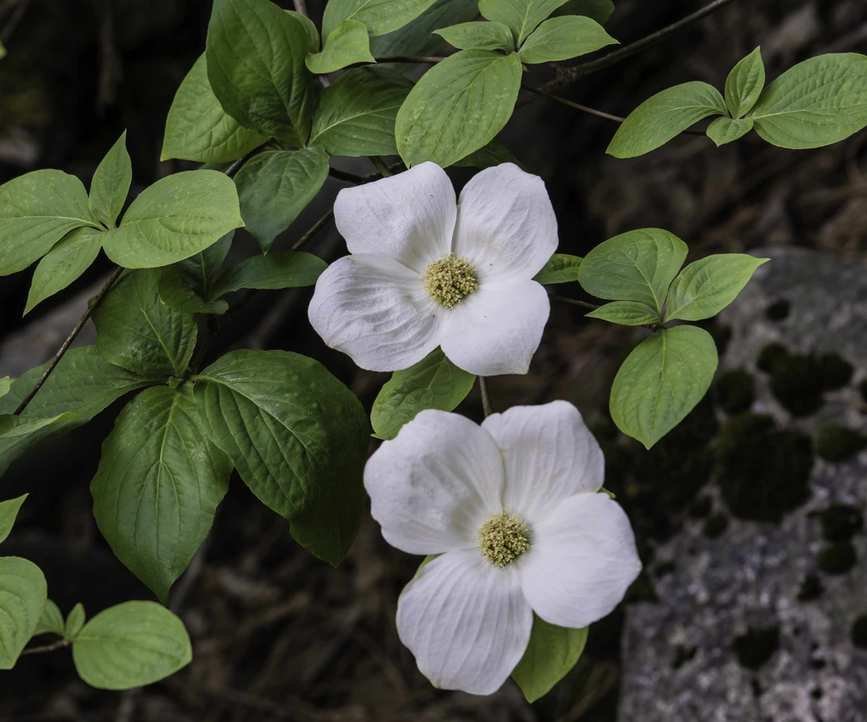
Timing your fertilization is crucial. Many gardeners agree that late fall applications can lead to unwanted late-season growth, which may not survive winter. Instead, fertilize during spring when new leaves start to appear. Wait until after the last frost, usually around late April, depending on your hardiness zone. As temperatures rise, you'll notice vibrant green growth—this is the ideal moment to feed your dogwood.
Techniques for Fertilizing Dogwoods
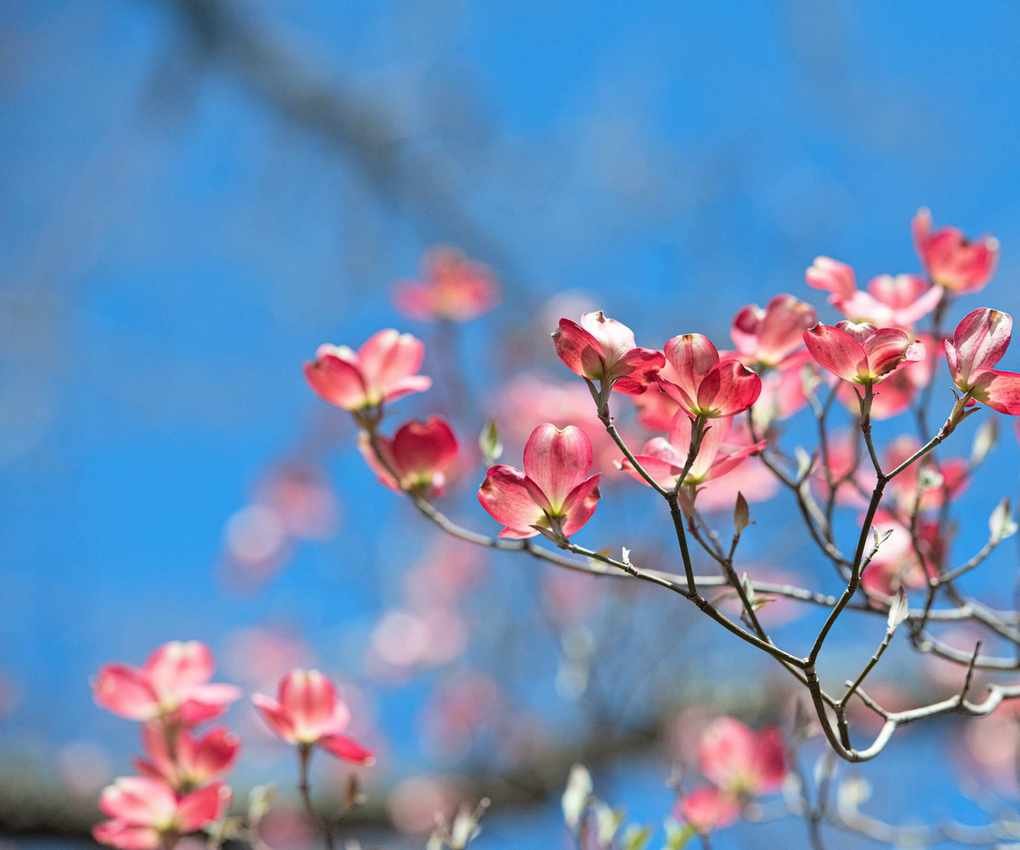
For well-established dogwood trees, fertilization may not be necessary. If your tree is thriving with plenty of foliage and blooms, it likely derives sufficient nutrients from the soil. However, if you choose to fertilize, opt for an acid-forming fertilizer suitable for azaleas or rhododendrons. A light application around the soil surface within a 5 to 7-foot radius is advisable.
For smaller or newly planted dogwoods, testing the soil pH is recommended using a soil meter. This helps determine the appropriate fertilization strategy. If your soil is neutral or slightly alkaline, regular applications of acid-forming fertilizer can maintain your dogwood's health. It's always wise to plant trees that are compatible with your soil type.
When planting, consider feeding your new dogwood during the initial planting, followed by another dose the following spring and again three months later. This helps stimulate root establishment. Mix a small amount of the fertilizer into the soil at planting, and use it sparingly on the surface in spring and summer at half the recommended rate. It's better to under-fertilize than overdo it.
Additionally, applying mulch around your plants is beneficial. I typically do this in the fall and again in spring if needed. A couple of inches of quality mulch protects roots from temperature extremes, retains moisture, and suppresses weeds. Bark mulch is particularly beneficial as it gradually enriches the soil.
Timberline pine bark mulch is an excellent choice for your garden, helping to retain moisture and protect your plants from environmental stressors.
Fertilizing Dogwoods in Containers
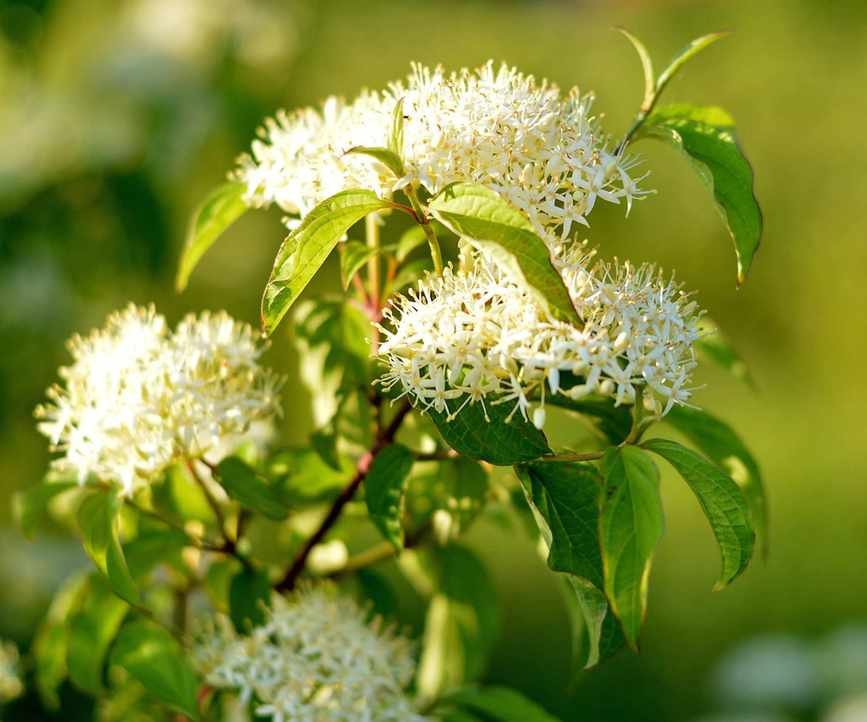
When growing dogwoods in pots, choose a larger container to allow for proper growth. Avoid using a pot that is excessively larger than the original container. This helps provide ample space for root development in the early years.
Garden expert Bert Bast advises fertilizing potted dogwoods at planting with an organic starter fertilizer. He suggests using mycorrhizal fungi to promote healthy root growth. An available mycorrhizal fungi feed can be beneficial.
In spring, switch to an all-purpose plant or tree feed. Remember, as your dogwood matures in a pot, it becomes root-bound, requiring more frequent watering and fertilization. After a few years, you might need to water twice daily during peak summer heat.
It's crucial to remember that container-grown dogwoods depend entirely on you for nutrients and hydration, so regular care during the growing season is essential.
When to Feed Container-Grown Dogwoods
For dogwoods in containers, fertilization should happen at the time of planting by mixing fertilizer with quality potting soil. Afterward, follow up with feedings in spring using a suitable fertilizer. Since potted dogwoods rely solely on you for nutrition, consistent watering and fertilizing are vital during the growing season.
Understanding how and when to fertilize dogwoods is essential for their care. Larger established trees don't usually require feeding, but young trees will thrive with proper attention as they adapt to their new environment. For more insights on dogwood care, check out our comprehensive maintenance guide.



